1. Inception
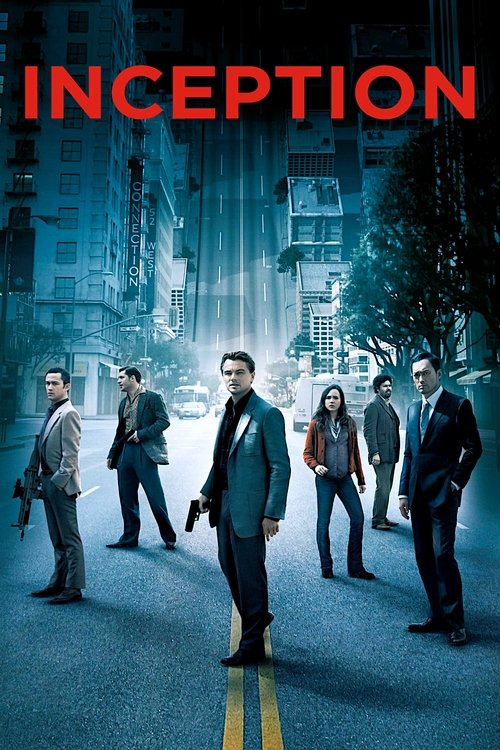
Christopher Nolan's labyrinthine narrative plunges viewers into dreams within dreams, a meticulous exploration of subconscious architecture and psychological manipulation. The film's enduring power lies in its audacious concept and, crucially, its ambiguous final shot. It forces us to question the very fabric of perceived reality, reflecting on the subjective nature of truth and closure in our own lives, a signature Nolan challenge.
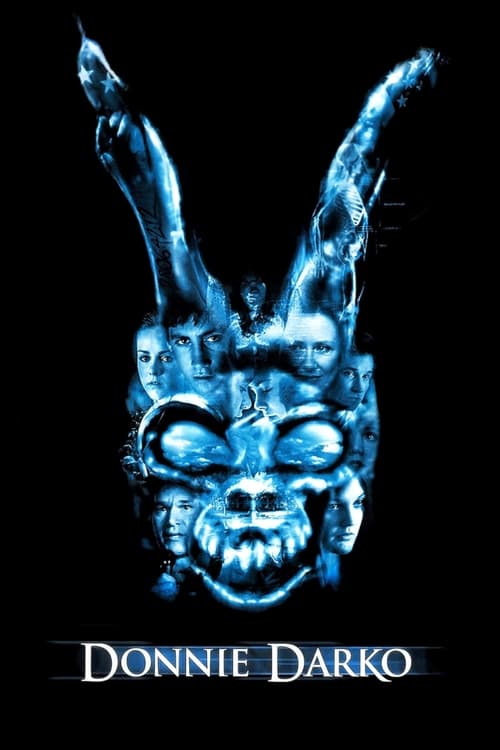
2. Donnie Darko
Richard Kelly's cult phenomenon remains a haunting, enigmatic journey into adolescent angst, time travel, and existential dread. Its dense symbolism—from Frank the rabbit to the jet engine—invites endless interpretation, weaving a tapestry of fate, free will, and suburban malaise. The film doesn't offer easy answers, but instead a profound, unsettling reflection on the search for meaning in a chaotic universe.
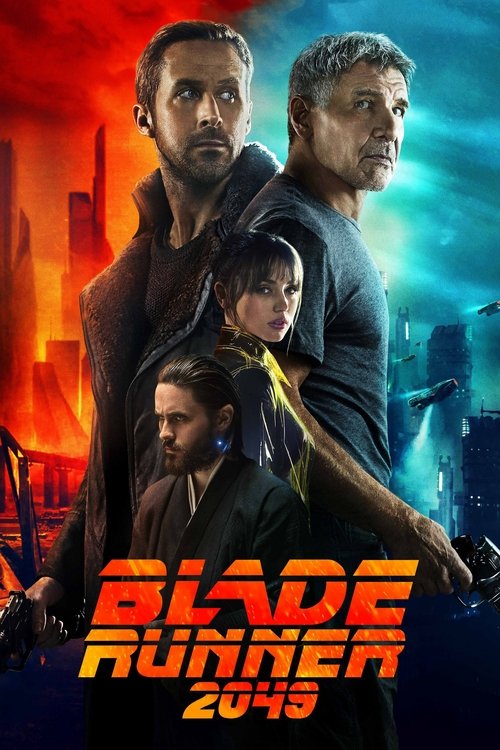
3. Blade Runner 2049
Denis Villeneuve masterfully expands upon Ridley Scott's dystopian vision, crafting a neo-noir epic concerned with artificiality, memory, and the soul. K's quest for identity, set against breathtaking, melancholic landscapes, pushes boundaries of what it means to be human. It's a contemplative, visually stunning piece that deepens the philosophical quandaries of its predecessor, rather than merely replicating them.

4. Primer
Shane Carruth's micro-budget indie is a monumental feat of intellectual complexity, presenting time travel not as spectacle, but as a meticulously engineered, dangerously unpredictable scientific endeavor. Its deliberate ambiguity and non-linear narrative demand an almost obsessive re-watching to even grasp its mechanics. *Primer* stands as a testament to cerebral filmmaking, proving that profound puzzles need not rely on grand budgets.

5. Fight Club
David Fincher's incendiary adaptation critiques consumerism, masculinity, and societal alienation with a ferocious wit and an unforgettable twist. The film's unreliable narrator forces a re-evaluation of everything seen and heard, peeling back layers of manufactured reality. Its enduring cultural resonance speaks to a persistent frustration with modern life, making it a constant subject of re-analysis and debate.
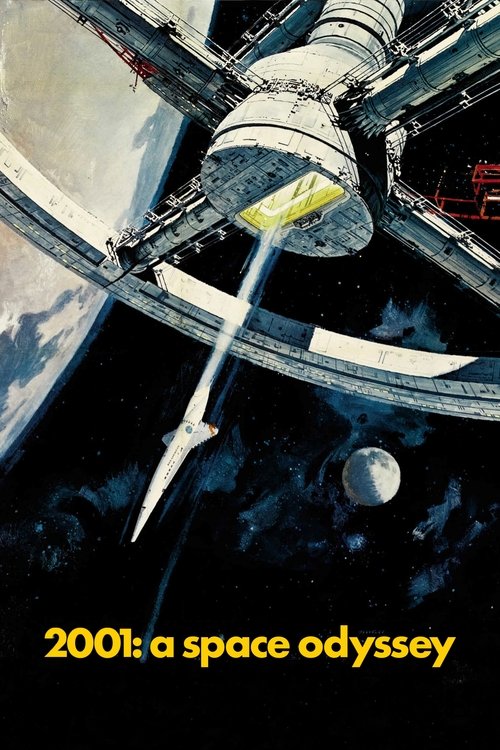
6. 2001: A Space Odyssey
Stanley Kubrick’s epochal science fiction opus transcends conventional storytelling, using breathtaking visuals and minimal dialogue to explore human evolution, artificial intelligence, and cosmic mystery. The monolith's purpose, HAL 9000's sentience, and the Star Child's meaning are deliberately left open to interpretation, inviting profound philosophical engagement rather than definitive answers. It’s a cinematic meditation on humanity's place in the universe.
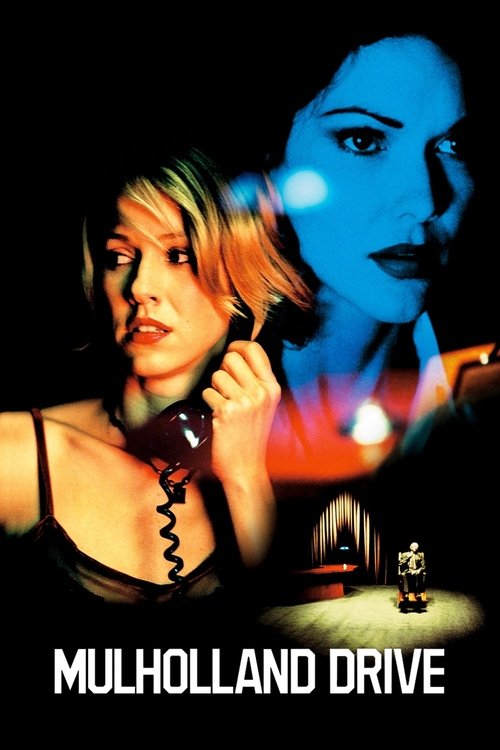
7. Mulholland Drive
David Lynch's dreamlike masterpiece is a labyrinth of desire, illusion, and shattered identities within Hollywood's dark heart. Its non-linear structure and surreal imagery create a disorienting, hypnotic experience, deliberately blurring the lines between reality and fantasy. Unraveling its narrative threads becomes an exercise in psychological exploration, reflecting the industry's capacity to both create and destroy dreams.

8. The Matrix
The Wachowskis' groundbreaking work redefined action cinema while posing profound questions about reality, free will, and simulation theory. Its red pill/blue pill dilemma became a cultural touchstone, challenging audiences to consider the nature of their own existence. Beyond the iconic bullet-time, *The Matrix* offered a philosophical framework that continues to fuel discussions about our relationship with technology and perceived truths.
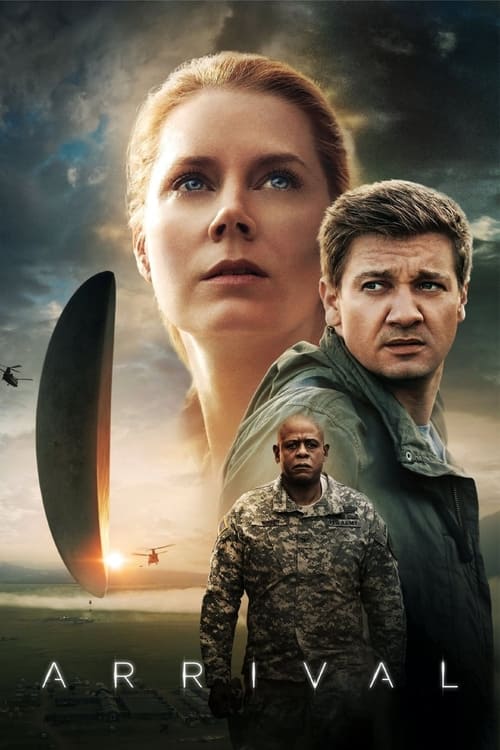
9. Arrival
Denis Villeneuve’s contemplative sci-fi drama centers on linguistics and our perception of time, delivering an emotional and intellectual puzzle. Amy Adams’ Dr. Banks deciphers an alien language, profoundly altering her understanding of linearity and grief. It’s a rare film that uses its sci-fi premise not for spectacle, but for a deeply human exploration of communication, fate, and the choices that define us.
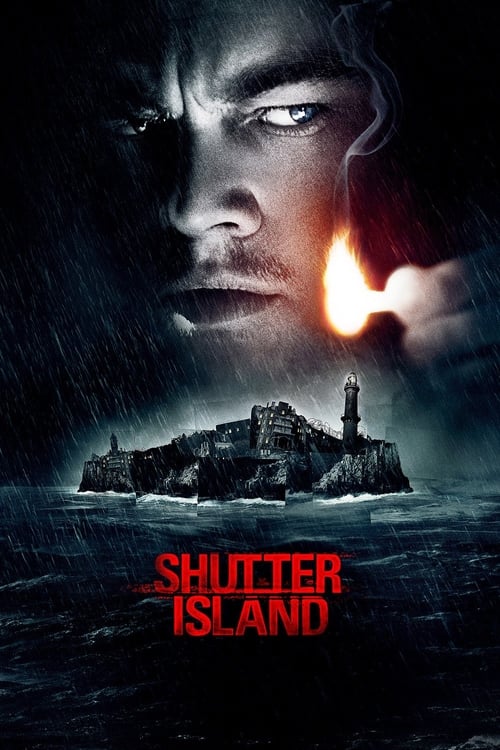
10. Shutter Island
Martin Scorsese's psychological thriller masterfully employs an unreliable narrator, immersing viewers in a disorienting world of paranoia and delusion. Leonardo DiCaprio’s Teddy Daniels navigates a gothic asylum, constantly questioning the reality presented to him. The film's intricate narrative, steeped in trauma and mental anguish, forces a re-evaluation of every scene upon its revelatory conclusion, making it a compelling, dark puzzle.
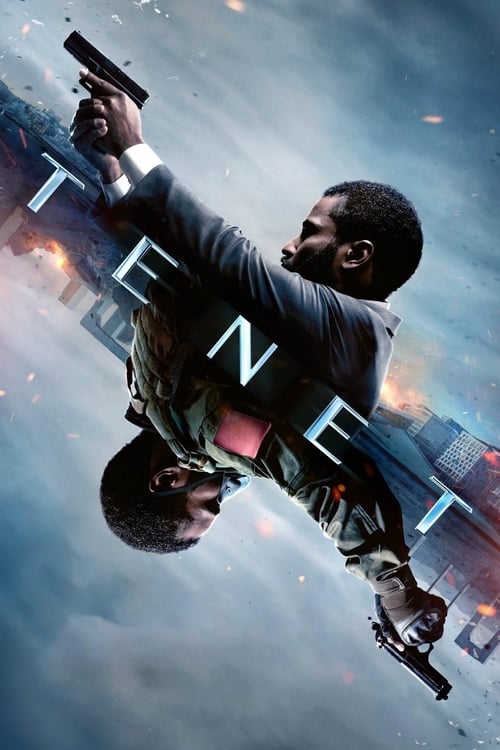
11. Tenet
Christopher Nolan’s ambitious temporal inversion thriller is a complex, meticulously constructed puzzle demanding intense focus and multiple viewings. Its narrative, moving forwards and backwards through time simultaneously, challenges conventional storytelling and audience comprehension. *Tenet* isn't just a plot to unravel; it's an experience of manipulating cinematic time itself, a bold, if sometimes baffling, exercise in intellectual spectacle.