


1. This Is Hardcore (Deluxe Edition)
Pulp’s 1998 masterpiece was a brutal, beautiful comedown after the Britpop party. This wasn’t about anthems; it was about the morning after, the quiet desperation behind closed doors. Jarvis Cocker, ever the astute observer, laid bare the hollow promises of fame and pleasure, wrapping it in soaring, melancholic arrangements. The original album, without any added fluff, just hit differently, a stark, gorgeous elegy for a decade's fading dreams. It felt like growing up, fast.
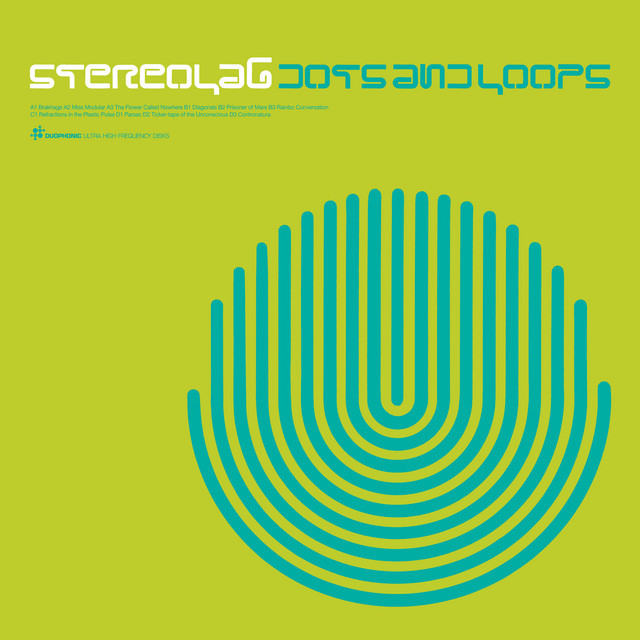
2. Dots And Loops (Expanded Edition)
Stereolab, always marching to their own beat, perfected their kosmische pop on 1997’s *Dots and Loops*. It was meticulously crafted, blending motorik rhythms with lush, analog synths, breezy bossa nova, and Lætitia Sadier’s coolly detached vocals. The 'expanded edition' just reinforced its depth, but the original capture of that warm, intellectual groove, a kind of utopian lounge music for the digital age, was the real magic. It felt like the future, seen through a vintage lens.
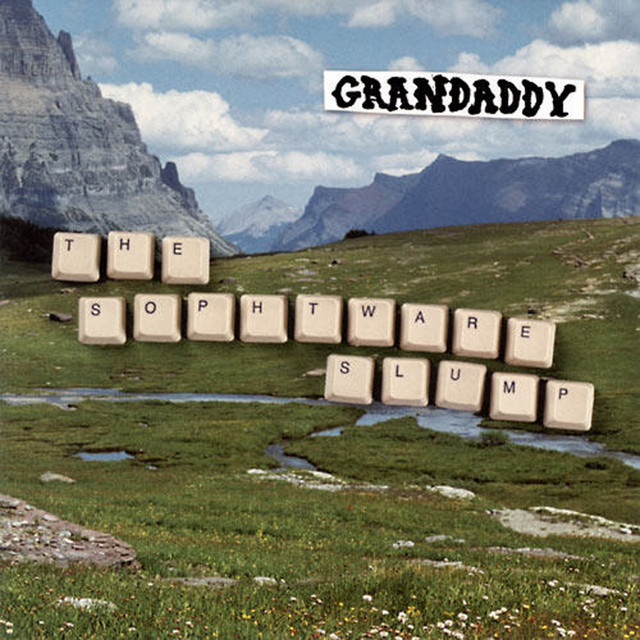
3. The Sophtware Slump
Grandaddy’s 2000 opus felt like the perfect soundtrack to the new millennium’s anxieties. Jason Lytle painted vivid, poignant portraits of lonely robots and discarded computers, all wrapped in a warm, lo-fi blanket of analog synths and fuzzy guitars. It’s a beautifully melancholic exploration of technology’s isolating embrace, predicting so much of our current digital malaise. This album humanized the impending Y2K bug, turning existential dread into something profoundly beautiful and utterly unique.
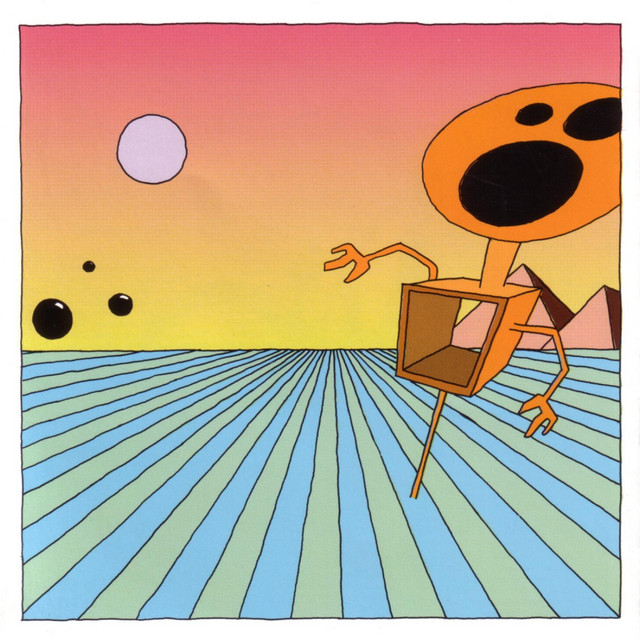
4. Emergency & I
From 1999, *Emergency & I* was a jolt of nervous energy and frantic intelligence. The Dismemberment Plan crafted these angular, danceable anthems that felt both totally unhinged and meticulously precise. Travis Morrison’s lyrics were a stream-of-consciousness dive into late-90s anxieties, delivered with a breathless intensity that was infectious. It wasn't just a rock record; it was a conversation, a manifesto of awkward brilliance that still feels fresh and vital, demanding your full, unblinking attention.
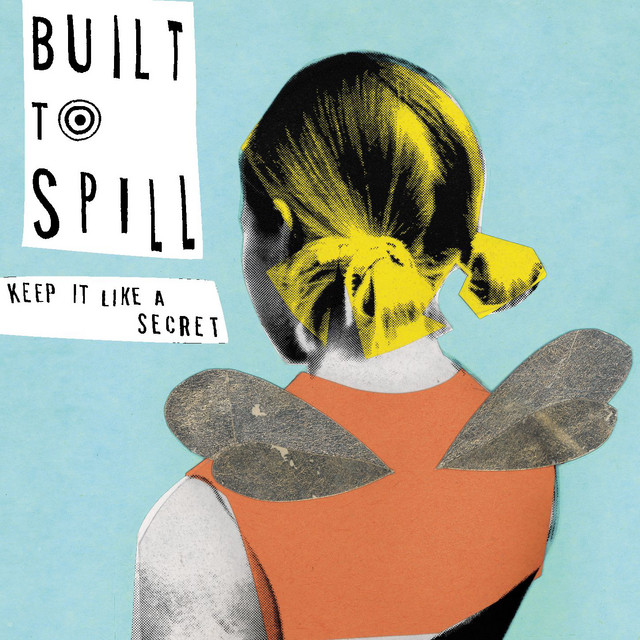
5. Keep It like a Secret
Built to Spill, in 1999, reached their zenith with *Keep It Like a Secret*. Doug Martsch’s guitar work here felt like a conversation, intricate and soaring, weaving melodies that were both instantly catchy and deeply complex. It’s an album that rewards repeat listens, revealing new layers of emotional depth and instrumental genius with each spin. This was indie rock elevated to an art form, proving that guitar music could still be epic, introspective, and utterly captivating without losing its raw edge.
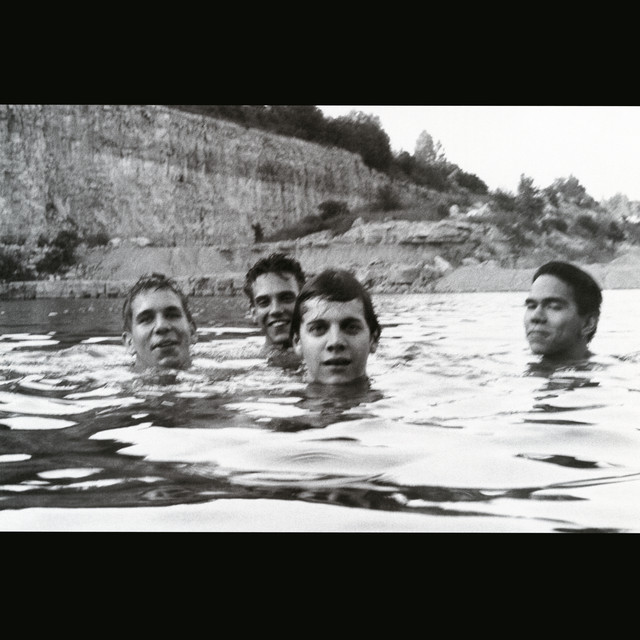
6. Spiderland
Slint’s 1991 masterpiece, *Spiderland*, wasn’t just an album; it was a blueprint. It redefined what rock music could be, stripping away excess to reveal stark, angular compositions, unsettling spoken-word narratives, and moments of breathtaking tension. It’s less about traditional songs and more about atmosphere, dynamics, and the space between notes. This record proved that quiet could be heavier than loud, leaving an indelible mark on post-rock and math-rock for decades to come.
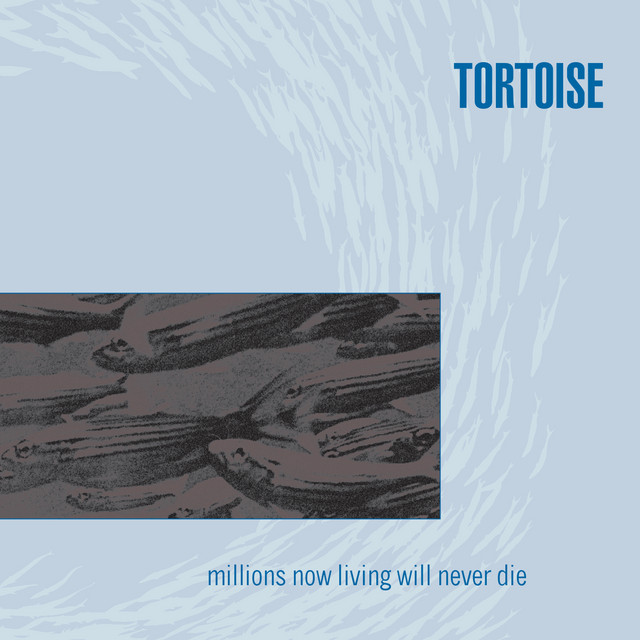
7. Millions Now Living Will Never Die
Tortoise's 1996 opus *Millions Now Living Will Never Die* was a foundational text for post-rock. It pushed boundaries, blending meticulous instrumental rock with elements of jazz, dub, and electronic music. These weren't just songs; they were intricate sonic ecosystems, shifting and evolving with a hypnotic precision. The album felt like a declaration, showing that instrumental music could be both intellectually stimulating and deeply grooving, charting a new course for what rock could sound like.
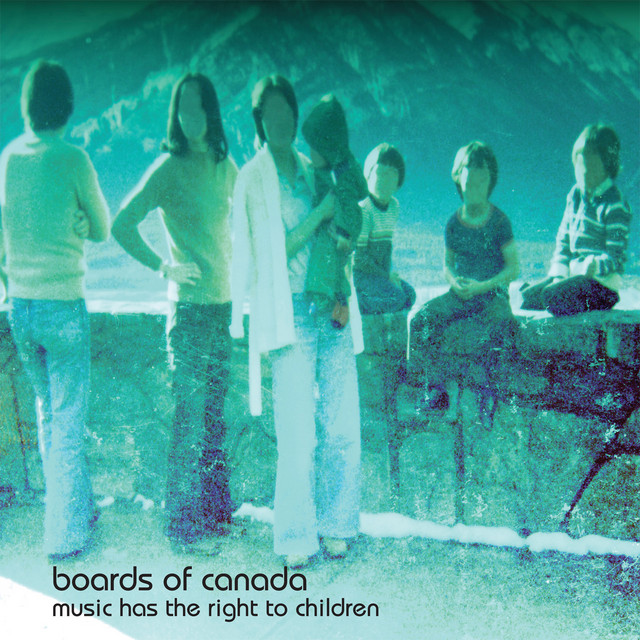
8. Music Has The Right To Children
Boards of Canada’s 1998 debut was an instant classic, crafting a soundworld entirely their own. *Music Has The Right To Children* swam in hazy, analog warmth, evoking sun-drenched childhood memories and forgotten nature documentaries. It wasn’t just IDM; it was a deeply emotional, almost spiritual experience, blurring the lines between memory and dream. This album taught me that electronic music could be profoundly human, a bittersweet soundtrack to a past that perhaps never quite existed.
9. Tri Repetae
Autechre’s *Tri Repetae* from 1995 felt like peering into the matrix. It was cold, abstract, and utterly uncompromising, pushing the boundaries of electronic music into glitchy, rhythmic complexity. This wasn't background music; it demanded active listening, unraveling its intricate, often alien structures. It taught me that electronic music could be a harsh, beautiful landscape of pure sound, challenging perceptions of melody and rhythm in ways that few had dared before.
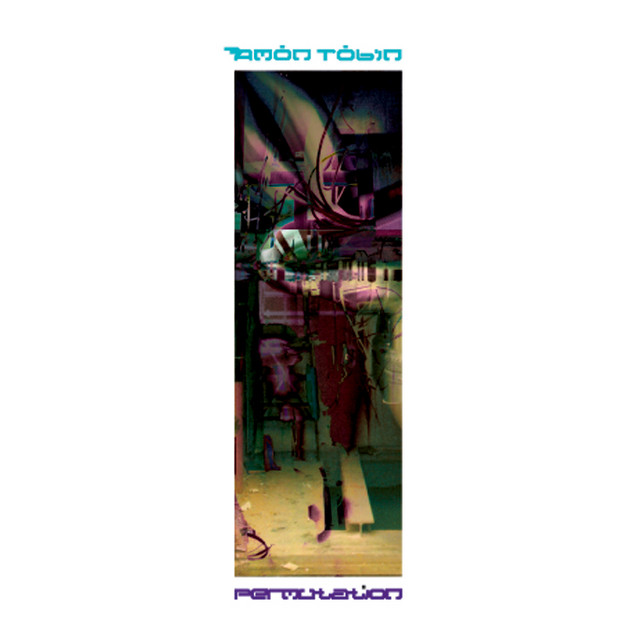
10. Permutation
Amon Tobin's 1998 masterpiece *Permutation* was a revelation in intricate sound design and dark, cinematic breakbeats. He sculpted rhythms and samples into something entirely new, a dense jungle of sound that felt both organic and meticulously constructed. It wasn't just drum & bass; it was a journey through shadowy sonic landscapes, proving that electronic music could possess the drama and narrative power of a film score. This album was a masterclass in atmospheric intensity.
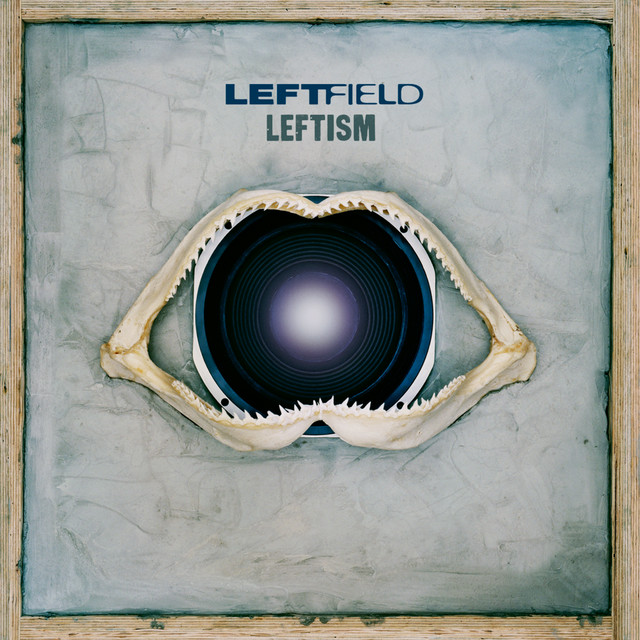
11. Leftism
Leftfield’s *Leftism* from 1995 wasn't just a dance album; it was a seismic event. Blending progressive house with dub, breakbeat, and guest vocalists, it crafted anthems that were both electrifying and deeply atmospheric. It owned the mid-90s club scene, but also transcended it, proving electronic music could have depth, raw power, and an undeniable sonic richness. This album was pure, unadulterated energy, a foundational text for anyone exploring the broader electronic landscape.