

1. Planescape: Torment
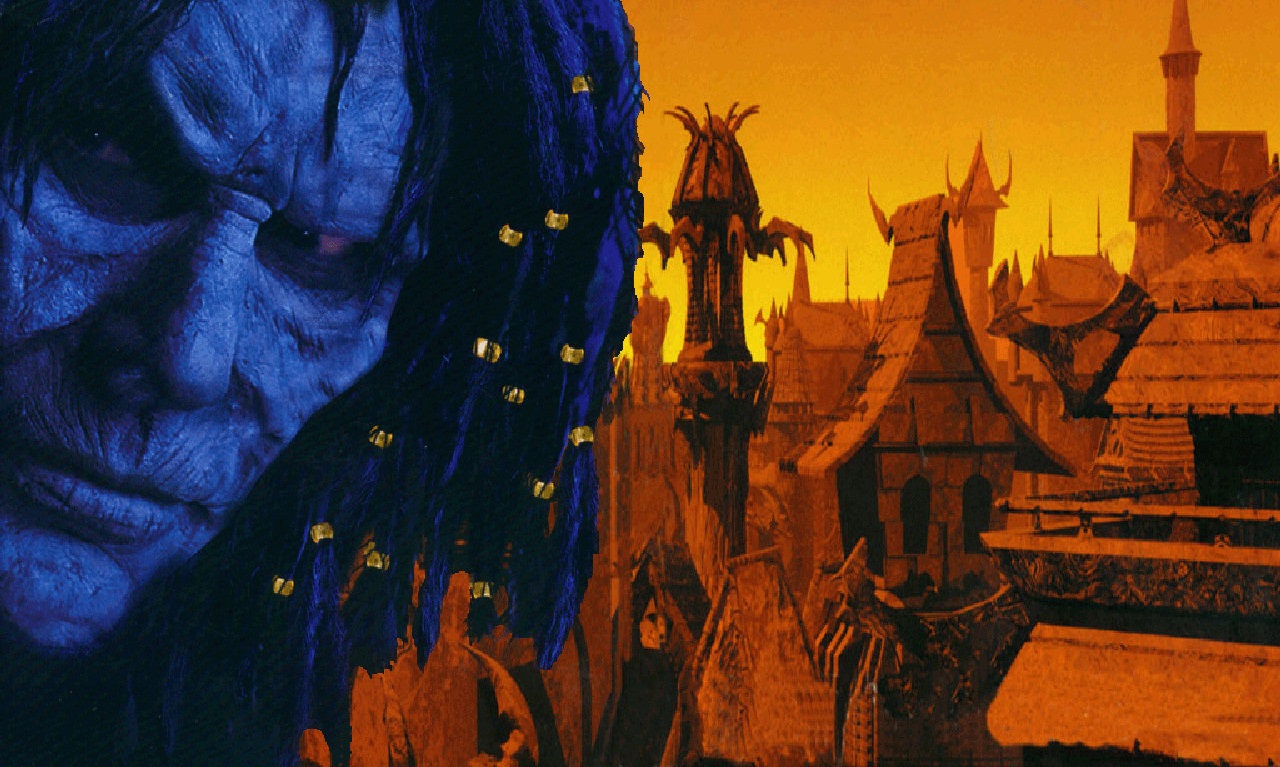
Long before existential dread became a gaming trope, Planescape: Torment posed profound questions about identity and mortality. Its impact wasn't in sales, but in demonstrating the sheer narrative power of the medium. Here, the story wasn't just a vehicle for combat; it was the entire journey. This RPG proved that a game could be a philosophical text, reshaping expectations for what a role-playing experience could truly explore.
2. Grim Fandango
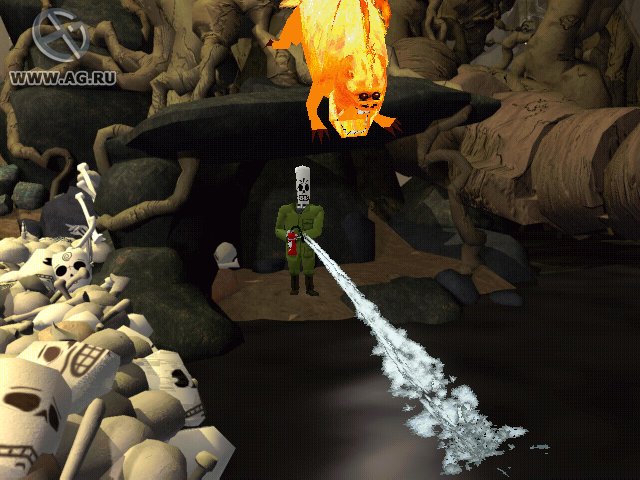
LucasArts' swan song for the adventure genre, Grim Fandango, wove a tale of the afterlife with unparalleled style. Its 'Day of the Dead' aesthetic and film noir sensibilities were revolutionary, creating a world unlike any other. And yet, its commercial performance didn't match its critical acclaim. Still, it championed intricate puzzle design and character-driven storytelling, influencing countless narrative-focused titles that followed in its wake.
3. Dwarf Fortress
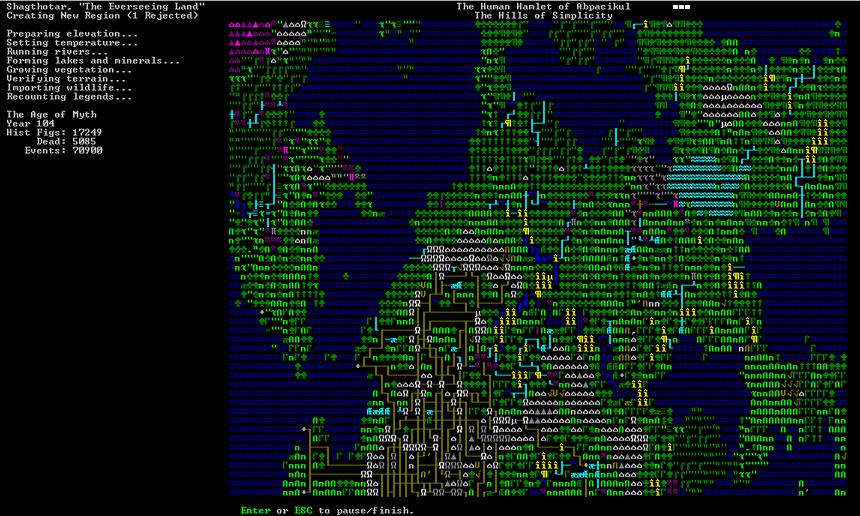
Dwarf Fortress isn't just a game; it's a simulation engine for emergent narratives. Its ASCII graphics belie a complexity so vast it can generate entire worlds with their own geology, ecosystems, and histories. This project, constantly evolving, single-handedly defined the 'colony sim' and 'survival management' genres. It demonstrated the power of procedural generation and player-driven storytelling long before mainstream adoption, a true foundational text.

4. Psychonauts
Tim Schafer's Psychonauts took players on a whimsical, yet deeply insightful, journey into the human psyche. Its imaginative level design, each representing a character's mental landscape, was a masterclass in creative gameplay. While not an immediate commercial smash, its unique blend of platforming, humor, and heartfelt storytelling cultivated a dedicated following. It reinforced the idea that games could explore complex themes with a light touch and genuine empathy.
5. Descent (1996)
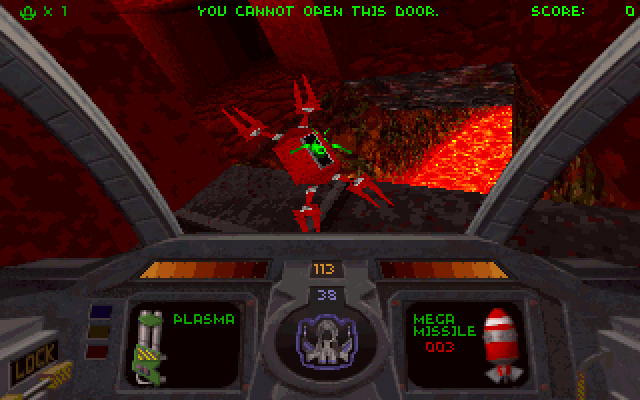
Descent, released in 1996, redefined first-person shooters by introducing true 6-degrees-of-freedom movement. Navigating its labyrinthine mines in full 3D, able to pitch, roll, and yaw, felt revolutionary. This wasn't just about shooting; it was about spatial awareness in a way no game had offered before. Its innovative engine and gameplay mechanics laid crucial groundwork for future generations of immersive 3D experiences, though often overlooked today.

6. Arx Fatalis
Arkane Studios' debut, Arx Fatalis, was a dark, atmospheric RPG that quietly pushed the immersive sim genre forward. Its unique rune-drawing magic system and emphasis on environmental interaction offered an unparalleled sense of player agency. While it didn't achieve widespread commercial success, it was a clear precursor to Arkane's later acclaimed titles like Dishonored. It championed deep world-building and systemic gameplay in an era dominated by more linear RPGs.

7. E.Y.E: Divine Cybermancy
E.Y.E: Divine Cybermancy is a baffling, brilliant, and often impenetrable cyberpunk fever dream. Blending FPS, RPG, and immersive sim elements, it presents a dense, philosophical narrative steeped in esoteric lore. Its clunky interface and steep learning curve alienated many, but for those who persevered, it offered an unparalleled atmosphere and depth. This cult classic proved that even flawed games could achieve profound artistic statements and loyal followings.

8. The Cat Lady
The Cat Lady is a stark, unsettling psychological horror adventure that tackles themes of depression, suicide, and loneliness with unflinching honesty. Its distinctive, almost grotesque, art style and deeply personal narrative left a lasting impression on players. It demonstrated that independent developers could craft profoundly moving and disturbing experiences without blockbuster budgets, expanding the emotional range games were expected to cover.
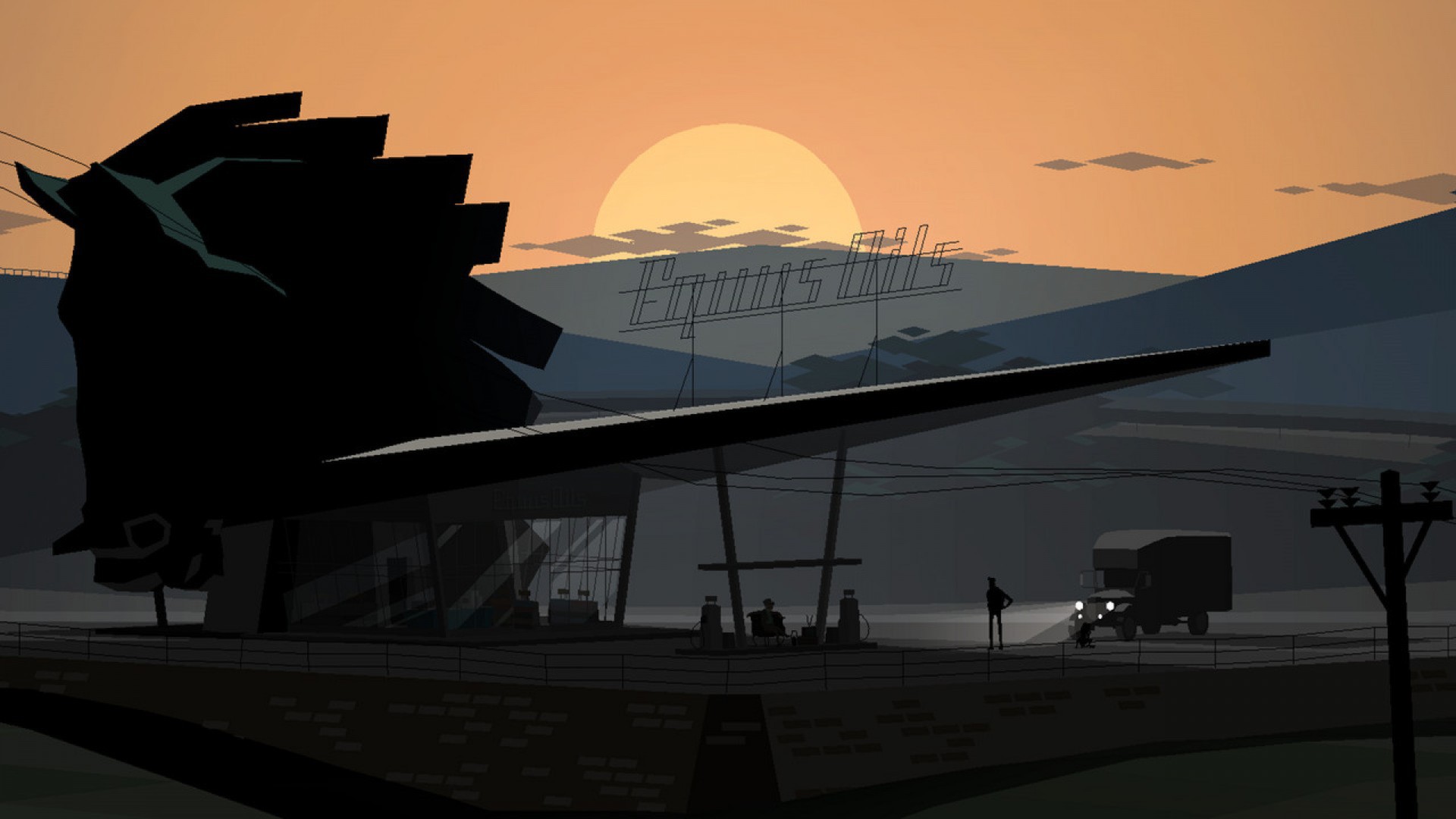
9. Kentucky Route Zero
Kentucky Route Zero is less a game and more a piece of interactive magical realism. Its episodic release slowly unfolded a melancholic, surreal narrative about American identity, debt, and the forgotten. With its distinctive minimalist art style and focus on atmosphere over action, it redefined what a point-and-click adventure could be. This game proved that profound emotional resonance could be achieved through quiet moments and evocative storytelling.

10. Pathologic 2
Pathologic 2 is a masterclass in deliberate cruelty and narrative brilliance. This survival horror RPG plunges players into a plague-ridden town, forcing impossible moral choices under immense pressure. Its brutal difficulty and oppressive atmosphere aren't for everyone, but they serve the story's themes perfectly. It pushed boundaries on player agency and consequence, proving that discomfort can be a powerful tool for delivering a truly unforgettable experience.