


1. Inspiration Information/ Wings Of Love
Shuggie Otis's 1974 masterpiece remains a perplexing, beautiful artifact. His multi-instrumental genius crafted a languid, psychedelic funk that was decades ahead of its time, a true bedroom-funk symphony recorded with an understated analog warmth. This isn't flashy virtuosity; it's deep pocket grooves, hazy vocals, and arrangements that suggest endless possibilities, all before drum machines became ubiquitous. A quiet storm of innovation.
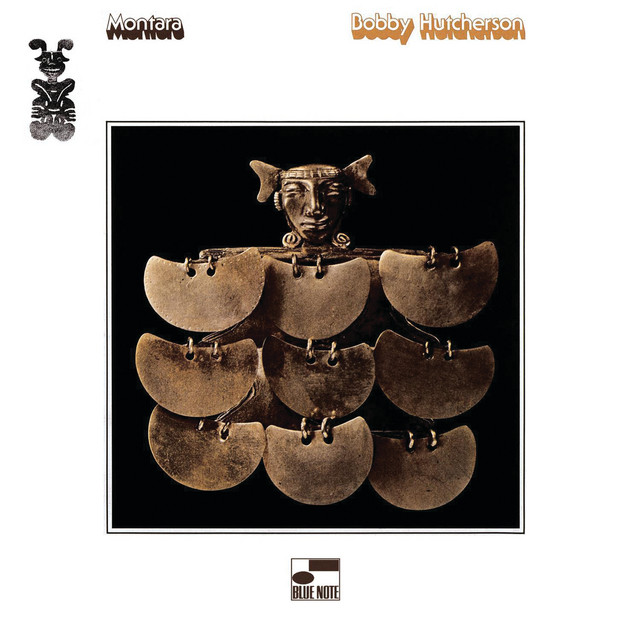
2. Montara
Bobby Hutcherson's 1975 album, 'Montara,' is an exquisite lesson in organic fusion. The vibraphone leads, not with aggression, but with a shimmering, almost spiritual grace, weaving through a tapestry of Latin-tinged rhythms and effortlessly cool jazz. The analog fidelity captures every delicate resonance and percussive nuance, creating a sound that is both sophisticated and deeply relaxing, yet always engaging. A masterclass in textural depth.

3. Half Mute/Scream With A View
Tuxedomoon’s 1980 'Half-Mute' is a stark, theatrical plunge into the avant-garde. It’s the sound of post-punk's intellectual fringe embracing electronics and art-school ennui, forging angular melodies and unsettling atmospheres. The cold, precise synth lines juxtapose with raw instrumentation, creating a uniquely melancholic and slightly sinister soundscape. A truly influential document for those who sought beauty in dissonance and dark corners.
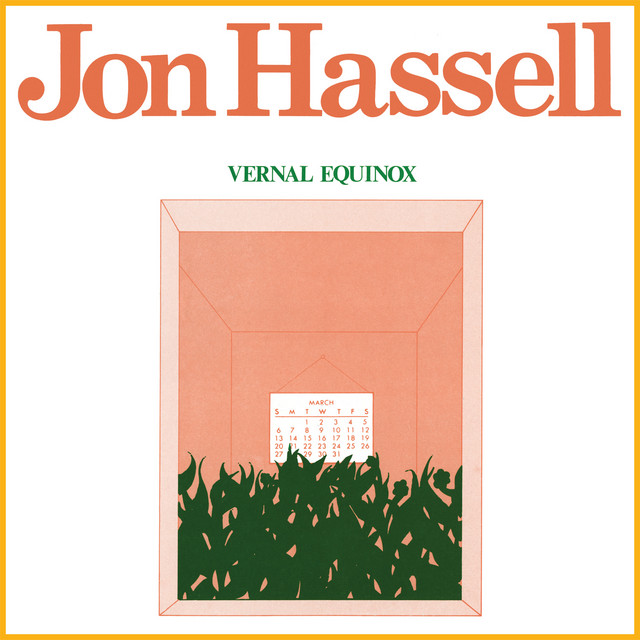
4. Vernal Equinox (Remastered)
Jon Hassell's 1975 'Vernal Equinox' introduced the 'Fourth World' concept, a sonic exploration of imagined primal cultures through trumpet, synthesizers, and tape manipulation. This wasn't merely ambient; it was a carefully constructed ecosystem of sound, blending organic textures with early electronic processing. The original analog recordings possessed a humid, immersive quality, prefiguring countless attempts at cross-cultural sonic synthesis. A truly visionary blueprint for atmospheric design.

5. Deceit
This Heat’s 1981 'Deceit' stands as a monument to post-punk's most uncompromising instincts. It’s a tense, politically charged maelstrom of intricate rhythms, jarring dynamics, and raw, almost industrial textures. Recorded with a brutalist efficiency, every clang, every fractured vocal, every tape loop serves a purpose in its unsettling narrative. This record is a demanding listen, yet its sheer sonic inventiveness makes it essential for any serious student of analog-era experimentation.

6. Beerdigt Demo '21
Though ostensibly a 2021 document, this 'Demo' possesses a primitive, raw aggression that echoes the most unpolished early metal and hardcore punk tapes of our era. Its unadorned fury, captured with a visceral immediacy, bypasses contemporary sheen for a direct, uncompromising impact. This sounds like an unearthed relic, a raw blueprint of sonic violence, proving the enduring power of elemental, unrefined sound. A potent, if anachronistic, burst of primal energy.
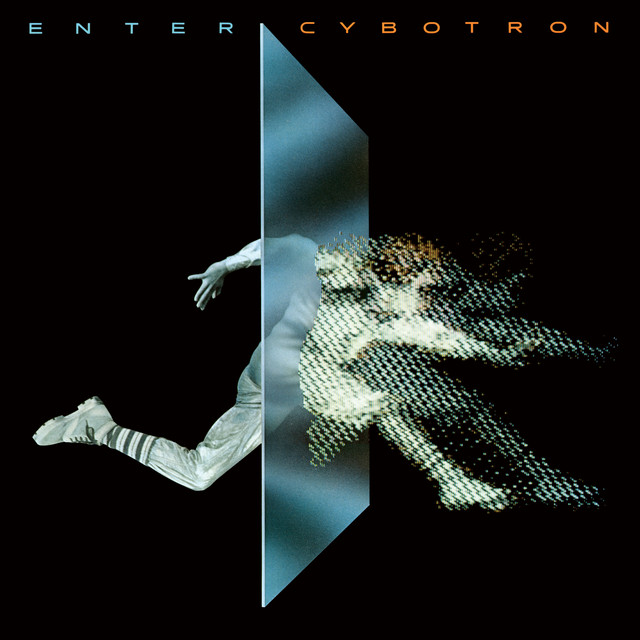
7. Enter (Deluxe Edition)
Cybotron's 1983 'Enter' is a foundational text in the nascent language of techno. Its stark, mechanical rhythms and glistening synth textures laid the groundwork for an entire musical movement in Detroit. The original analog recordings delivered a cold, futuristic funk, a conversation between man and machine without the gloss of later digital production. This deluxe edition merely repackages a vision that was already complete and revolutionary upon its initial release.
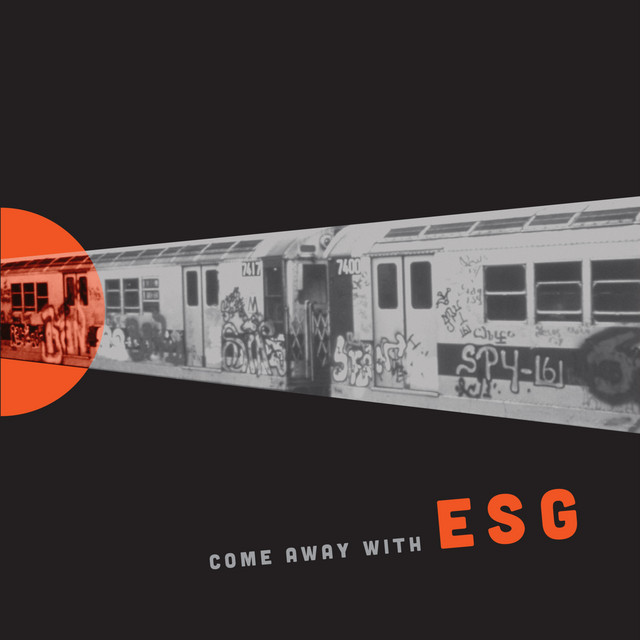
8. Come Away with ESG
ESG’s 1983 album is minimalist funk perfected. Stripped down to its essential rhythmic components—bass, drums, percussion, and understated vocals—it creates an infectious, hypnotic groove that influenced everyone from hip-hop producers to post-punk bands. The raw, live-in-the-studio feel of these analog recordings is crucial, delivering an unvarnished energy that's impossible to replicate. It's proof that less, when executed with such precision and feel, is indeed more.
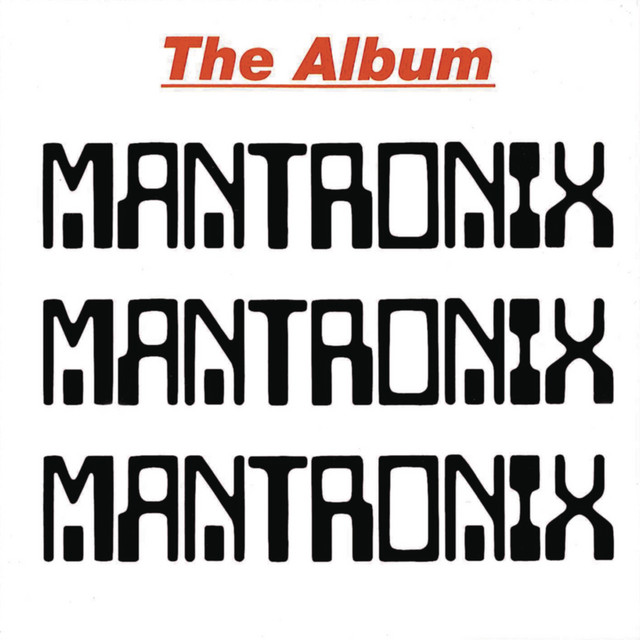
9. The Album
Public Image Ltd.'s 1986 'Album' (or 'Compact Disc') was a seismic shift, embracing a muscular, almost industrial rock sound. Bill Laswell's production lent it an immense, crushing weight, with powerhouse drumming and Lydon's sneering vocals cutting through the dense arrangements. It was a challenging, often confrontational record that pushed post-punk into heavier, more aggressive territories, demonstrating the raw power achievable in a well-engineered pre-digital studio environment.
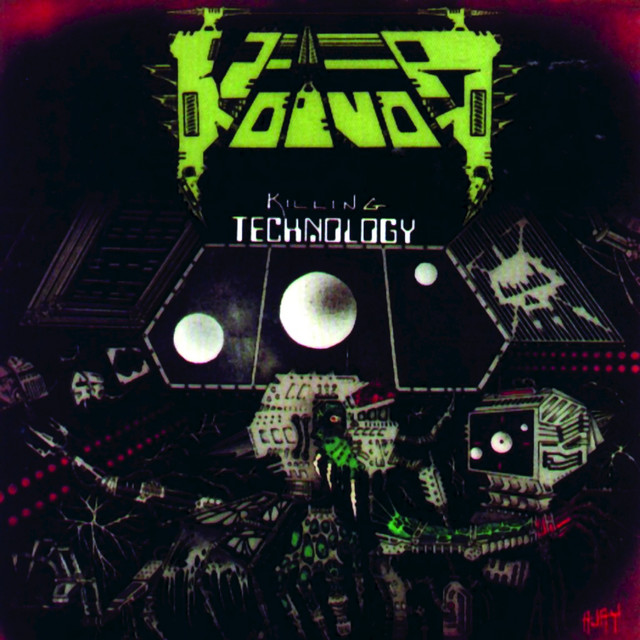
10. Killing Technology
Voivod’s 1987 'Killing Technology' was a revelation, pushing thrash metal's boundaries into progressive, sci-fi realms. Their intricate, angular riffs and complex song structures were light-years ahead of their peers, all delivered with a raw, almost claustrophobic analog production. This wasn't just speed; it was intelligent aggression, a blueprint for technical metal that few could replicate, forging a unique, dystopian soundscape in the late 80s.