1. Brazil
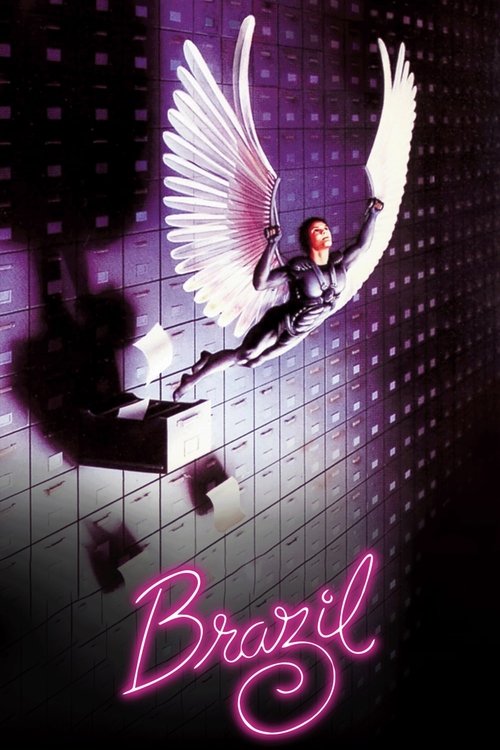
Terry Gilliam's 1985 vision of a dystopian, hyper-bureaucratic future feels incredibly relevant for VR. Imagine navigating Sam Lowry's fragmented reality, where dreams bleed into oppressive daily life. AI could dynamically alter the environment based on player choices, creating an endlessly shifting, surreal landscape of corporate control and personal rebellion. And the ductwork? Oh, the immersive ductwork! It’s a blueprint for experiential narrative, challenging perceptions of freedom within a meticulously crafted, yet crumbling, system.

2. Dark City
The 1998 neo-noir mystery of *Dark City* practically screams for a VR adaptation. Its constantly reshaping urban landscape, where memories are fluid and reality is a construct, is perfect for AI-driven storytelling. Players could experience the city 'tuning' in real-time, their own fabricated memories influencing the narrative path. Discovering the truth behind the Strangers' experiments and John Murdoch's unique abilities would be a truly mind-bending, personalized journey. It’s about uncovering agency in a world designed to control you.

3. Primer
Shane Carruth's 2004 indie masterpiece, *Primer*, offers such a dense, intellectual puzzle. For VR, its intricate time-travel mechanics could become a sandbox for players to manipulate causality. AI could be essential, not just in managing the complex branching narratives and paradoxes, but also in generating subtle environmental shifts that signify temporal alterations. It’s about truly understanding the butterfly effect on a deeply personal, almost scientific, level, pushing the boundaries of interactive narrative logic.
4. Pi
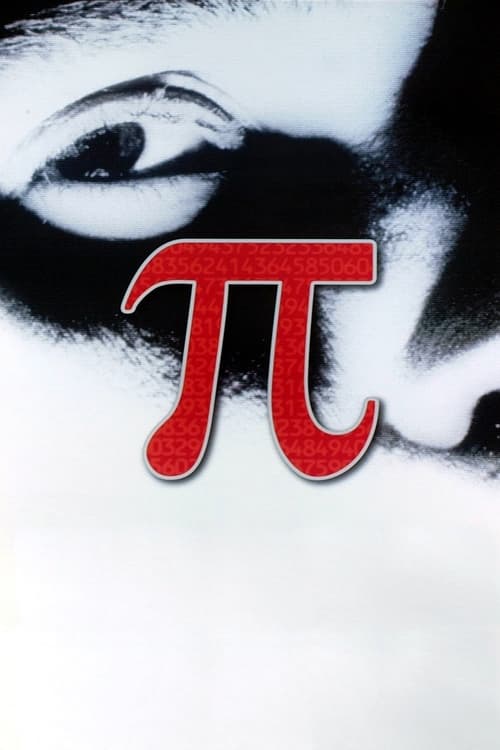
Darren Aronofsky’s 1998 debut, *Pi*, is a raw, intense psychological dive into obsession. In VR, the protagonist Max Cohen’s claustrophobic apartment and his spiraling paranoia would be incredibly visceral. AI could dynamically generate the overwhelming patterns Max seeks, or the auditory hallucinations that plague him, intensifying the sensory overload. It’s about the search for ultimate truth, driven by numbers, and the terrifying cost of getting too close, all experienced from within a fragmented mind.
5. Repo Man
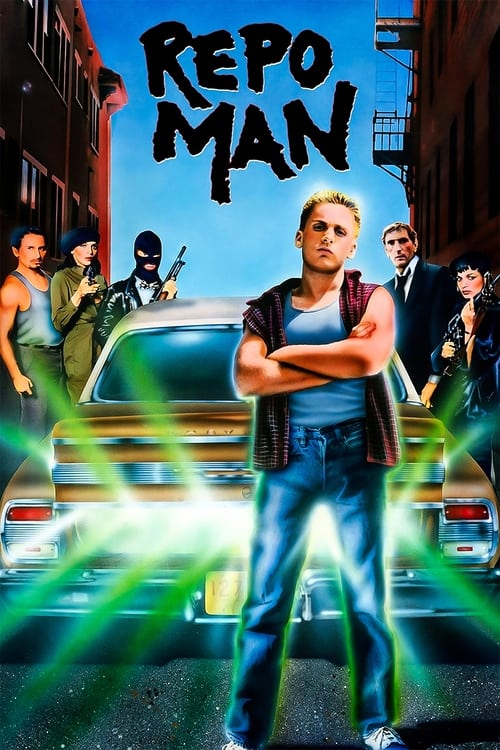
Alex Cox’s 1984 cult classic, *Repo Man*, is a wild ride through a punk-rock, alien-conspiracy-laden Los Angeles. Its anarchic spirit and offbeat humor would thrive in VR, letting players truly embody Otto and navigate this absurd, existential landscape. AI could generate random, bizarre encounters and dynamically alter the narrative based on the player’s level of nihilism or commitment to 'the repo code.' It's about finding meaning, or embracing meaninglessness, in a world gone delightfully mad.
6. The Fountain
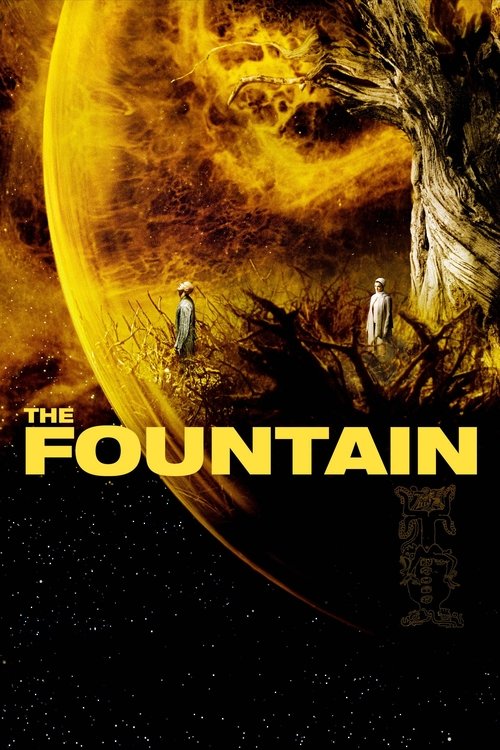
Darren Aronofsky's *The Fountain* (2006) weaves a stunning, non-linear tapestry of love, loss, and immortality across three timelines. In VR, players could seamlessly transition between these eras—the conquistador, the present-day scientist, and the cosmic traveler. AI could subtly adapt the narrative flow and visual motifs based on the player's emotional responses, guiding them through the profound spiritual journey. It’s about experiencing the eternal dance of life and death, an epic poem rendered in fully immersive, emotionally resonant environments.

7. Kiss Kiss Bang Bang
Shane Black's *Kiss Kiss Bang Bang* (2005) is pure, self-aware genius. Its meta-narrative and constant breaking of the fourth wall are perfect for VR. Imagine the narrator, Harry Lockhart, directly addressing you, the player, guiding or misguiding your choices. AI could adapt character dialogue and plot twists based on player interaction, creating a dynamic, witty, and uniquely personal noir experience. It’s about being an active participant in a story that knows it’s a story, blurring the lines between observer and character.

8. The Fall
Tarsem Singh’s *The Fall* (2006) is a visual feast, a story within a story where imagination literally shapes reality. For VR, this would be incredible. Players could inhabit Alexandria's vivid dreamscapes, seeing the fantastical world unfold through a child's eyes. AI could dynamically generate new elements within the narrated tale, allowing for endless permutations of Roy's epic adventure. It’s about the power of storytelling to create worlds, and how shared narrative can bridge even the widest divides.
9. Harold and Maude
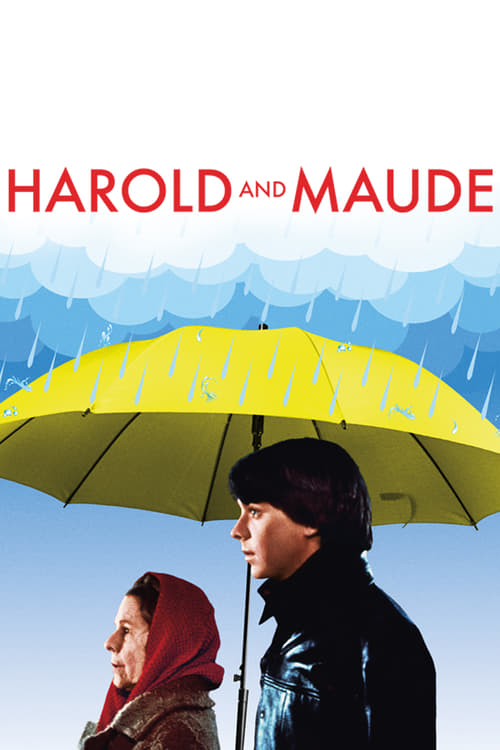
Hal Ashby's 1971 gem, *Harold and Maude*, is a darkly humorous, life-affirming tale. In VR, players could truly step into Harold's morbid yet innocent world, then be uplifted by Maude’s boundless zest for life. AI could generate dynamic interactions and philosophical debates between the characters, allowing players to influence their journey of self-discovery and unconventional love. It’s about finding connection and joy in the most unexpected places, celebrating individuality and the beauty of living fully.
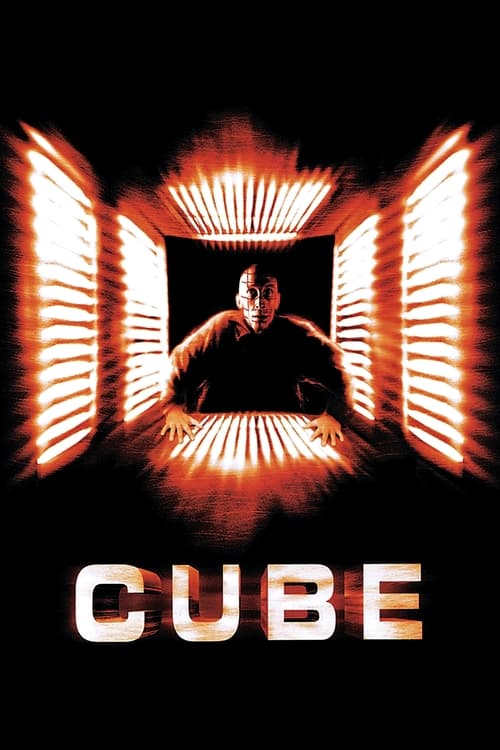
10. Cube
Vincenzo Natali’s 1998 *Cube* is the ultimate claustrophobic escape room, perfect for VR. Players could be trapped within the shifting, deadly labyrinth, feeling every tight squeeze and every terrifying discovery. AI would be crucial for dynamically generating trap configurations, room layouts, and psychological stressors, making each playthrough unique and utterly terrifying. It’s about survival, trust, and the terrifying unknown, pushing players to their mental and physical limits within an inescapable, sentient prison.
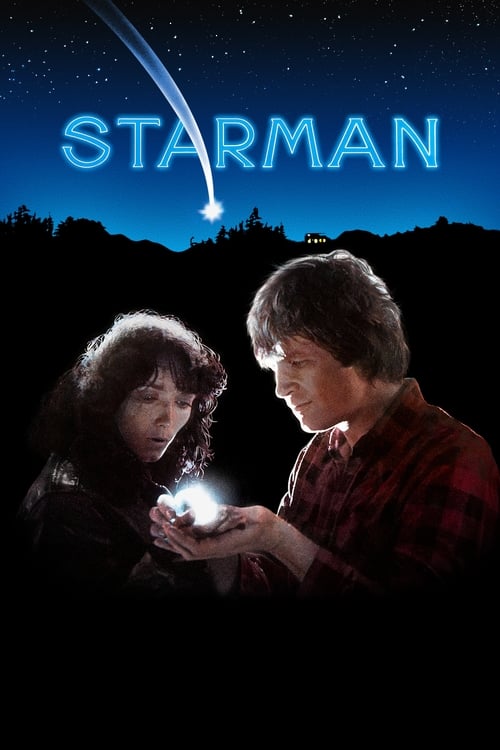
11. Starman
John Carpenter's 1984 *Starman* is such a beautiful, understated sci-fi romance. For VR, imagining yourself on that road trip with Jenny and the gentle alien, Scott, would be truly special. AI could enhance Scott’s learning process, subtly adapting his understanding of human emotions and language based on player interactions, making the journey of connection even more profound. It's about empathy, understanding, and the quiet wonder of discovering humanity through an outsider's eyes, all while dodging the authorities.