
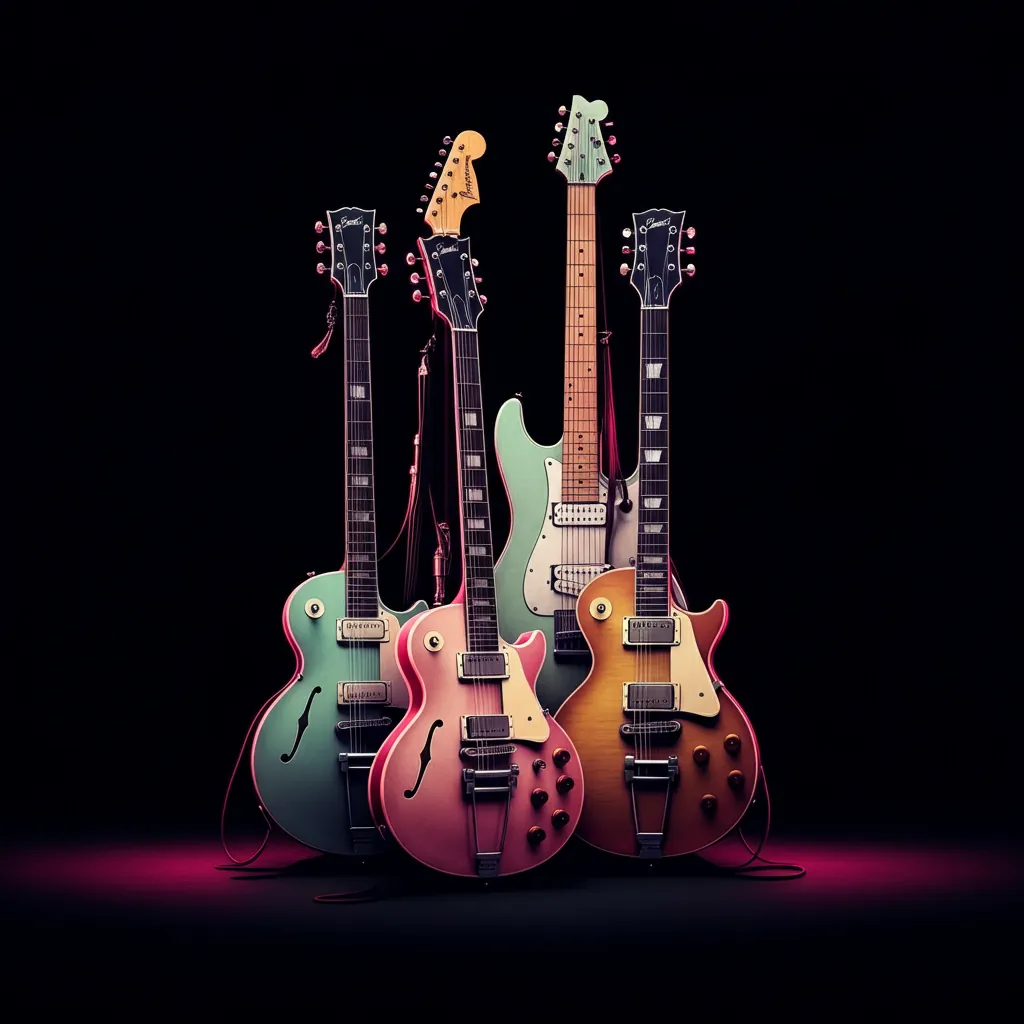

1. Cross Road Blues
Robert Johnson’s guitar here wasn't just accompaniment; it was a conversation, a wail, a percussive force. He wrung every ounce of anguish and defiance from those strings, bending notes into shapes that hadn't existed before. It’s the foundational grit, the primal scream that birthed rock and roll decades later. You hear the delta dust in every slide, the pact made at the crossroads echoing in its raw, unfiltered truth. This wasn't just music; it was a prophecy.
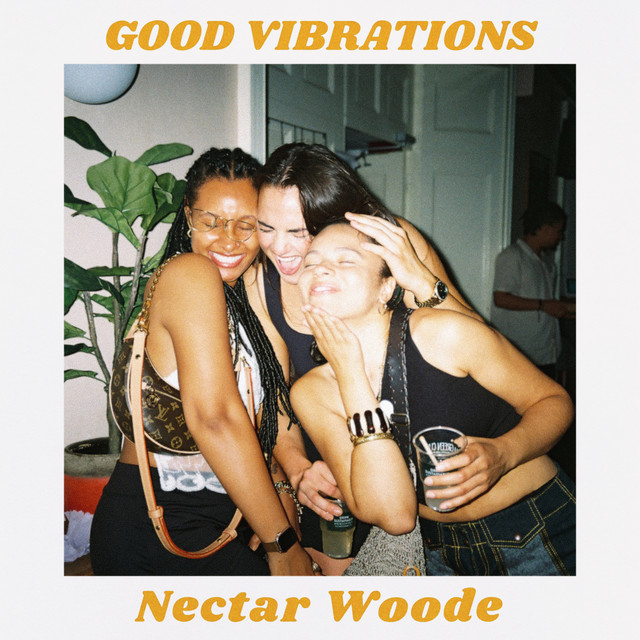
2. Good Vibrations
Brian Wilson’s sonic architecture here was nothing short of revolutionary, pushing the boundaries of pop into orchestral, almost symphonic territory. The guitar, when it appears, isn't always upfront, but it's part of a meticulously layered soundscape, adding texture and shimmer. It’s less about a single riff and more about the collective tapestry, a studio creation that dared to dream bigger than any three-minute single had before. A true psychedelic pop masterpiece.
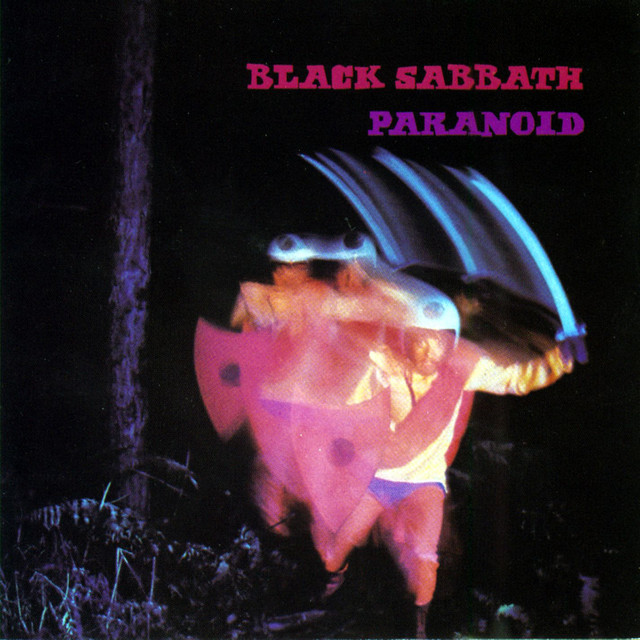
3. Paranoid (Remaster)
Tony Iommi’s riff here is the blueprint for a thousand heavy bands. It’s not flashy, but it's utterly monolithic, a down-tuned, ominous chug that became the very spine of metal. That relentless, driving rhythm, coupled with Ozzy's distant wail, established a new kind of dread, a sonic weight that felt both primal and modern. This wasn't just rock; it was a warning, a rumbling from the industrial heartland.

4. Anarchy in the U.K. (Acoustic)
Stripped bare, the visceral snarl of 'Anarchy' still cuts deep. Without the electric frenzy, you hear the sheer audacity of Johnny Rotten's sneer and the urgent, almost desperate, rhythm of the chords. It proves the song's power wasn't solely in distortion or volume, but in its core message and raw energy. The acoustic format exposes the skeletal structure, revealing a punk rock anthem that could incite a riot with just a few chords and a voice.
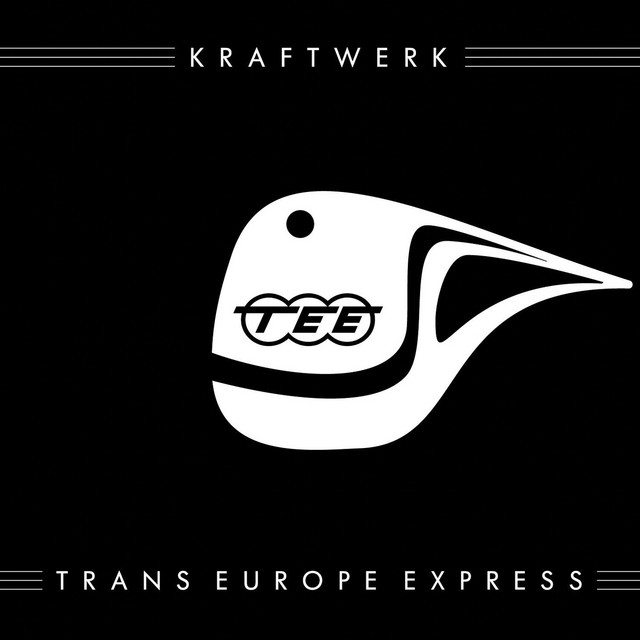
5. Trans-Europe Express (2009 Remaster)
While the title speaks of 'guitars,' Kraftwerk proved the machine itself could sing. This track, with its relentless, synthesized pulse and cool, metallic sheen, didn't just break the machine; it *built a new one*. It’s a testament to how electronic minimalism could evoke travel, industry, and even emotion, rendering the traditional rock band setup almost quaint. This was the sound of the future arriving, bypassing the need for six strings altogether.
6. Billie Jean (Hoodtrap)
Taking a funk-infused pop behemoth and re-routing its pulse through a trap lens is a bold move. The original’s iconic bassline still drives it, but now it’s draped in darker, sparser beats and a heavier sub-bass presence. It’s a fascinating recontextualization, demonstrating how foundational grooves from the soul and disco era can be twisted and reshaped for new generations, proving their timeless potency in a different sonic landscape.