

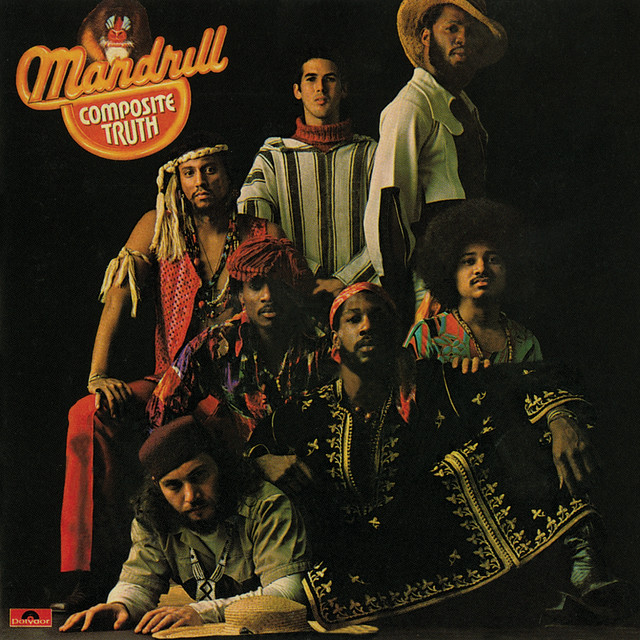
1. Composite Truth
This record, recorded with analog precision, established a harder edge for funk, pushing beyond the Stax sound's initial grooves. The rhythm section, thick and unrelenting, laid down patterns that felt both ancient and futuristic. Guitar work was sharp, almost psychedelic, while horns punctuated with a raw, undeniable force. And the album’s overall production, warm and full, allowed every instrument to breathe, crafting a sonic landscape that was deeply immersive and utterly foundational for what came next in the 70s.
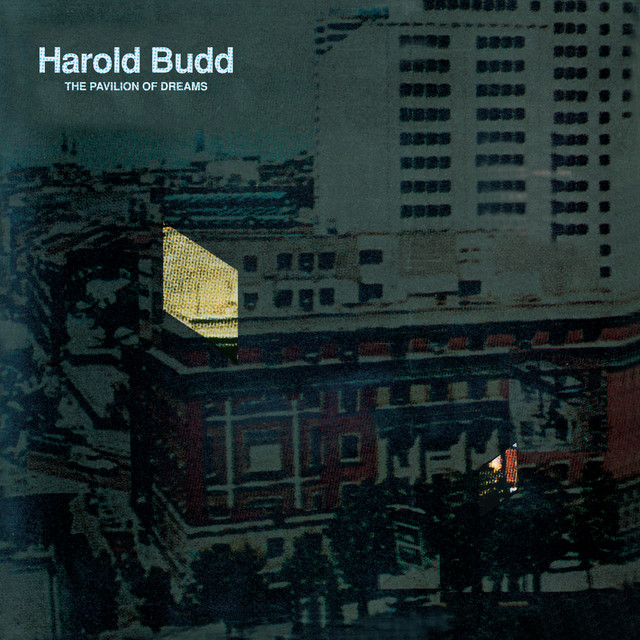
2. The Pavilion Of Dreams
Henderson, with this record, truly demonstrated the elastic possibilities of jazz-fusion, charting new territory beyond the established electric explorations. His trumpet, often processed through early effects, soared over a complex, yet incredibly fluid rhythmic foundation, incorporating elements of funk and rock without losing its improvisational core. The interplay between instruments, captured with an organic studio feel, was nothing short of telepathic. And this was sophisticated music, pushing harmonic and rhythmic boundaries in a way few others dared.
3. Grauzonen - Die Welt hinter den Nachrichten (Ungekürzt)
Budd's work here, recorded live to two-track, was a profound statement in ambient composition, a gentle but firm rejection of bombast. Its sparse piano figures, often joined by celestial vocals and subtle orchestral textures, unfolded with a patient, almost spiritual grace. This wasn't merely background music; it demanded attention through its delicate expansiveness, creating vast, internal spaces. And the analogue warmth of the recording gave it a timeless, dreamlike quality that felt both intimate and infinite.
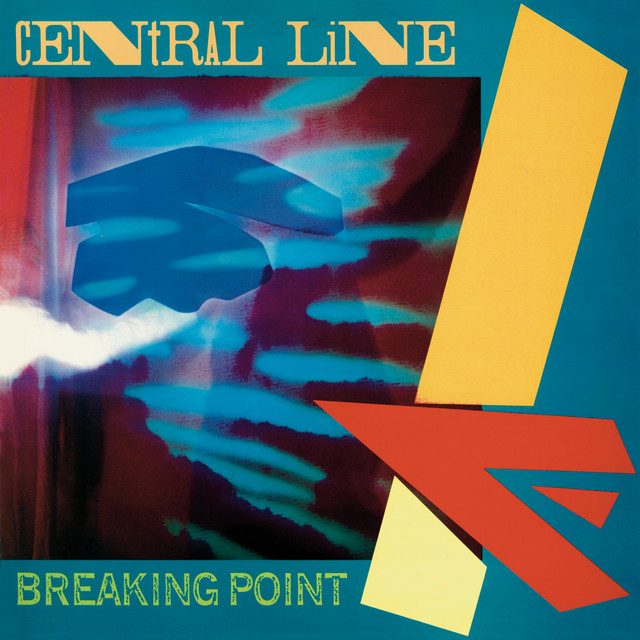
4. Breaking Point
From the precise, almost skeletal drum machine patterns to the detached, spoken-word vocals, Grauzone defined a certain cold, calculated romance inherent to early 80s European new wave. The synthesisers weren't just ornamentation; they built stark, angular landscapes, often dissonant, always compelling. This was music for stark urban nights, reflecting a post-punk sensibility filtered through electronic austerity. And the production, clean yet chilling, perfectly captured its detached, minimalist allure, a pre-digital blueprint for atmospheric tension.

5. October File
This album delivered a potent blend of post-punk gloom and art-rock precision, distinguished by its tight, propulsive rhythms and angular guitar lines. There was a brooding intensity, a sense of controlled urgency that permeated every track. The vocals, often deadpan, added to the atmospheric chill, painting vivid, often bleak, sonic pictures. And the production, raw yet spacious, allowed the intricate instrumental textures to truly resonate, making it a foundational piece for the darker, more introspective corners of the early 80s.