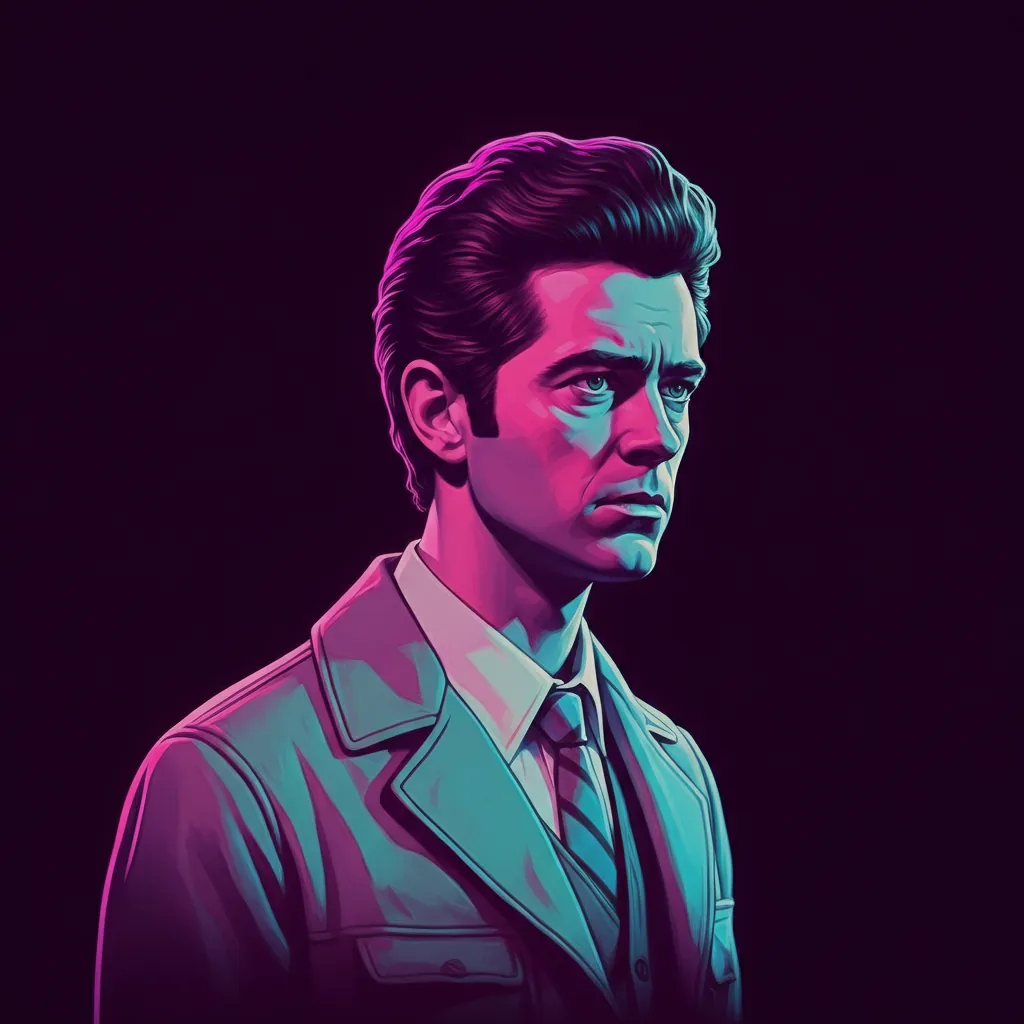


1. Naked City
And that was the city itself, a character. Not some backlot set, but actual New York, stark and real in black and white. You saw the grime, the hurried steps. It was an early look at how stories could breathe outside the studio walls, almost like a moving photograph. Each week, a new slice of life, a different trouble, but always that unmistakable hum of the metropolis. A real departure from the stage-bound dramas.

2. The Fugitive
Now, this was a commitment. Week after week, Dr. Kimble was on the run, relentlessly pursued, never quite safe. This wasn’t just an episode; it was a chapter in a much larger book, building suspense over years. Black and white, yes, but the tension was in living color. It taught us that television could tell a story that didn’t wrap up neatly in an hour, inviting you back, hook, line, and sinker, for the next twist.
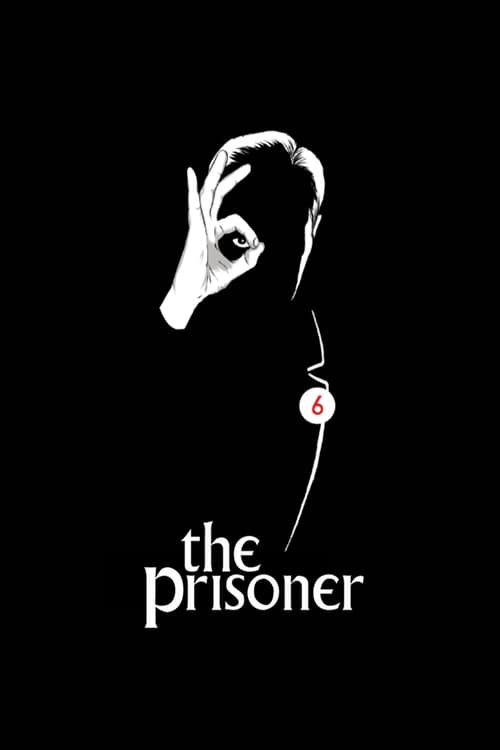
3. The Prisoner
Well, this one made you scratch your head, didn't it? Number Six, trapped in that bizarre village. It wasn't like anything else on the tube. The whole thing was a puzzle, a mind game, shot with a kind of deliberate strangeness. You didn't always understand it, but you couldn't stop watching. It broke the mold, showing that television could be more than just entertainment; it could be a challenge, an argument, a whole different world.
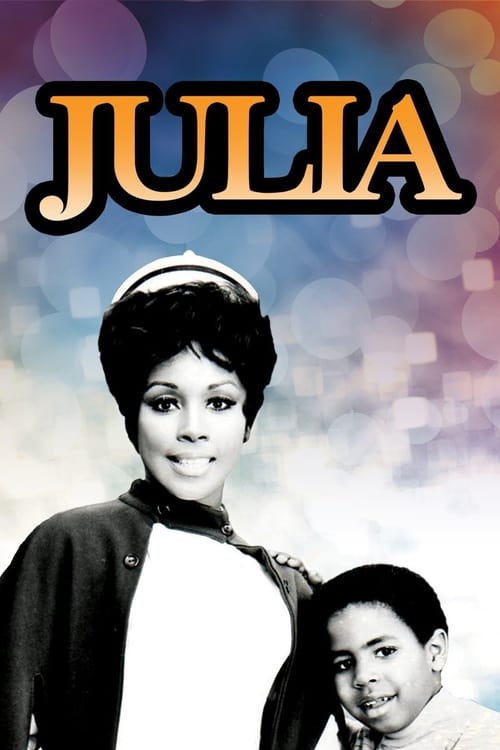
4. Julia
And then there was Julia, a Black woman, a nurse, raising her son. It was a simple setup, a gentle sitcom, but its very existence was a quiet earthquake. No big speeches, no heavy-handed lessons, just a capable, professional woman living her life. It just *was*. It showed that television could reflect a broader world, not by making a fuss, but by simply, naturally, being there. A step forward, plain and clear.
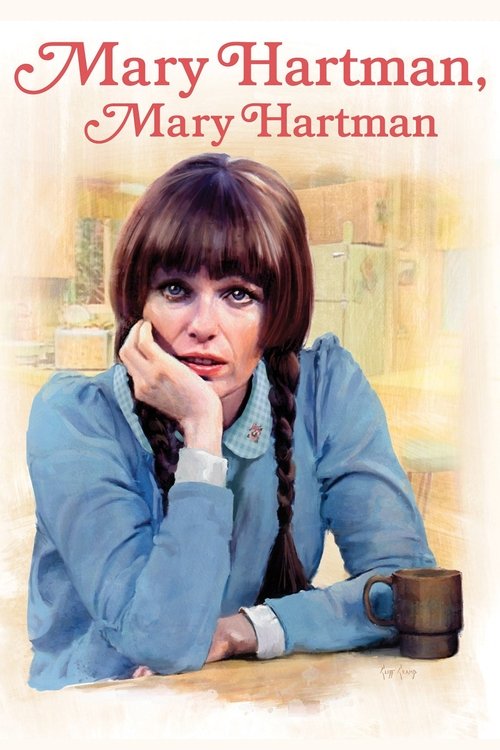
5. Mary Hartman, Mary Hartman
This one was truly something else. A spoof, yes, but a very dark, very strange one. It took the everyday absurdities of life and blew them up into a serialized, almost surreal melodrama. Mary's vacant stare, the bizarre events unfolding around her—it felt like a dream you couldn't quite shake off. It stretched the boundaries of what a comedy, or any show for that matter, could be, making you laugh uncomfortably.
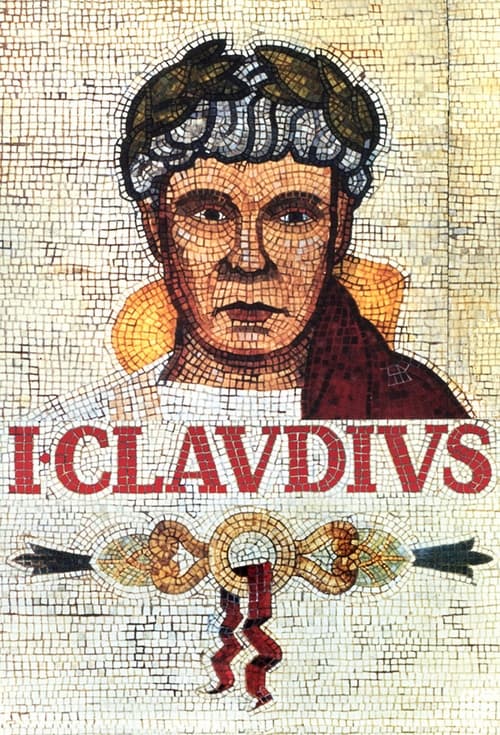
6. I, Claudius
Now, this was a proper epic, wasn't it? All those Roman emperors, the backstabbing, the sheer sweep of history. It was a miniseries, something we were just getting used to, letting a story truly unfold over several nights. The BBC, they knew how to do it. The acting was tremendous, theatrical almost, but it held you captive, proving that intelligent, dense drama could find a home on the home screen, demanding your full attention.