
1 / 6

1. The Fugitive
That Dr. Richard Kimble, always running. Black-and-white, of course, giving the whole affair a stark, urgent feel. You really felt for the man, wrongly accused of killing his wife, forever searching for the one-armed man. It was a new kind of storytelling for television, a long chase that kept you glued week after week, wondering if he'd ever find peace. David Janssen made you believe every ounce of his desperation. A true dramatic marathon, quite unlike anything before it.
2 / 6
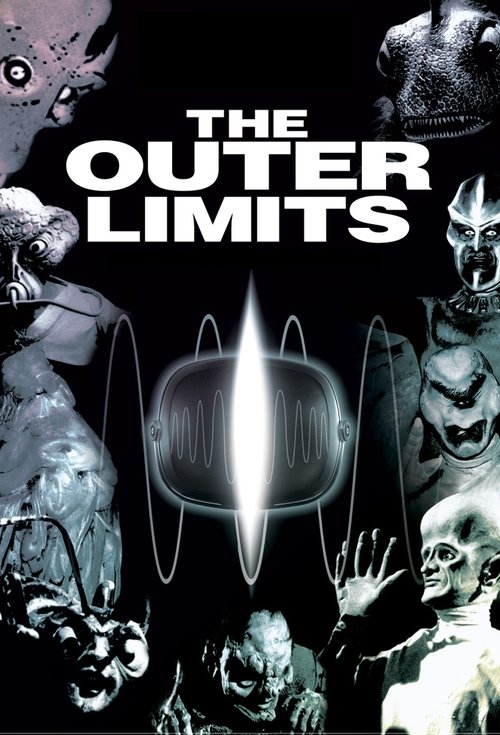
2. The Outer Limits
"There is nothing wrong with your television set." That opening line still sends a shiver. This wasn't just space aliens; it was often something much stranger, more psychological. Those creature designs, sometimes crude, yet so effective in black-and-white, burned into your memory. It was an anthology, yes, but every week offered a unique, often unsettling look at humanity's fears and possibilities. It truly pushed the boundaries of what a half-hour could make you think about.
3 / 6
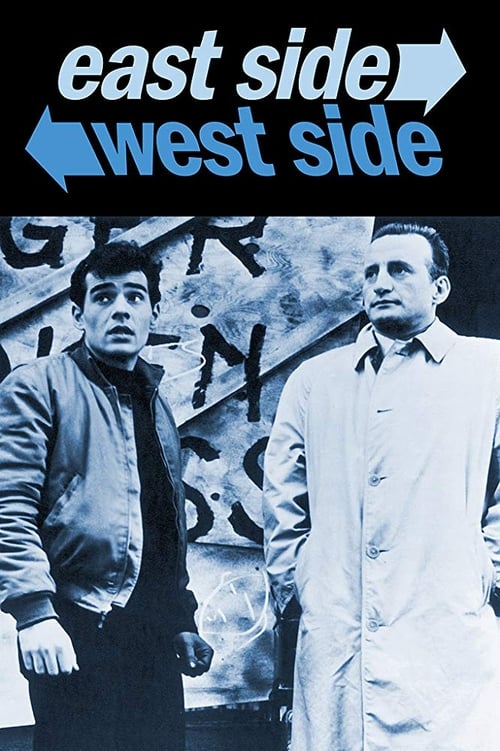
3. East Side/West Side
George C. Scott, straight out of the theater, bringing a raw intensity to the small screen. This show wasn't afraid to tackle the grim realities of social work in New York. You saw the struggles, the systemic problems, all laid bare in crisp black-and-white. It was gritty, serious drama, a departure from the usual escapism. Perhaps it was too real for some, but it showed what television could achieve when it dared to be unflinching.
4 / 6

4. The Many Loves of Dobie Gillis
Oh, Dobie. Always pining for a girl, always a dollar short. This was a classic sitcom setup, but with a unique charm. Dobie broke the fourth wall, sharing his philosophical woes directly with us. And then there was Maynard G. Krebs, the beatnik sidekick, a cultural phenomenon in his own right. It was light, funny, and surprisingly clever, capturing teenage angst before it was even a common phrase. A real gem.
5 / 6
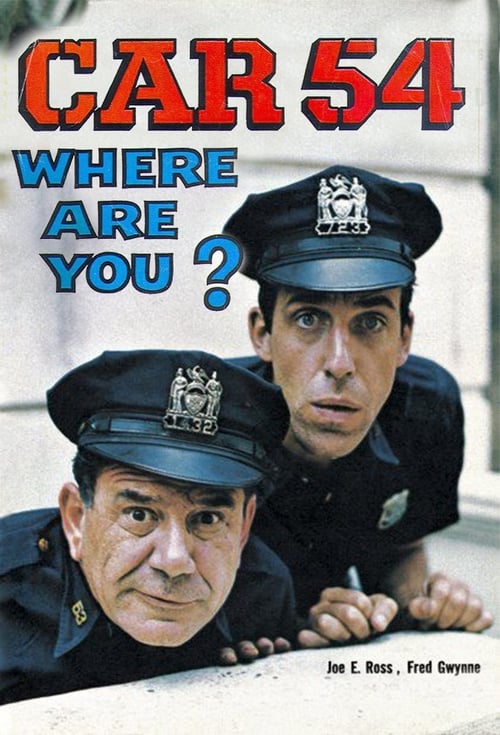
5. Car 54, Where Are You?
Now, here was a pair. Officer Toody and Officer Muldoon, patrolling the Bronx in their squad car. Fred Gwynne and Joe E. Ross were a perfect comedic duo, one blustery, the other straight-laced. It was pure slapstick, a domestic comedy in uniform, with all sorts of small-town antics unfolding. You didn't tune in for high drama, just for a good chuckle and some harmless fun. Simple, effective, and always good for a laugh.
6 / 6
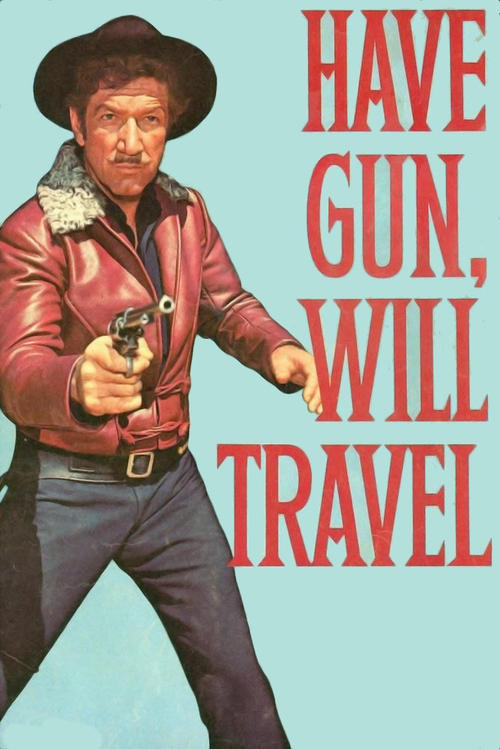
6. Have Gun, Will Travel
Paladin. What a character. A man of culture, living in San Francisco's finest hotel, yet ready to ride out and solve problems with his Colt. Richard Boone gave him such gravitas, an intellectual gunslinger who only used violence as a last resort. Each episode felt like a contained play, exploring morality in the Wild West. It was more than just a shoot-em-up; it was thoughtful, intelligent, and always compelling.