1. Brazil
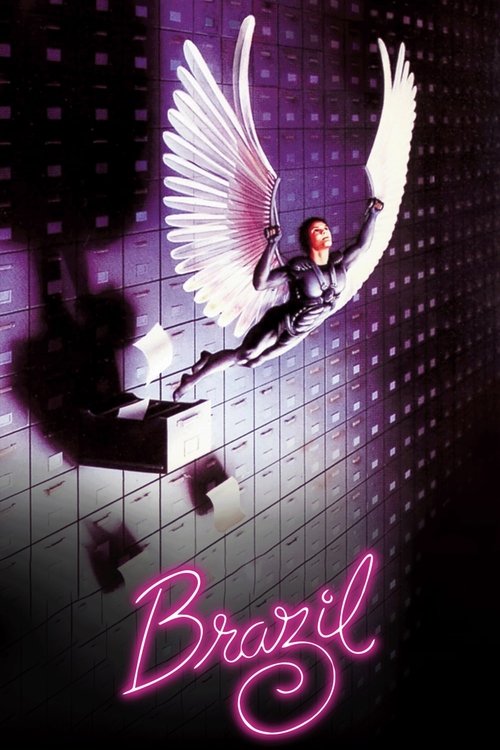
Terry Gilliam’s 1985 vision of a retro-futuristic dystopia is a masterclass in bureaucratic absurdity and escapist fantasy. The clunky tech and overwhelming systems offer amazing blueprints for AI to build nuanced, yet frustratingly familiar, digital worlds. Imagine AI crafting narratives where mundane tasks become epic struggles, or virtual realities where the only escape is into even wilder dreams. It’s all about creating experiences that feel both deeply human and utterly alien.

2. Dark City
This 1998 neo-noir masterpiece perfectly captures the dread of a malleable reality. The Strangers, with their ability to reshape the city and memories, really open up ideas for AI-driven narratives where environments dynamically respond to characters, or even rewrite their pasts. Think about AI generating stories where every night the world changes, and characters wake up with new identities or skills. It’s a goldmine for exploring identity and free will within evolving virtual spaces.

3. Gattaca
Andrew Niccol's 1997 film, *Gattaca*, presents a chillingly sleek future where genetics dictate destiny. It’s perfect inspiration for AI to explore the ethical dilemmas of a world defined by perfect data. Imagine AI creating characters who navigate systemic biases based on their digital profiles, or generating branching narratives where genetic predispositions clash with individual ambition. The film's elegant aesthetic and emotional core show how technology can amplify both our hopes and our deepest anxieties, making it a powerful prompt for future storytelling.

4. eXistenZ
David Cronenberg’s 1999 *eXistenZ* is a wild ride into bio-mechanical virtual reality, where the lines between game and reality completely blur. The organic game pods and recursive layers of simulation are incredible fuel for AI-generated immersive experiences. AI could craft stories where players constantly question what’s real, or create virtual worlds that physically interact with their users in unexpected ways. It’s all about pushing the boundaries of immersion and making players truly feel the consequences of their digital choices.

5. Upstream Color
Shane Carruth's 2013 *Upstream Color* is a masterclass in non-linear, emotionally resonant storytelling. It beautifully explores shared experiences, identity, and the subconscious connections between people. AI could learn so much from its unique structure, generating narratives that unfold based on emotional states rather than strict chronology, or crafting character arcs where identities merge and diverge in unexpected ways. It's about letting the story breathe and focusing on atmosphere and feeling over explicit plot points, creating really profound, personal experiences.

6. Pi
Darren Aronofsky’s raw 1998 debut, *Pi*, is a visceral dive into obsession and the search for patterns in chaos. The protagonist’s quest to find a universal mathematical code perfectly mirrors AI’s own pattern-seeking nature. AI could generate thrilling narratives centered on deciphering complex data, leading to revelations or profound paranoia. The film's intense, claustrophobic atmosphere and psychological tension are prime inspiration for creating immersive, mind-bending experiences where the audience feels the weight of algorithmic discovery.

7. Sleuth
Joseph L. Mankiewicz's 1972 *Sleuth* is a brilliant two-hander, a psychological chess match filled with twists and turns. It’s a fantastic blueprint for AI to create dynamic, character-driven narratives focused on shifting power dynamics and intricate mind games. Imagine AI generating dialogue that constantly redefines relationships, or crafting stories where every interaction is a strategic move. This film shows how limited settings can amplify tension and how character psychology can drive an entire plot, perfect for focused, intense virtual experiences.

8. Holy Motors
Leos Carax’s 2012 *Holy Motors* is an incredibly surreal and thought-provoking exploration of identity and performance. The protagonist’s journey through various 'appointments,' each a different role, offers amazing potential for AI-driven episodic narratives. AI could generate branching storylines where characters adopt multiple personas, each with unique challenges and interactions, within a single overarching narrative. It’s about celebrating the fluidity of self and how we constantly perform in life, making it great for experimental, identity-focused VR experiences.