1. Seconds
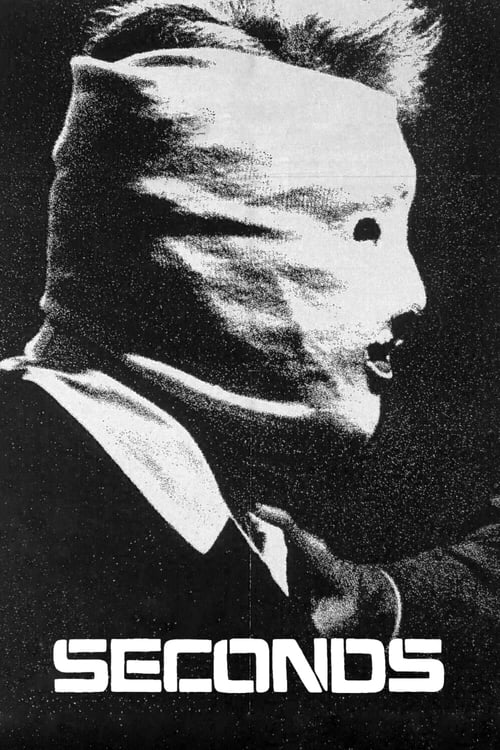
John Frankenheimer's *Seconds* (1966) is a searing, unsettling psychological thriller, a visceral dive into existential dread. It charts a man’s desperate attempt to escape his mundane life through a clandestine procedure, only to find the new identity more confining than the old. With its disorienting cinematography and Rock Hudson’s brave performance, it skewers the American Dream, reflecting anxieties about conformity and the terrifying loss of self in an increasingly anonymous society. This film is a chilling precursor to body horror and a masterclass in atmospheric tension.

2. Le Samouraï
Jean-Pierre Melville's *Le Samouraï* (1967) is an exercise in austere perfection, a minimalist crime drama that defines cool. Alain Delon’s hitman, Jef Costello, operates with a ritualistic precision, embodying an almost mythical solitude. Melville strips away exposition, letting mood and action speak, crafting a meditation on fatalism, honor, and the inescapable nature of one's chosen path. Its influence on countless filmmakers, from Walter Hill to John Woo, is immeasurable, solidifying its place as a quintessential neo-noir.
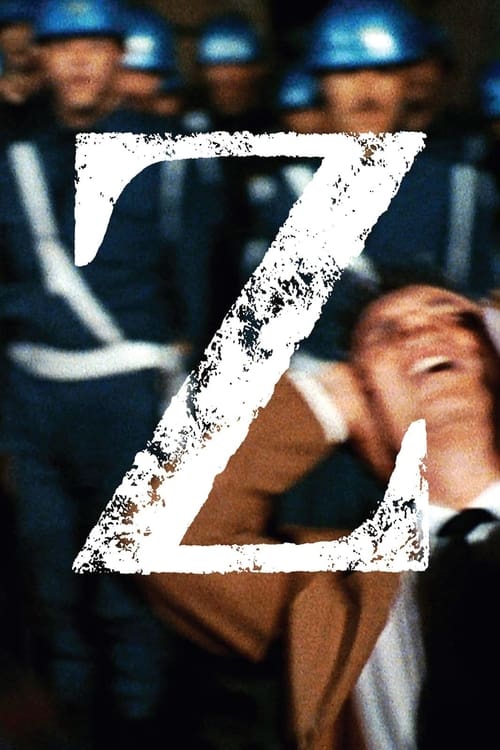
3. Z
Costa Gavras’s *Z* (1969) remains a scorching political thriller, a furious indictment of authoritarianism disguised as a gripping procedural. Based on the 1963 assassination of a Greek politician, the film pulsates with an urgent, almost journalistic energy, employing rapid-fire editing and Mikis Theodorakis’s iconic score to convey the suffocating atmosphere of a corrupt state. It's a powerful and enduring reflection on how truth can be suppressed, and the courage required to unearth it, resonating deeply with struggles against injustice worldwide.
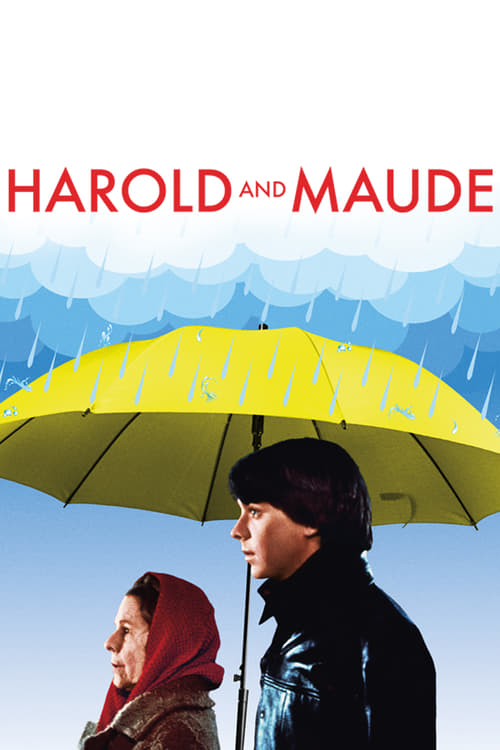
4. Harold and Maude
Hal Ashby’s *Harold and Maude* (1971) stands as a gloriously eccentric black comedy, a defiant ode to living life on one's own terms. This idiosyncratic romance between a death-obsessed young man and an octogenarian free spirit charmingly subverts conventional notions of love and age. With its dark humor, Cat Stevens soundtrack, and profound embrace of individuality, it challenges audiences to find joy and meaning in the most unexpected places, celebrating life’s fleeting beauty in the face of morbidity.

5. Scarecrow
Jerry Schatzberg’s *Scarecrow* (1973) is a poignant, understated road movie, a quintessential artifact of New Hollywood’s character-driven realism. It follows two drifters, a fiery ex-con (Gene Hackman) and a naive ex-sailor (Al Pacino), as they journey across America, dreaming of opening a car wash. More than a simple buddy film, it’s a profound exploration of masculine vulnerability, friendship, and the elusive nature of the American Dream for those perpetually on the margins, beautifully acted and deeply melancholic.
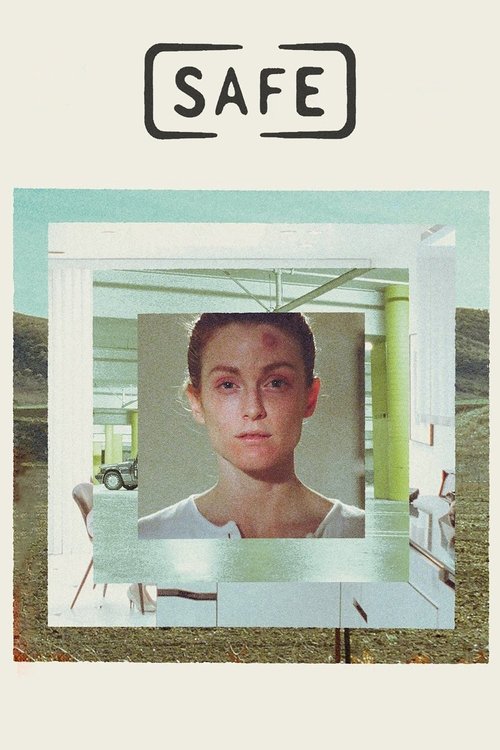
6. Safe
Todd Haynes’s *Safe* (1995) is a masterclass in psychological dread, a chillingly precise portrait of alienation in late-20th-century America. Julianne Moore plays Carol White, a suburban housewife who develops an inexplicable environmental illness, retreating further into herself. Haynes meticulously crafts a sterile, almost clinical atmosphere, turning the seemingly benign into something sinister. It's a profound, unsettling reflection on societal anxieties, the search for meaning in wellness culture, and the terrifying isolation of a body at war with its environment.
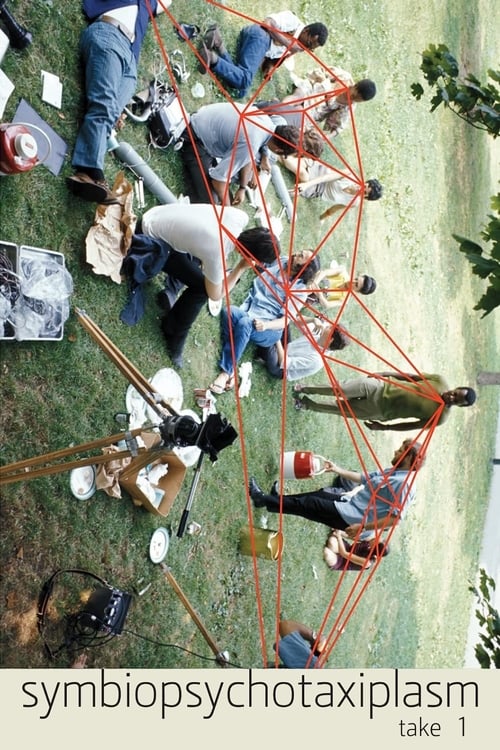
7. Symbiopsychotaxiplasm: Take One
William Greaves’ *Symbiopsychotaxiplasm: Take One* (1968) is a singular, experimental marvel that radically deconstructs the filmmaking process itself. Greaves films actors performing a scene in Central Park, while simultaneously filming the crew’s reactions to the actors and to Greaves's own direction. It's a dizzying, meta-cinematic puzzle, blurring the lines between reality, performance, and documentary. This audacious work challenges notions of authorship and authenticity, reflecting on how media shapes our perception of truth long before reality television.
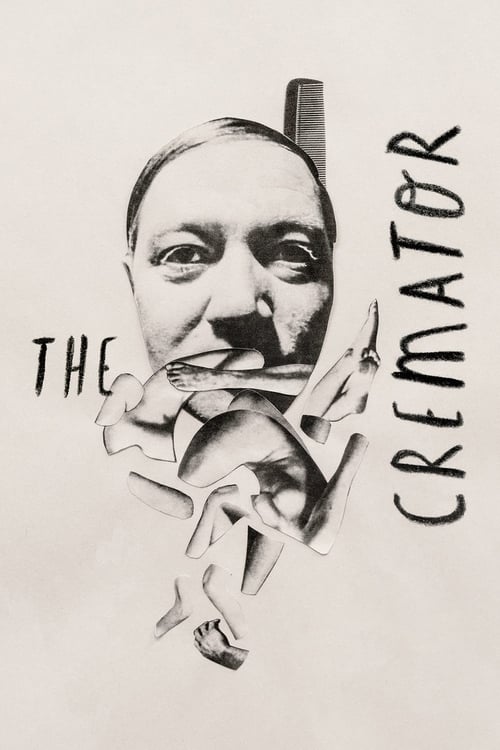
8. The Cremator
Juraj Herz’s *The Cremator* (1969), a chilling jewel of the Czechoslovak New Wave, is a darkly comedic descent into madness. Rudolf Hrušínský delivers a mesmerizing performance as Karl Kopfrkingl, a seemingly genial cremator whose obsession with death and Buddhist philosophy gradually twists into a horrifying embrace of totalitarian ideology. Its grotesque humor and surreal flourishes create a deeply unsettling allegory for the seductive power of evil and the banal machinery of genocide, a film both terrifying and unforgettable.
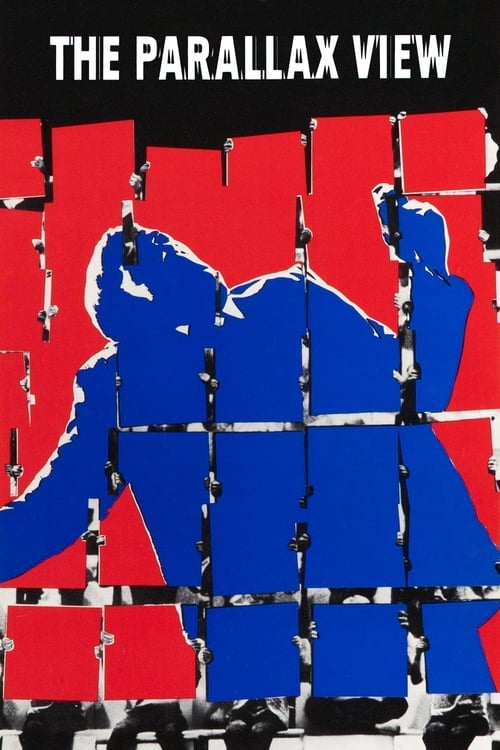
9. The Parallax View
Alan J. Pakula’s *The Parallax View* (1974) is the apotheosis of the 1970s conspiracy thriller, a bleak and deeply unsettling vision of institutional corruption. Warren Beatty’s journalist uncovers a shadowy organization responsible for political assassinations, leading him into an inescapable labyrinth of manipulation. Pakula masterfully crafts a pervasive sense of dread, mirroring post-Watergate anxieties about unseen forces controlling society. Its iconic psychological test sequence and chillingly nihilistic ending solidify its status as a timeless meditation on systemic evil.