1. Liquid Television
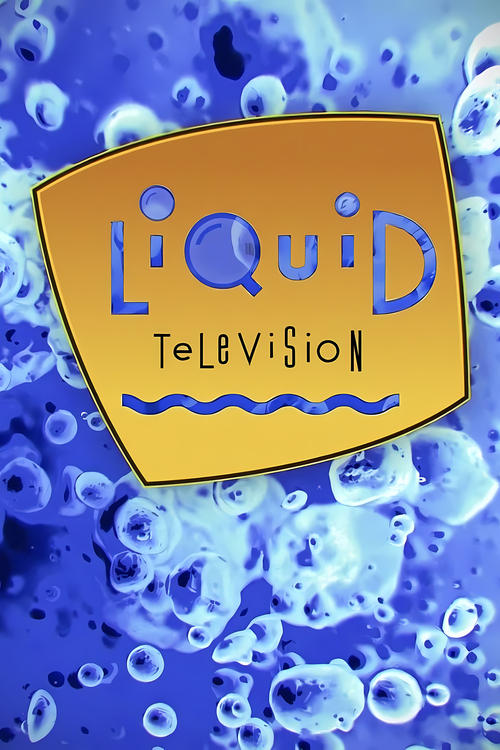
Man, MTV was a wild west back then, throwing anything at the screen to see what stuck. 'Liquid Television' was the ultimate analog mash-up, a Frankenstein's monster of short-form animation and experimental weirdness. It birthed 'Beavis and Butt-Head' and 'Æon Flux' from its chaotic womb, but the real magic was the sheer, unadulterated punk energy. It felt like channel surfing through a dream, catching glimpses of brilliance and pure, unhinged creativity that today's sterile algorithms couldn't even fathom.
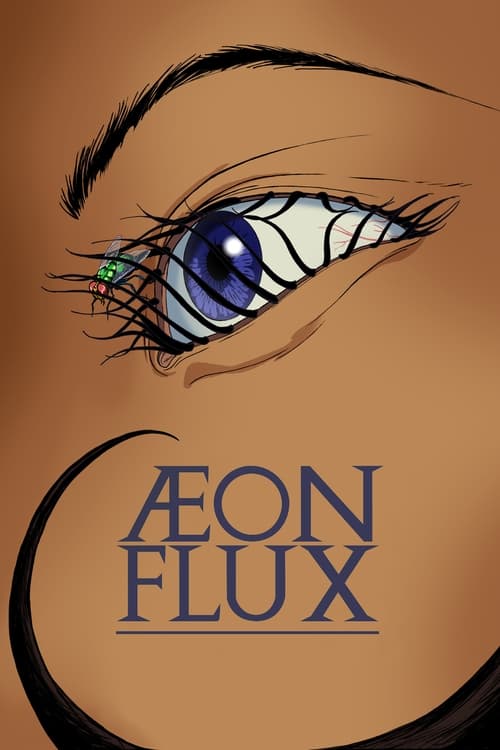
2. Æon Flux
Before the full-blown series, the original 'Æon Flux' shorts on 'Liquid Television' were something else. No dialogue, just pure kinetic storytelling, hyper-stylized animation, and a protagonist who was all sharp angles and deadly grace. It was a fever dream, a cyberpunk ballet of espionage and existential dread. The early analog effects, the almost crude but deliberate character design – it all screamed 'future' in a way that felt dangerous and utterly unique. This was animation pushing boundaries, not just selling toys.
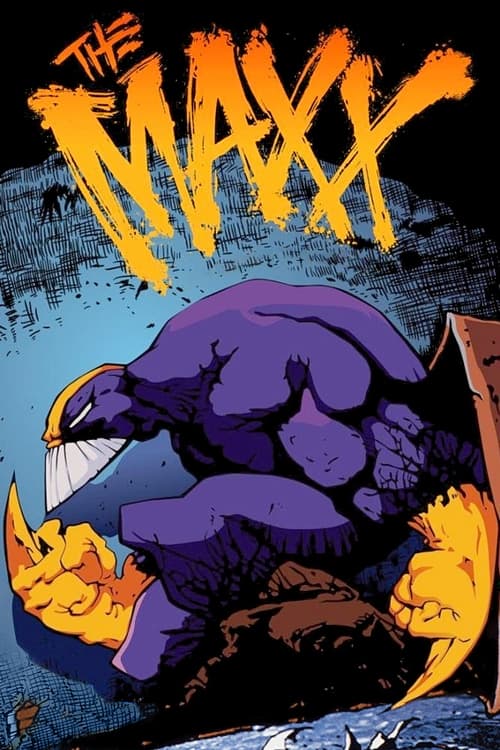
3. The Maxx
When MTV brought 'The Maxx' to animated life, it wasn't just another cartoon. It was a jagged, unsettling dive into the subconscious, pulled straight from Sam Kieth's twisted comic pages. The animation style, with its rough edges and sudden shifts, felt like a direct transmission from a forgotten cable channel. It tackled trauma and reality-bending in a way that defied typical Saturday morning fare. And yeah, it was dark, messy, and totally unforgettable – a real gem from the era when animation dared to be truly weird.
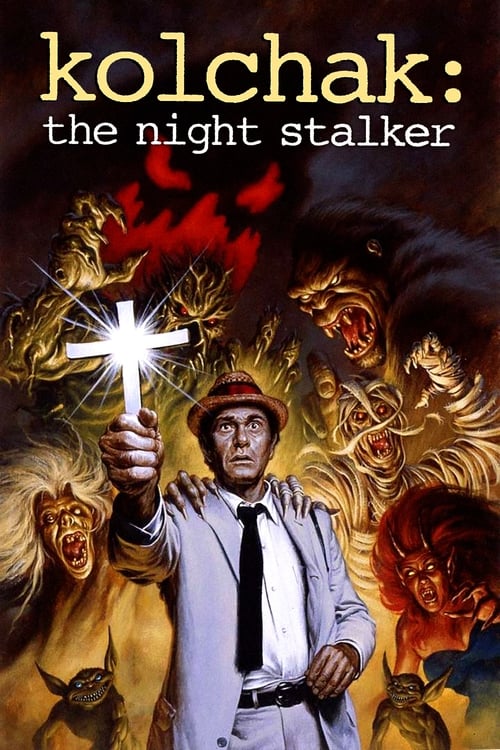
4. Kolchak: The Night Stalker
Before Mulder and Scully, there was Carl Kolchak, a rumpled reporter chasing ghouls and vampires in the dead of night. This syndicated gem wasn't about flashy effects; it was about the atmosphere, the relentless pursuit of truth in a world that refused to believe. Darren McGavin's performance was the heart of it, a weary everyman fighting monsters with a camera and a notebook. It proved that good storytelling and practical scares could still get under your skin, even on a shoestring budget. A true proto-cult classic.
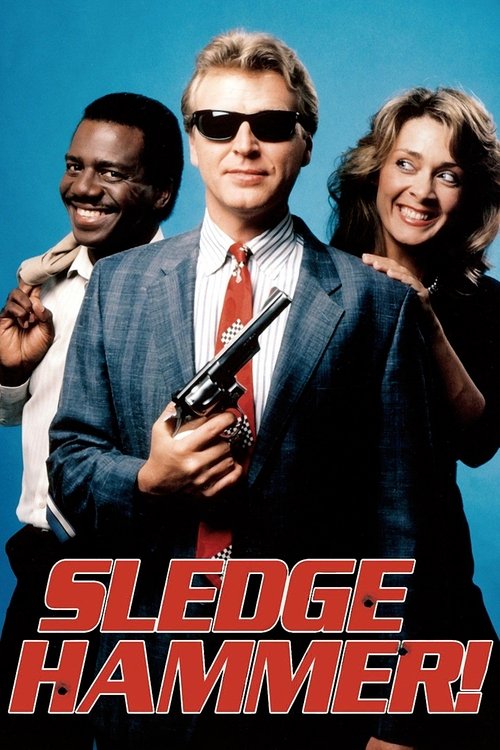
5. Sledge Hammer!
You want maximalism? 'Sledge Hammer!' delivered it with a bang. This show was a glorious, over-the-top parody of every cop show cliché, starring a detective who loved his .44 Magnum more than life itself. It was absurd, politically incorrect in the best possible way, and consistently hilarious. The gags were broad, the situations ridiculous, and the self-awareness was off the charts. It was a syndicated miracle, a sharp, subversive comedy that knew exactly what it was and leaned into it hardcore. And it still holds up.

6. VR.5
This one was a glorious mess, a blink-and-you-miss-it sci-fi curiosity that tried to grapple with virtual reality before we even knew what that really meant. 'VR.5' had this moody, almost 'Twin Peaks'-esque vibe, mixed with early cyberpunk aesthetics and a protagonist who could hack people's subconscious. It was full of analog glitches, strange visuals, and a plot that often felt like a fever dream. A proto-genre hybrid that burned bright and fast, leaving a trail of intriguing, unresolved questions. Peak mid-90s experimental TV.
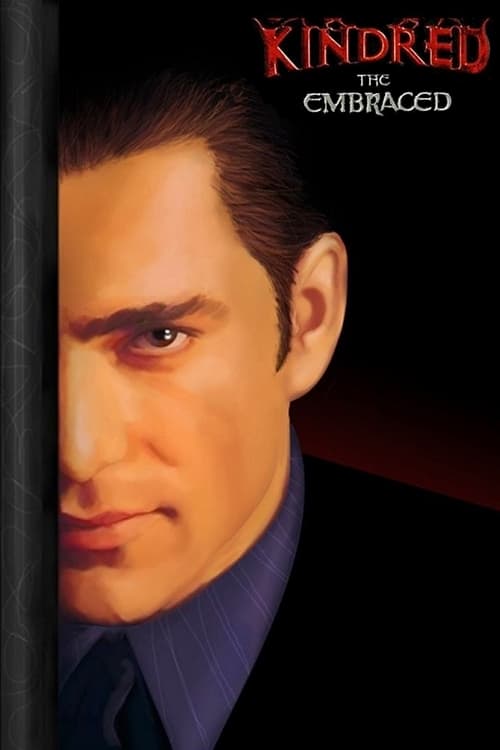
7. Kindred: The Embraced
Vampire soap opera done right, or at least, done with maximum melodrama. Based on the *Vampire: The Masquerade* RPG, this show delivered clandestine bloodsucker politics, intense romance, and a whole lot of brooding in leather. It felt like a dark, forbidden peek into a secret world, all gothic aesthetics and tangled loyalties. Sure, it was short-lived, but 'Kindred' packed more high-stakes angst and forbidden passion into its brief run than most shows manage in years. A truly underrated, vampiric cult item.
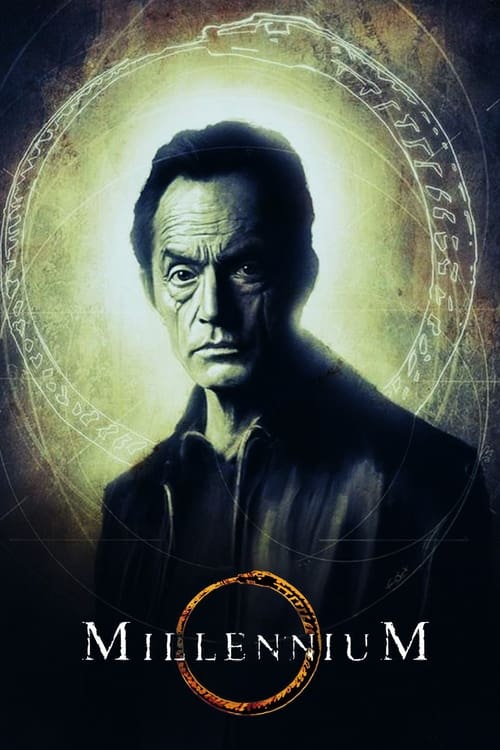
8. Millennium
Frank Black, man. This show was the antidote to 'The X-Files'' alien conspiracies, diving instead into the darkest corners of human evil. Chris Carter's follow-up was relentlessly bleak, exploring serial killers and the creeping dread of the approaching millennium. It wasn't always easy viewing, but the practical effects for the gruesome crime scenes and Lance Henriksen's haunted performance were magnetic. It was a deep, psychological horror ride, drenched in a pervasive sense of dread, and it left a mark.
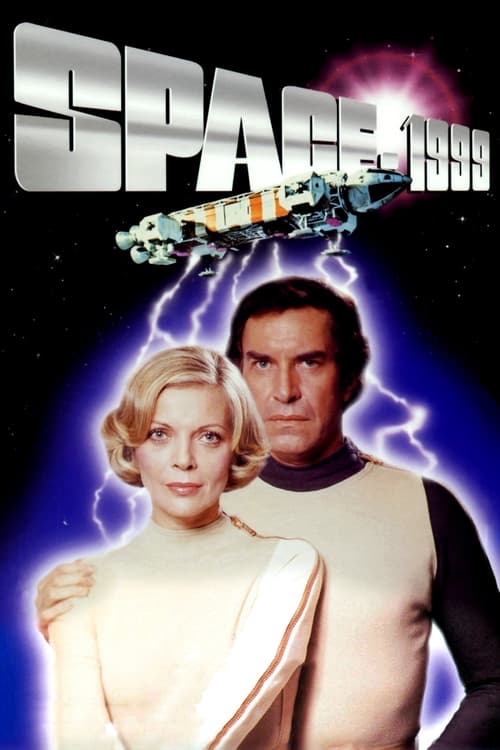
9. Space: 1999
Talk about practical visual oddities! 'Space: 1999' was British sci-fi doing its absolute best, with miniature work that still looks incredible. Moonbase Alpha, a runaway moon, and a rotating cast of cosmic threats – it was pure, unadulterated space opera. The costumes were wild, the alien designs often bizarre, and the plots could get pretty out there. It had that classic 70s future vibe, a grand ambition on a TV budget, and delivered some truly memorable, atmospheric space adventures. A gorgeous, strange beast.
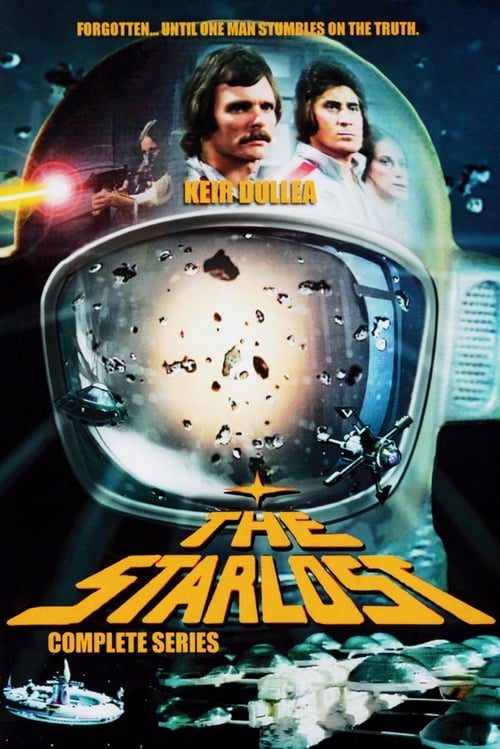
10. The Starlost
Canadian sci-fi from the early 70s, and oh boy, was 'The Starlost' a trip. A generation ship that's gone off course, pockets of humanity descended into strange mini-societies – it had a fantastic premise. The budget was notoriously tight, leading to some truly endearing, wonky practical effects and sets that screamed 'cardboard and tinfoil.' But underneath the charmingly low-fi aesthetic was a genuinely compelling, dystopian vision. It's a cult classic for its ambition, despite its limitations. A true space oddity.

11. UFO
Gerry Anderson's 'UFO' was next-level for its time, a pre-digital marvel of practical effects and slick future-tech design. Those purple-haired Moonbase operatives, the sharp-suited SHADO agents, the sleek interceptors – it was all incredibly stylish. The alien invaders and their plots were genuinely creepy, and the show had a surprisingly dark, serious tone for something that looked so vibrant. It was a foundational piece of sci-fi television, blending espionage with alien invasion in a way that felt utterly fresh and still holds up visually.