1 / 7
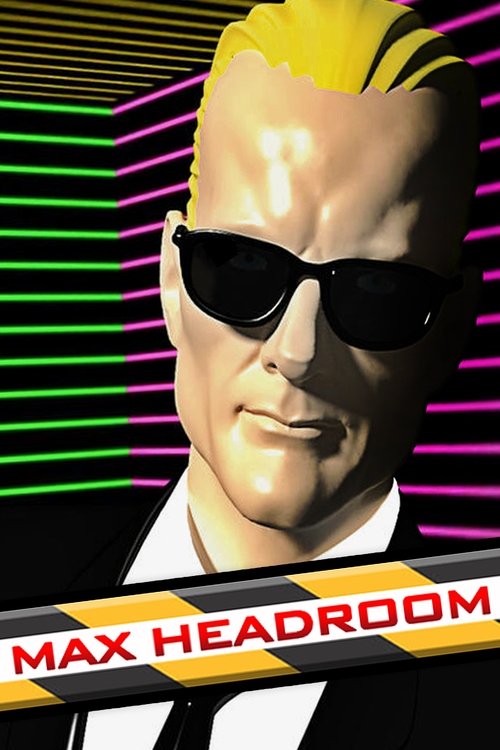
1. Max Headroom
Automan was peak 80s computer fantasy. This guy literally materialized from a screen, a glowing grid warrior with a pixelated sidekick and a car that turned corners at right angles. Yeah, the effects were clunky, but the ambition! It was like a Saturday morning cartoon crossed with a cop show, a truly bizarre, yet utterly captivating, visual oddity. You couldn't look away from that light-cycle action.
2 / 7
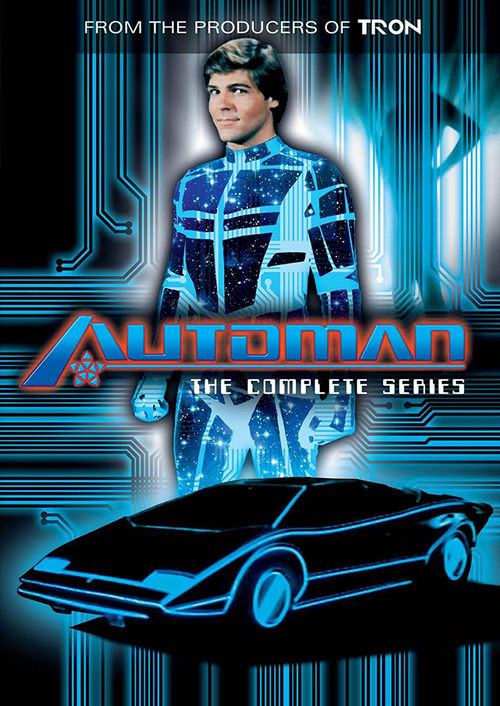
2. Automan
Before Mulder and Scully, there was Kolchak. This dude, a newspaper reporter with a fedora and a knack for stumbling into the supernatural, was pure syndicated gold. Monsters, vampires, aliens – he saw it all, and nobody ever believed him. It was dark, kind of gritty for its time, and those practical monster effects gave you the creeps. A genuine cult classic, setting the stage for future weirdness.
3 / 7
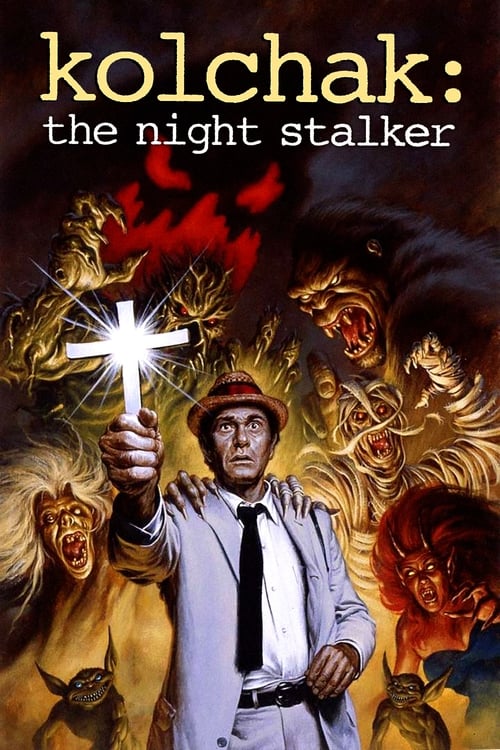
3. Kolchak: The Night Stalker
So, Blake's 7. This British sci-fi hit differently. It was low-budget, sure, but the ambition was massive. You had a crew of anti-heroes, fighting a totalitarian federation, stuck on a clunky but iconic spaceship. It was bleak, often cynical, and characters actually died. This wasn't your shiny Star Trek; this was a darker, grittier vision of space, a proper cult show that dared to be different.
4 / 7

4. Blake's 7
Captain Power was wild. A dystopian sci-fi show where humanity was almost wiped out by sentient machines, and you could actually *shoot* at your TV with a toy gun. The early CGI was rough, but the practical effects were awesome. It was dark, seriously dark for something aimed at kids, and experimented with interactivity long before anyone else. A brave, if flawed, step into the future of television.
5 / 7
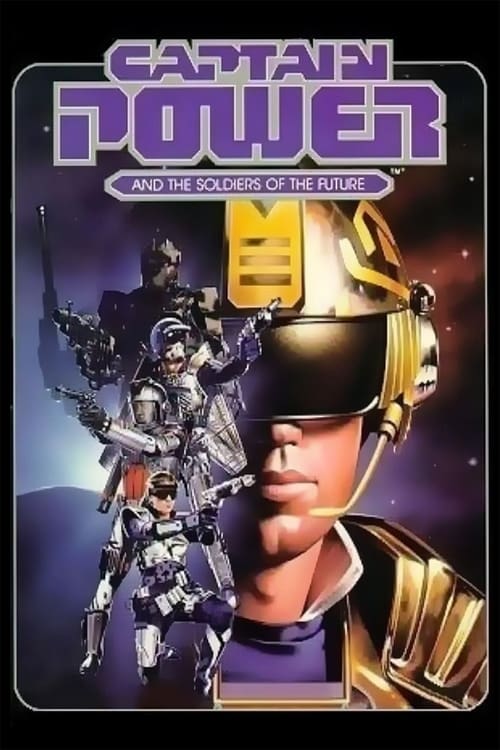
5. Captain Power and the Soldiers of the Future
And then there was The Young Ones. Total punk-adjacent chaos. Four students – a hippie, a punk, a pretentious sociology student, and a violent anarchist – sharing a house, breaking the fourth wall, and causing absolute mayhem. It was surreal, aggressive, and hilarious. The British humor, the music, the sheer refusal to conform to any sitcom rules – it was an experimental blast of pure anti-establishment energy.
6 / 7
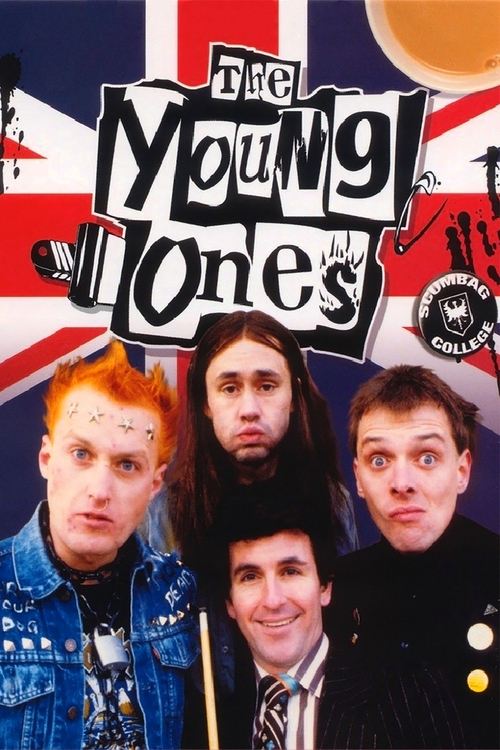
6. The Young Ones
Wiseguy was a revelation. It wasn't just another crime show; it dove deep into these multi-episode arcs, practically novel-length, exploring the lives and downfalls of its villains. Ken Wahl’s undercover agent, Vinnie Terranova, got lost in those worlds. It was soap-operatic in its maximalism, emotionally complex, and gritty. A sophisticated, serialized drama that really pushed what network TV could do.
7 / 7

7. Wiseguy
Forever Knight was a syndicated oddity, a brooding vampire cop working nights in Toronto. Nick Knight, cursed with immortality, just wanted to be human again, solving crimes while wrestling with his inner demons. It was dark, moody, and a little bit cheesy, but it had this unique blend of supernatural drama and police procedural. A forgotten gem that totally fit the weirdness of early 90s late-night TV.