1. Arrival
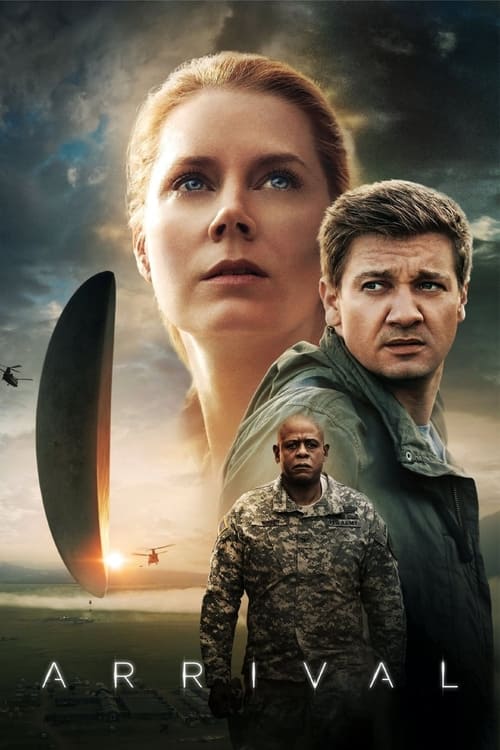
Arrival messes with how we perceive time, making you feel the struggle of understanding something truly alien. It explores language shaping our reality, showing how communication technology, even when conceptual, can completely rewire storytelling. And yeah, the visuals are just stunning, making the whole experience deeply emotional and thought-provoking. It's a masterclass in narrative structure, inviting us to connect in new ways.

2. Her
Her explores what happens when AI gets so advanced it feels genuinely human, maybe even more so. It makes you think about connection, loneliness, and the evolving nature of relationships in a world where virtual beings can offer profound companionship. The film paints a hopeful, yet complex, picture of future interactions, making you wonder about the boundaries of love and consciousness when technology blurs the lines. It’s pretty sweet, actually.
3. Blade Runner 2049
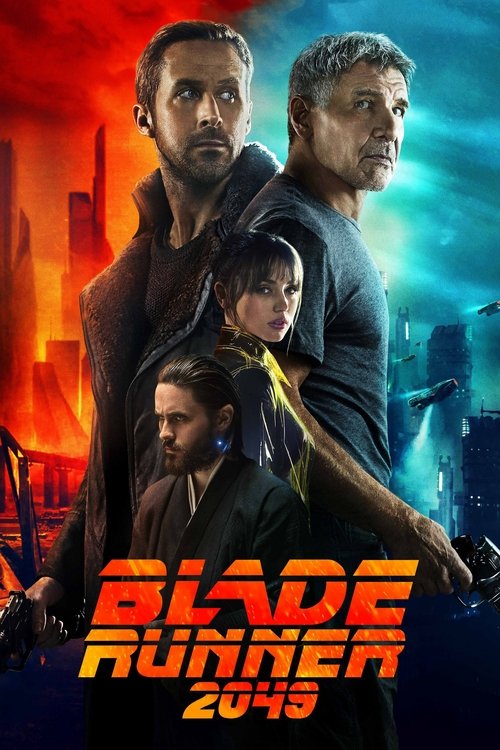
Blade Runner 2049 really expands on the original's vibe, exploring what it means to be real when synthetic life is indistinguishable. The world feels so lived-in, and the hologram companion, Joi, shows how virtual companions could shape emotional landscapes. It’s visually amazing, and also a really thoughtful look at memory, identity, and the blurring lines between human and AI in a future that feels eerily possible.
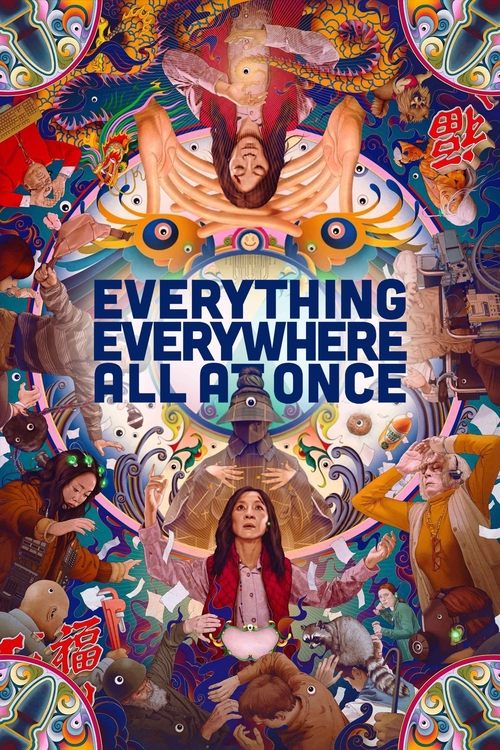
4. Everything Everywhere All at Once
This movie is just wild, in the best way! It throws you into a multiverse where every choice creates a new reality, making narrative possibilities explode. It’s a whirlwind of genres and visual styles, showing how storytelling can literally jump between dimensions, sometimes within a single frame. And underneath all the chaos, there's this really sweet, hopeful story about family and finding meaning. It’s an absolute game-changer for how we think about stories.
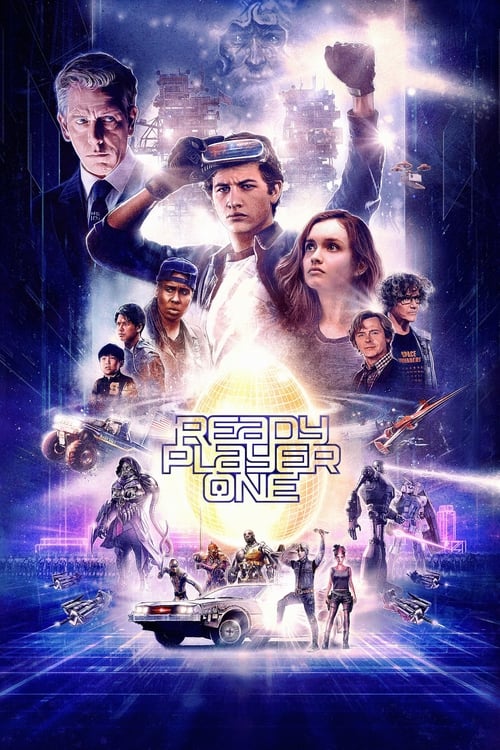
5. Ready Player One
Ready Player One is basically a love letter to virtual reality, showing off how a fully immersive digital world could become a second home. The OASIS acts as a place where identities are fluid and adventures are endless, way beyond just a game. It really highlights how VR can create narratives where you're not just watching, but almost participating, exploring vast digital landscapes and interacting with pop culture history in a whole new way.
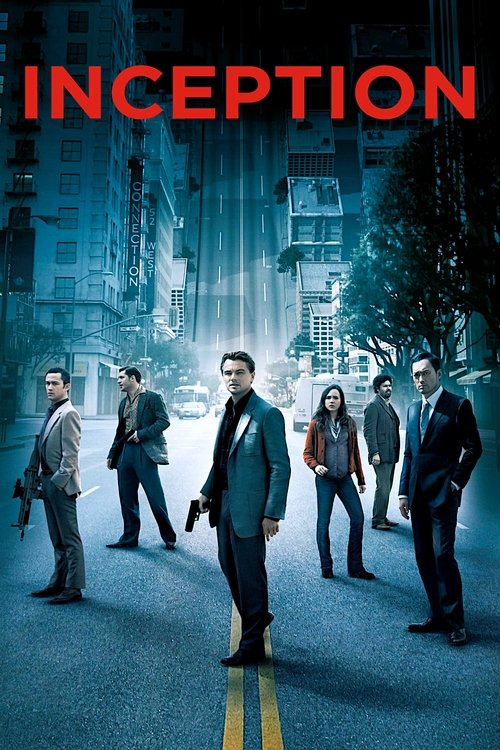
6. Inception
Inception just blew everyone's minds with its layered dreamscapes, making you question what's real and what's constructed. It’s a masterclass in narrative complexity, showing how stories can unfold simultaneously across different levels of consciousness. The whole idea of planting ideas through shared virtual realities feels super relevant to how we consume and create narratives today. It's so cool how it builds these intricate worlds within worlds.

7. Ex Machina
Ex Machina is super thought-provoking, showing an AI, Ava, who's so convincing you almost forget she's not human. It makes you think about consciousness and what it truly means to be alive, especially when cutting-edge AI is involved. The film's narrative unfolds like a psychological thriller, questioning our perceptions of control and creation, and really pushing the boundaries of what an AI character can represent in storytelling.
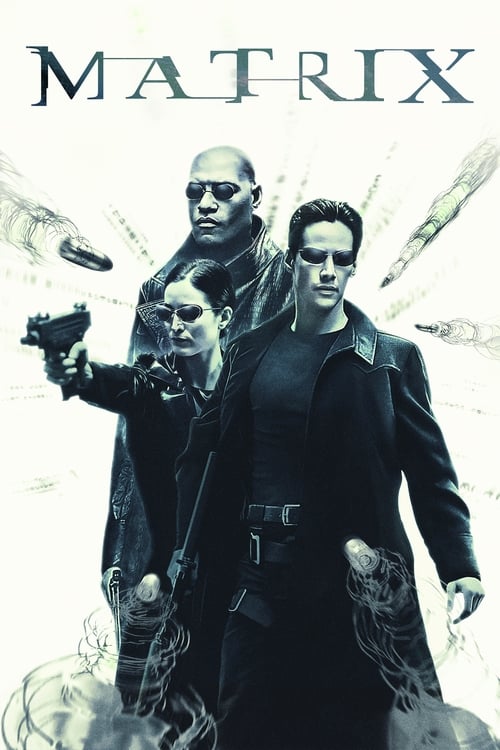
8. The Matrix
The Matrix redefined everything, introducing the idea of a simulated reality in a way that just stuck with everyone. It made us question our own perceptions and what "real" even means. The film's iconic visuals and groundbreaking action sequences, driven by the concept of a digital world, totally changed how we think about storytelling within virtual environments. It's still so relevant, like, how do we know this isn't all code?
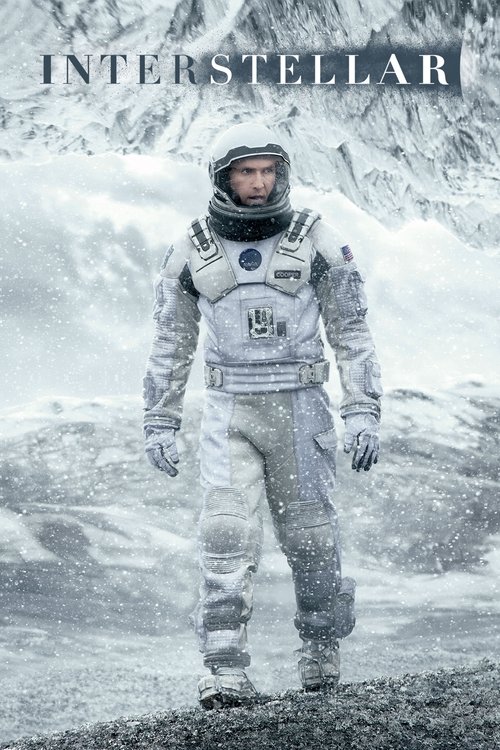
9. Interstellar
Interstellar takes us on this epic journey through space and time, using actual scientific theories to drive its incredibly emotional story. It shows how narrative can stretch across light-years and generations, making complex concepts like black holes and time dilation feel deeply personal. The film uses cutting-edge visuals to create these vast, immersive worlds, making you feel the immense scale of the cosmos and the tiny human drama within it.

10. Dune
Dune crafts this incredible, immersive universe that feels so real, even with its giant sandworms and spice-induced visions. The film shows how rich world-building can elevate a narrative, drawing you into its political struggles and ecological themes. It’s a masterclass in adapting a complex story, using visuals and sound to create an experience that feels truly expansive and totally transportive, making you believe in its unique future.
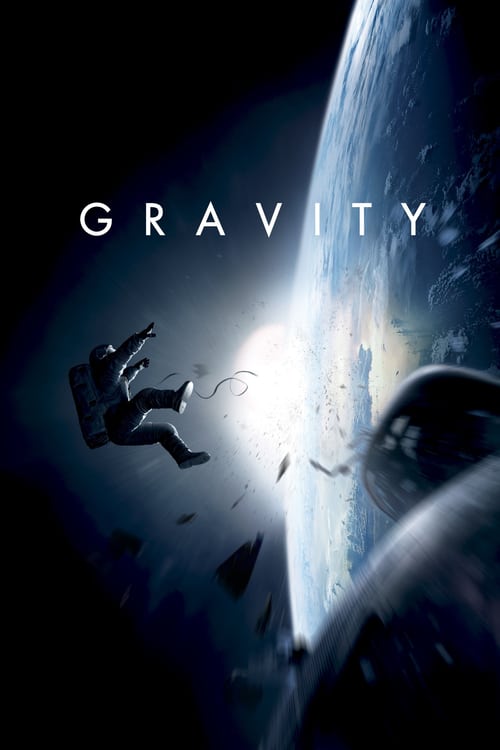
11. Gravity
Gravity put you right there in space with its incredibly immersive visuals, making the survival narrative feel so immediate and intense. It’s a brilliant example of how technology can create a truly visceral storytelling experience, making you feel every spin and gasp. The film shows how a seemingly simple premise can be amplified by groundbreaking effects, pushing the boundaries of what a cinematic narrative can achieve in terms of pure sensation.
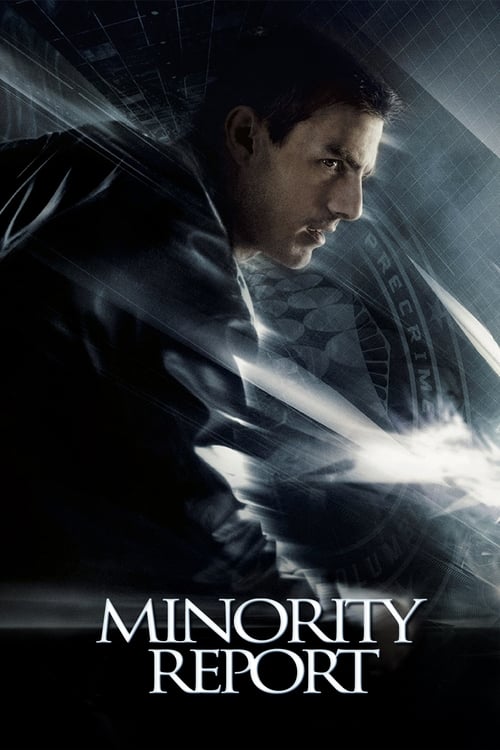
12. Minority Report
Minority Report showed us a future where technology predicts crime, sparking huge ethical debates about free will versus determinism. The film's vision of advanced interfaces, personalized advertising, and virtual reality interactions felt so cutting-edge then, and honestly, still does. It really pushes narrative by making you question the implications of predictive AI and how it could reshape society, blurring lines between foresight and control.