
1 / 10
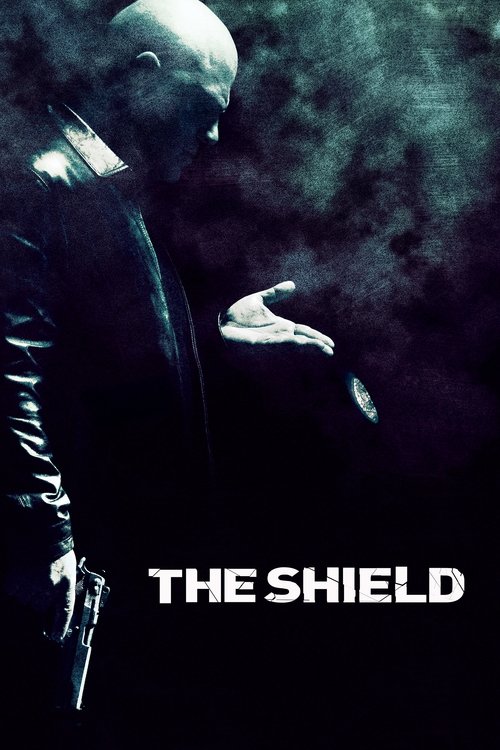
1. The Shield
Before anti-heroes became a trope, Vic Mackey blew the doors off what network or even early cable TV thought was permissible. FX took a huge swing, crafting a serialized crime drama that was less about good guys and bad guys, and more about moral compromise in a corrupt system. It was raw, unflinching, and proved that television could be as visceral and complex as any feature film, setting a new bar for character-driven narratives.
2 / 10
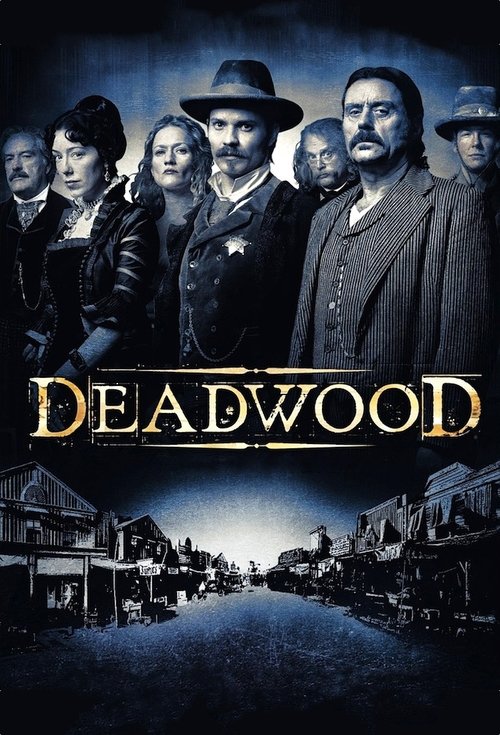
2. Deadwood
David Milch’s poetic, profane, and historically rich Western was a masterclass in world-building and character. HBO delivered a series that felt like a sprawling novel brought to life, with dialogue that sang and stung. It blurred the lines between TV and cinema, showcasing an ensemble cast navigating the brutal realities of an emerging frontier town, proving cable’s willingness to bet big on distinct, uncompromising visions.
3 / 10

3. Six Feet Under
This was a foundational piece for HBO, exploring life, death, and family dynamics with a profound, often darkly humorous touch. Each episode opened with a death, but the series was truly about the living Fisher family, their messy relationships, and existential crises. It was deeply serialized, emotionally resonant, and showcased that TV could tackle weighty philosophical themes without being preachy, cementing the era's prestige drama template.
4 / 10
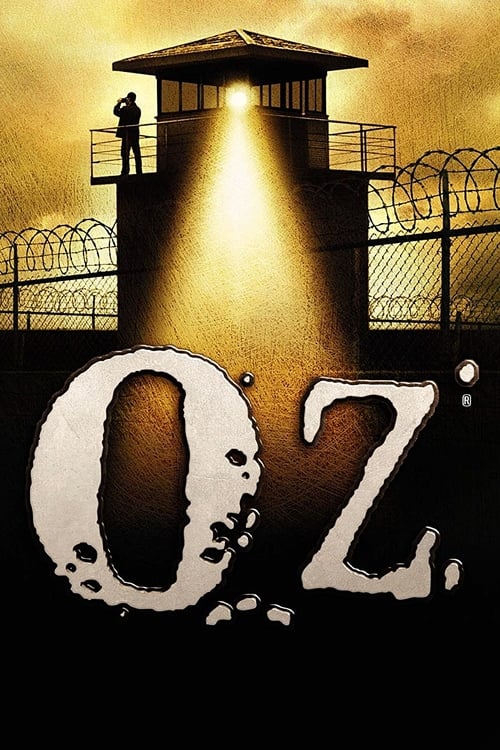
4. Oz
Before it was fashionable, *Oz* threw network TV's conventions into a shredder. HBO's brutal prison drama was groundbreaking for its serialized storytelling, unflinching violence, and complex characters. It wasn't just a show; it was an experience, forcing viewers to confront uncomfortable truths about humanity and institutions. This one paved the way for the darker, more morally ambiguous narratives that would define the next decade of television.
5 / 10
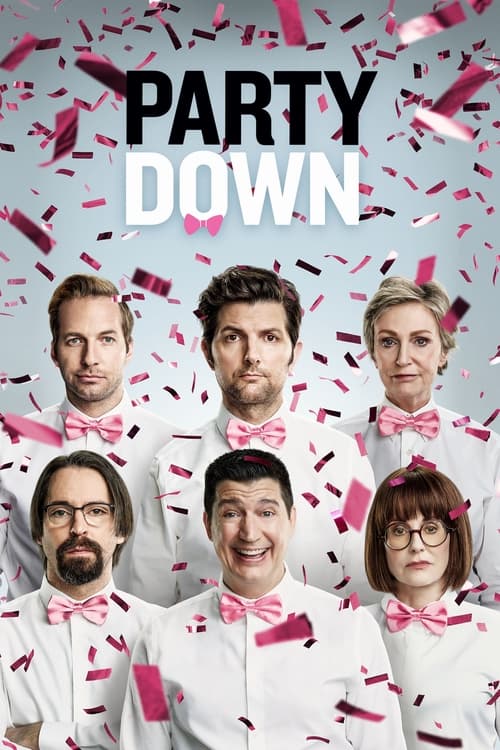
5. Party Down
This Starz gem was a low-key masterclass in ensemble comedy and mockumentary style before it became ubiquitous. Following a group of aspiring Hollywood types stuck catering, it perfectly blended cringe humor with genuine pathos. It gained a cult following, partly thanks to early on-demand availability, showing how smart, character-driven comedies could thrive outside traditional network structures and find their audience.
6 / 10
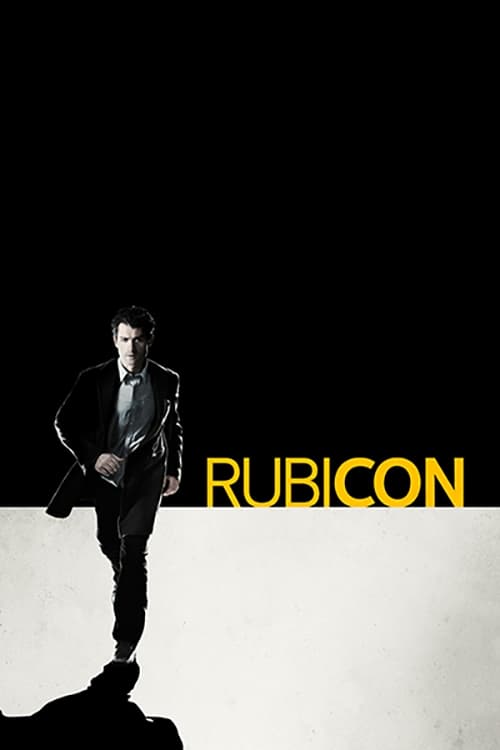
6. Rubicon
AMC's post-Mad Men, post-Breaking Bad experiment was a slow-burn, atmospheric conspiracy thriller that felt almost anti-television. It demanded patience, rewarding viewers with intricate plotting and intellectual depth, rather than cheap thrills. Though short-lived, it represented a bold swing by a cable network to produce cerebral, serialized storytelling for a niche audience, pushing the boundaries of what a mainstream cable drama could be.
7 / 10
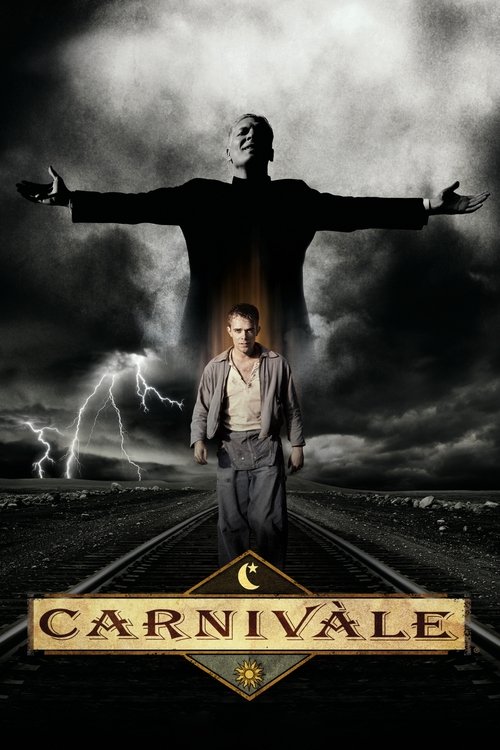
7. Carnivàle
HBO went all-in on this visually stunning, mythological epic set during the Dust Bowl. It was cinematic in scope, with intricate lore and a rich, dreamlike atmosphere. Though ambitious and complex, its serialized narrative and unique aesthetic proved that cable was willing to invest heavily in wholly original, auteur-driven visions, even if they were challenging. It remains a benchmark for pure artistic ambition in television.
8 / 10
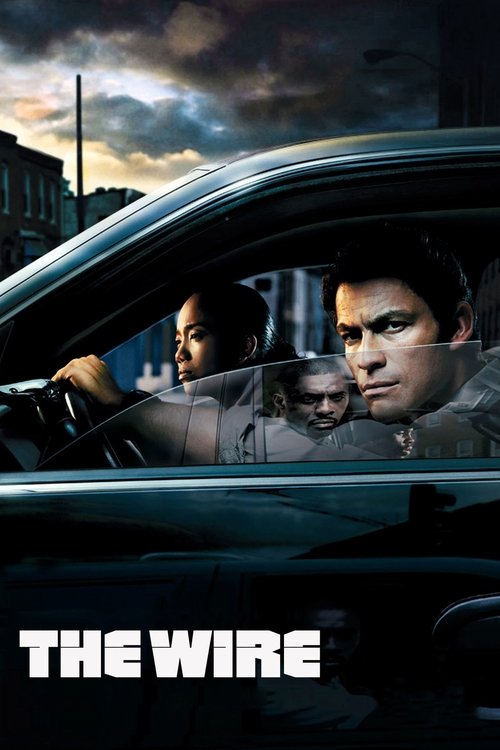
8. The Wire
Forget the cop show tropes; *The Wire* was a novel for television, dissecting Baltimore’s institutions with unparalleled realism. Its sprawling ensemble cast and deeply serialized, multi-faceted narrative exposed systemic failures in education, politics, and law enforcement. It demanded attention, rewarding viewers with a nuanced, cinematic understanding of urban life that profoundly influenced how prestige drama could operate.
9 / 10
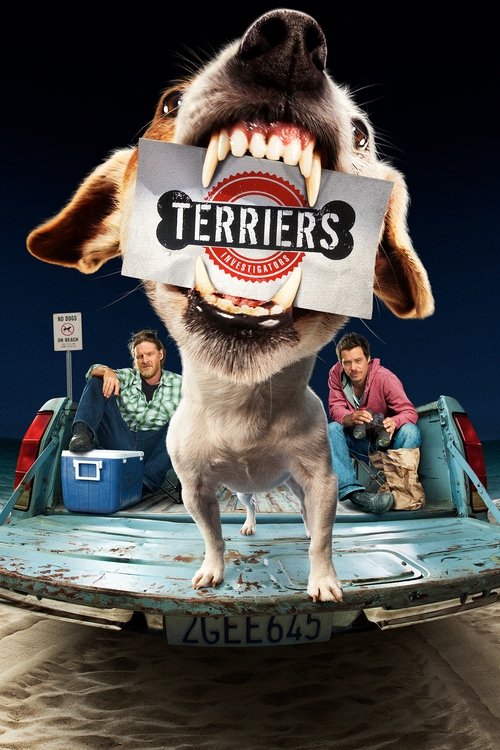
9. Terriers
This FX series was a genuine cult classic, a neo-noir gem about two unlicensed private investigators in San Diego. It had heart, humor, and a melancholic realism that felt distinct. Though tragically canceled too soon, its character-driven storytelling, serialized mystery, and the lived-in chemistry between its leads solidified FX's reputation for producing smart, gritty dramas that championed the lovable underdog.
10 / 10

10. NewsRadio
While not prestige drama, *NewsRadio* was a foundational ensemble workplace comedy that showcased sharp writing and rapid-fire wit. It proved that network sitcoms could be smart, character-driven, and highly stylized, laying groundwork for later single-camera comedies. Its cast chemistry and often surreal humor elevated the format, showing how creative risks could pay off even in the traditional broadcast landscape.