#1

Jimmy Kimmel Live!
Kimmel survived the brutal late-night wars by executing one of the longest character pivots in television history. He began as the chaotic post-Super Bowl frat boy and slowly retrofitted his nightly desk into a sharp industry critique. Look at the Matt Damon feud: it functions like an elite multi-season running gag with actual narrative discipline. Kimmel understands the mechanics of Hollywood vanity, turning promotional junket choreography into a sustained, twenty-year bit that continuously exposes the machinery.
#2
The Eric Andre Show
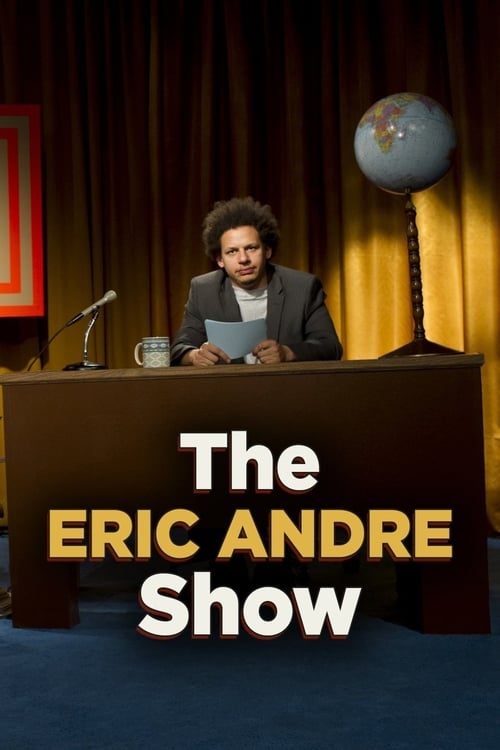
Every episode opens with a violent demolition of the traditional talk-show set, resetting the board like a deranged live-action cartoon. Eric Andre took the hollow promotional junket and turned it into pure psychological horror for C-list publicists. Season by season, his desk-side interrogations exposed how desperate guests are to remain polite on camera. It strips away the polished lighting and canned anecdotes, leaving the raw, terrifying artifice of television promotion naked under studio lights.
#3

30 Rock
Tina Fey constructed the ultimate post-network sitcom arc across seven densely packed seasons. The show treated NBC corporate ownership as an antagonist, turning executive meddling and product placement into recurring plot engines. Jack Donaghy’s mentorship of Liz Lemon anchored an ensemble that never compromised its blistering joke density. By the time the finale aired, the series had thoroughly dismantled network television from the writer's room outward, earning its legacy through razor-sharp structural efficiency and impeccable comic continuity.
#4

Studio 60 on the Sunset Strip
Aaron Sorkin treated a fictional late-night sketch show with the dramatic gravity of the West Wing situation room. That self-seriousness makes its single-season run fascinating viewing. The cold open of the pilot remains legendary, sending an executive into an on-air meltdown over network cowardice. While its earnest sketches rarely matched the backstage melodrama, the show offers an extraordinary look at corporate tension, FCC paranoia, and the high-wire logistics required to broadcast live television each Friday night.
#5
Comedy Bang! Bang!
Scott Aukerman built an alternate-universe talk show where guest banter bends toward pure absurdism. Across five seasons and over a hundred episodes, the series weaponized continuity, rewarding loyal viewers with dense running gags and character recursions. Reggie Watts delivered musical genius from the bandstand, keeping the rhythm buoyant while guests navigated surreal conversational traps. And beneath the oddball exterior lies an encyclopedic deconstruction of late-night tropes, from fake celebrity anecdotes to forced host-sidekick camaraderie.
#6

Great News
Tracey Wigfield’s cable news sitcom lasted two tight seasons, cutting straight into modern broadcast panic. Anchored by Andrea Martin and Briga Heelan, the workplace dynamic dissected ratings-chasing television news culture with lethal speed. John Michael Higgins played an aging anchor unwilling to surrender his teleprompter clout, generating hysterical friction against younger digital producers. The series deserved a longer runway, but its compact run delivered exceptional joke-per-minute efficiency while exposing the hollow vanity behind corporate news desks.
#7

The Dana Carvey Show
Prime-time broadcast television experienced a seismic culture shock in 1996 when this sketch experiment hit ABC right after Home Improvement. Dana Carvey assembled an all-star writers' room featuring Steve Carell and Stephen Colbert, only to alienate mainstream audiences instantly with the opening Bill Clinton sketch. Commercial sponsors fled in horror, yet the seven aired episodes remain historic television artifacts. It dared to dismantle network safety standards on prime-time commercial television, flaming out brilliantly rather than playing by executive rules.
#8

Don't Trust the B---- in Apartment 23
The true secret weapon of this short-lived ABC comedy was James Van Der Beek playing an unhinged, narcissistic version of himself. He spent two seasons parodying his teen-idol past, desperate for career pivots, Dancing with the Stars redemption, and boutique fashion lines. Paired with Krysten Ritter’s sociopathic party girl, the series turned entertainment industry narcissism inside out. Network executives butchered the airing order, cutting its narrative momentum, but the sharp industry takedowns remain ahead of their time.
0 / 8