

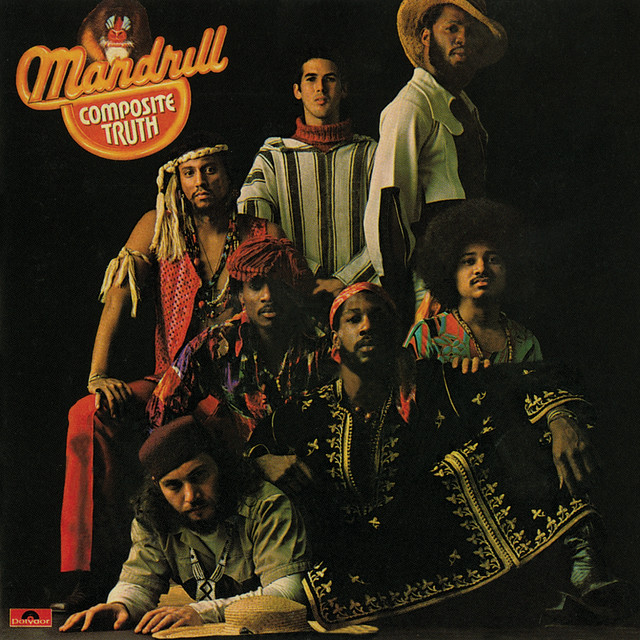
1. Composite Truth
This 1982 industrial artifact exemplifies raw, percussive assault. Crafted using salvaged metal, tape loops, and crude synthesizers, its visceral texture is entirely pre-digital. The recording captures an unvarnished fury, a bleak sonic landscape constructed from real-world detritus, pushing rhythmic boundaries with an almost ritualistic intensity. It's a testament to how sonic confrontation was forged before samplers became ubiquitous, demanding attention through sheer, analog force.
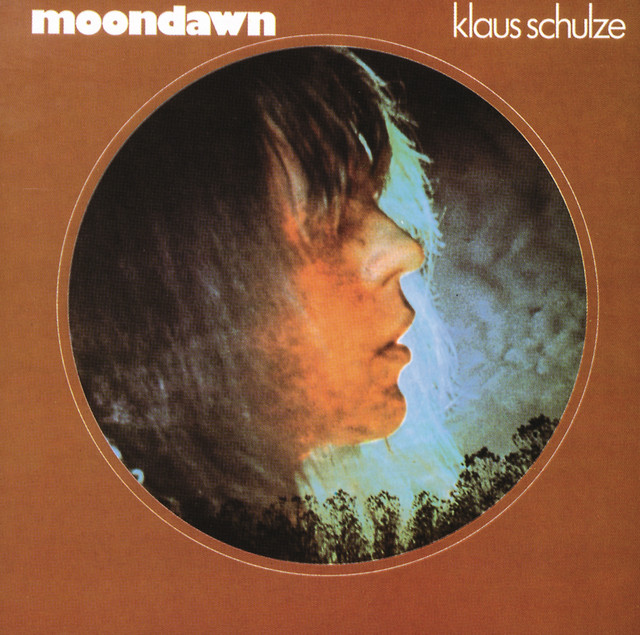
2. Moondawn
Klaus Schulze's 1976 magnum opus remains a pillar of electronic music. Recorded directly to multi-track tape, its expansive soundscapes are sculpted from formidable analog synthesizers—Moog and ARP—with precise, real-time articulation. The colossal bass lines and shimmering, evolving pads create a truly immersive, almost spiritual experience. This isn't just ambient; it's a journey through meticulously crafted, pre-programmed, and performed sonic architecture, defining the very essence of deep listening.
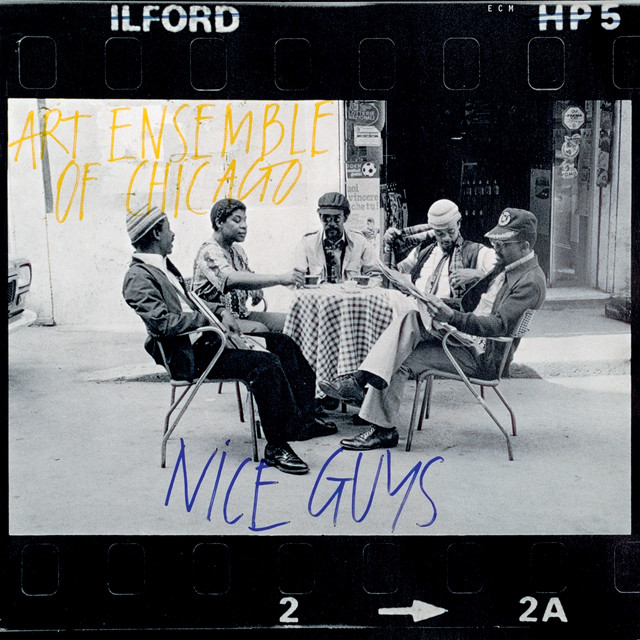
3. Nice Guys
The Art Ensemble of Chicago's 1979 release showcases their "Great Black Music, Ancient to the Future" ethos with unparalleled clarity. Recorded live to tape, the album’s spontaneous interplay of percussion, horns, and found objects is captured with incredible spatiality. It’s a masterclass in controlled chaos, where avant-garde jazz meets global folk traditions, all unfolding within a perfectly balanced stereo field, demonstrating the exquisite dynamic range achievable in a pre-digital studio.

4. Liquid Frequencies (Alpha Waves 76 - 84Hz)
This obscure 1978 recording delves into psychoacoustics, likely by an early ambient pioneer. Utilizing pure analog sine wave generators and carefully placed microphones, it aimed to induce specific brain states. There’s no digital processing; every ebb and flow of the titular alpha waves is a product of meticulously tuned oscillators and reverbs, recorded directly onto high-fidelity tape. It’s a primitive yet profound exploration of sound as an internal, pre-digital experience.
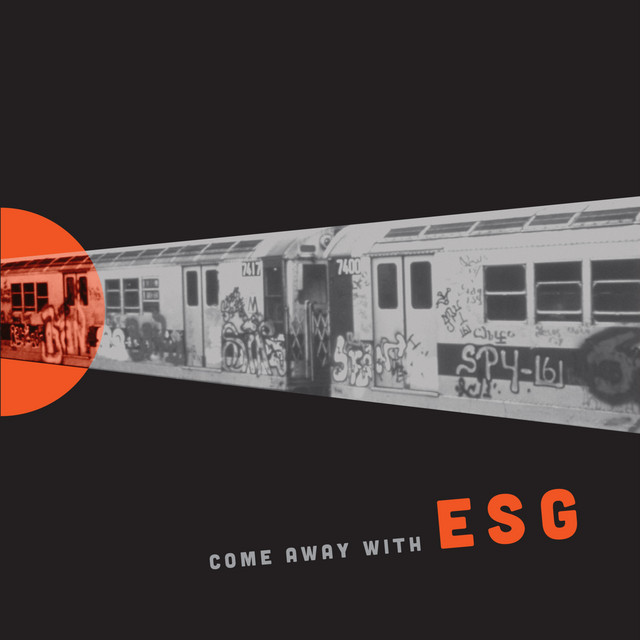
5. Come Away with ESG
ESG’s 1983 debut EP is a masterclass in post-punk minimalism and funk distillation. Recorded with a stark, dry aesthetic, every bassline, vocal chant, and percussive hit feels immediate and impactful. The raw, uncluttered mix allows the infectious, taut rhythms to breathe, demonstrating how much groove could be extracted from simple, repeated analog patterns. It's an essential document of pre-digital dance music, influencing generations without ever needing a drum machine.
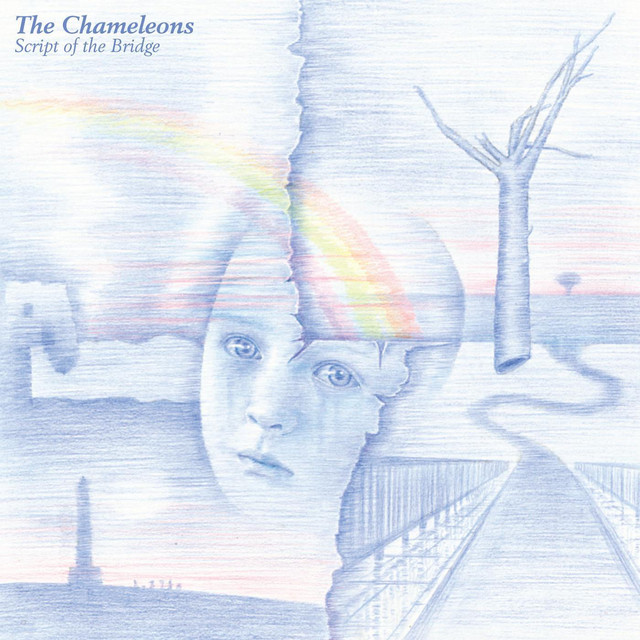
6. Script of the Bridge (Remastered)
The Chameleons' 1983 darkwave masterpiece, despite later remastering, was born from analog tape. Its intricate guitar interplay, awash in analog delay and chorus, builds vast, melancholic soundscapes. The production captures a cavernous atmosphere, emphasizing textural depth over brute force. Each layered riff and soaring vocal is perfectly placed within a rich, pre-digital sonic tapestry, proving that grandiosity didn't require digital intervention; just meticulous analog engineering.

7. Psycho Bod Saves The World
This 1981 hardcore punk blast embodies raw, unadulterated energy. Likely recorded quickly to two-inch tape, its aggressive fidelity prioritizes visceral impact over polish. The drums are a furious thud, guitars a snarling wall of feedback, and vocals a primal scream. It perfectly encapsulates the pre-digital ethos of capturing a band's live intensity with minimal post-production, a testament to raw power and immediate expression, rarely replicated today.
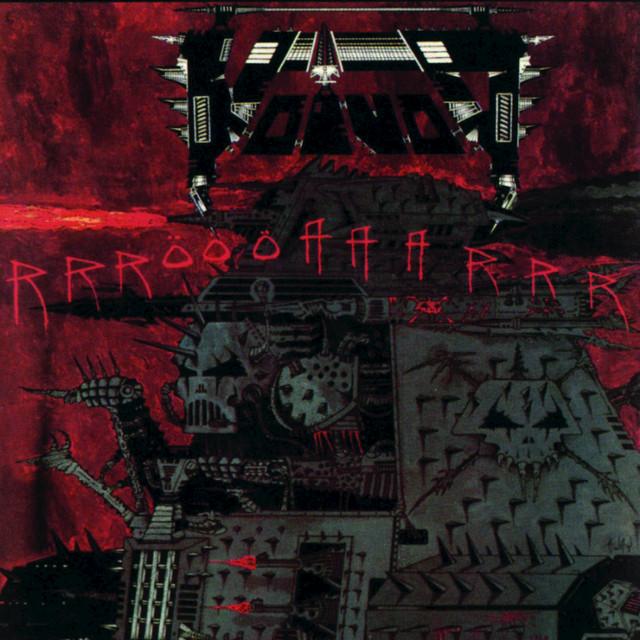
8. Rrröööaaarrr
Voivod's 1986 sophomore effort is an uncompromising statement of thrash-metal innovation. Recorded with a distinctive, almost industrial grit, the production accentuates the band’s angular, dissonant riffs and complex rhythmic shifts. The analog recording process amplifies the raw power, yielding a sound both abrasive and strangely hypnotic. This wasn't merely fast; it was a mechanical, alien sonic landscape forged in a pre-digital studio, pushing metal into truly bizarre territories.