
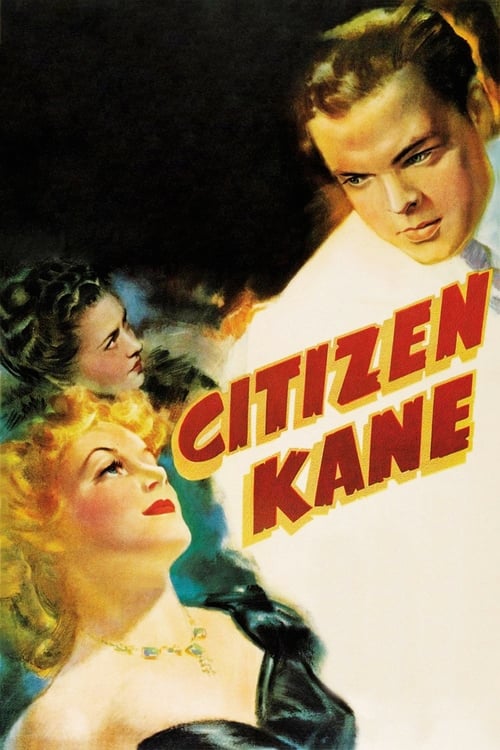
1. Citizen Kane
Orson Welles's debut remains a foundational text in cinematic language, its non-linear narrative and deep-focus cinematography still influencing filmmakers generations later. The film’s exploration of power, memory, and the elusive nature of truth—personified by Charles Foster Kane's singular, yet ultimately unknowable, character—continues to provoke thought. Its formal audacity alone secured its place, but the enduring relevance of its themes ensures its legacy is perpetually re-examined, a benchmark for storytelling ambition.
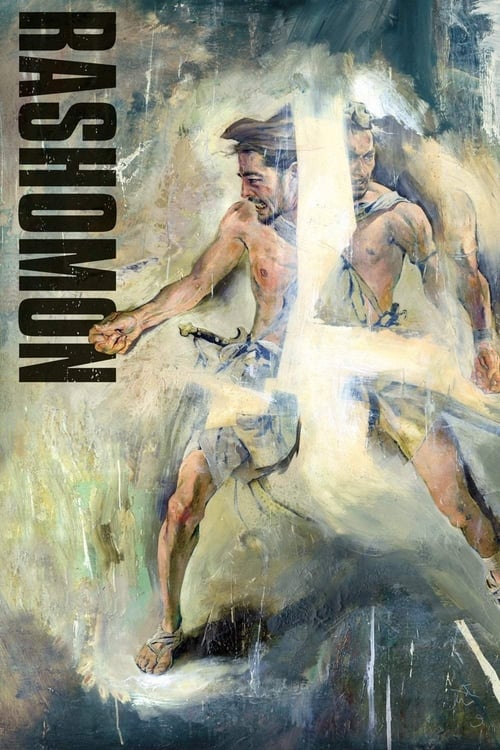
2. Rashomon
Akira Kurosawa's masterpiece profoundly explored the subjectivity of truth through its innovative, multi-perspective narrative structure. By presenting conflicting accounts of a single event, the film forces audiences to confront the inherent biases of memory and perception. This "Rashomon effect" has permeated legal, psychological, and philosophical discourse far beyond the cinema, solidifying its place as a groundbreaking work that questions the very foundations of objective reality. Its influence on storytelling techniques remains immeasurable.
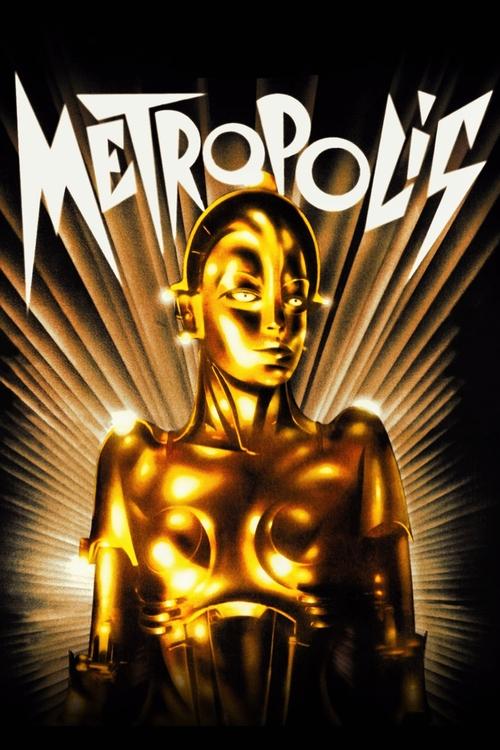
3. Metropolis
Fritz Lang's monumental silent film, a sprawling expressionist vision of a dystopian future, continues to resonate with its stark depiction of class struggle and technological alienation. Its iconic art direction and groundbreaking special effects set benchmarks that predate most of cinema's visual vocabulary. While its narrative complexities sometimes get overshadowed by its visual grandeur, the film’s prophetic insights into industrial society and artificial intelligence ensure its status as a timeless, chillingly relevant masterpiece.
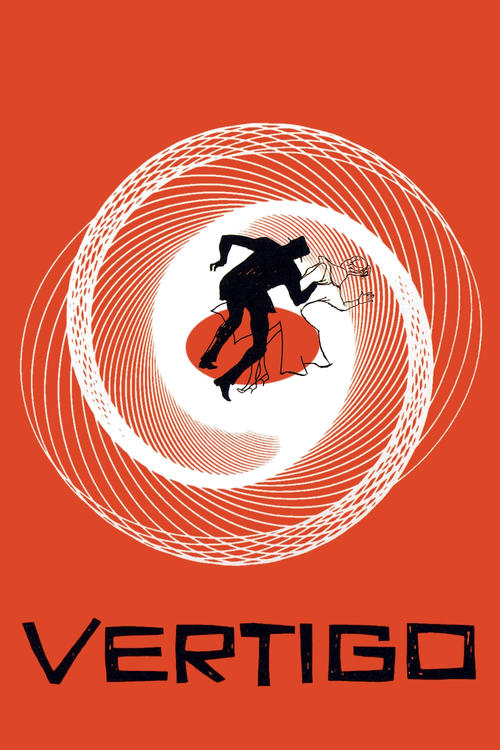
4. Vertigo
Alfred Hitchcock’s psychological thriller, once overshadowed, has ascended to critical preeminence, often cited as the greatest film ever made. Its intricate exploration of obsession, identity, and male gaze, coupled with Bernard Herrmann's haunting score and San Francisco's dreamlike landscapes, creates an unsettling, profound experience. The film’s cyclical narrative and tragic romanticism offer endless layers for interpretation, making its dark, melancholic spell only grow stronger with each viewing and academic analysis.
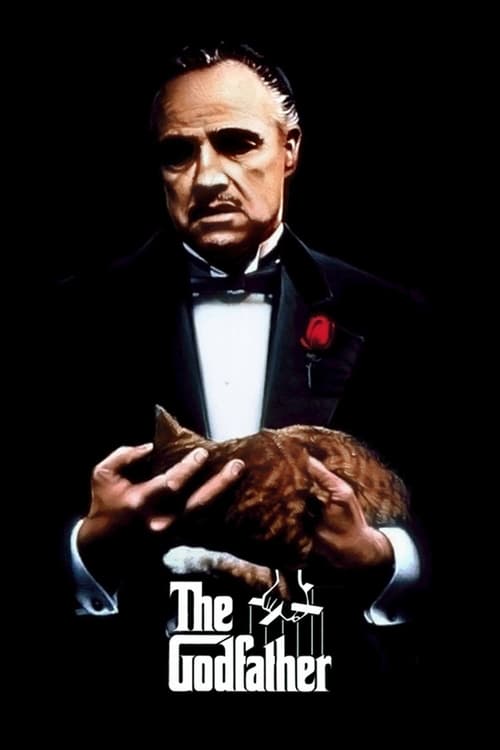
5. The Godfather
Francis Ford Coppola redefined the gangster epic, elevating genre filmmaking into profound art. This saga of the Corleone family transcends mere crime story to become a Shakespearean tragedy about power, family, and the corrupting nature of the American Dream. Its meticulous craftsmanship—from Gordon Willis’s chiaroscuro cinematography to Nino Rota’s iconic score—established a new gold standard for dramatic storytelling. The film’s moral ambiguities and indelible characters ensure its continuous cultural conversation.
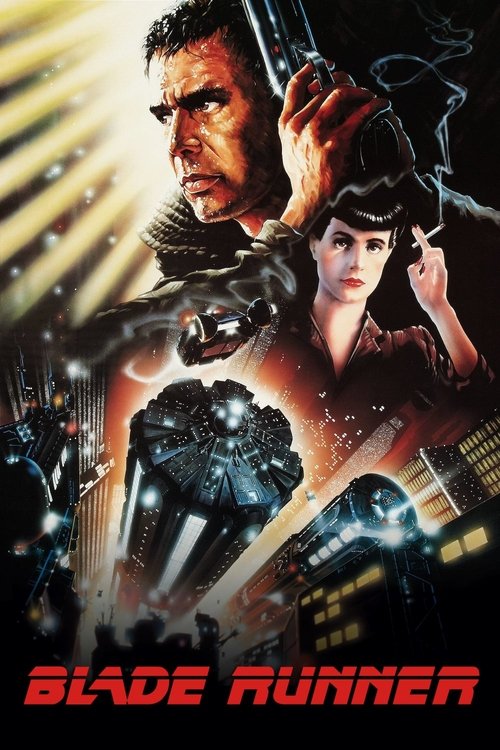
6. Blade Runner
Ridley Scott’s neo-noir science fiction opus initially divided critics but has since been canonized for its visionary aesthetic and philosophical depth. Its rain-slicked, neon-drenched Los Angeles redefined cyberpunk, while its existential questions about humanity, artificial intelligence, and memory continue to fuel debate. The film’s multiple cuts and enduring ambiguity regarding Deckard's true nature underscore its status as a living text, prompting ongoing re-evaluation of its themes and visual legacy.
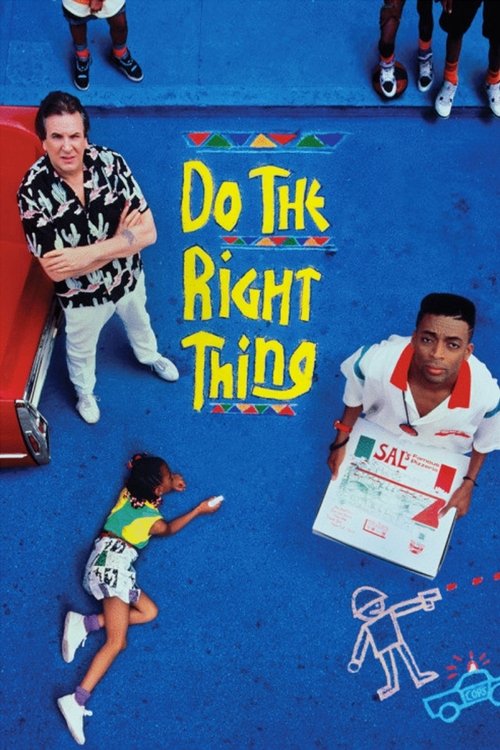
7. Do the Right Thing
Spike Lee's searing exploration of racial tensions in a Brooklyn neighborhood remains as urgent and potent today as it was upon its release. The film masterfully balances vibrant community portraiture with an escalating sense of dread, culminating in an unforgettable, ambiguous climax. Its refusal to offer easy answers, instead prompting difficult conversations about prejudice, systemic injustice, and the cycle of violence, ensures its perpetual relevance in societal discourse and cinematic study.
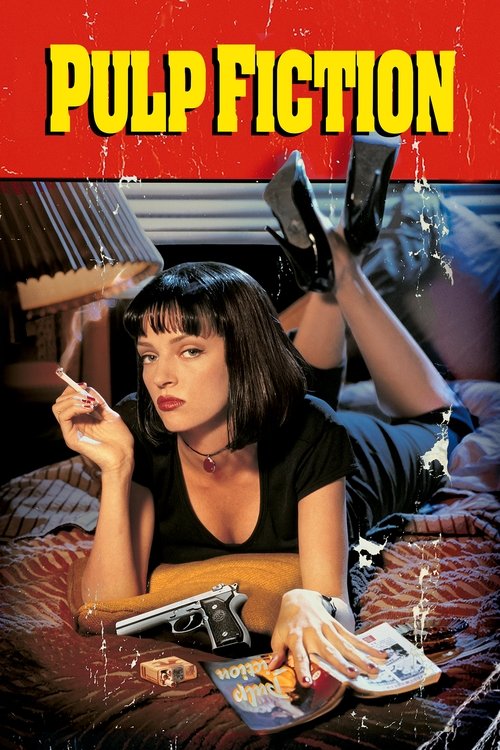
8. Pulp Fiction
Quentin Tarantino exploded onto the scene with this non-linear, hyper-stylized crime mosaic that revitalized independent cinema. Its audacious dialogue, eclectic soundtrack, and genre-bending narrative structure created a unique cinematic lexicon. The film’s playful deconstruction of classic tropes, its unexpected shifts in tone, and its unforgettable characters continue to be imitated and analyzed. *Pulp Fiction* didn't just break rules; it rewrote the playbook for an entire generation of filmmakers.
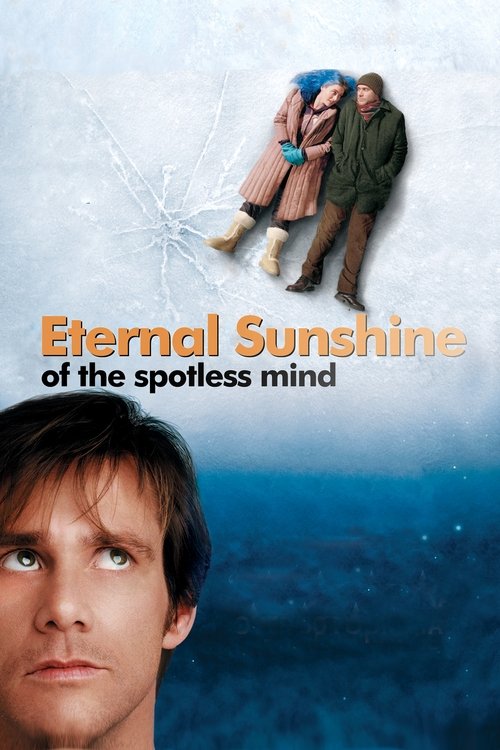
9. Eternal Sunshine of the Spotless Mind
Michel Gondry and Charlie Kaufman crafted a profoundly original meditation on love, memory, and heartbreak. This visually inventive and emotionally resonant film uses science fiction as a prism to explore the complexities of human connection, asking if erasing pain also ceases to define us. Its non-linear narrative mirrors the fractured nature of memory, making it a continuously compelling and deeply moving work that reshapes our understanding of romantic drama and the self.
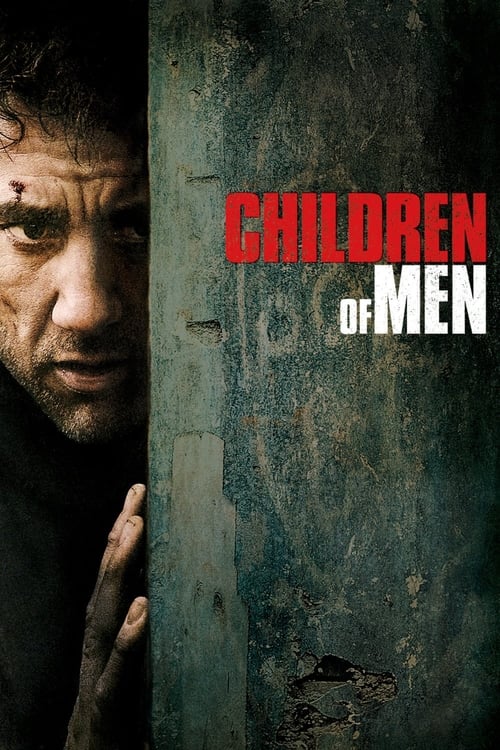
10. Children of Men
Alfonso Cuarón’s dystopian thriller is a masterclass in immersive filmmaking, anchored by breathtaking long takes and a relentlessly grim atmosphere. Depicting a near-future world grappling with human infertility, the film transcends its genre to become a poignant commentary on hope, desperation, and the fragility of civilization. Its visceral immediacy and socio-political relevance ensure its persistent power, forcing audiences to confront pressing global issues through a deeply human lens.
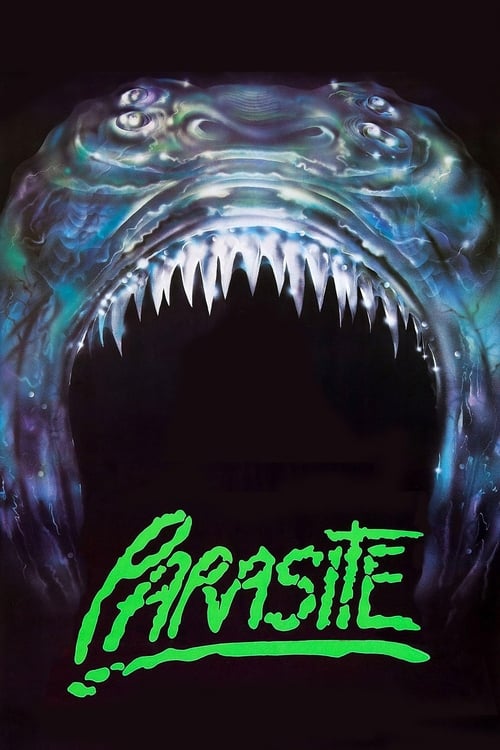
11. Parasite
Bong Joon-ho's Palme d'Or and Oscar-winning masterpiece deftly blends black comedy, thriller, and social commentary into a singular, unforgettable experience. The film's incisive critique of class disparity and capitalist structures, told through the story of two interconnected families, resonates globally with shocking clarity. Its expert tonal shifts, meticulous craft, and profound insights into societal stratification guarantee its enduring impact as a significant work of global cinema, prompting continued analysis.