
1 / 7
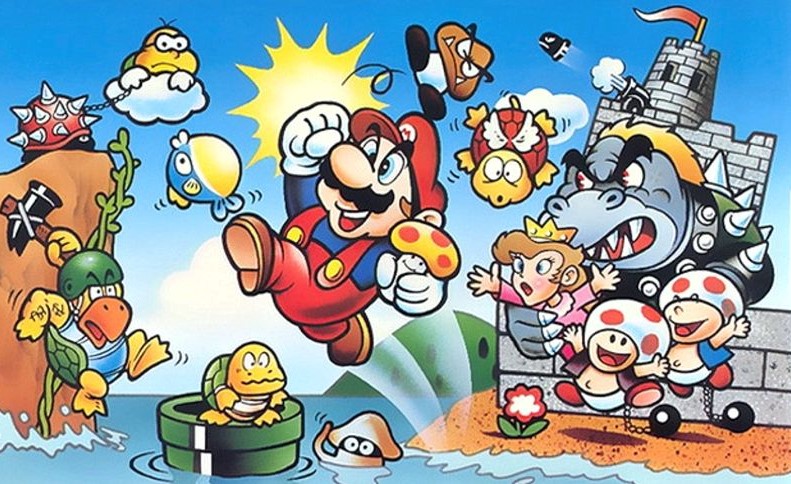
1. Super Mario Bros.
This wasn't just a game; it was a cultural reset for the burgeoning home console market. It codified the very language of platforming, establishing tropes still prevalent today: jumping on enemies, hidden blocks, power-ups. Its ingenious level design and tight controls made it universally accessible, transforming NES into a household staple. And it proved that video games could be more than just arcade distractions; they were a legitimate form of entertainment, shaping generations of players and designers alike.
2 / 7
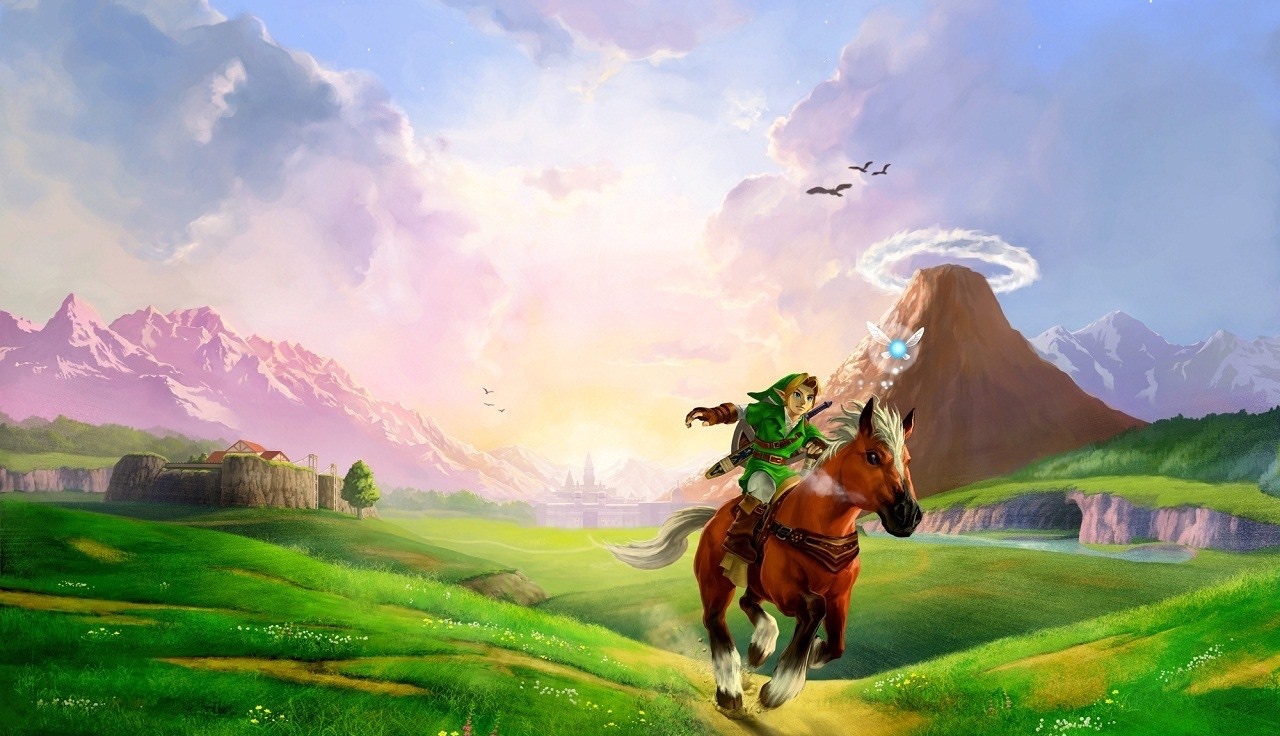
2. The Legend of Zelda: Ocarina of Time
When it landed, Ocarina of Time didn't just push boundaries; it redrew the map for 3D adventure games. Nintendo’s mastery of spatial design, innovative Z-targeting combat, and a truly epic narrative created an immersive world unlike any before it. And its clever puzzles, memorable characters, and a sense of genuine discovery became the gold standard, influencing countless titles that followed. It showed us what storytelling in a virtual space could truly achieve.
3 / 7

3. Grand Theft Auto V
Few games achieve Grand Theft Auto V's sheer scale and biting social commentary. This isn't merely an open-world playground; it’s a meticulously crafted, satirical mirror reflecting modern American culture, warts and all. And its massive financial success, coupled with an enduring online component, cemented its place as a cultural phenomenon. It pushed technological boundaries for world-building, proving that virtual Los Santos could feel as vibrant and complex as any real city.
4 / 7

4. Tetris (1984)
Created by a Soviet software engineer, Tetris is a stark reminder of design's power. Its elegance lies in utter simplicity: rotating falling blocks to clear lines. Yet, this deceptively straightforward premise spawned an addiction that transcended language, age, and platform. And it became a global sensation, proving that a game doesn’t need elaborate graphics or complex narratives to captivate millions. It’s pure, distilled gameplay, enduring across decades.
5 / 7
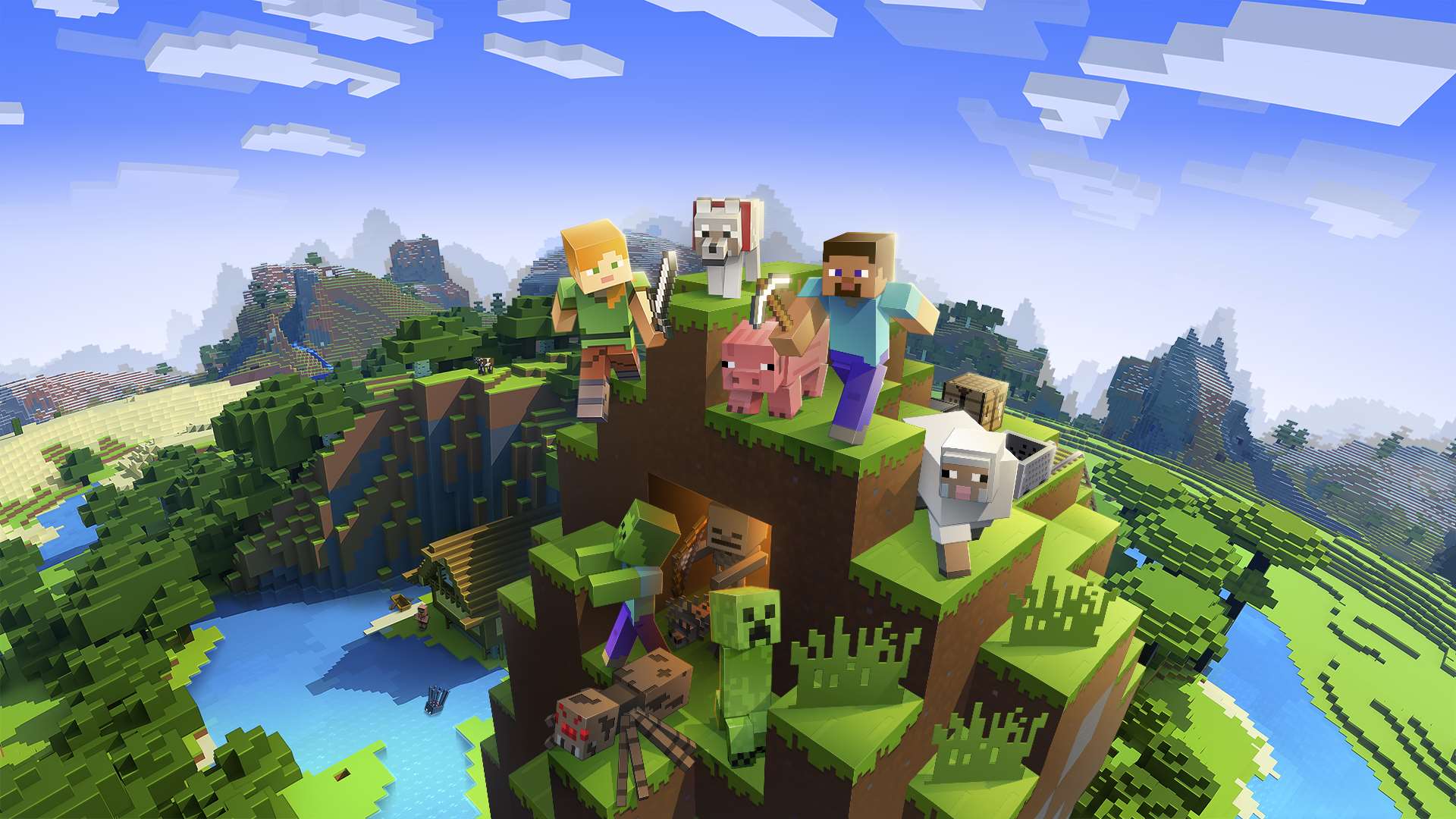
5. Minecraft
Minecraft didn't just offer a game; it provided a digital canvas, fostering unparalleled creativity and community. Its blocky aesthetic belies a profound depth, allowing players to build anything imaginable, from simple homes to complex computers. And it democratized game design, empowering millions to create their own worlds and experiences. It became a cultural touchstone, a virtual playground where imagination truly knows no bounds.
6 / 7

6. World of Warcraft
For over a decade, World of Warcraft defined the massively multiplayer online role-playing game genre. It wasn't just about leveling up; it was about forming guilds, forging friendships, and experiencing epic narratives alongside thousands of others. And its persistent, evolving world became a second home for millions, creating real social structures and economies within its digital borders. It fundamentally altered how we perceive online communities and shared digital spaces.
7 / 7
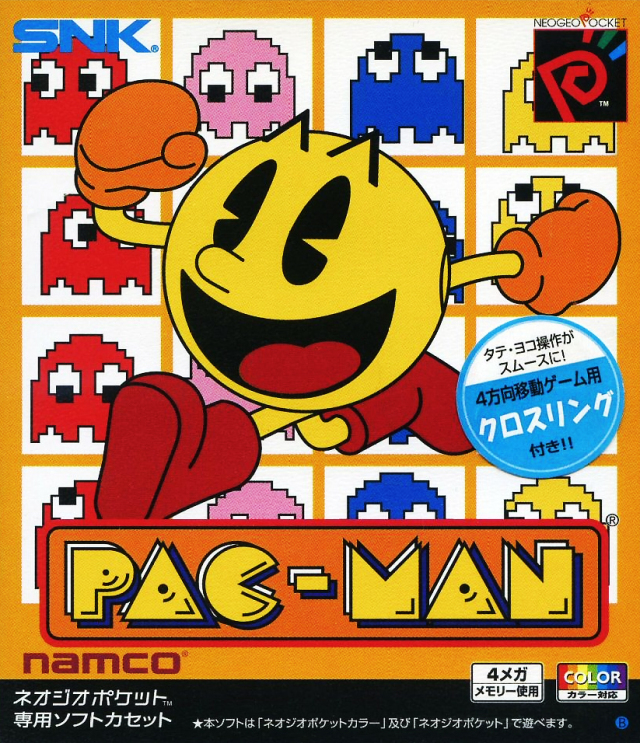
7. Pac-Man
Pac-Man, an undeniable arcade icon, burst onto the scene with a simple premise: eat dots, avoid ghosts. But its immediate appeal and intuitive design made it an instant global phenomenon, cementing video games' place in popular culture. And its colorful characters became instantly recognizable, transcending the arcade to grace merchandise and media worldwide. It proved that compelling gameplay, even in its most basic form, could create an enduring legacy.