

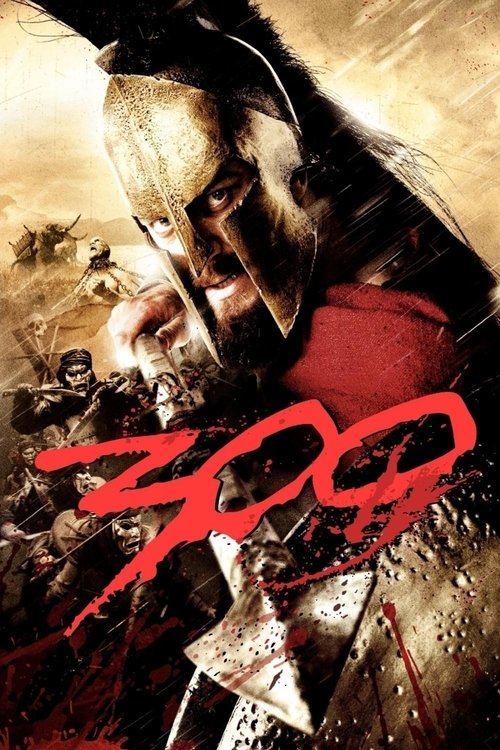
1. 300
Look, nobody watches *300* for a history lesson, and that's precisely why it's on this list. It’s a hyper-stylized, gloriously violent graphic novel brought to life, painting the Battle of Thermopylae in shades of crimson and CGI abs. Historically accurate? Absolutely not. But it’s an undeniable spectacle that shows how easily epic narratives can reshape our understanding of ancient conflicts, making us question where the line between myth and documented fact truly lies. It's pure, unadulterated cinematic adrenaline.
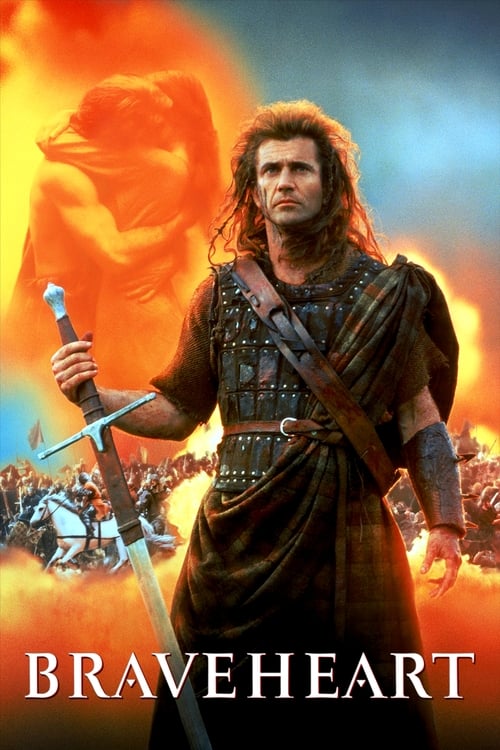
2. Braveheart
Mel Gibson’s *Braveheart* is a masterclass in cinematic myth-making, a sweeping epic that arguably did more for Scottish tourism than for historical scholarship. While William Wallace was indeed a hero, the film takes considerable liberties with facts, from kilts appearing centuries too early to fictional romances. Yet, it powerfully captures the spirit of rebellion and the fight for freedom. It’s a potent reminder that history, particularly when filtered through a Hollywood lens, often becomes a vehicle for storytelling as much as a record of events.
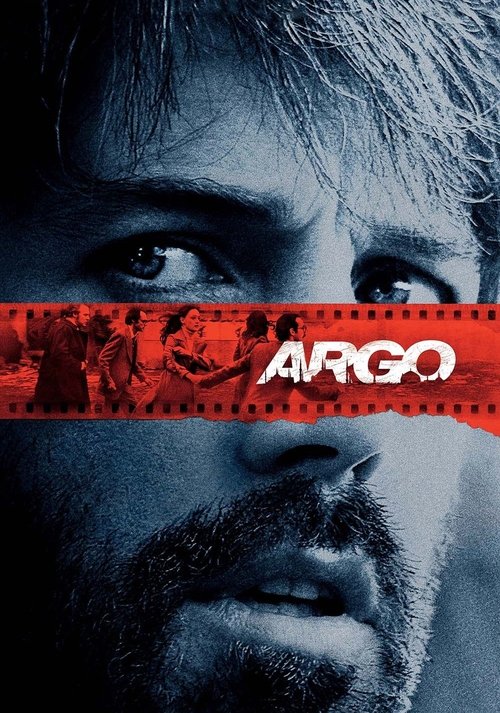
3. Argo
Ben Affleck’s *Argo* brilliantly ratchets up the tension, telling the incredible true story of a CIA exfiltration plan during the Iran hostage crisis. It’s a nail-biting thriller, and the ending feels almost too Hollywood to be true – but it largely was. The film excels at showcasing how real-life events, even the most bizarre, can be adapted into gripping cinema. Still, it sparked debate over its portrayal of Canadian involvement and Iranian perspectives, proving that even recent history gets reinterpreted when it hits the big screen.
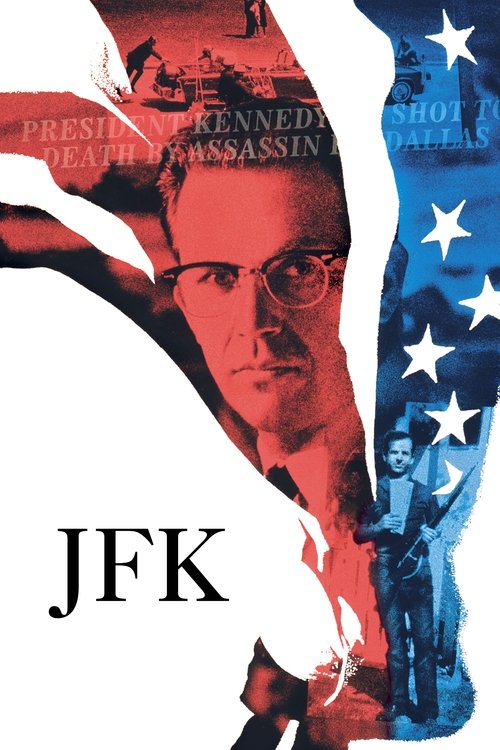
4. JFK
Oliver Stone’s *JFK* is less a historical document and more a cinematic exploration of doubt, suspicion, and the enduring power of conspiracy theories. It dissects the official narrative of President Kennedy's assassination with relentless energy, presenting alternative scenarios that challenge everything you thought you knew. While fiercely debated for its historical accuracy, its impact on popular culture and its ability to provoke critical thinking about government narratives is undeniable. It forces you to question, and sometimes, that’s more valuable than memorizing dates.

5. Amistad
Steven Spielberg’s *Amistad* brings a harrowing, often overlooked chapter of history to the forefront: the 1839 revolt aboard a slave ship and the subsequent legal battle. It’s a powerful, emotionally charged drama that attempts to give voice to the voiceless, depicting the brutality of the slave trade and the fight for human rights. While some historical simplifications exist, its strength lies in its commitment to illuminate a significant moment, compelling viewers to confront uncomfortable truths about America’s past and the courage of those who fought injustice.
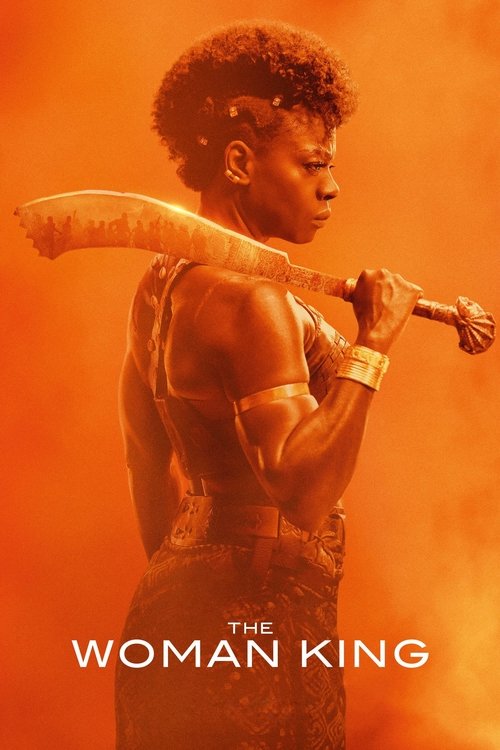
6. The Woman King
*The Woman King* is an exhilarating, action-packed epic shining a much-needed spotlight on the Agojie, an all-female warrior unit of the Kingdom of Dahomey in 19th-century West Africa. It’s a stunning portrayal of strength and sisterhood, giving a platform to stories often marginalized in Western historical narratives. While it navigates complex historical realities, particularly regarding Dahomey's involvement in the slave trade, it undeniably sparks curiosity about these incredible women and prompts a re-evaluation of what 'history' we've been taught and what we’ve missed.