
1 / 9

1. The Fugitive
And they said you couldn't keep a story going! This one, junior, had us glued to the black-and-white set for four years, always wondering when Dr. Richard Kimble would find that one-armed man. It was high-stakes drama, pure and simple. David Janssen was a master of the brooding glance, and the whole premise felt like a grand, serialized novel playing out week after week. No fancy CGI needed, just a good story and a man on the run.
2 / 9
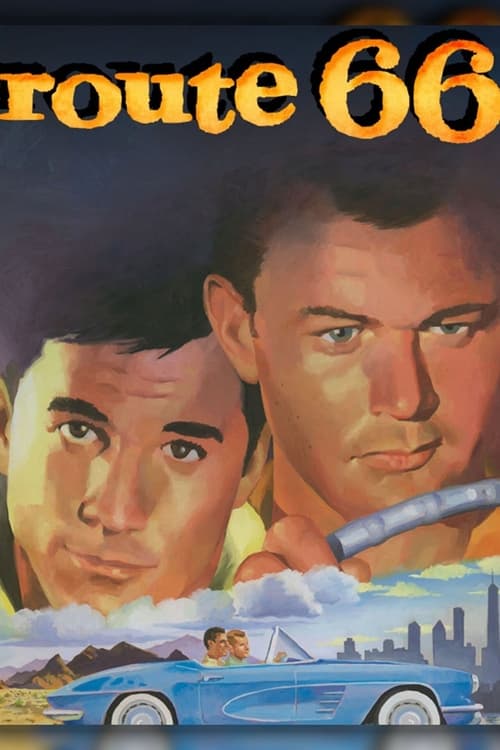
2. Route 66
Now, this was something else. Two young fellas, cruising the country in a Corvette, every week a new town, new faces, new problems. It wasn't just a travelogue; it was an anthology wrapped around a couple of regulars. They tackled some real social issues for the time, showing America warts and all, not just the pretty postcards. And it showed you could take the show out of the studio, really get out there and film.
3 / 9

3. Naked City
"Eight million stories," they'd say, and they meant it. This wasn't some backlot hokum; they shot right there on the streets of New York. Gritty, stark black-and-white, it felt like a documentary staring right into the soul of the city. You got a sense of real police work, real people, not just cardboard cutouts. It was visceral, honest television, long before 'reality' shows were even a glint in anyone's eye.
4 / 9

4. Dark Shadows
A daytime soap opera... with vampires! Who'd have thought? But it worked. This one broke all the rules for its slot, giving us gothic melodrama, witches, and ghosts instead of just marital woes. The low-budget, kinescope look just added to the eerie charm. It pulled you into its strange, convoluted world, a serialized saga that proved even daytime could get wonderfully, gloriously weird.
5 / 9
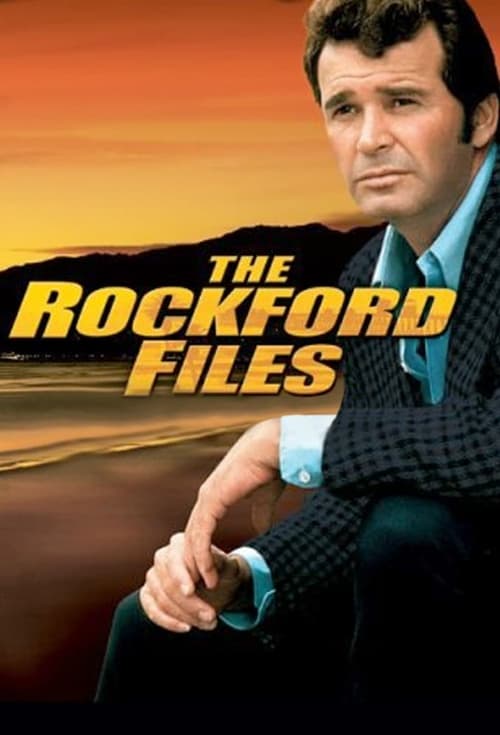
5. The Rockford Files
Jim Rockford. Living in a trailer, driving a beat-up Firebird, always in debt. He was the anti-hero, a private eye who'd rather talk his way out of trouble than punch it. James Garner made him so effortlessly cool and human. And that answering machine gag? Brilliant. It brought a grounded, almost cynical humor to the procedural, showing that even heroes could be a bit of a schmo.
6 / 9
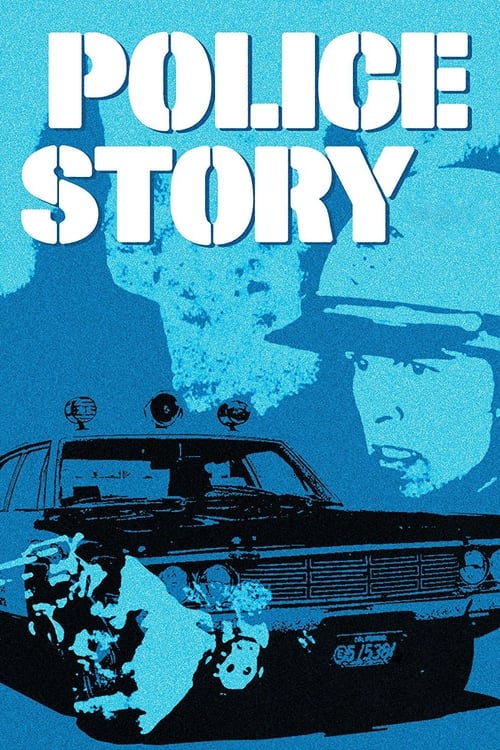
6. Police Story
This wasn't your typical cops-and-robbers show. This was about the *men* and *women* in uniform, their lives, their struggles, their compromises. It was an anthology, meaning different stars and different stories every week, but it always felt authentic. It paved the way for so many police dramas that came after, showing the human side of the badge, not just the shootouts. Real grit.
7 / 9
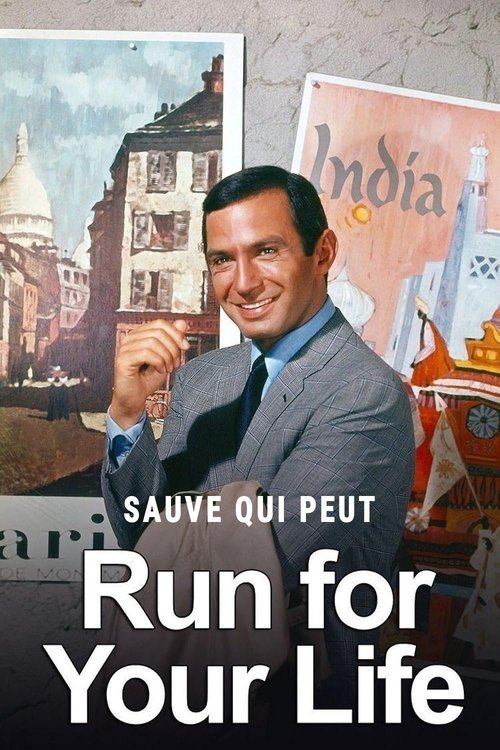
7. Run for Your Life
Imagine being told you have a short time left. What would you do? Ben Gazzara's character, Paul Bryan, spent his trying to live life to the fullest, traveling, encountering new people and experiences. It was an interesting variation on the anthology format, giving us a consistent lead but new challenges each week. A melancholic premise, but it offered a lot of reflection on what truly matters.
8 / 9
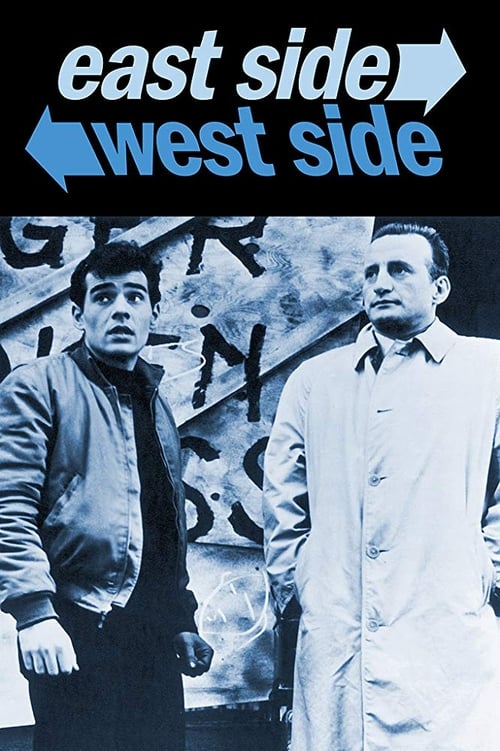
8. East Side/West Side
Oh, this one stirred the pot. George C. Scott as a social worker, tackling poverty, racial discrimination, mental illness. It was unflinching, often controversial, and broadcast in stark black-and-white, making the issues feel even more immediate. This show wasn't afraid to make you uncomfortable, to ask tough questions. It was ahead of its time, really, too honest for some, but essential viewing.
9 / 9
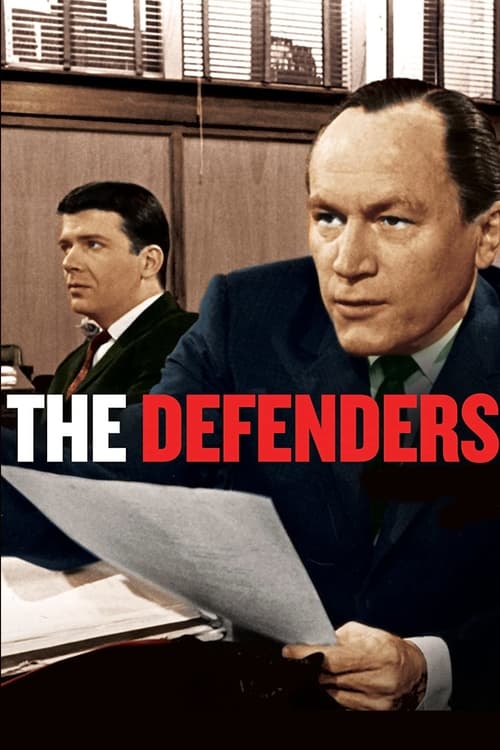
9. The Defenders
A father-and-son legal team, yes, but this wasn't just courtroom theatrics. *The Defenders* took on the big issues: abortion, euthanasia, civil rights. It treated its audience with respect, letting the debates unfold. It was serious, thoughtful drama, showing that television could be more than just escapism; it could be a forum for examining society's deepest questions. A truly intelligent show.