

1. Dark City
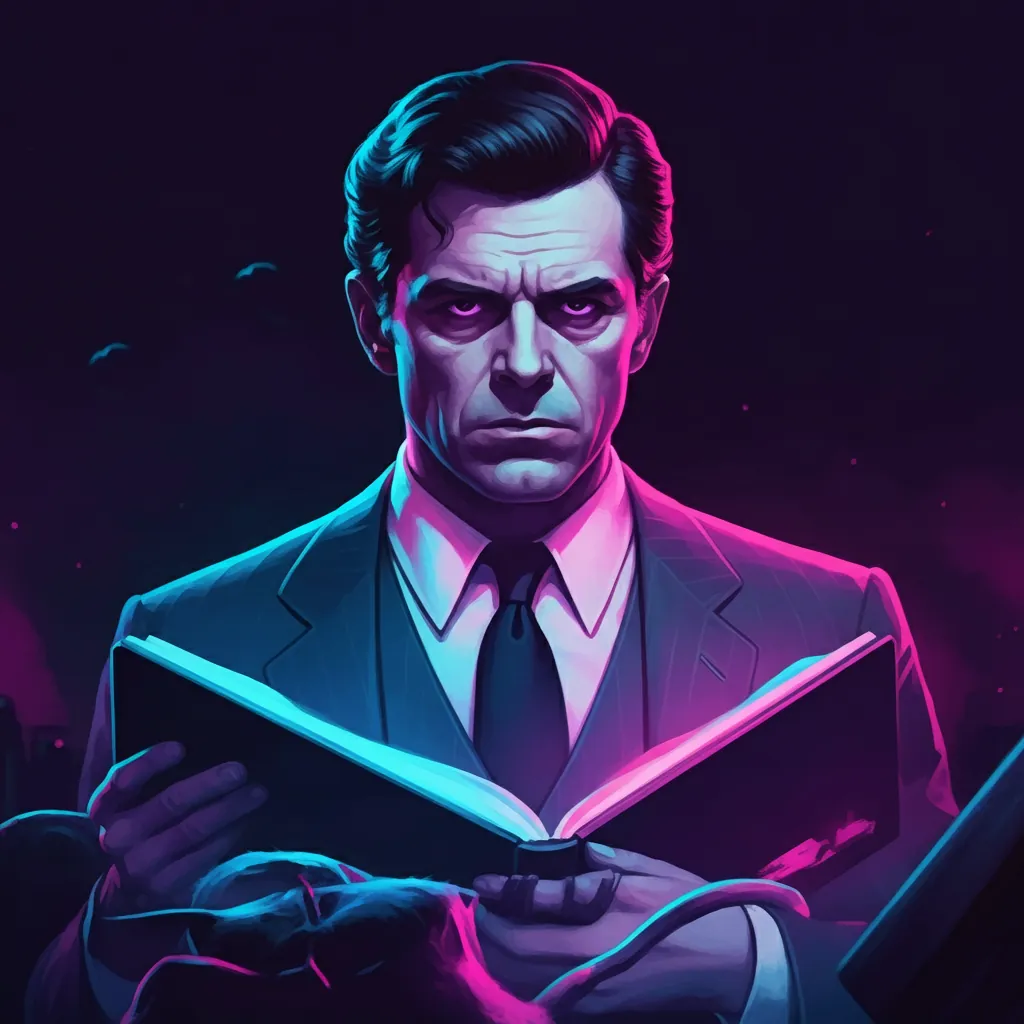
This neo-noir mind-bender from 1998 predates *The Matrix* but offers a similarly unsettling reality. Its intricate world-building and stark visual style are often overlooked by recommendation engines, which tend to push more conventional sci-fi. It’s a beautifully bleak exploration of identity and memory, showcasing a vision that still feels remarkably fresh and, frankly, cooler than a lot of what gets pushed on streaming. It deserves a wider audience for its unique vision.
2. Tekkonkinkreet
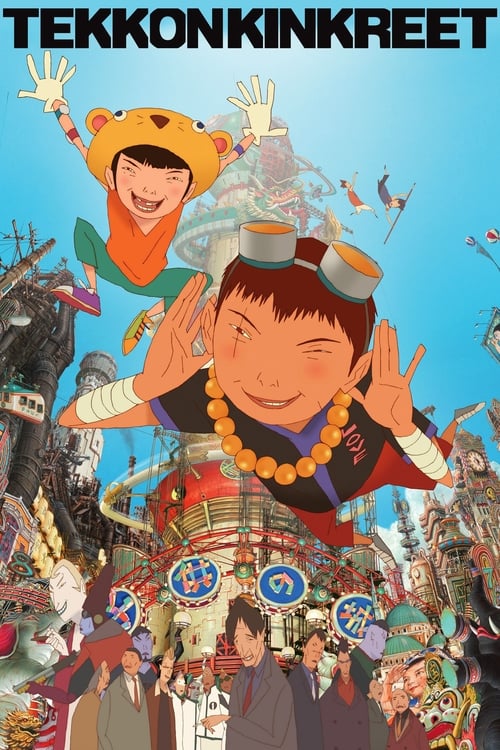
Visually stunning and wildly imaginative, *Tekkonkinkreet* from 2006 is a vibrant, chaotic anime that defies easy categorization. Its hand-drawn aesthetic and mature themes of brotherhood, innocence, and urban decay often get lost amidst the sea of more mainstream animated fare. This film is a pure artistic statement, a kinetic experience that truly showcases the medium's potential. Algorithms just don't know what to do with its unique, gritty beauty.
3. Immortal
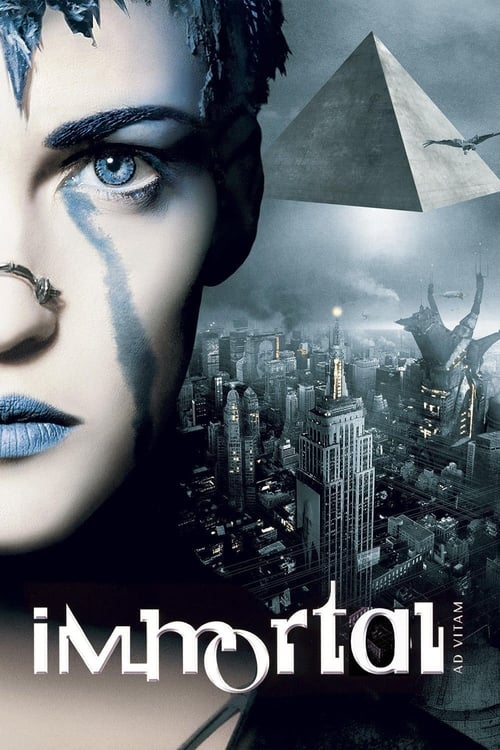
Enki Bilal's *Immortal* from 2004, or *Ad Vitam Aeternam*, blends live-action with CGI animation in a way that was groundbreaking and, honestly, a bit ahead of its time. Its dystopian future Paris, complete with ancient Egyptian gods and a blue-haired protagonist, is spectacularly weird. This film's distinct visual language and narrative ambition make it a prime candidate for algorithmic neglect, especially given its cult status. It’s a genuine trip.
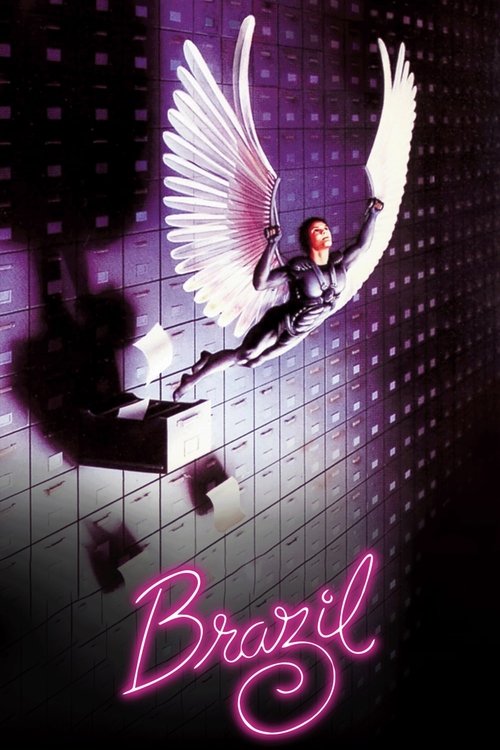
4. Brazil
Terry Gilliam’s 1985 masterpiece *Brazil* is a satirical, bureaucratic nightmare that’s simultaneously hilarious and terrifying. Its unique blend of surrealism, dark humor, and dystopian commentary makes it a challenging watch for algorithms that prefer neat genre boxes. This film’s enduring relevance, especially in an age of pervasive digital systems, should make it a perennial recommendation, but it often gets sidelined. It's a foundational text for anyone interested in truly subversive cinema.

5. Cure
Kiyoshi Kurosawa's 1997 psychological horror *Cure* is a slow-burn, deeply unsettling experience that Hollywood could never replicate. Its methodical unraveling of a series of bizarre murders, linked by a mysterious stranger, is unnervingly effective. The film delves into existential dread and the fragility of identity with a chilling precision that algorithms, trained on jump scares, simply cannot grasp. It's a masterclass in atmospheric horror that stays with you long after viewing.

6. Upstream Color
Shane Carruth's *Upstream Color* from 2013 is a puzzle box of a film, an abstract narrative about connection, identity, and parasitic life cycles. It demands active engagement, eschewing conventional plot structures for an immersive, sensory experience. This kind of experimental, deeply personal filmmaking often slips through the cracks of mainstream recommendations. It’s a uniquely profound cinematic experience that rewards patience and open interpretation.
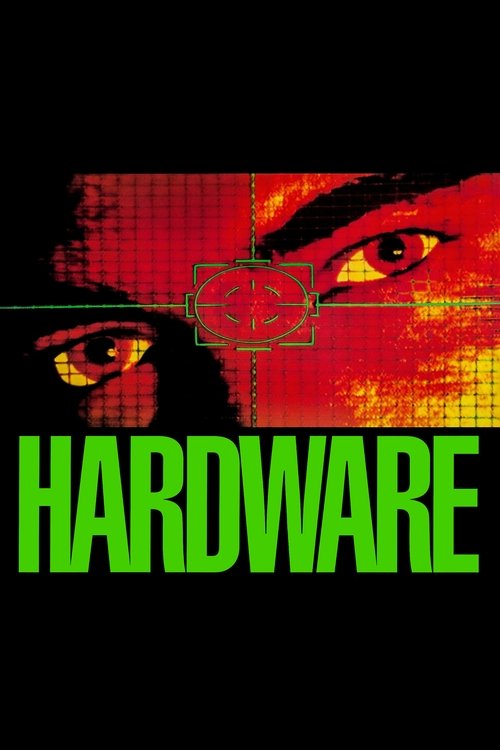
7. Hardware
This gritty, cyberpunk B-movie from 1990, *Hardware*, feels like a forgotten relic of its era, in the best possible way. It’s a low-budget British sci-fi flick about a killer robot, but its distinct aesthetic and nihilistic tone give it a charm that's often missed. Algorithms tend to favor bigger, glossier productions, leaving this gem of practical effects and industrial decay in the shadows. It’s a raw, energetic piece of genre history.

8. Tetsuo: The Iron Man
Shinya Tsukamoto's 1989 *Tetsuo: The Iron Man* is a visceral, body-horror industrial nightmare. Shot in stark black and white, it's an assault on the senses, a relentless exploration of man-machine fusion that’s as disturbing as it is groundbreaking. This cult classic's extreme, avant-garde nature makes it a tough sell for general recommendation engines. It’s a raw, unforgettable experience that proves cinema can be truly transgressive.
9. The Vanishing
The original 1988 Dutch-French thriller *The Vanishing* (Spoorloos) is a chilling, meticulous exercise in suspense. It’s not about *what* happened to the vanished woman, but the psychological torment of her partner’s quest for answers. This film’s quiet, unsettling dread and its truly horrifying ending are often overshadowed by its inferior American remake, causing algorithms to overlook the pure genius of the original. It’s a masterclass in sustained tension.
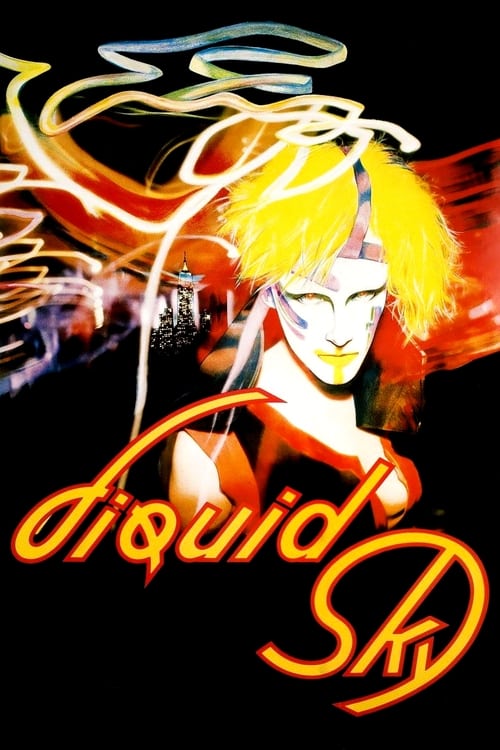
10. Liquid Sky
*Liquid Sky* from 1982 is a gloriously bizarre, New Wave sci-fi cult film. It’s a psychedelic, punk rock fashion show about aliens seeking endorphins from orgasms, set in a grimy, glamorous 1980s New York. Its unique blend of satire, art house aesthetics, and unapologetic weirdness makes it algorithmically invisible. This film is a time capsule of an underground scene, a truly original and provocative piece of cinema.