

1 / 11
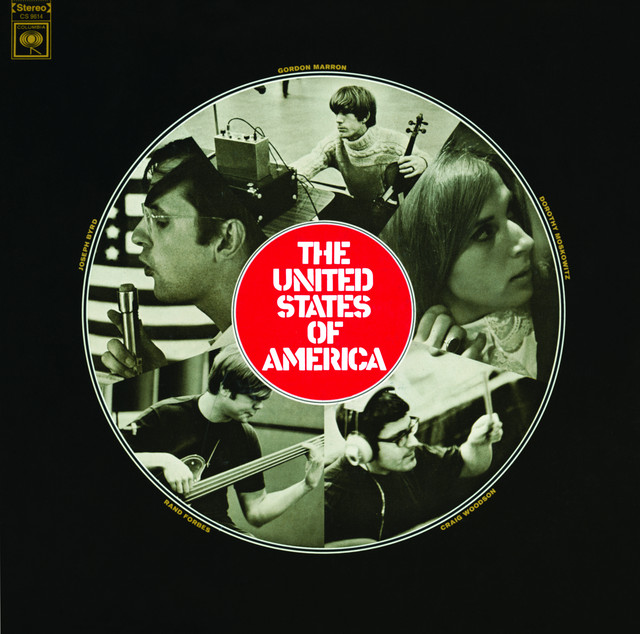
1. The United States Of America
This outfit from '68, they built a universe out of fuzz and oscillators, not guitars. It was a psychedelic trip, sure, but one laced with a disquieting hum, a cold electronic sheen that felt utterly alien then. They laid down blueprints for what electronic music *could* be, a true rebellion against the blues-rock hegemony. Not just a band, but a manifesto for noise and mind-bending soundscapes.
2 / 11
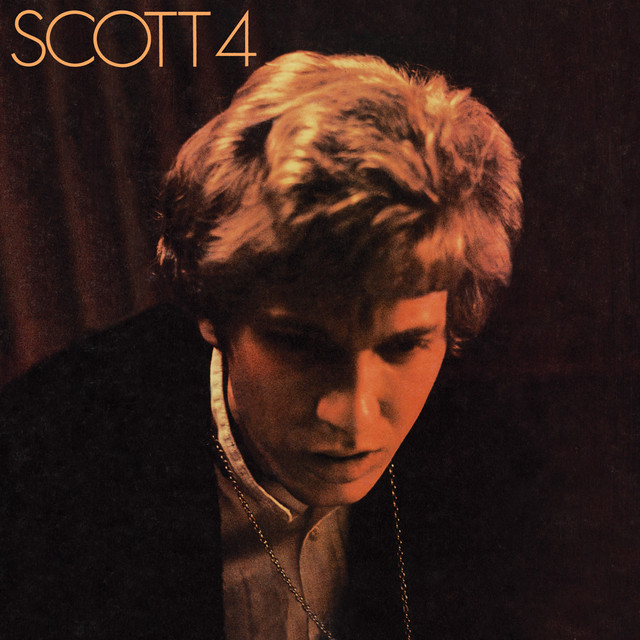
2. Scott 4
Scott Walker, on '69's *Scott 4*, he wasn't just singing; he was performing an autopsy on the modern soul. His baritone, draped in those lush, melancholic orchestrations, felt like a European art-house film set to music. It’s heavy, existential stuff, digging deep into the bleak corners of human experience, far removed from any pop pleasantries. A sophisticated, sorrowful masterclass in avant-pop.
3 / 11
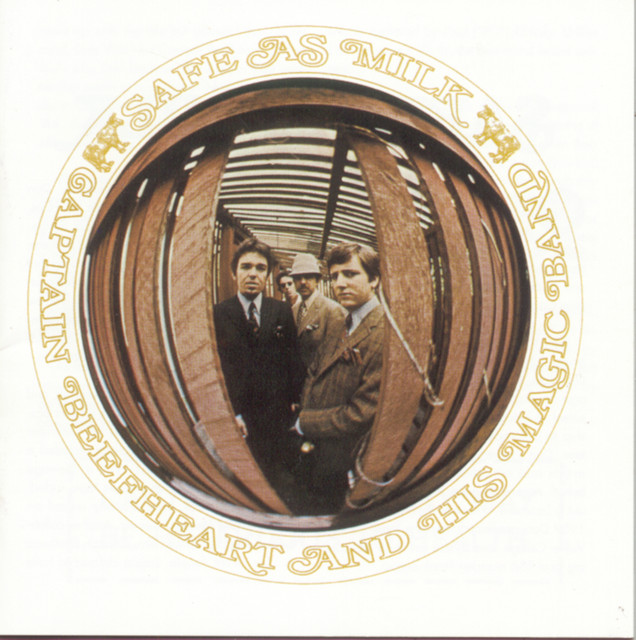
3. Safe As Milk
Beefheart's debut from '67, it was a primal scream wrapped in a delta blues fever dream. The Magic Band twisted rhythm and harmony into shapes no one had heard, while Don Van Vliet bellowed surreal poetry. It wasn't just rock; it was a joyous, chaotic explosion of avant-garde energy, a blueprint for how to dismantle and rebuild the blues from the ground up. Wild, raw, and utterly essential.
4 / 11
4. Faust IV (Deluxe Edition)
Faust's '73 offering, it’s a sprawling beast of Krautrock ingenuity. They took the motorik beat and stretched it, adding found sounds and industrial textures, crafting sonic landscapes that hummed with a quiet menace then exploded into playful chaos. It’s an album that rewards patience, revealing layers of hypnotic repetition and sly experimentation. A foundational text for sonic adventurers.
5 / 11
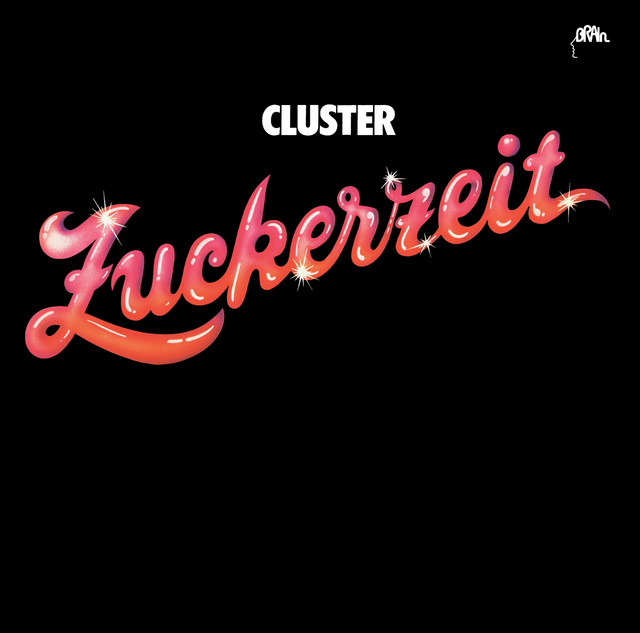
5. Zuckerzeit
Cluster, in '74, stripped down the electronic frontier to its bare, rhythmic bones. *Zuckerzeit* is pure, unadulterated minimalist electronic bliss, playful and precise. It hums with an almost childlike wonder, building intricate patterns with simple synth lines, a clear precursor to synth-pop while remaining firmly rooted in Krautrock’s adventurous spirit. Utterly influential, without making a fuss.
6 / 11

6. NEU! 75
This '75 record, it’s a tale of two sides, quite literally. One half, Klaus Dinger's primal, proto-punk motorik groove, all urgency and raw power. The other, Michael Rother's shimmering, almost ambient guitarscapes. *NEU! 75* showed the divergent paths Krautrock could take, a fascinating, often contradictory, but always compelling listen. It still sounds like the future breaking through.
7 / 11
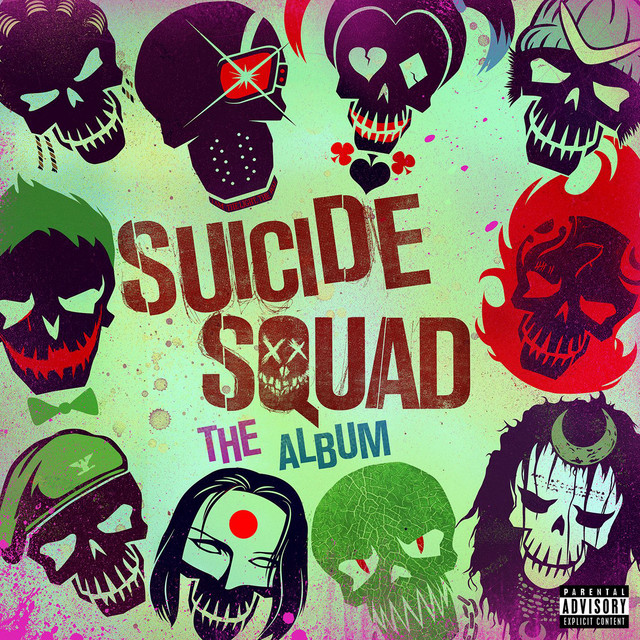
7. Suicide Squad: The Album
Now, this "album" from the mid-2010s, it's a peculiar beast. A jumble of disparate sounds, a commercial pastiche stitched together for some blockbuster spectacle. It lacks the cohesive vision, the raw grit, or the purposeful experimentation that defined the records we champion. Frankly, it's a cacophony, a symptom of modern malaise, far removed from anything that truly rattles the sound barrier.
8 / 11
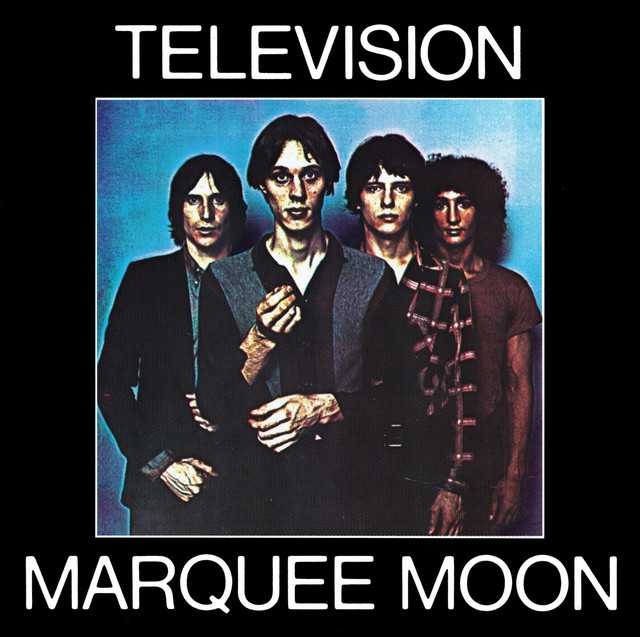
8. Marquee Moon
Television's '77 debut, *Marquee Moon*, it was a revelation for anyone tired of bloated rock. Tom Verlaine and Richard Lloyd's twin guitars wove intricate, almost jazz-like patterns, angular and precise. It was punk's intellectual cousin, sophisticated yet raw, capturing the nervous energy of New York City’s streets with poetic lyrics. A true post-punk masterpiece.
9 / 11
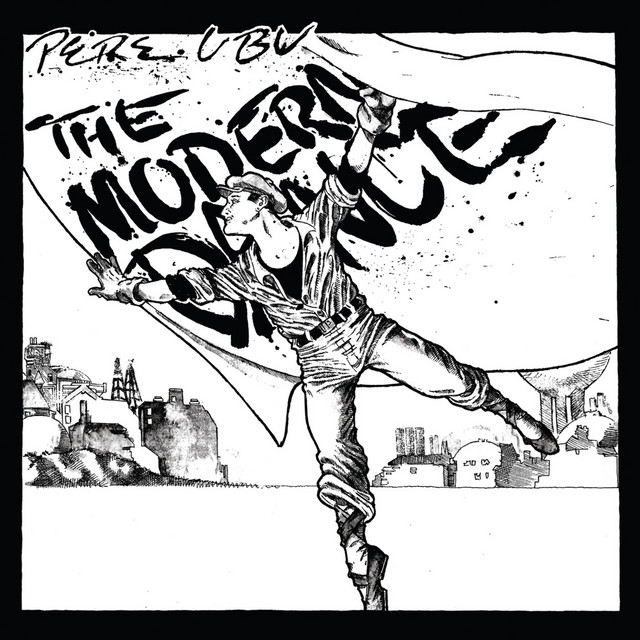
9. The Modern Dance
Pere Ubu's '78 offering, this was Cleveland's answer to urban dread. David Thomas's voice, a bizarre, almost primal instrument, cut through angular guitars and industrial clatter. It wasn't pretty, but it was vital, a deeply unsettling and utterly unique take on post-punk. This album scraped against the grain, delivering a visceral, experimental punch that still resonates.
10 / 11
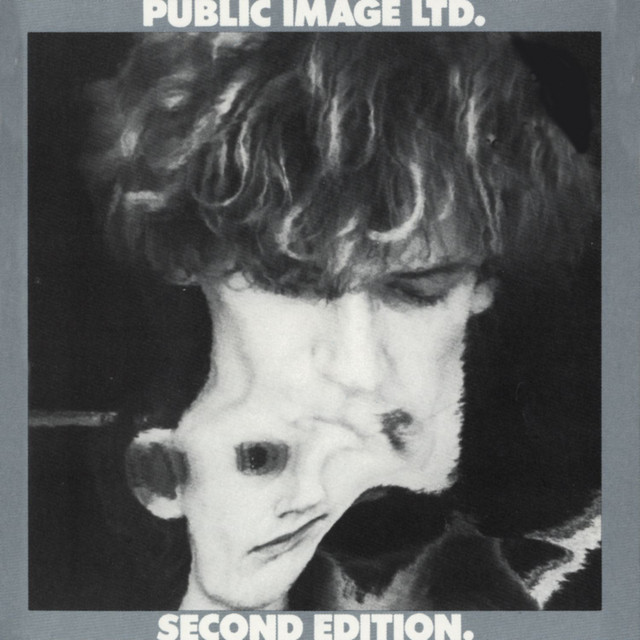
10. Second Edition
PiL's '79 statement, known also as *Metal Box*, was a defiant, industrial-strength rejection of punk's simplicity. John Lydon, post-Pistols, forged a sound of metallic percussion, deep dub basslines, and alienating vocals. It was uncompromising, challenging, and utterly groundbreaking. This was post-punk as an architectural demolition, carving out new spaces in the sonic landscape.
11 / 11

11. Kollaps
Einstürzende Neubauten's '81 debut, *Kollaps*, was less music, more controlled sonic destruction. They hammered on scrap metal, used power tools, and wrung primal noise from the unlikeliest sources. This wasn't just industrial; it was a violent, cathartic redefinition of what instruments could be. A harsh, beautiful, and utterly terrifying statement that still rattles bones.