
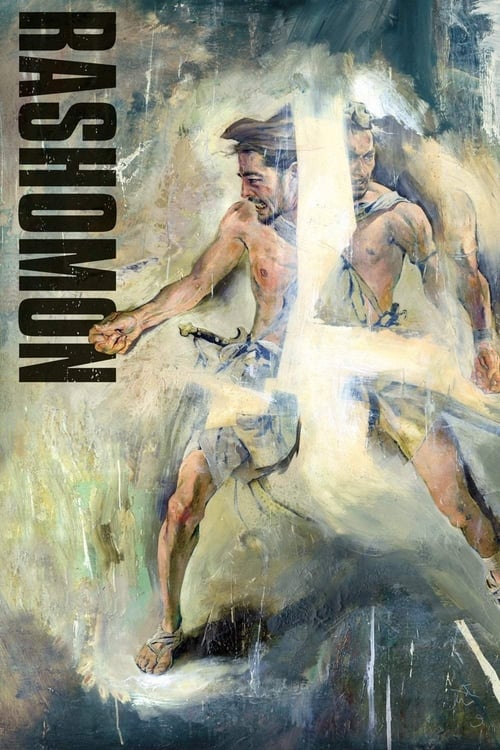
1. Rashomon
Kurosawa’s masterpiece fundamentally challenged cinematic storytelling, presenting an elusive truth through conflicting testimonies. Its non-linear structure and subjective viewpoints didn't merely entertain; they forced audiences to question the very nature of perception and memory. And so, it became a foundational text for exploring narrative reliability, echoing across countless subsequent films and debates on historical interpretation.
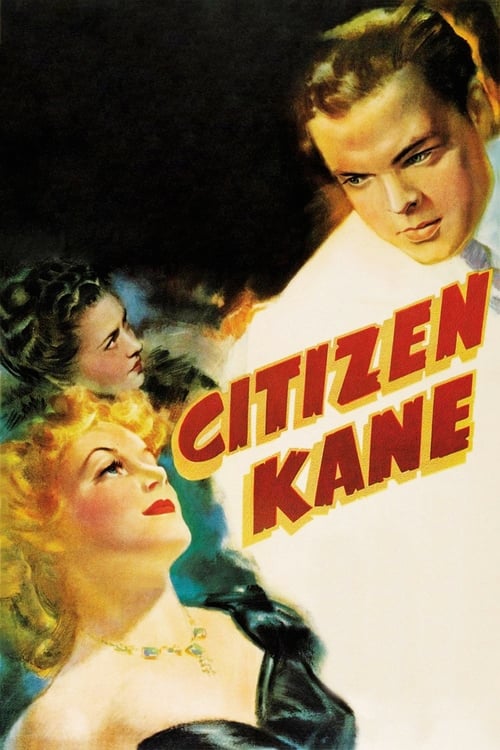
2. Citizen Kane
Orson Welles, a precocious auteur, reinvented film grammar with *Citizen Kane*. Its deep-focus cinematography, innovative sound design, and fragmented narrative shattered conventions, influencing generations. Yet, beyond technical brilliance, Kane’s examination of power, ambition, and the elusive American dream remains a poignant reflection on the hollowness of material success, still resonating in contemporary narratives.
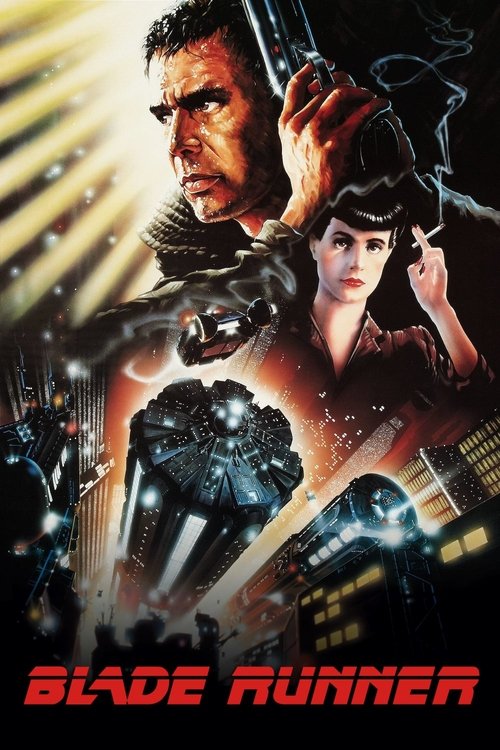
3. Blade Runner
Ridley Scott’s dystopian vision profoundly shaped science fiction cinema, crafting a rain-soaked, neon-drenched future that felt both alien and disturbingly familiar. But its true power lay in its philosophical inquiry: what defines humanity? The film’s replicants, searching for identity and a finite lifespan, offered a potent, melancholic meditation on creation, memory, and the soul in an increasingly technological world.
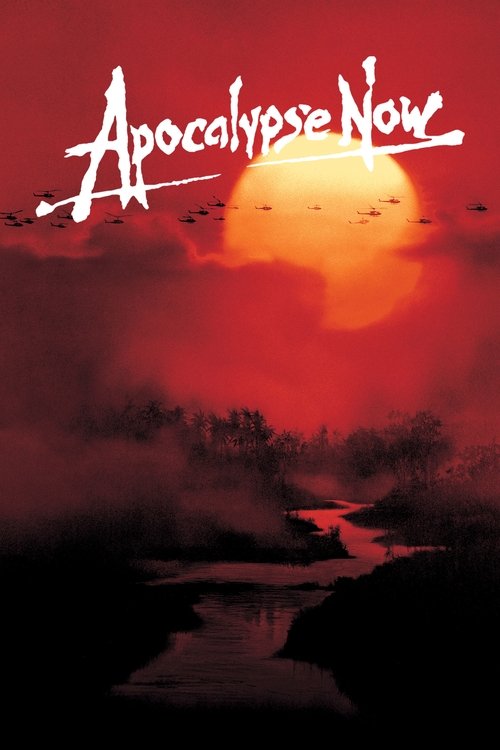
4. Apocalypse Now
Coppola’s descent into the heart of darkness transcends the war genre, becoming a sprawling, hallucinatory epic. It’s less about Vietnam and more about the primal madness war unleashes, within individuals and society. And so, the film's audacious scale, psychological intensity, and moral ambiguities continue to challenge viewers to confront the darkest aspects of the human psyche.

5. Stalker
Tarkovsky’s *Stalker* is not merely a film; it is an experience, a spiritual pilgrimage into the enigmatic Zone. Its slow, deliberate pace and haunting visuals create an almost meditative state, compelling viewers to ponder faith, desire, and the elusive nature of hope. And so, this cinematic poem remains a profound exploration of humanity’s search for meaning in a desolate landscape.

6. Persona
Ingmar Bergman stripped cinema bare with *Persona*, creating a stark, psychological drama that probes the very essence of identity and communication. The film's experimental structure, blurring of personalities, and audacious imagery redefined what cinema could achieve as an art form. And so, its unsettling intimacy and existential questioning continue to captivate and challenge audiences profoundly.
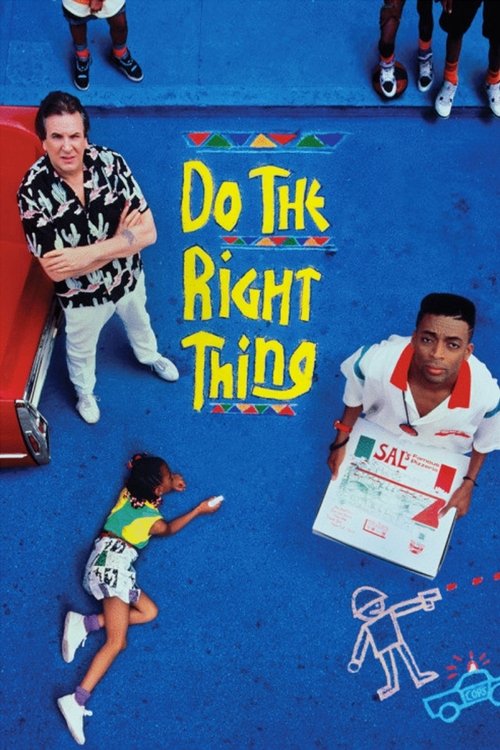
7. Do the Right Thing
Spike Lee’s potent, vibrant exploration of racial tension in a Brooklyn neighborhood remains astonishingly relevant. It doesn't offer easy answers, instead forcing audiences to grapple with complex moral ambiguities and systemic inequalities. And so, its explosive climax and vibrant characters continue to spark vital conversations about prejudice, justice, and the socio-political fabric of America.
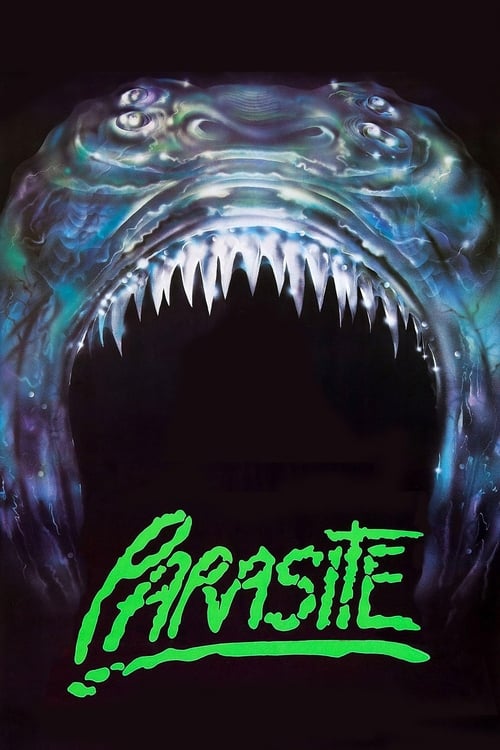
8. Parasite
Bong Joon-ho masterfully dissects class struggle with *Parasite*, a darkly comedic thriller that deftly blends genres. Its intricate plotting and sharp social commentary illuminate the insidious nature of economic disparity, transcending cultural barriers to achieve global resonance. And so, the film's incisive critique of capitalism continues to provoke uncomfortable, necessary reflections on our shared society.
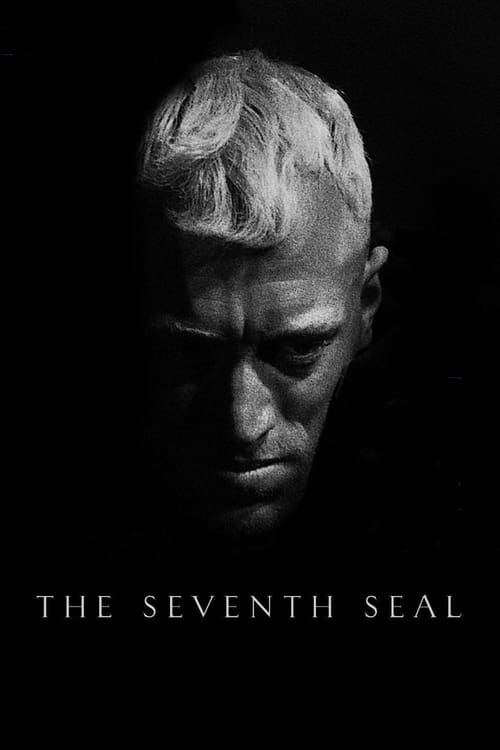
9. The Seventh Seal
Bergman's medieval allegory confronts death, faith, and the silence of God with stark, unforgettable imagery. The iconic chess game with Death is more than a scene; it's a profound existential query on purpose and belief in a time of plague and uncertainty. And so, this film endures as a timeless meditation on humanity's struggle with mortality and spiritual doubt.
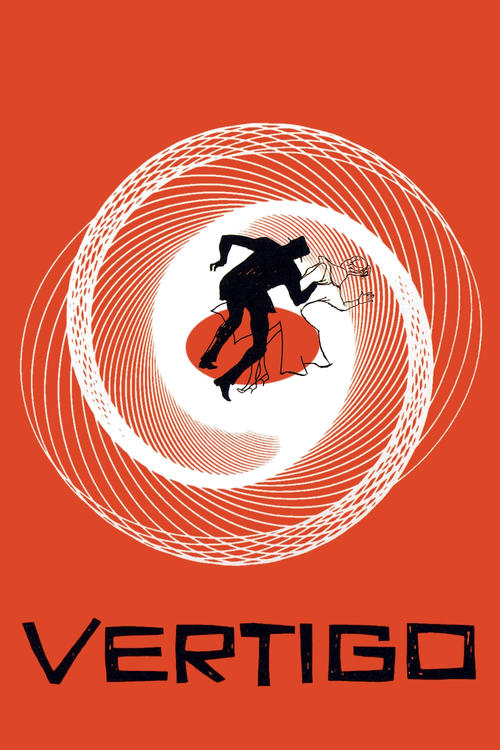
10. Vertigo
Hitchcock's psychological masterpiece is a dizzying exploration of obsession, identity, and male gaze, presented with groundbreaking visual style. Its iconic "vertigo effect" and complex narrative unravel a tragic romance built on deceit and delusion. And so, the film's recursive themes and melancholic beauty continue to inspire and provoke discussions about cinematic form and psychological depth.
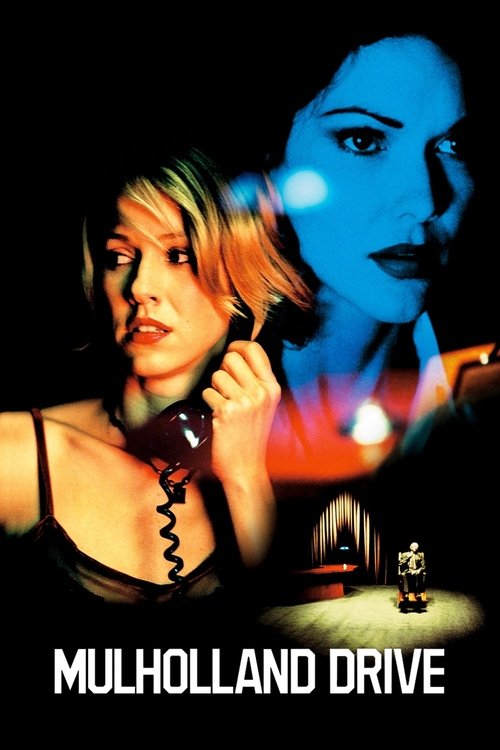
11. Mulholland Drive
David Lynch's enigmatic dreamscape is a labyrinthine journey through Hollywood's dark underbelly, blurring reality and illusion. It defies conventional narrative, inviting viewers into a deeply personal, often terrifying, exploration of identity, ambition, and shattered dreams. And so, its surreal logic and haunting atmosphere cement its place as a profound, endlessly debated cinematic puzzle.