1. Playhouse 90
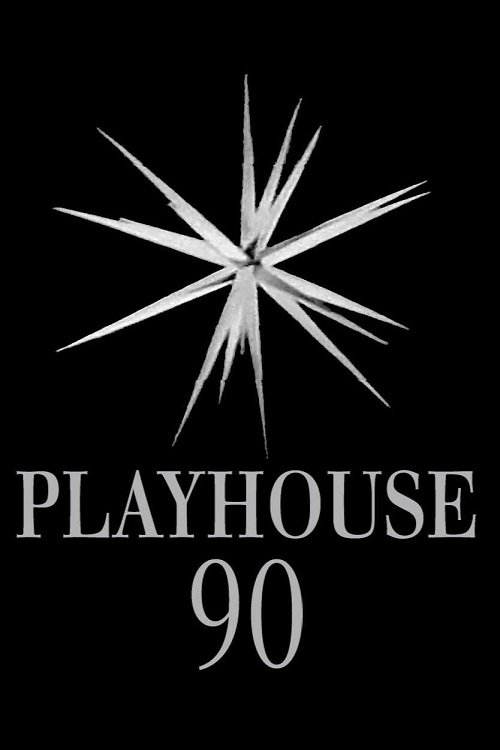
Playhouse 90, back in '56, that was something else. Live television, ninety minutes, no do-overs. You felt the electricity, the actors on the high wire, making history right before your eyes. It wasn't always polished, but the ambition, the raw power of those dramas, often in black-and-white, felt like real life unspooling. A true event every week, a window into serious storytelling without the safety net.
2. The Outer Limits
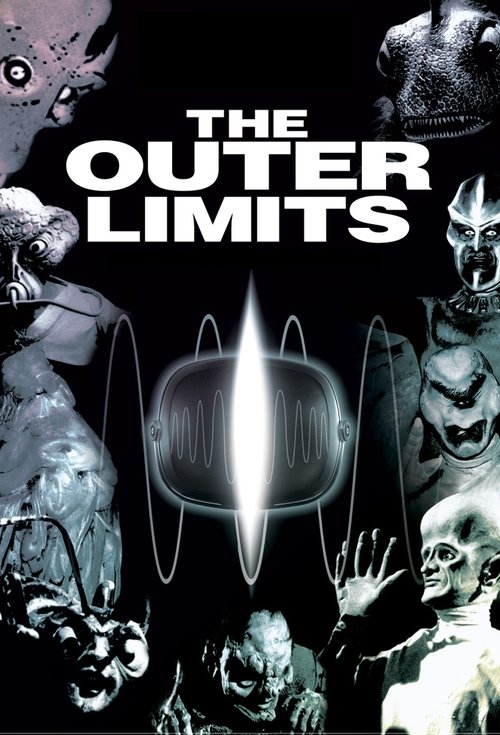
Now, The Outer Limits from '63, that was a different beast entirely. It had this stark, almost experimental look, all those strange camera angles and chiaroscuro lighting. Not just monsters, though it had plenty, but big ideas too. They’d mess with your head, make you think about what was out there, or inside us. A truly atmospheric show, a bit unsettling, and always pushing the boundaries of what TV could show you.
3. Alfred Hitchcock Presents
Alfred Hitchcock Presents, starting way back in '55, was a master class in suspense. That silhouette, that droll voice, he set the tone perfectly. Each week, a neat little package of intrigue, often with a wicked twist. Black-and-white, of course, which only amplified the shadows and the creeping dread. It proved you didn't need car chases to be thrilling; a well-told story and a surprise ending were more than enough to hook you.
4. Thriller
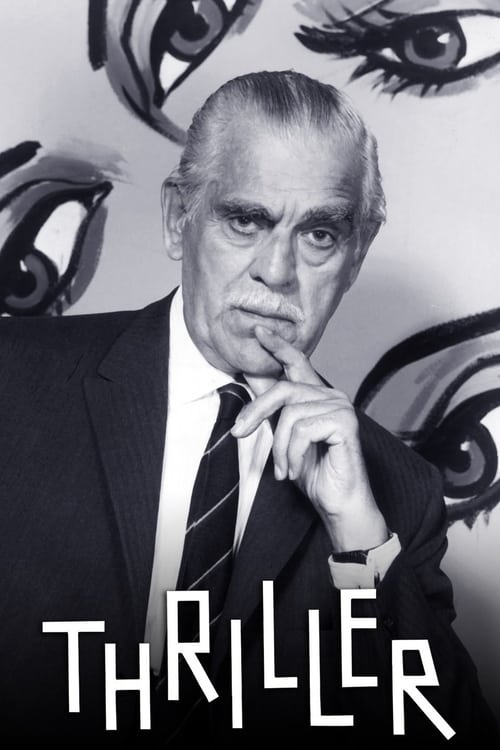
Thriller, with Boris Karloff hosting from 1960, truly delivered on its name. This wasn't just spooky; some episodes were genuinely chilling, pushing the envelope for network television. Karloff's presence lent it a certain gravitas, a nod to classic horror. They often leaned into gothic tales, ghostly encounters, and psychological torment. The black-and-white photography really enhanced that sense of dread, making shadows feel like something truly menacing.
5. East Side/West Side
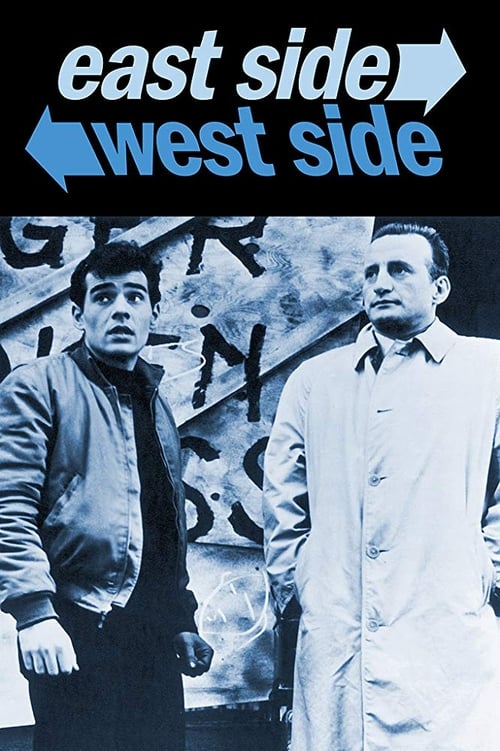
East Side/West Side from '63, that was daring for its time. George C. Scott playing a social worker in New York, tackling real-world problems. It wasn't escapism; it was raw, often uncomfortable drama about poverty, prejudice, and bureaucracy. They didn't shy away from complex issues, and the black-and-white photography gave it a stark, documentary-like feel. It was serious television, a stark contrast to the sitcoms, a true glimpse into urban struggles.
6. Coronet Blue
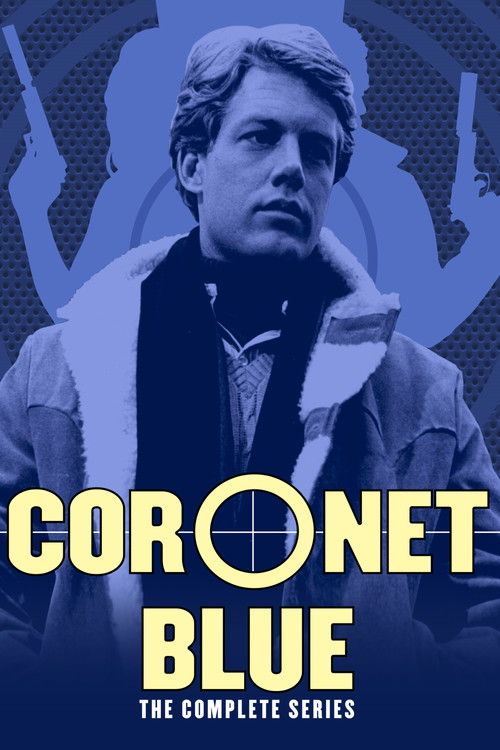
Coronet Blue, only a single season in '67, but it left a mark. This was early serialized storytelling done right, a real mystery stretching across episodes. A man with amnesia, hunted by unknown forces, trying to piece together his past. You had to tune in every week to get another clue. It was a bold experiment for its era, a puzzle box that unfortunately ended too soon, but showed the potential for ongoing, complex narratives.
7. Kolchak: The Night Stalker
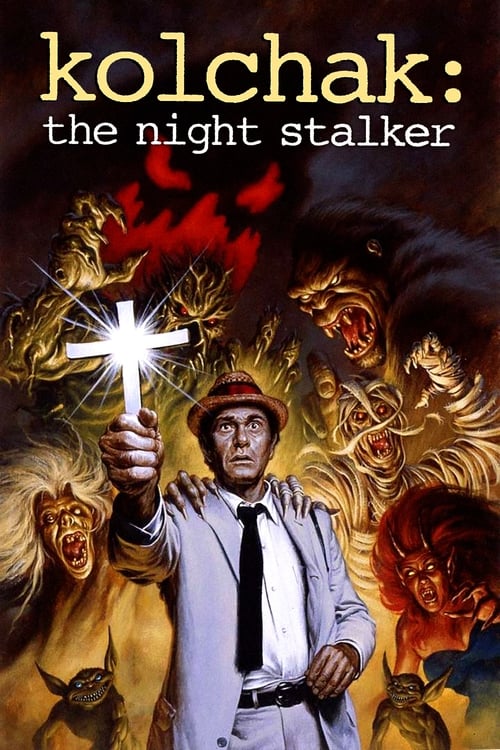
Kolchak: The Night Stalker, from '74, that was a wild ride. Darren McGavin as a reporter chasing vampires, werewolves, and all sorts of things that go bump in the night. It took the monster-of-the-week format and gave it a cynical, hard-boiled edge. Filmed on location, often at night, it had a grimy, gritty feel. A bit campy, sure, but genuinely creepy sometimes, and Kolchak himself was just a joy to watch, always getting into trouble.
8. Harry O
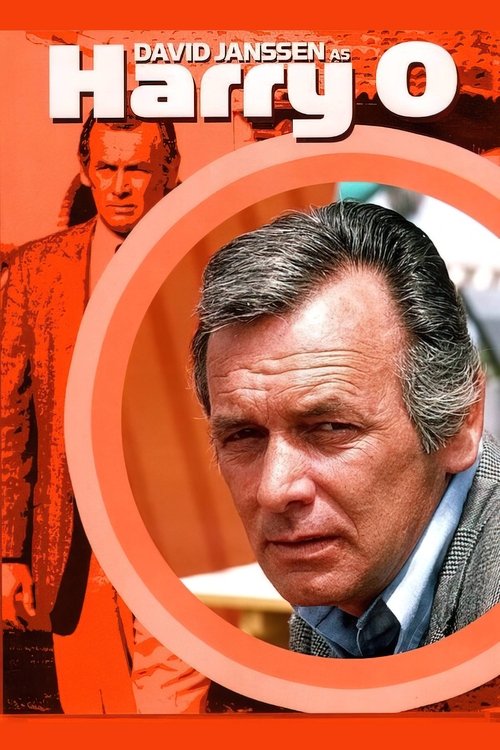
Harry O, also from '74, brought David Janssen back to television as a different kind of detective. He was a private eye, yes, but one with a bad back, living by the beach, taking buses. Not your slick, hard-hitting type. It was a character-driven show, introspective and a bit melancholy. The cases were interesting, but it was Janssen’s world-weary performance that made it stand out, a quiet, thoughtful approach to the gumshoe genre.