
1 / 7

1. The Fugitive
The Fugitive, that black-and-white chase across America, was a revelation. It wasn't just a weekly adventure; it was serialized drama before we even had a name for it. Kimble, on the run, bumping into new lives, new problems each week – it built tension over years. And that one-armed man, always just out of reach. It proved television could tell a long story, keeping you hooked for seasons, not just one night. A real milestone.
2 / 7
2. The Prisoner
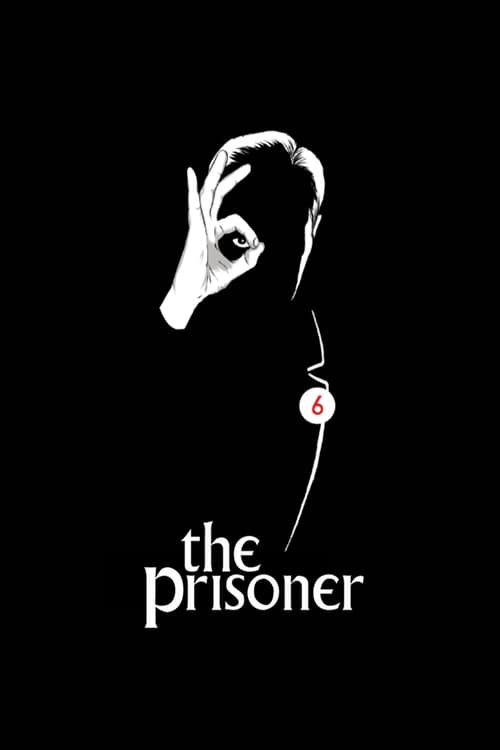
Now The Prisoner, that was something else entirely. It felt like a fever dream unfolding on screen, even in color. McGoohan, trapped in that village, constantly battling for his identity. It wasn't just a spy show; it was an allegory, a puzzle box. And it wasn't neat and tidy; it asked questions and dared you to figure them out. Broadcast television, for all its structure, could be truly experimental, and this proved it.
3 / 7
3. Route 66
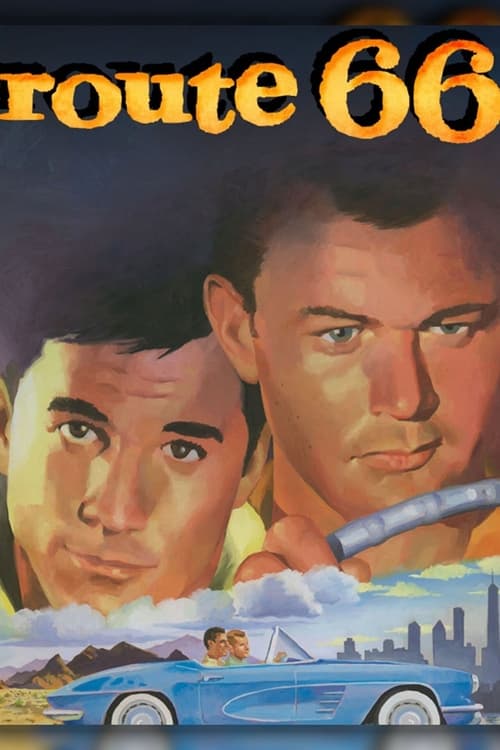
Route 66, in glorious black and white, was the original road trip. Tod and Buz, two young men, cruising across America in that Corvette, stopping in different towns. It felt like an anthology series each week, showcasing different slices of life, different problems. And the guest stars they had! It was a snapshot of the country, a real sense of place and time, even though the stories were often melodramatic. Good television.
4 / 7

4. Naked City
Naked City, oh, that was New York itself, in stark black and white. 'There are eight million stories in the Naked City...' and they told a new one each week. It was a gritty, almost documentary-style look at crime and life in the big city. Not slick, not glamorous, but real people, real struggles. It showed early television could tackle serious themes, giving you a sense of place and urgency that felt authentic.
5 / 7
5. Thriller
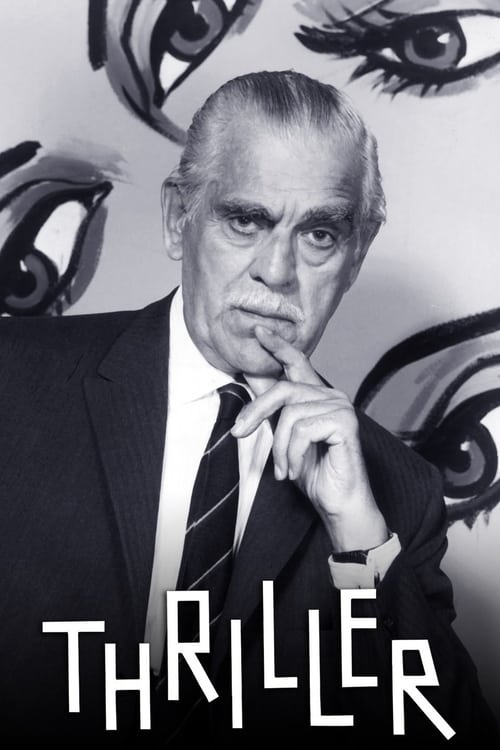
And then there was Thriller, Boris Karloff's anthology. It never quite got the same pop culture pull as its contemporaries, but it was often far more unsettling. Dark, atmospheric tales, often dipping into genuine horror, not just sci-fi twists. Karloff's introductions, that deep voice, set the mood perfectly. It showed that good old-fashioned dread, expertly crafted in black and white, could keep you glued to your set.
6 / 7
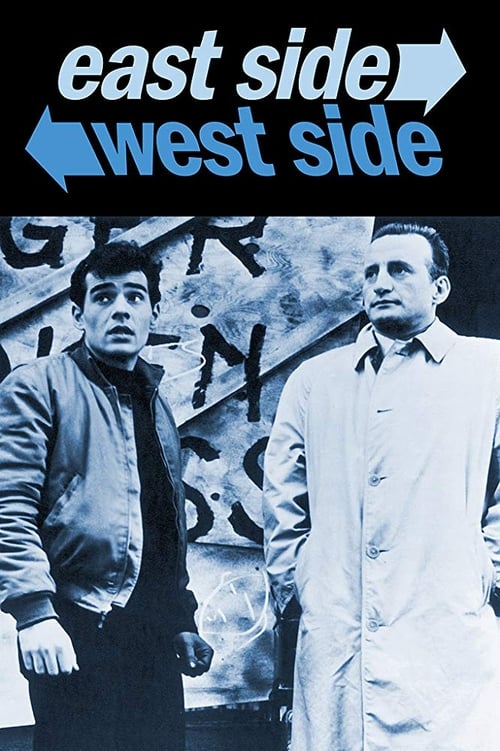
6. East Side/West Side
East Side/West Side, with George C. Scott as a social worker in New York, was ahead of its time. This wasn't feel-good television; it tackled poverty, race, and injustice head-on, often in uncomfortable ways. In black and white, the starkness of the issues felt even more pronounced. It pushed boundaries, and maybe that's why it didn't last long, but it proved broadcast could be a platform for serious, thought-provoking drama.
7 / 7
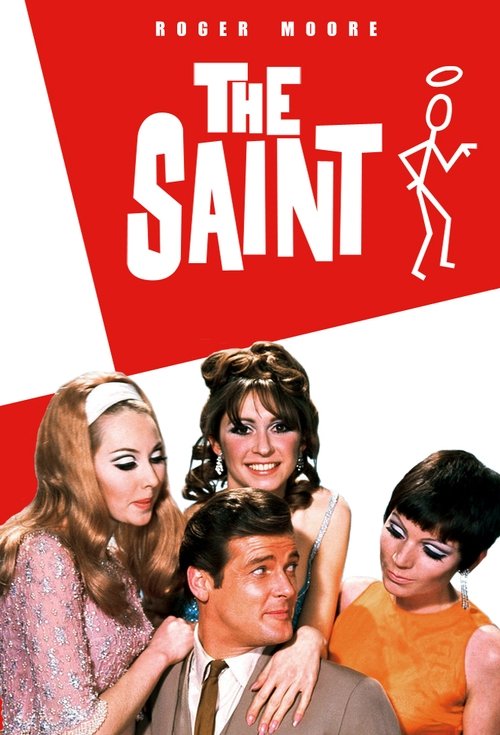
7. The Saint
The Saint, with Roger Moore, was pure escapism. Simon Templar, that charming rogue, jet-setting around, solving crimes and outwitting villains. It began in black and white, but the charm was always there, slick and sophisticated. It established that archetype of the suave adventurer, a kind of proto-Bond for the small screen. And it delivered a satisfying, self-contained mystery each week. Just good, solid entertainment.