

1 / 11

1. Naked City
Naked City, the 1958 version, really nailed that gritty New York feel, didn't it? Every week, you got a fresh story, often ripped right from the headlines, playing out like a stark black-and-white melodrama. That closing line, "There are eight million stories in the Naked City. This has been one of them," well, it just stuck with you. It showed us the city, warts and all, with a real sense of place that few shows managed back then. A true early procedural, you could say.
2 / 11
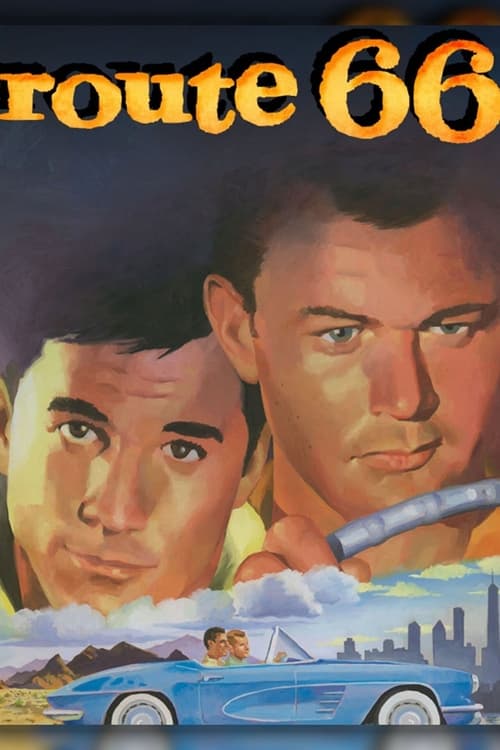
2. Route 66
Route 66, starting in 1960, was a real adventure. Two young fellas, Tod and Buz, just driving that Corvette across America, bumping into new folks and new troubles every single week. It was episodic, sure, but their journey gave it a sort of long-form feel, a thread pulling you along. You saw the country, saw different lives, and it felt like a new movie every Friday night. A great way to see the world without leaving your living room, that was.
3 / 11
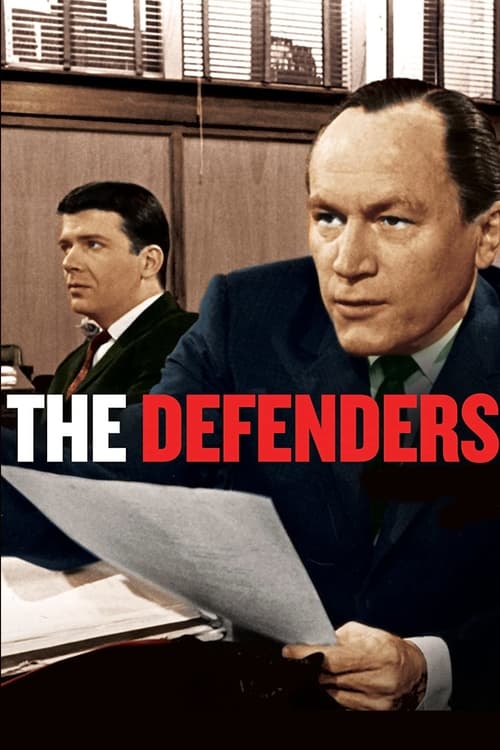
3. The Defenders
The Defenders, from '61, wasn't just another courtroom drama. It tackled some seriously heavy stuff for its time, you know, civil rights, abortion, free speech. Preston senior and junior, father and son lawyers, they made a compelling pair. Each episode felt like a standalone play, a real anthology piece, but with that continuous family dynamic. It made you think, really challenged the audience, instead of just giving you easy answers. Good, solid television, that was.
4 / 11

4. Danger Man
Before he was The Prisoner, Patrick McGoohan was John Drake in Danger Man, the original 1960 series. This was proper spy stuff, not all gadgetry and flash, but clever, understated espionage in black and white. Drake was a cool customer, always outsmarting the baddies with his wits. It had that distinct British flavor, a bit more subtle than what we were used to. A quick half-hour, too, which was a neat package for a spy caper.
5 / 11
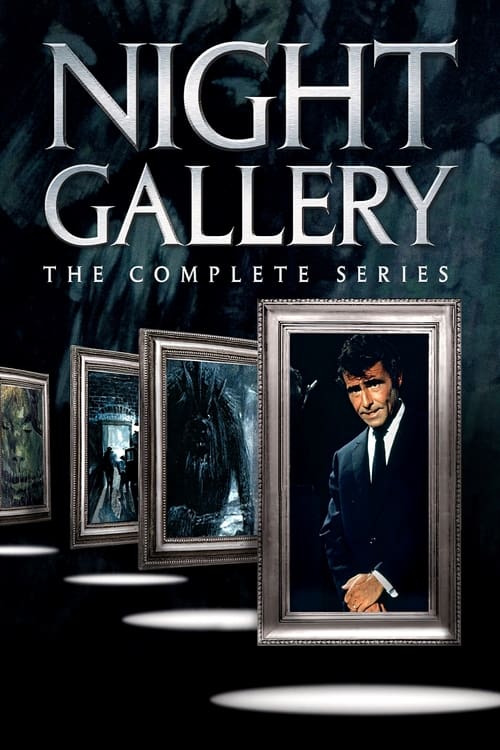
5. Night Gallery
Night Gallery, starting in 1970, was Rod Serling's follow-up to Twilight Zone, and it had a different, darker vibe. Less sci-fi, more supernatural and horror, often with a twist ending that stuck in your craw. Serling himself introducing each eerie painting was pure class, setting the mood just right. And, being in color, it allowed for some truly memorable, unsettling visuals. A real treat for those who liked their chills with a bit of artistic flair.
6 / 11
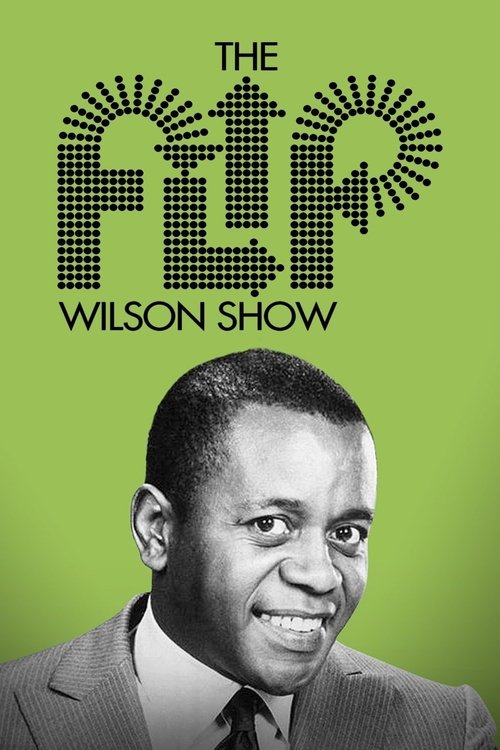
6. The Flip Wilson Show
The Flip Wilson Show, kicking off in 1970, was a sensation, a proper variety hour. Flip was a true innovator, bringing characters like Geraldine Jones and Reverend Leroy to life with such natural charm and impeccable timing. It was groundbreaking, too, a Black performer hosting a major network show. And those guest stars! Every week, big names joined in the sketches and musical numbers. Just pure, unadulterated entertainment, a real Saturday night staple.
7 / 11
7. Thriller
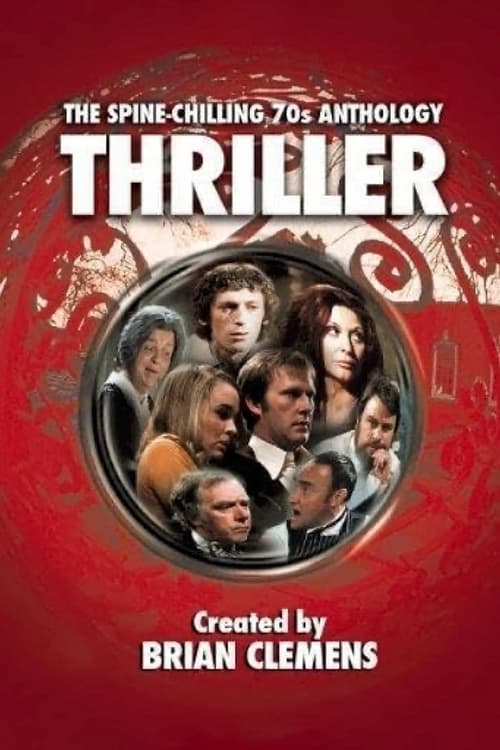
Now, this 'Thriller' from 1973, that’s the British anthology series, not the Michael Jackson album! Each episode was a feature-length suspense story, often with a clever, unexpected twist. It really leaned into psychological tension, building dread slowly. Unlike some of our American anthologies, these were full-blown mini-movies every week, with a consistent, chilling style. If you like your scares more cerebral than jumpy, this is a forgotten gem worth digging up.
8 / 11
8. Harry O
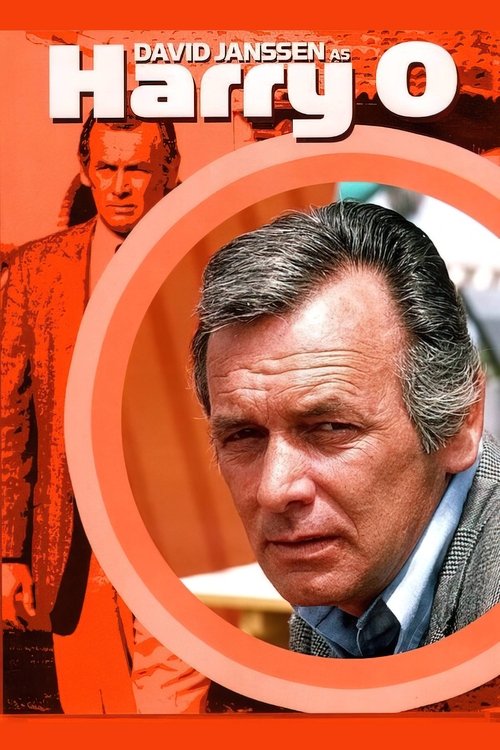
Harry O, with David Janssen in '74, was a different kind of private eye. He wasn't some hard-boiled tough guy; he was a thoughtful, often melancholic ex-cop living on a beach, nursing old injuries. It had a slower pace, more character-driven than typical procedurals. And while episodic, Harry's personal struggles and his quirky relationships gave it an early taste of ongoing character development, a bit of that long-form continuity you don't often find in detective shows.
9 / 11

9. The White Shadow
The White Shadow, from 1978, was more than just a basketball show. Ken Howard played a white former NBA player coaching an inner-city high school team, and it dove right into the kids' lives, their problems, their dreams. It tackled tough subjects—racism, poverty, family issues—with a lot of heart, but without being preachy. It had that ensemble feel, like a family you got to know week after week. Really showed the power of a good coach.
10 / 11
10. Crime Story
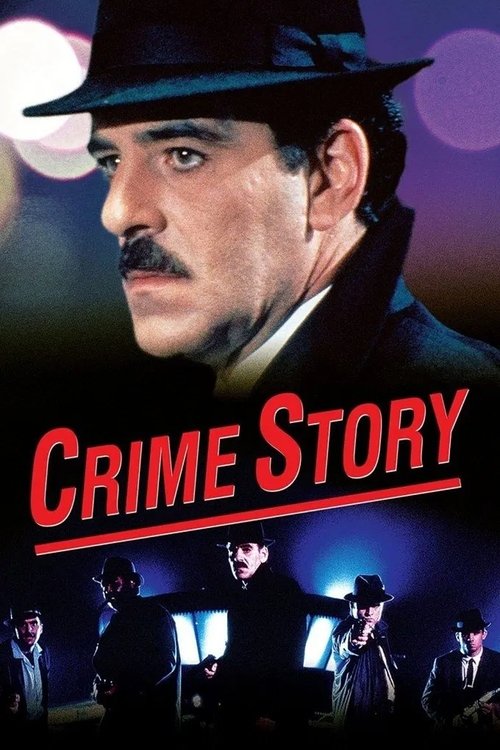
Crime Story, hitting the air in '86, was a game-changer. From Michael Mann, it wasn't your typical weekly wrap-up. This was a fully serialized narrative, one long chase between cop Mike Torello and gangster Ray Luca, spanning years. It felt like watching a long movie, with a cinematic look and an 80s grit you hadn't seen much on TV. It really pushed the boundaries of what broadcast television could do with ongoing storylines. Quite revolutionary, actually.
11 / 11
11. Alien Nation
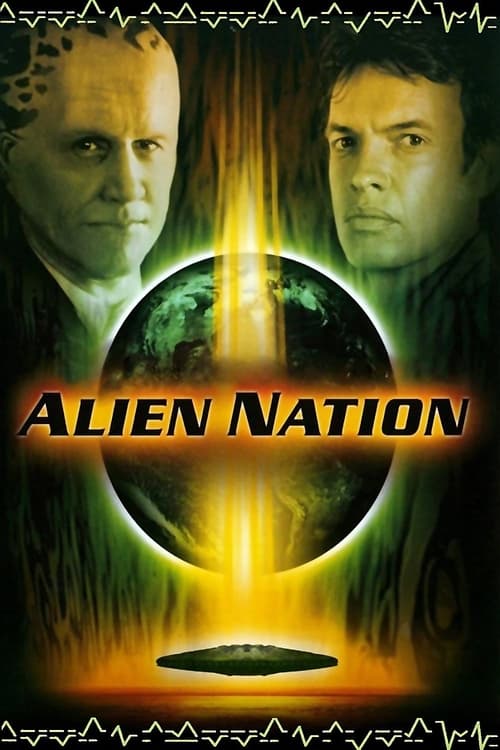
Alien Nation, from '89, took a sci-fi premise—aliens crash-landing and integrating into society—and used it for sharp social commentary. It was a police procedural, sure, but the 'Newcomers' represented immigrants, and the show explored prejudice and assimilation with surprising depth. It also had a strong serialized storyline, following the lives of Detective Sikes and his alien partner, Francisco. A clever way to tell human stories through a speculative lens, that was.