1 / 11

1. Pong (1972)
Before Pong, video games were curiosities, locked away in labs. But then came this simple, two-paddle, one-ball affair. It wasn't just a game; it was an invitation, a public demonstration of interactive digital entertainment. And it worked. Pong proved that electronic amusement could be a viable, mass-market product, sparking the arcade boom and laying the groundwork for an entire industry. Its elegance was its power, making it an undeniable historical anchor.
2 / 11
2. Space Invaders (1978)
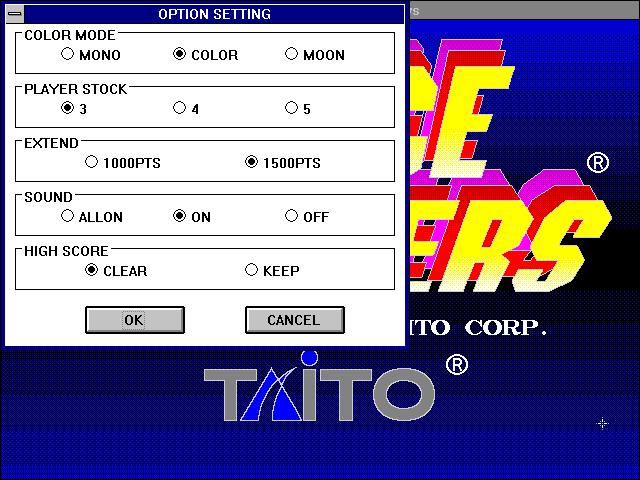
Space Invaders wasn't the first shooter, but its relentless, descending alien hordes and iconic sounds made it an obsession. This game codified the arcade experience, introducing concepts like high scores, escalating difficulty, and the sheer addiction of chasing that next coin drop. It created a cultural phenomenon, inspiring countless imitations and demonstrating the commercial potential of fast-paced, reflex-driven gameplay. The quarter-muncher was truly born here, etching itself into public consciousness.
3 / 11
3. Super Mario Bros.
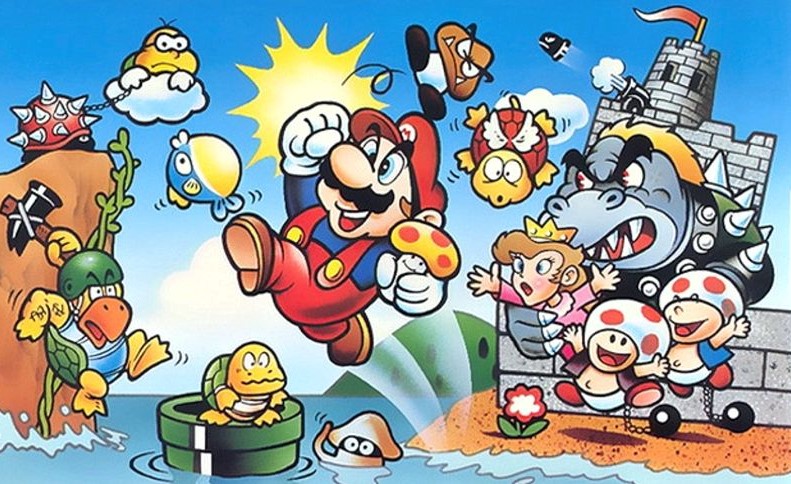
Super Mario Bros. didn't just save the console market after the '83 crash; it redefined platforming itself. Shigeru Miyamoto's masterpiece introduced scrolling levels, hidden secrets, and a sense of joyful, fluid movement that felt revolutionary. It taught players the language of video games—jump, run, explore. This wasn't just a fun game; it was a masterclass in level design and player engagement, establishing Nintendo as a powerhouse and Mario as an icon.
4 / 11

4. Tetris (1984)
Tetris, a game born in the Soviet Union, transcended language and culture with its deceptively simple premise. Rotating and dropping falling blocks to clear lines seems basic, yet it's endlessly compelling. It proved that a game didn't need elaborate graphics or a complex narrative to be universally addictive. And, its ubiquitous presence on the Game Boy cemented portable gaming's viability, demonstrating enduring appeal through pure, elegant puzzle mechanics.
5 / 11
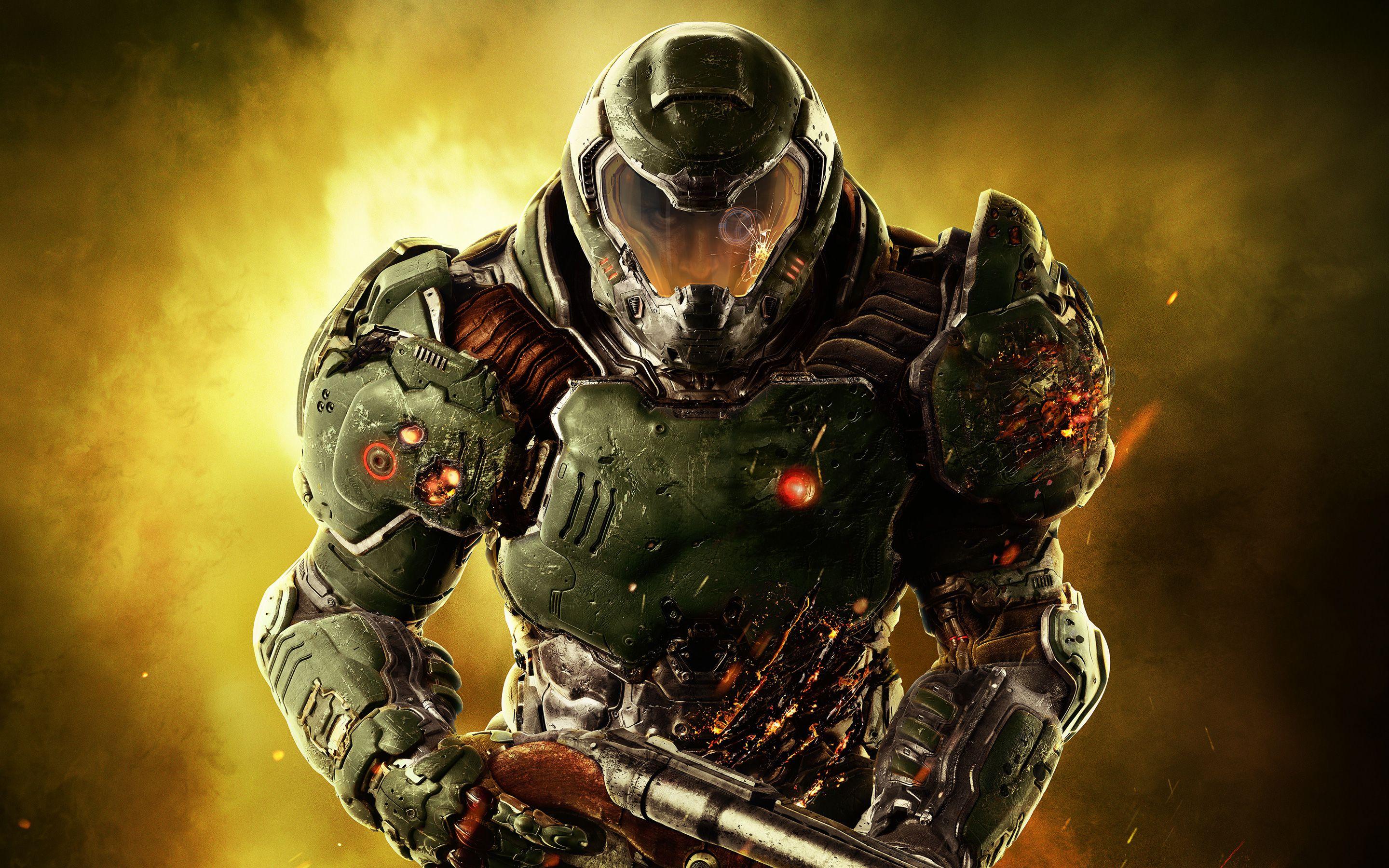
5. DOOM (2016)
The original Doom pioneered the FPS genre, but the 2016 reboot surprised everyone. It wasn't just a nostalgic retread; it was a masterclass in modernizing a classic while retaining its brutal core. The game focused on aggressive, push-forward combat, rejecting cover mechanics for visceral glory kills. It proved that a single-player shooter could still be compelling and innovative, delivering a relentless, empowering experience that felt both fresh and deeply familiar.
6 / 11
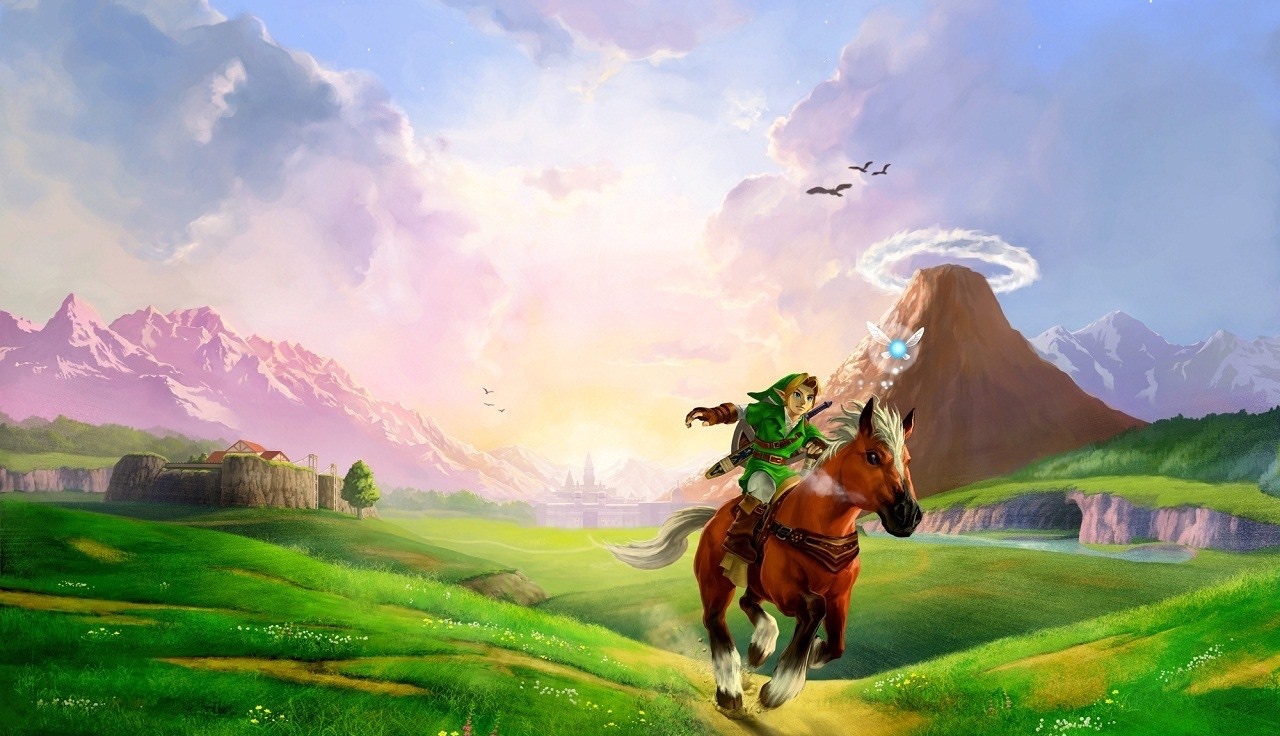
6. The Legend of Zelda: Ocarina of Time
Ocarina of Time didn't just transition Zelda into 3D; it wrote the blueprint for 3D adventure games for years to come. Its Z-targeting system, contextual controls, and vast, interconnected world set new standards for exploration and combat. It crafted a living, breathing Hyrule that felt epic and intimate simultaneously. For many, it was a defining moment in gaming, showcasing the narrative and emotional potential of the nascent 3D era.
7 / 11
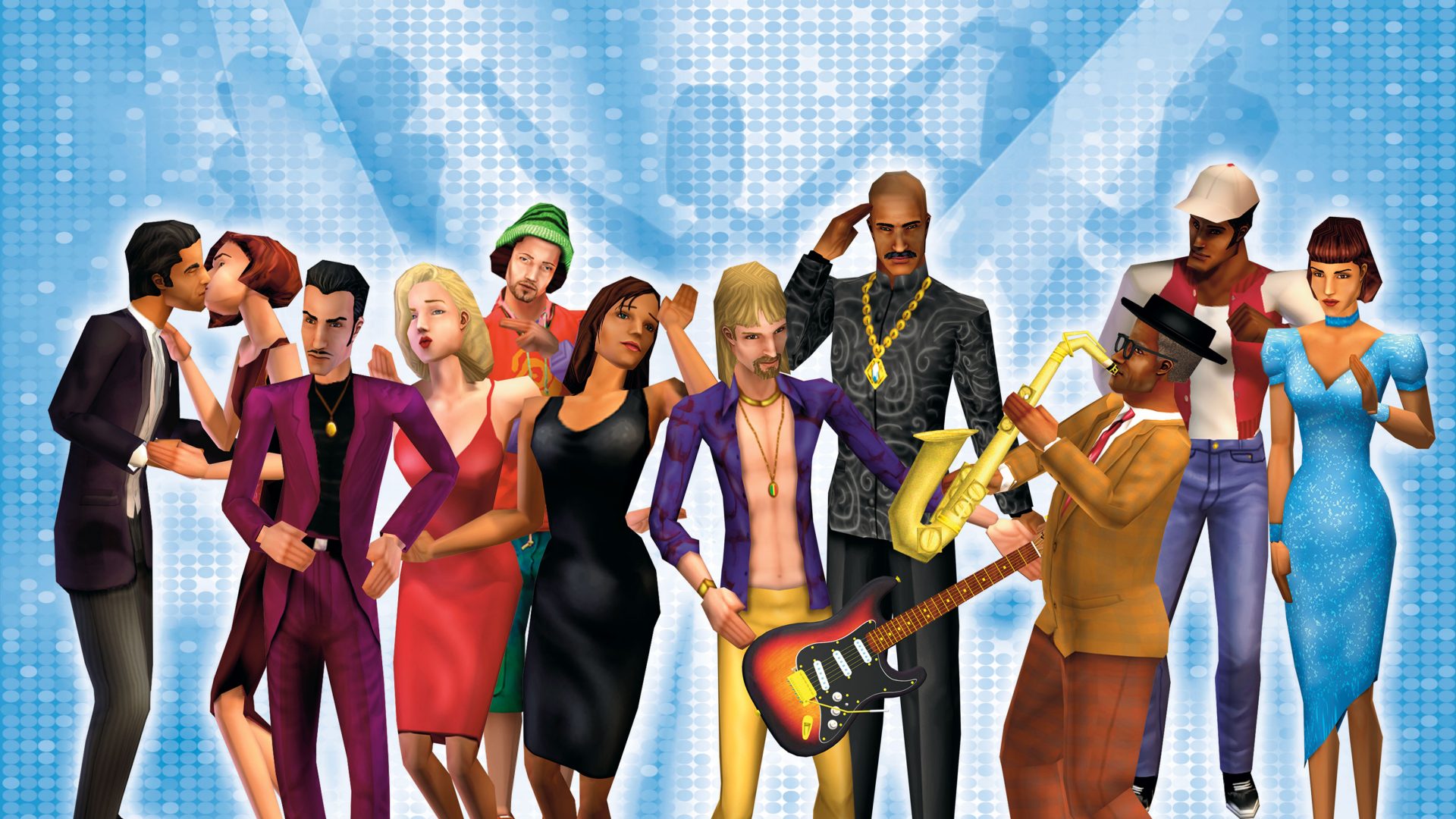
7. The Sims
The Sims wasn't about winning; it was about living. This simulation broke away from traditional objectives, offering players a digital dollhouse to build, manage, and observe virtual lives. It democratized game design, letting players tell their own stories through emergent gameplay. It tapped into a universal fascination with human behavior and creativity, proving that a mainstream audience existed for games focused on life simulation and personal expression, shifting genre expectations.
8 / 11
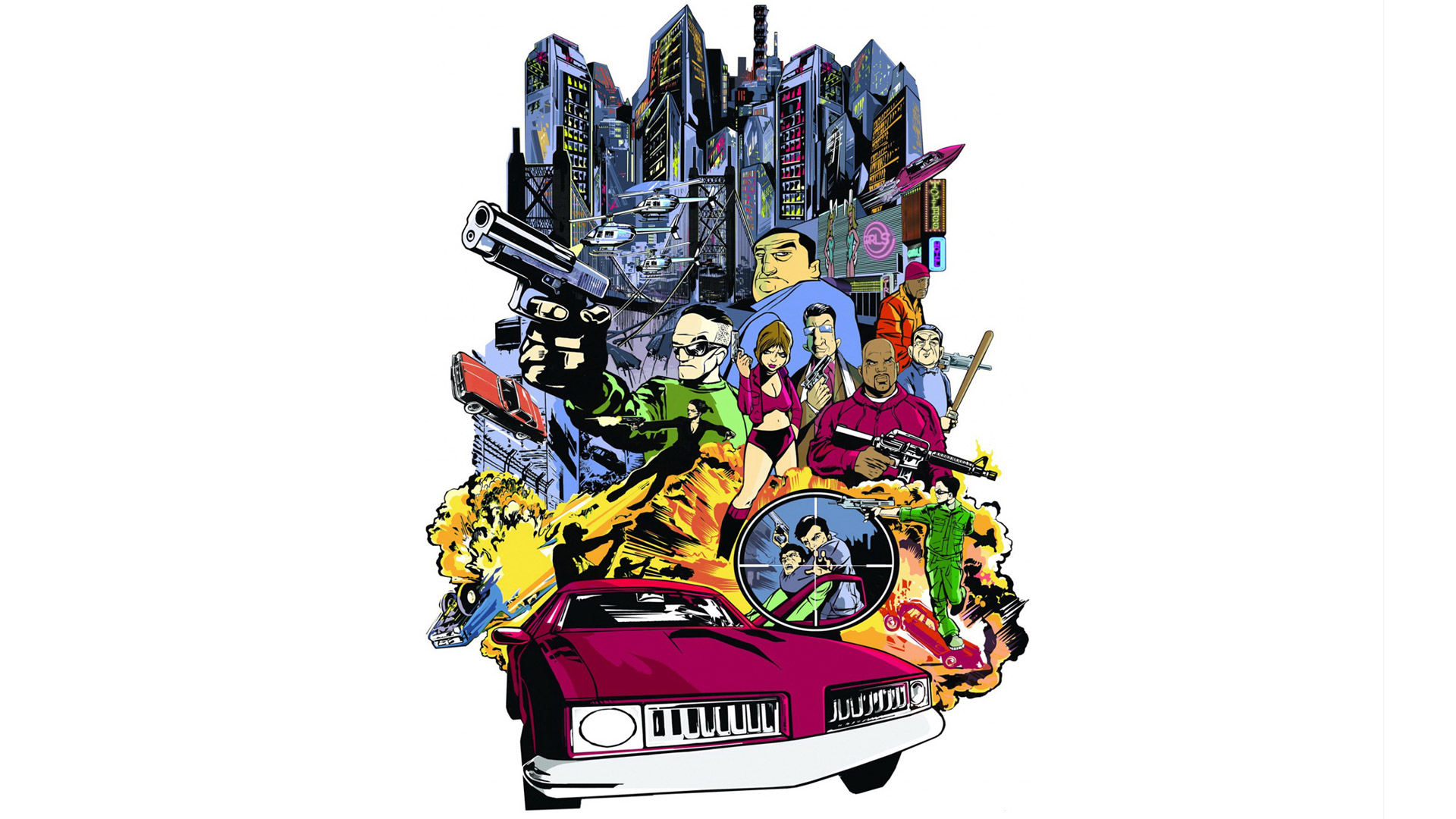
8. Grand Theft Auto III
Grand Theft Auto III blew the doors off open-world design. Its fully 3D, living city, Liberty City, felt like a character itself, teeming with possibilities, pedestrians, and emergent chaos. It established a new paradigm for player freedom, allowing exploration and mission-taking at will, rather than on rails. The game's mature themes and controversial nature also pushed boundaries, forcing a conversation about narrative and player agency in mainstream titles.
9 / 11
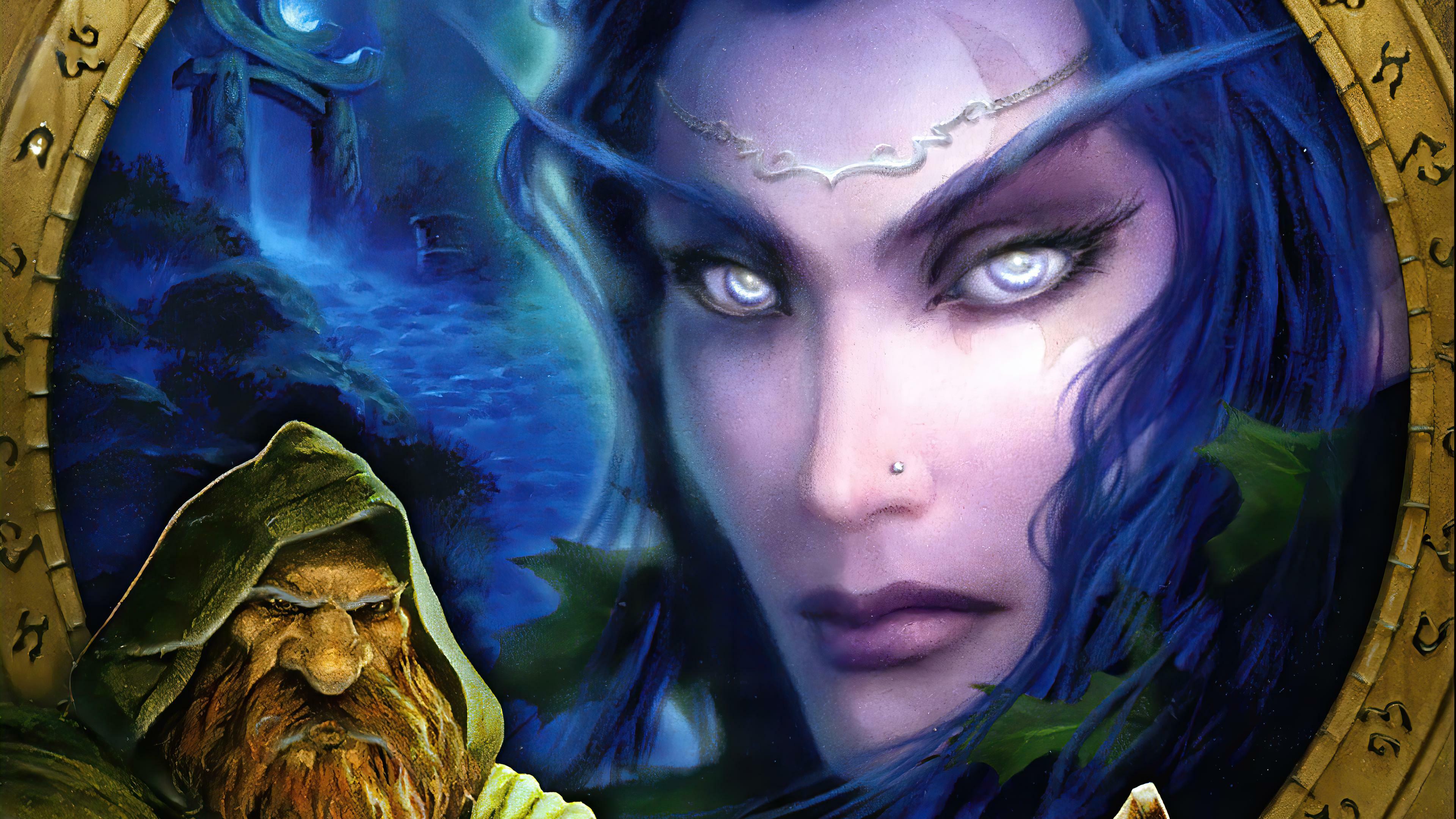
9. World of Warcraft
World of Warcraft didn't invent the MMO, but it perfected its formula for the masses. Its accessible questing, rich lore, and robust social systems created a digital second home for millions. It redefined online community, demonstrating the power of persistent worlds and collaborative storytelling on an unprecedented scale. WoW proved that subscription models could thrive and that gaming could be a profound, shared social experience stretching across years.
10 / 11
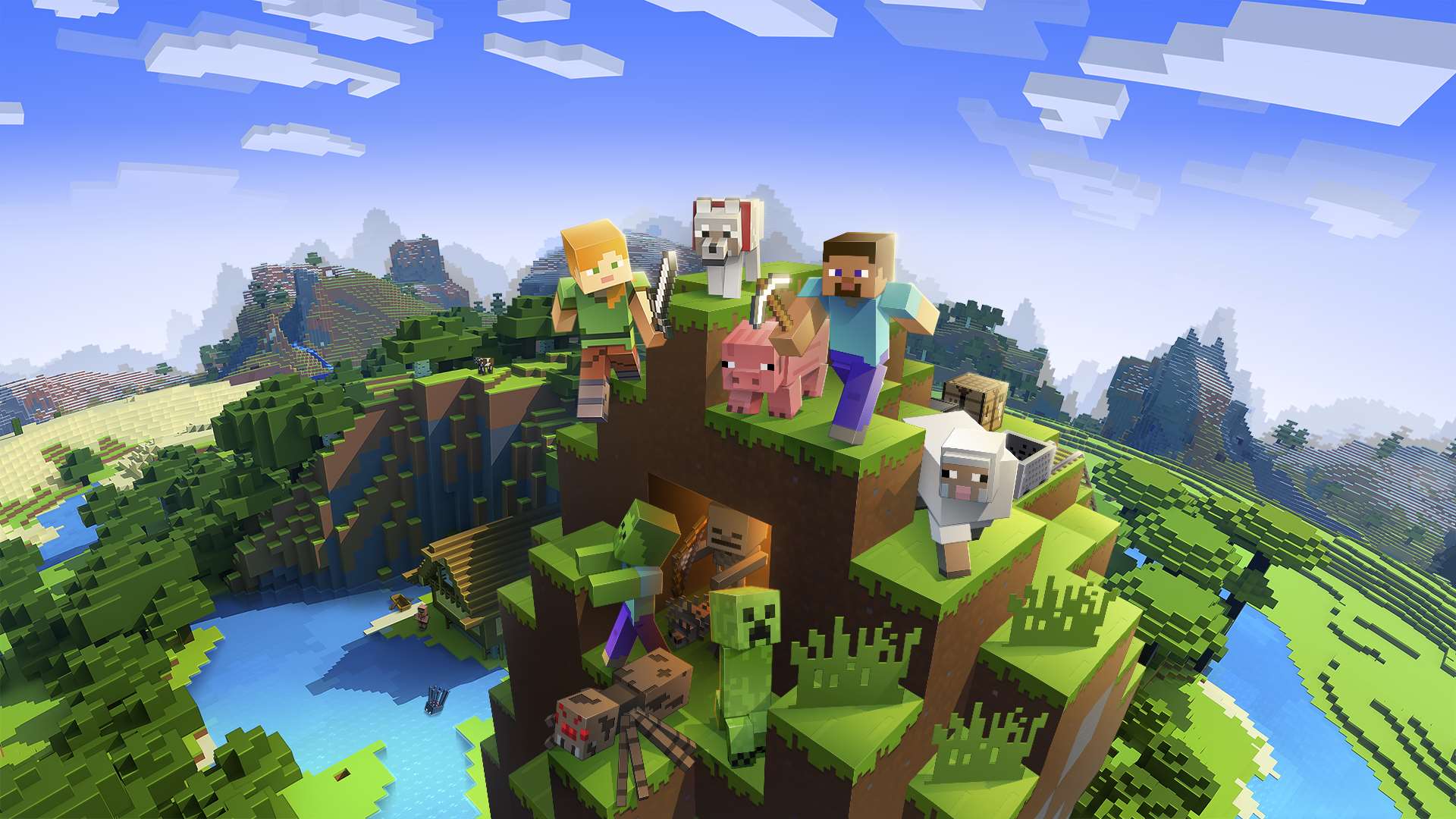
10. Minecraft
Minecraft started as a simple block-building game, yet it became a global phenomenon. It redefined creativity in gaming, offering infinite possibilities for construction, exploration, and emergent play. It wasn't just a game; it was a platform, a toolkit for imagination. Minecraft democratized creation, appealing to all ages and proving that procedural generation and player-driven content could sustain a universe, fundamentally altering expectations for sandbox titles.
11 / 11
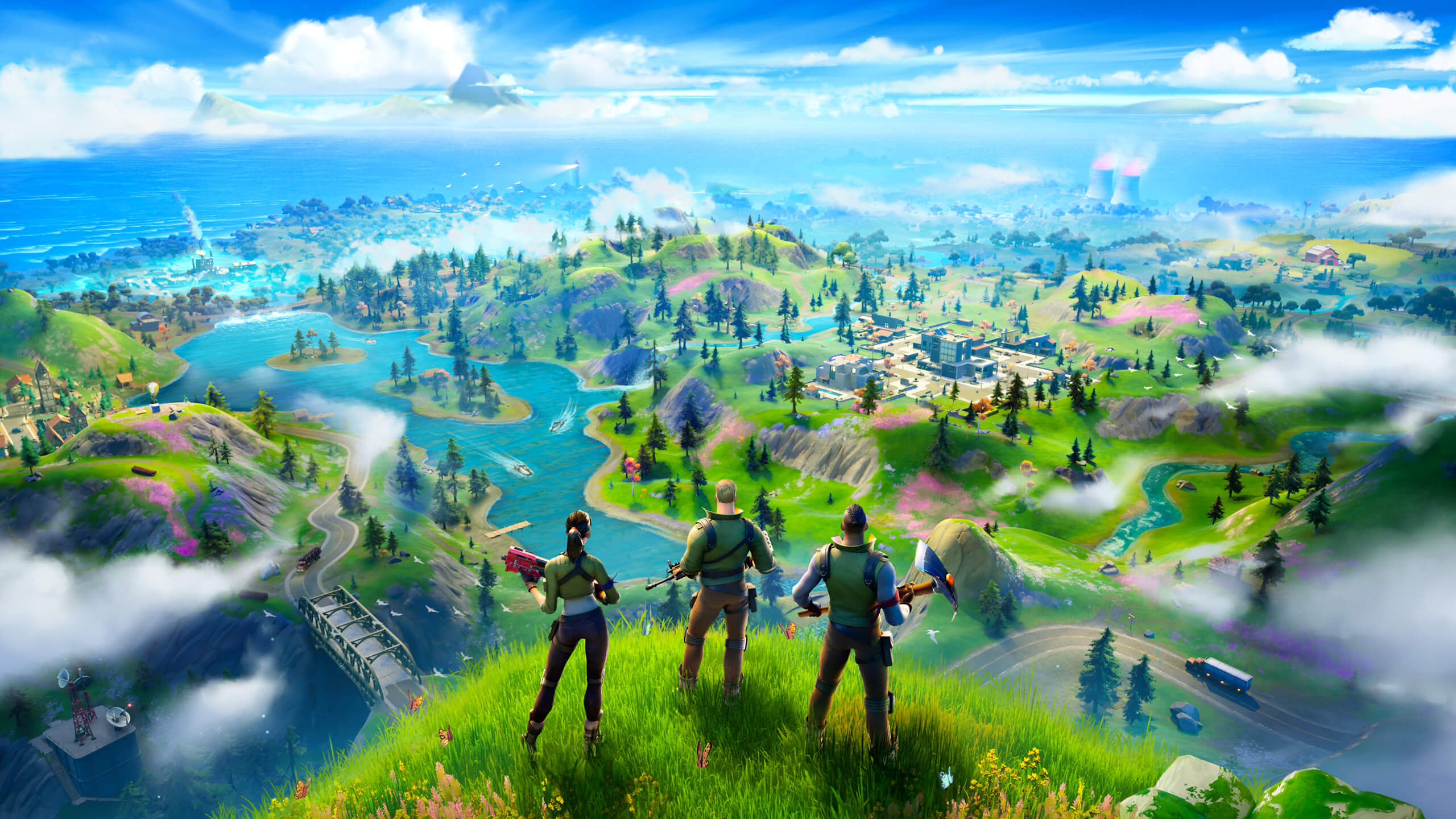
11. Fortnite Battle Royale
Fortnite Battle Royale wasn't the first Battle Royale, but its free-to-play model, accessible building mechanics, and vibrant aesthetic made it an unstoppable cultural force. It popularized the genre and proved the immense power of cross-platform play and live service updates. More than a game, it became a social hub, a concert venue, and a marketing platform, demonstrating how gaming could seamlessly integrate with broader popular culture and entertainment.