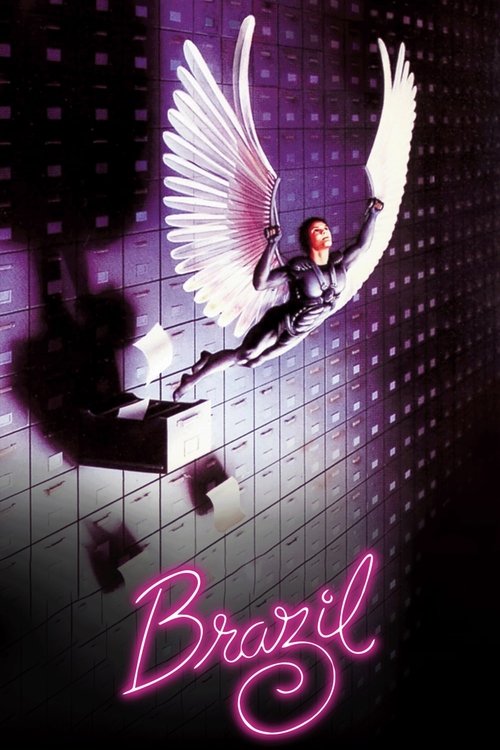
1. Brazil
This 80s masterpiece throws us into a ridiculously bureaucratic, retro-futuristic world where technology is clunky but ever-present, shaping every aspect of life. It’s like a dystopian dream, showing how a system can warp reality, making you question what's real and what's just a projection of control. For content creators today, it’s a wild ride through a deeply flawed, yet visually stunning, vision of societal AI gone wrong, long before we even had the term.

2. Dark City
Okay, so this one’s a total mind-bender. Imagine waking up with no memory, in a city that literally changes overnight, controlled by mysterious beings who can "tune" reality. Before *The Matrix* even hit, *Dark City* was playing with ideas of simulated worlds and implanted memories. It’s a perfect blueprint for understanding AI-generated narratives, where the environment itself is a character, constantly morphing. For sure, it challenges what we think is real.

3. Primer
This indie gem is a masterclass in low-budget, high-concept sci-fi. Two engineers accidentally invent time travel, and things get super complicated, super fast. It doesn't rely on flashy effects, but on mind-bending logic and the subtle ripple effects of altering your own timeline. For creators exploring AI-driven branching narratives or complex simulations, *Primer* shows how small changes can create massive, almost incomprehensible, realities.

4. eXistenZ
David Cronenberg, of course! This film dives deep into virtual reality, but with a bio-tech twist. People plug into game systems made of organic material, blurring lines between game and reality, body and machine. It's a prophetic look at what happens when virtual worlds become indistinguishable from our own, and how our identities get tangled in digital spaces. Super relevant for anyone thinking about embodied VR experiences and AI-created immersive worlds.
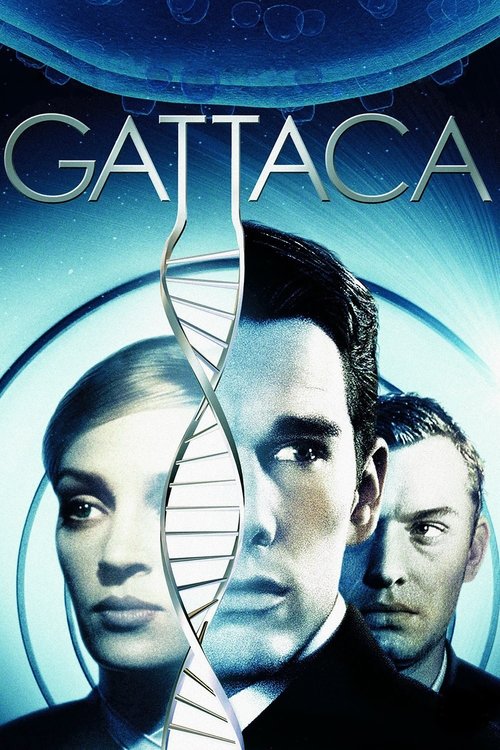
5. Gattaca
This one hits differently, right? In a world where your genetic makeup determines your destiny, Ethan Hawke’s character fights against a system designed to label and limit him. It's not about AI in the traditional sense, but about predictive algorithms and data-driven lives. *Gattaca* shows how genetic data could become the ultimate 'AI-driven narrative' for our lives, long before current AI advancements, reminding us to question algorithmic determinism.
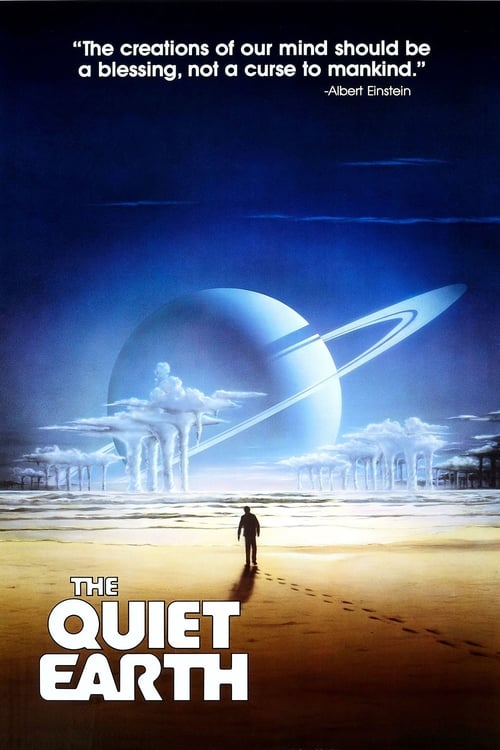
6. The Quiet Earth
Imagine waking up and everyone else is gone. This New Zealand film is a haunting, existential trip. It explores isolation and the reconstruction of reality after a mysterious event, feeling like a very personal VR experience where you're the last avatar. The protagonist struggles with sanity and the meaning of existence, which honestly feels like some of the deep philosophical questions AI-driven simulations might make us ask about our own purpose.

7. Being John Malkovich
This film is pure genius, taking us on a wild ride through a portal into John Malkovich's mind. It's a hilarious, surreal exploration of identity, control, and the ultimate virtual reality: literally being someone else. For anyone building AI characters or crafting interactive narratives, it's a playful reminder of the power of perspective and what it means to truly inhabit another being's experience, even if it's just for 15 minutes.
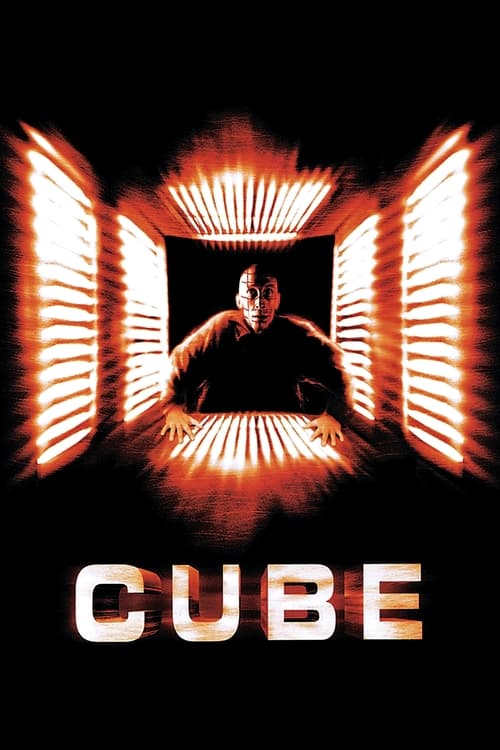
8. Cube
Okay, so you wake up in a metallic cube, and every door leads to another cube, some deadly. This low-budget horror-thriller is a masterclass in environmental storytelling and psychological tension. It’s like a deadly, AI-generated escape room, where the rules are unknown and constantly shifting. For creators, it’s a brilliant example of how a contained, complex system can create an incredibly compelling, even terrifying, reality without needing a huge budget.
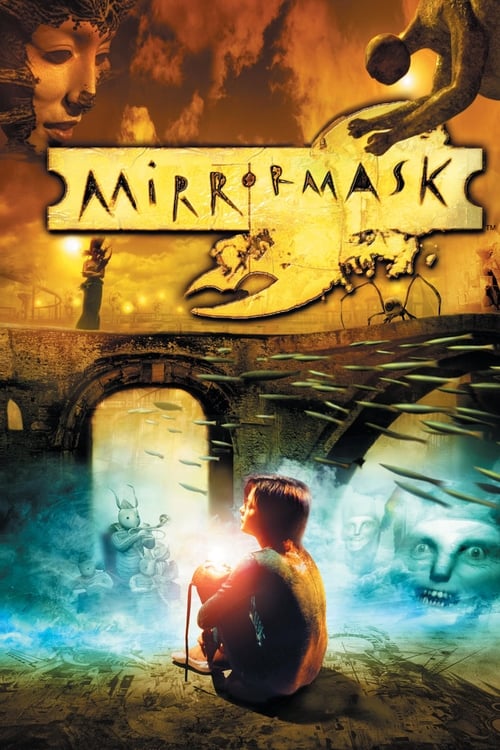
9. MirrorMask
From Neil Gaiman and Dave McKean, this film is a visual feast, blurring the lines between dreams and reality in a truly unique way. A young girl finds herself trapped in a fantastical, surreal world, searching for a 'MirrorMask' to escape. It's pure imagination brought to life, feeling like an early look into AI-generated dreamscapes and personal narratives where your inner world dictates everything. This one’s a dreamy escape.

10. Upstream Color
Shane Carruth (from *Primer*!) delivers another brain-teaser. This film is less about traditional plot and more about sensory experience, identity, and parasitic organisms that link people’s lives in profound ways. It feels like a non-linear AI narrative, where connections are felt rather than explained. This one challenges how we perceive cause and effect, and really, how we understand human connection in a world increasingly mediated by unseen forces.
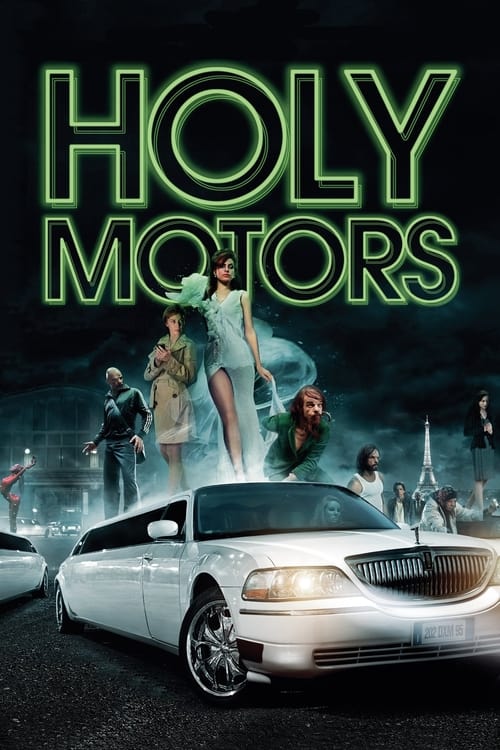
11. Holy Motors
This French film is wild. Denis Lavant plays Monsieur Oscar, who travels around Paris in a limo, inhabiting different roles, from a beggar to an assassin, performing for an unseen audience. It’s a meta-commentary on acting, identity, and the performance of life itself. Imagine an AI-driven character actor, constantly generating new personas and narratives on demand. It questions authenticity in a deeply compelling, artistic way.