

1 / 7
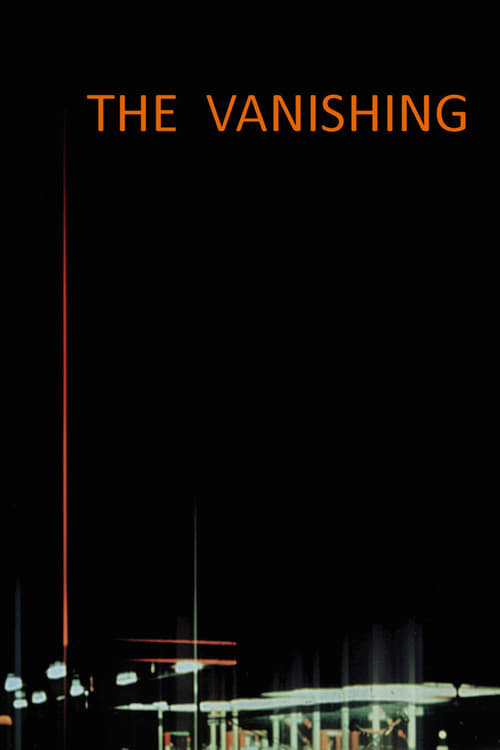
1. The Vanishing
This Dutch-French psychological thriller, *Spoorloos*, redefined dread. It isn't merely about a disappearance; it's an agonizing descent into obsession, a meticulous study of evil's banality and the human need for closure, regardless of the cost. Director George Sluizer masterfully constructs a narrative that subverts conventional thriller tropes, leaving an indelible, unsettling mark through its chilling, understated execution rather than cheap scares. Its profound impact lies in its intellectual cruelty.
2 / 7
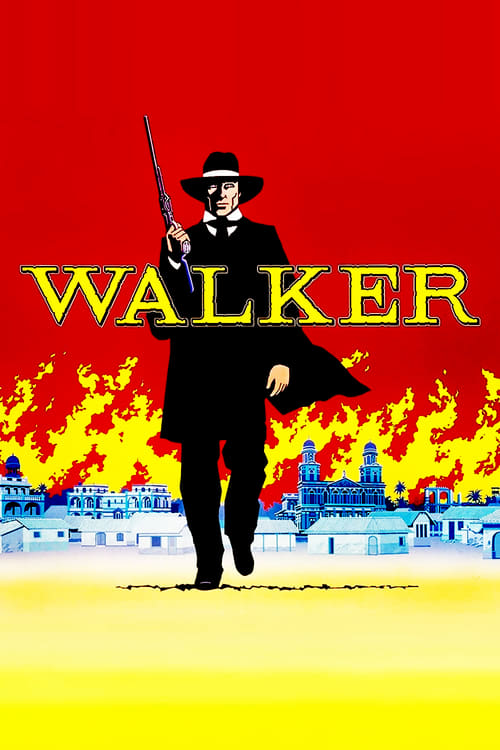
2. Walker
Alex Cox's *Walker* is a brazen, anachronistic, and profoundly anti-imperialist satire. It dismantles the myth of manifest destiny through the bizarre, violent tale of William Walker in 19th-century Nicaragua, deliberately employing modern elements like helicopters and Coca-Cola to underscore its critique of American interventionism. This film is a stylistic fever dream, a historical epic filtered through a punk-rock sensibility, challenging conventional historical narratives with audacious irreverence and biting political commentary.
3 / 7

3. Sweet Sweetback's Baadasssss Song
Melvin Van Peebles' audacious *Sweet Sweetback's Baadasssss Song* exploded onto screens, birthing the Blaxploitation genre and declaring cinematic independence. Shot on a shoestring, this intensely personal, sexually explicit, and politically charged film tells the story of a Black man on the run, becoming a folk hero. It's a raw, revolutionary act of filmmaking, a defiant middle finger to Hollywood, demanding Black representation and narratives on its own uncompromising terms.
4 / 7
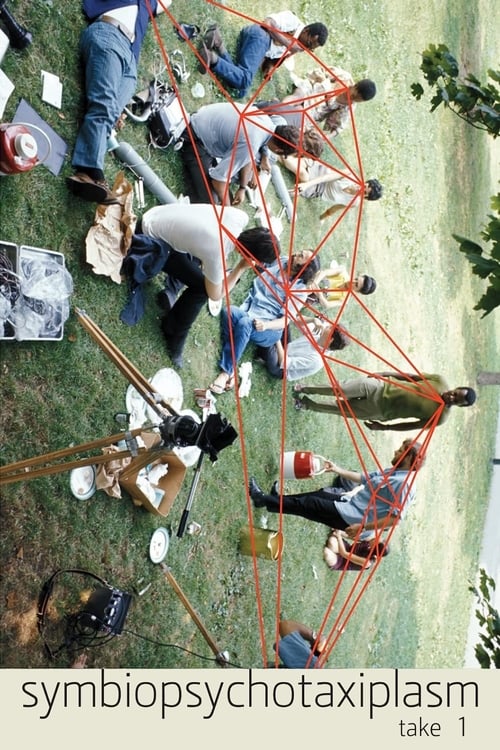
4. Symbiopsychotaxiplasm: Take One
William Greaves' *Symbiopsychotaxiplasm: Take One* is a meta-cinematic marvel, a documentary about making a film that's also a film about itself, constantly questioning its own creation and reality. Greaves uses multiple film crews, each filming the others and the "main" scene, capturing the chaos, frustrations, and power dynamics inherent in the creative process. It's an experimental, self-reflexive masterpiece that shatters conventional narrative and documentary forms, a true deconstruction of filmmaking.
5 / 7
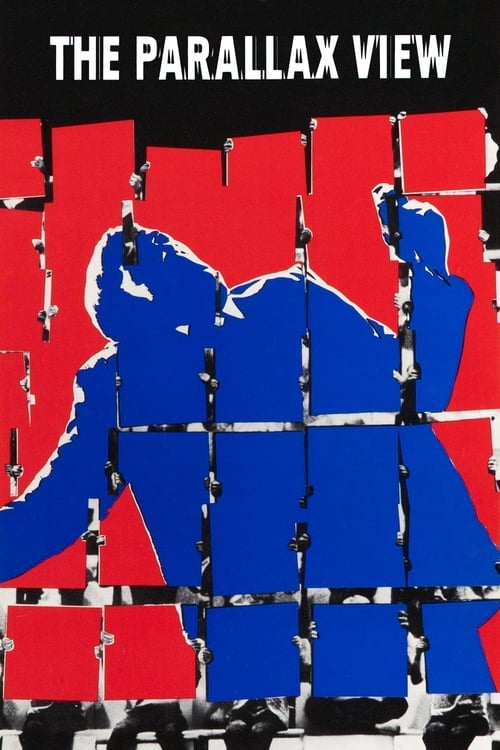
5. The Parallax View
Alan J. Pakula’s *The Parallax View* is a chilling, quintessential 70s paranoia thriller. It plunges journalist Joe Frady into a labyrinthine conspiracy, where shadowy organizations manipulate events and individuals with terrifying efficiency. The film’s cold, detached aesthetic, coupled with its escalating sense of dread and a truly unforgettable montage sequence, paints a grim picture of systemic corruption and the futility of individual resistance against an omnipresent, insidious power. A masterclass in atmospheric suspense.
6 / 7
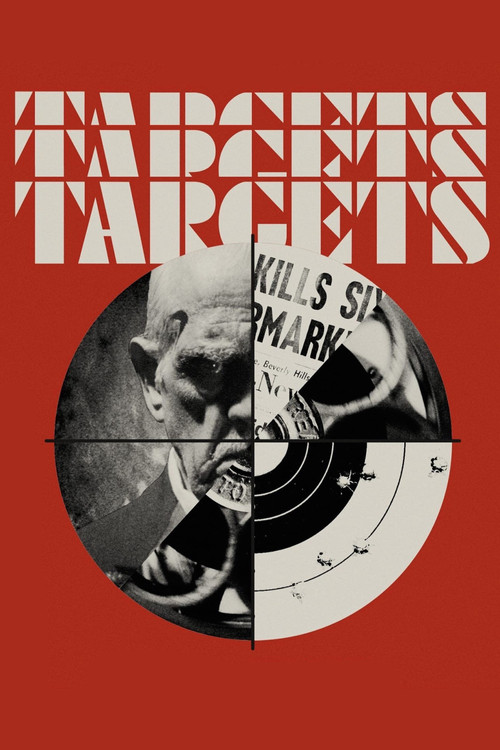
6. Targets
Peter Bogdanovich's directorial debut, *Targets*, masterfully intertwines two seemingly disparate narratives: a Vietnam War veteran's descent into a sniper spree and an aging horror film star's disillusionment. This film is a brilliant commentary on the changing face of fear in America, juxtaposing the classic monster with the contemporary, anonymous killer. It's a remarkably prescient and psychologically astute work, a stark reflection on societal violence and the public's desensitization to it.
7 / 7
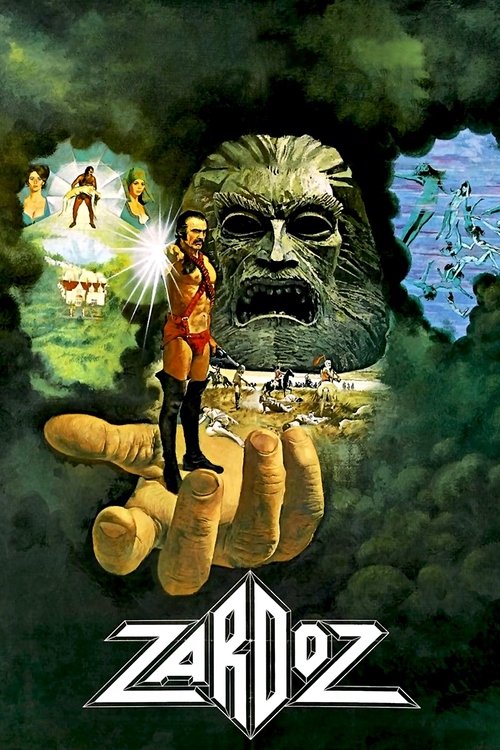
7. Zardoz
John Boorman's *Zardoz* is a bewildering, psychedelic sci-fi odyssey. Set in a post-apocalyptic future where a giant flying stone head named Zardoz dispenses weapons to savage "Exterminators," it's a visually audacious, philosophically dense exploration of class, immortality, and societal decay. Sean Connery in a red diaper is only the most iconic image; beneath its eccentric surface lies a potent, if opaque, critique of utopian ideals and the inherent flaws of humanity.