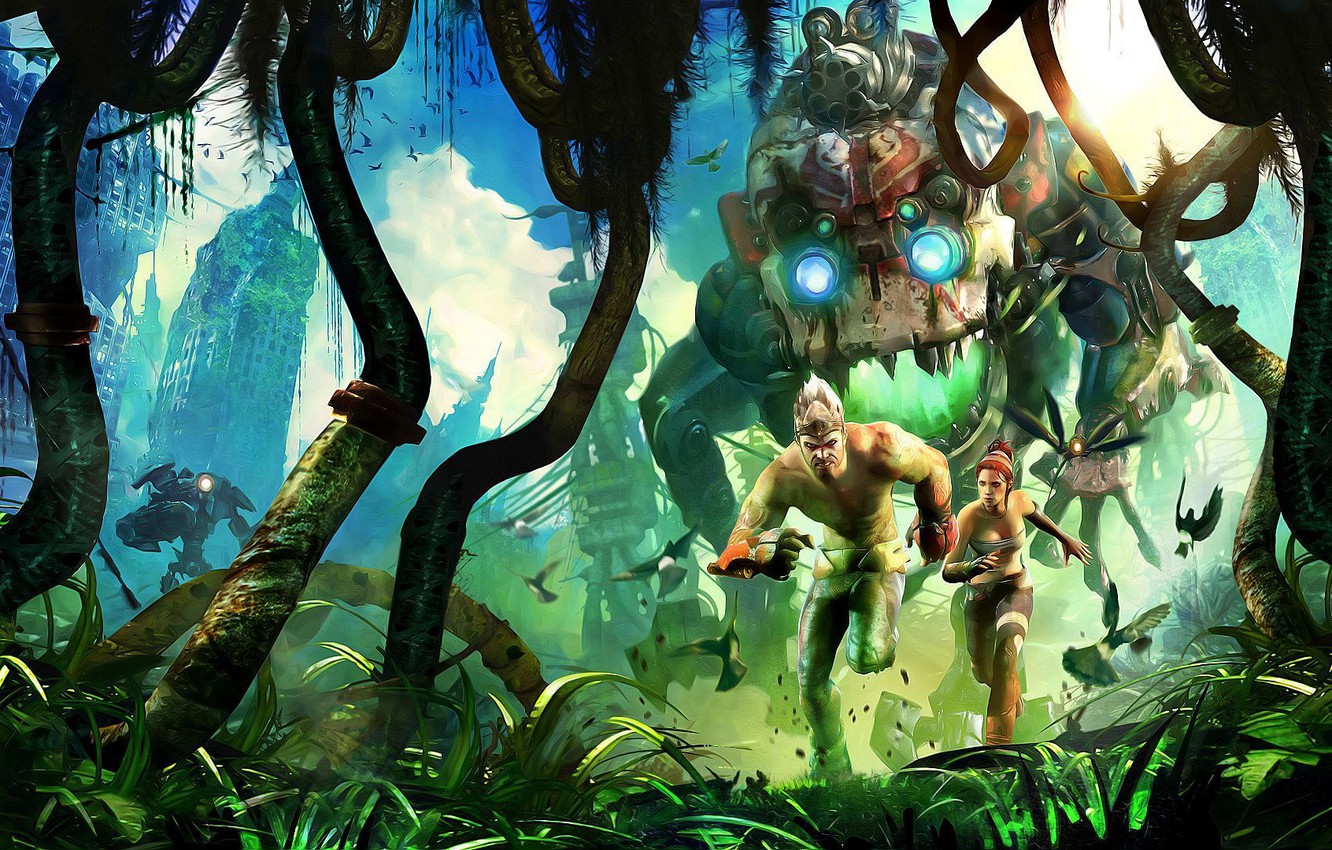
1. Enslaved: Odyssey to the West
This 2010 action-adventure from Ninja Theory, often overlooked, offered a compelling narrative journey through a post-apocalyptic America. It paired a surprisingly tender relationship between protagonists Monkey and Trip with fluid platforming and combat. The vibrant art direction stood out, eschewing the typical drabness of its setting for a lush, overgrown beauty. And while its commercial success was limited, it remains a testament to character-driven storytelling in action games.
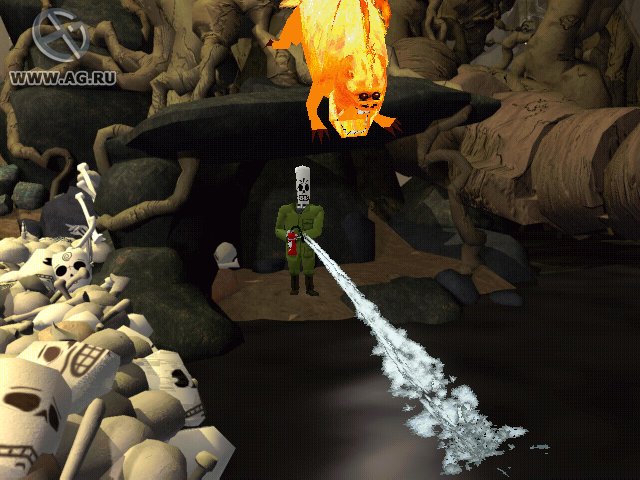
2. Grim Fandango
LucasArts' 1998 point-and-click masterpiece married film noir with Mexican folklore, creating a truly unique afterlife adventure. Manny Calavera's journey through the Land of the Dead was defined by its sharp writing, memorable characters, and ingenious, albeit sometimes obtuse, puzzles. It was a stylistic triumph, a hand-crafted world oozing personality from every art deco skeleton. And while it initially struggled commercially, its legacy as a narrative benchmark endures.
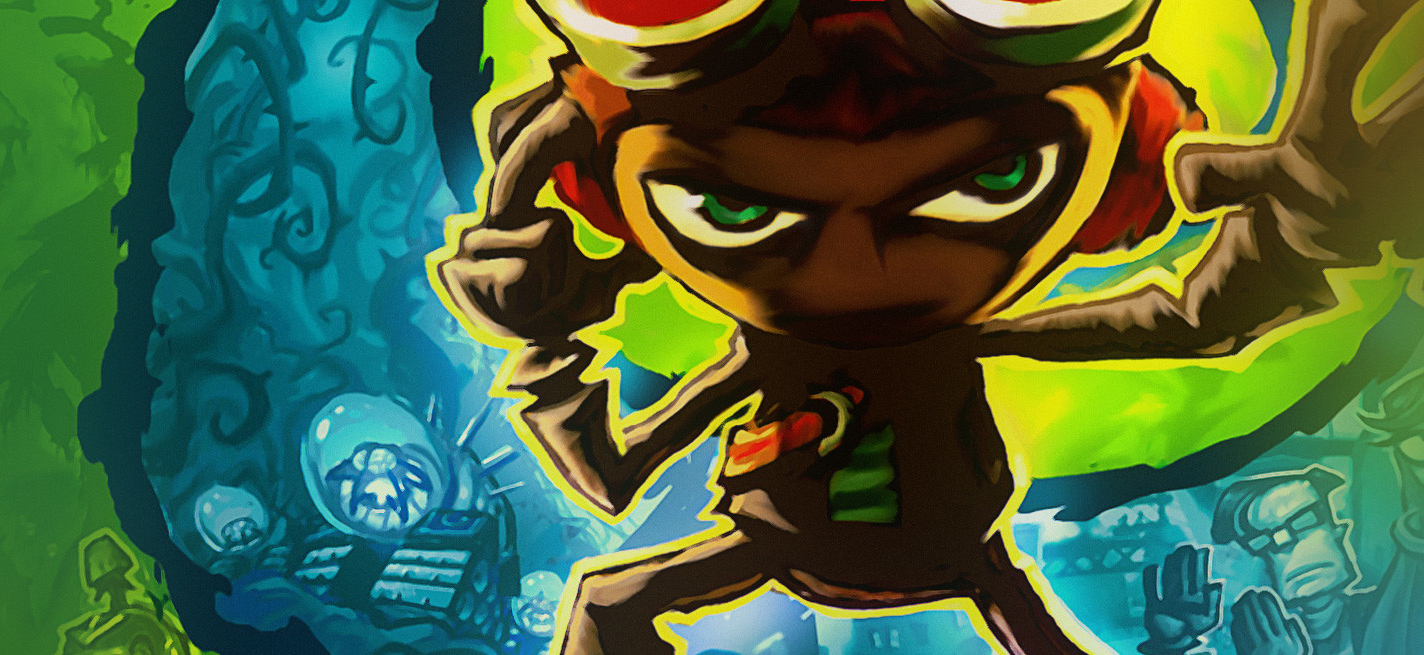
3. Psychonauts
Double Fine's 2005 debut was a platforming adventure into the minds of eccentrics, a concept executed with astonishing creativity. Razputin's psychic journey through distorted mental landscapes offered not just innovative gameplay, but also a surprisingly thoughtful look at psychological themes. Tim Schafer's signature wit infused every character and scenario, ensuring a constant stream of dark humor and genuine heart. It was a cult classic for good reason, ahead of its time.
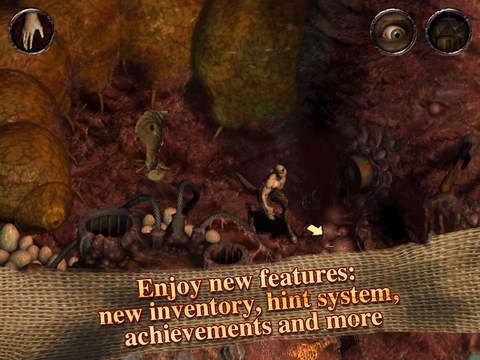
4. Sanitarium
This 1998 point-and-click psychological horror plunged players into a terrifying, surreal asylum, blurring the lines between reality and delusion. The game’s unsettling atmosphere, grotesque creature design, and fragmented narrative created a truly disturbing experience. It didn't rely on jump scares, instead building a pervasive sense of dread through its oppressive environments and the protagonist’s amnesia. And it remains a benchmark for narrative-driven horror.
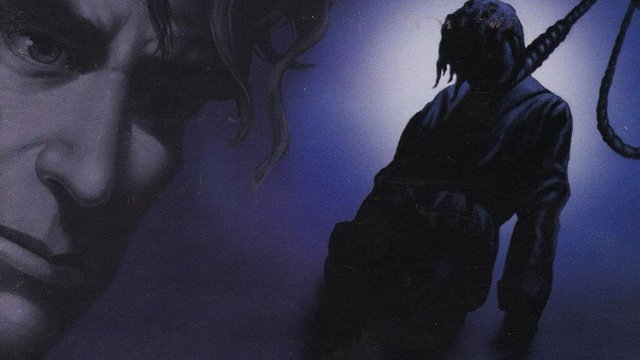
5. Gabriel Knight: Sins of the Fathers
Sierra's 1993 adventure game immersed players in a dark, mature mystery rooted in New Orleans Voodoo. Jane Jensen's meticulous research shone through, crafting a rich, believable world. Gabriel Knight, a cynical author, uncovered dark secrets, supported by an exceptional voice cast, including Tim Curry. Its complex narrative, branching dialogue, and sense of place set a high bar for the genre.
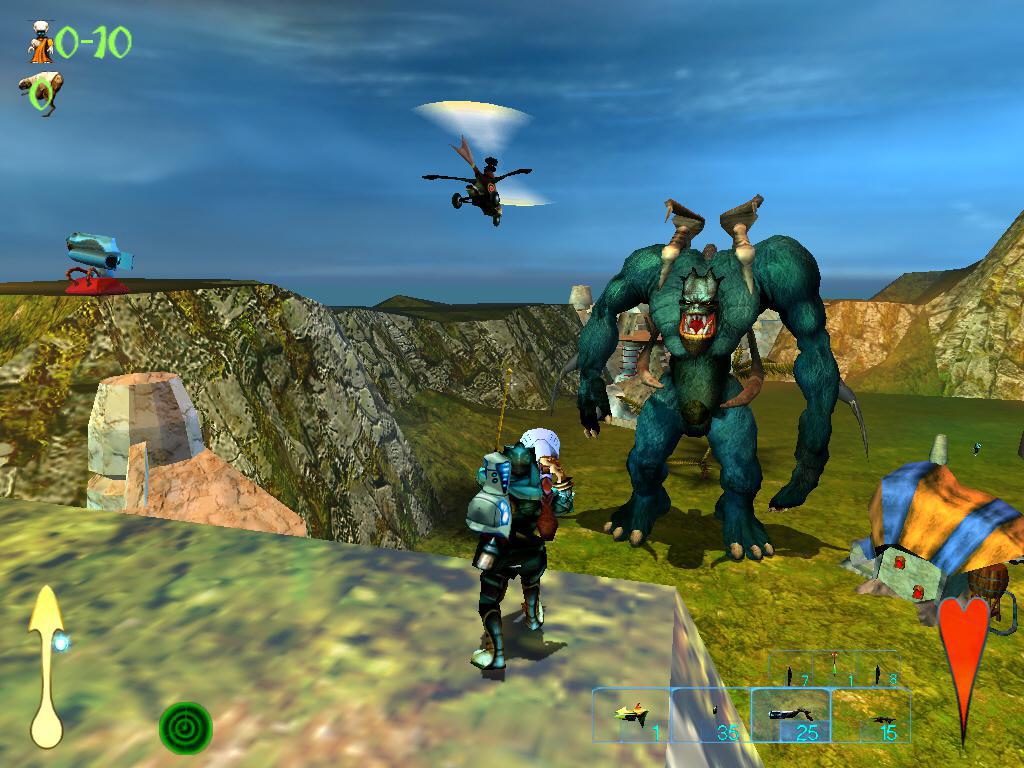
6. Giants: Citizen Kabuto
Planet Moon Studios' 2000 title was a wonderfully chaotic blend of third-person shooter, real-time strategy, and platforming. Players switched between three distinct factions—the jet-skiing Meccaryns, the demonic Reapers, and the colossal Kabuto—each offering unique gameplay. Its irreverent humor, vibrant art style, and ambitious genre-bending made for an unforgettable, if commercially modest, experience. And it still stands as a testament to creative risk-taking.
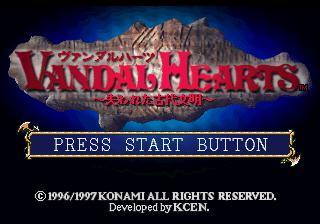
7. Vandal Hearts
Konami's 1996 tactical RPG for the PlayStation offered a surprisingly dark and mature narrative amidst its isometric grid battles. It was a challenging experience, demanding careful unit placement and strategic thinking. The game didn't shy away from moral ambiguity or character deaths, lending a weight to its political machinations. And while overshadowed by other console RPGs, it carved out a niche for its tactical depth.
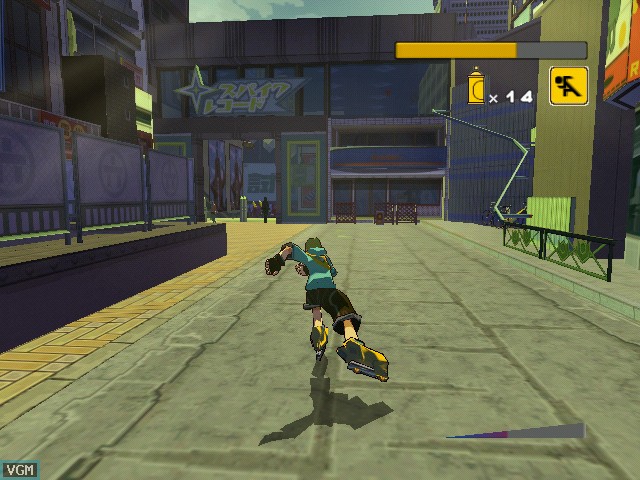
8. Jet Set Radio Future
The 2002 Xbox exclusive evolved its Dreamcast predecessor with larger, more interconnected cell-shaded environments and an improved graffiti system. It was a celebration of style and movement, set to an iconic, eclectic soundtrack. Players zipped through futuristic Tokyo, grinding rails and tagging walls with unparalleled flair. And while it never reached the mainstream, its unique aesthetic and energetic gameplay continue to inspire.
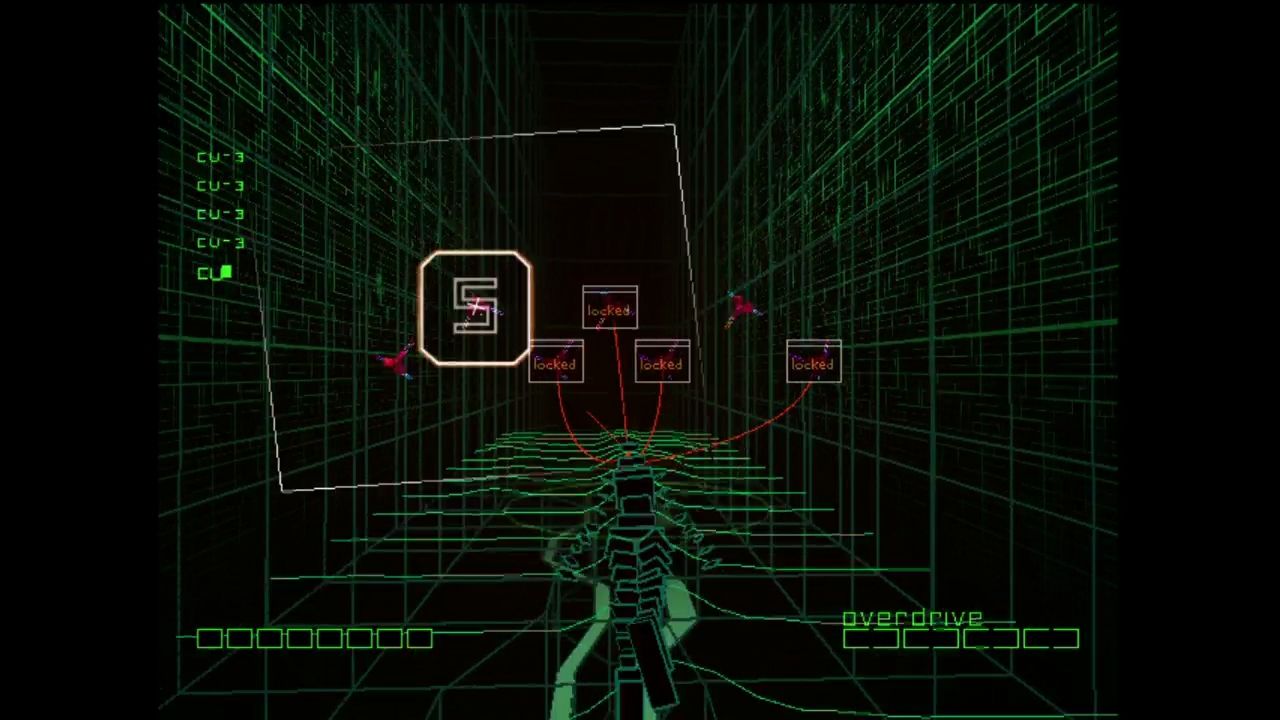
9. Rez
Tetsuya Mizuguchi's 2001 synesthetic shooter, originally on Dreamcast and PS2, was less a game and more an experience. Players traversed abstract cyber-landscapes, targeting enemies to create layers of music and visual effects. The rhythm-action gameplay merged seamlessly with the evolving soundtrack, culminating in a trance-like state. It was a bold artistic statement, proving games could be profoundly immersive multi-sensory journeys.
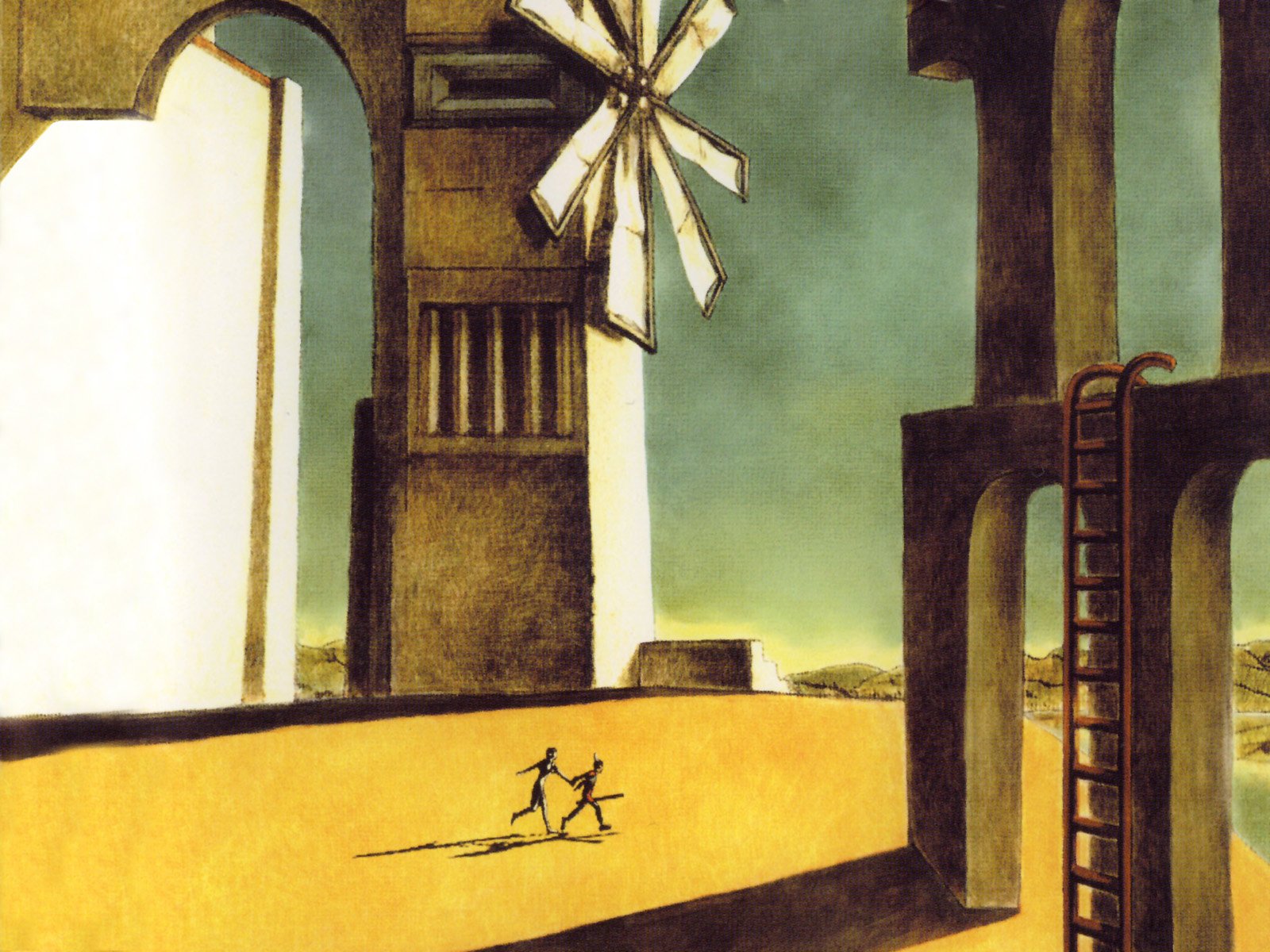
10. ICO
Team Ico's 2001 PlayStation 2 debut was a masterclass in minimalist storytelling and atmospheric design. The journey of a horned boy protecting an ethereal girl through a desolate, crumbling castle communicated profound emotion with sparse dialogue. Its elegant puzzle-platforming and the unique companion AI created a powerful bond. And it demonstrated how subtle details and environmental narrative could evoke deep, lasting feelings.
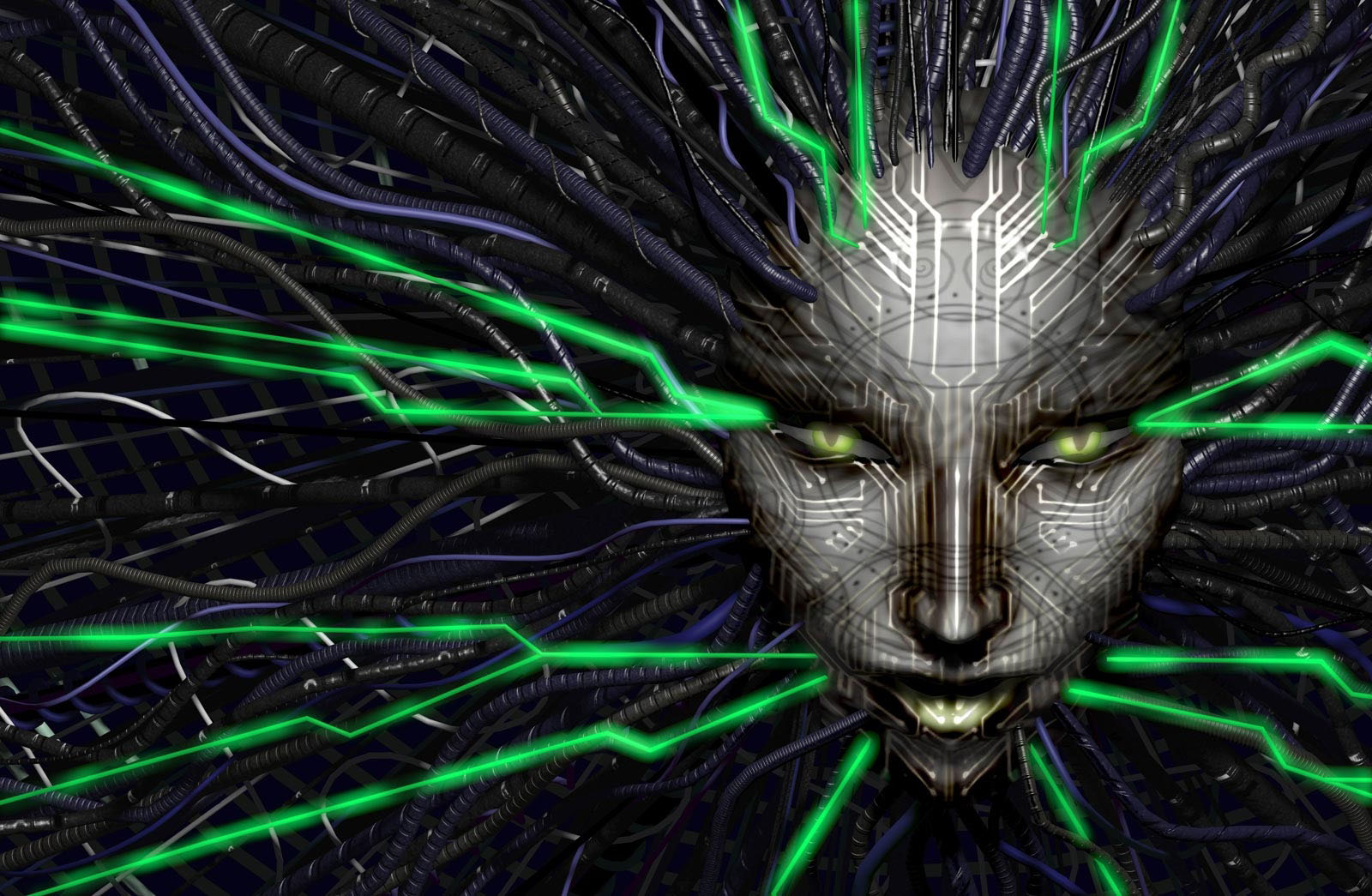
11. System Shock 2
Looking Glass Studios' 1999 masterpiece redefined the immersive sim, blending first-person shooter, RPG, and survival horror elements. Set aboard a derelict starship, its oppressive atmosphere and the chilling AI antagonist, SHODAN, created unparalleled tension. Player choices impacted character development and environmental interaction, leading to a deeply personal and terrifying sci-fi horror experience. And its influence on later titles like BioShock is undeniable.