


1. Blade Runner
Ridley Scott's 1982 masterpiece, a foundational text of neo-noir, plunges us into a perpetually rain-soaked Los Angeles, interrogating what it means to be human. Its replicants, yearning for more life, reflect our own existential anxieties against a backdrop of corporate control and urban decay. The film's profound philosophical queries about memory and identity remain potent, grounding its futuristic setting in timeless human concerns.

2. Arrival
Denis Villeneuve's profound meditation on communication transcends typical alien invasion tropes. It uses an extraterrestrial encounter to explore the human capacity for understanding, grief, and the non-linear nature of time itself. Amy Adams' Louise Banks grounds this epic narrative with an intensely personal journey, reminding us that even universal events are experienced through individual, deeply emotional lenses.

3. Children of Men
Alfonso Cuarón crafts a harrowing, visceral dystopia where humanity faces extinction due to unexplained infertility. This film isn't about grand space battles; it's a raw, unflinching look at societal collapse, refugee crises, and the desperate search for hope amidst chaos. Its long, unbroken takes immerse us directly into the grime and danger, making the extraordinary feel terrifyingly real and immediate.

4. District 9
Neill Blomkamp's searing debut ingeniously uses an alien refugee camp in Johannesburg as a thinly veiled allegory for apartheid and xenophobia. Through a found-footage aesthetic, it grounds its extraterrestrial premise in uncomfortable social commentary, presenting a raw, grimy vision of prejudice and dehumanization. The film forces us to confront our own biases, demonstrating that true monsters often wear human faces.

5. Gattaca
Andrew Niccol's elegant vision of a genetically stratified future explores the indomitable human spirit against the backdrop of systemic discrimination. Vincent's struggle to overcome his 'imperfect' genome isn't a fight against super-villains, but a deeply personal quest for self-determination and dignity in a society obsessed with biological destiny. It’s a quiet, poignant reflection on ambition and the true meaning of worth.

6. Eternal Sunshine of the Spotless Mind
Michel Gondry and Charlie Kaufman deliver a profoundly intimate exploration of memory, love, and loss. This isn't about external threats but the internal landscape of a relationship, asking if erasing pain also erases the essence of who we are. Its sci-fi premise serves purely as a psychological tool, grounding its surreal visuals in universally relatable emotional truths.
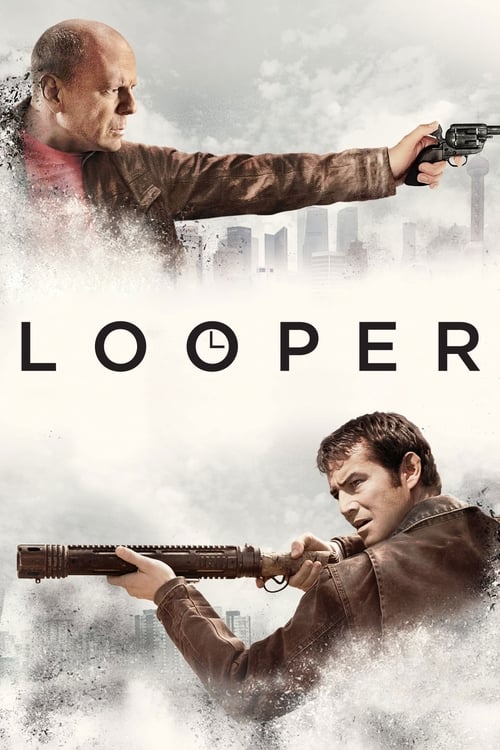
7. Looper
Rian Johnson's gritty time-travel thriller eschews grand scientific exposition for a character-driven narrative centered on moral compromise and personal stakes. Joe's journey, caught between his past and future selves, becomes a brutal examination of sacrifice, fate, and the lengths one goes to protect their own future. It’s a grounded, often brutal, reflection on consequence and self-preservation.

8. Minority Report
Steven Spielberg's adaptation of Philip K. Dick's story delves into the profound ethical dilemmas of a pre-crime society. While visually spectacular, its core remains firmly rooted in questions of free will versus determinism, surveillance, and corporate overreach. It’s a propulsive thriller that forces audiences to grapple with complex moral quandaries about justice and individual liberty.

9. Her
Spike Jonze crafts a tender, melancholic romance between a lonely writer and his artificially intelligent operating system. The film’s near-future setting feels utterly plausible, allowing us to focus on the evolving nature of human connection and intimacy in a digital age. It’s a deeply emotional, quietly revolutionary exploration of love, loss, and the ever-blurring lines of companionship.