
1 / 6
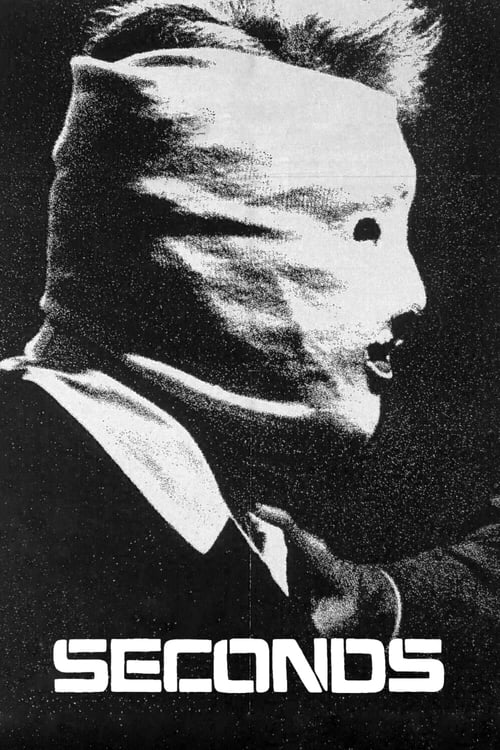
1. Seconds
John Frankenheimer's unsettling vision of identity erasure, where Rock Hudson undergoes a radical surgical transformation for a fresh start. This isn't merely sci-fi; it's a chilling psychological exploration of existential dread and the impossibility of escaping one's true self. The film's disorienting cinematography and stark black-and-white visuals create a nightmarish atmosphere, questioning the very notion of personal freedom and societal expectation. A profound, disturbing classic that lingers.
2 / 6
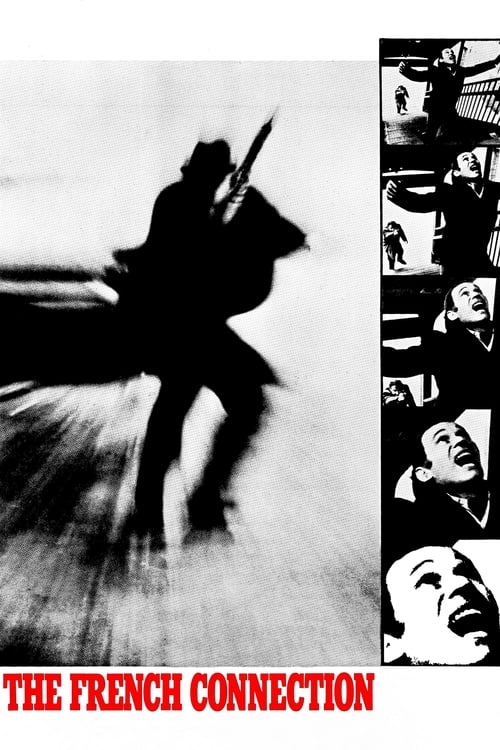
2. The French Connection
William Friedkin’s raw, unflinching police procedural redefined urban thrillers. Gene Hackman's Popeye Doyle is an anti-hero of relentless grit, chasing a monumental drug bust through the grimy streets of New York. The film’s legendary car chase, shot with visceral realism, remains unparalleled, embodying a kinetic energy that immerses the viewer directly into the chaos. It’s a masterclass in tension and dirty, authentic filmmaking, capturing a specific era's cynical pulse.
3 / 6
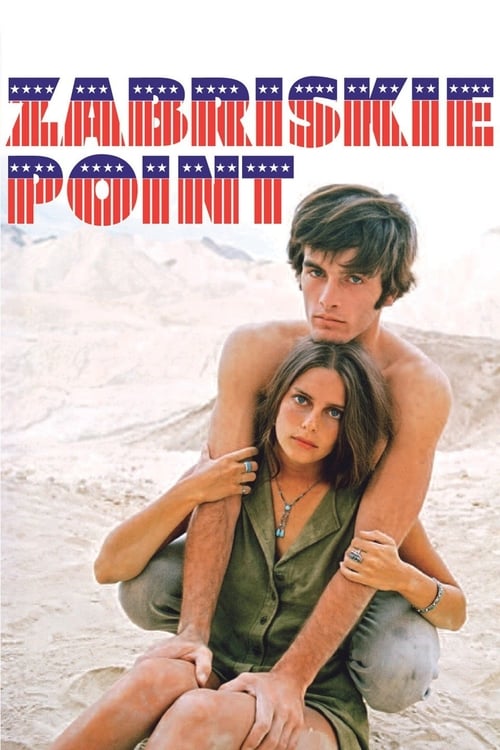
3. Zabriskie Point
Michelangelo Antonioni’s evocative, divisive portrait of American counter-culture is less narrative, more sensory experience. It captures the disillusionment and youthful rebellion against a backdrop of consumerism and political unrest. The film's visual poetry, culminating in its iconic, explosive finale, transcends conventional storytelling, becoming a psychedelic meditation on freedom and destruction. It’s a beautiful, perplexing, and undeniably significant artifact of its tumultuous decade.
4 / 6
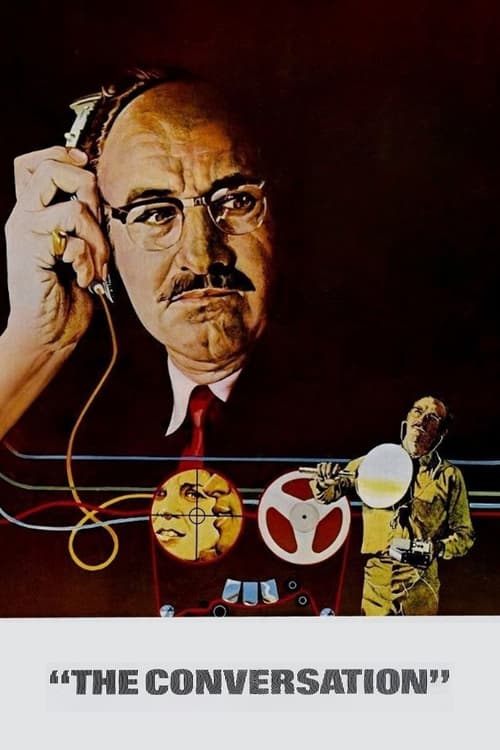
4. The Conversation
Francis Ford Coppola’s masterful psychological thriller delves deep into the soul of a surveillance expert, Harry Caul, brilliantly portrayed by Gene Hackman. As Caul unravels a seemingly innocuous recording, his own paranoia and guilt escalate, mirroring the societal anxieties of the post-Watergate era. The film's meticulous sound design becomes a character itself, crafting an oppressive atmosphere that questions privacy, morality, and the insidious nature of technology. Utterly captivating.
5 / 6
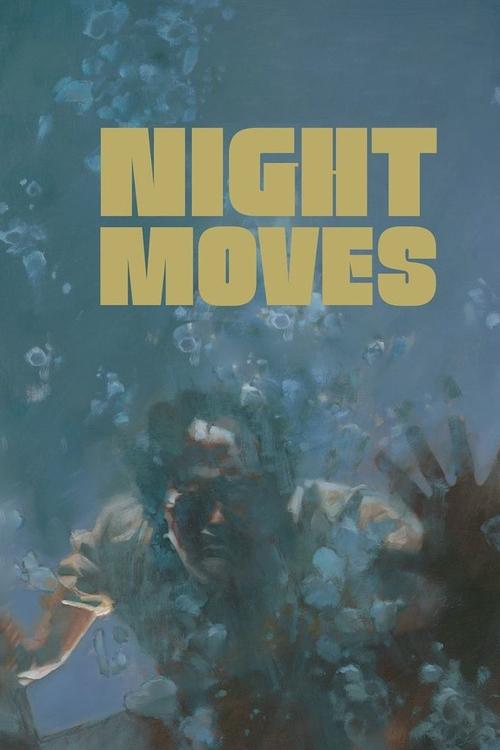
5. Night Moves
Arthur Penn’s underappreciated neo-noir offers a melancholic, labyrinthine mystery starring Gene Hackman as a jaded private detective. As he searches for a runaway girl, the lines between innocence and corruption blur, reflecting the pervasive cynicism of its post-Watergate release. Its deliberate pacing and ambiguous ending subvert genre conventions, leaving the viewer to ponder the elusive nature of truth and the quiet, personal tragedies that unfold beneath the surface.
6 / 6

6. Broadcast News
James L. Brooks crafted a remarkably intelligent and enduring romantic comedy, dissecting the complex interplay of ambition, integrity, and affection within a network newsroom. Holly Hunter, Albert Brooks, and William Hurt deliver career-defining performances, embodying a timeless debate about journalistic ethics versus entertainment. It’s a sharp, witty, and surprisingly melancholic examination of professional passion and the messy realities of human connection, still profoundly relevant today.