

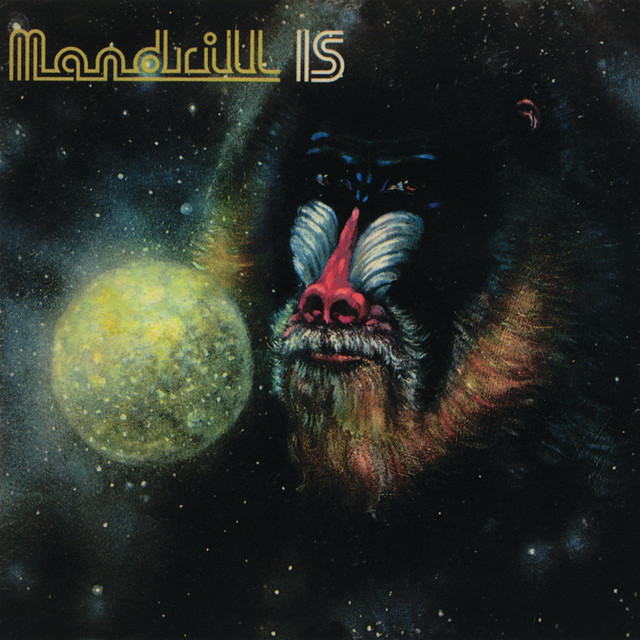
1. Mandrill Is
Mandrill's 1970 debut hit like a cosmic brick. They weren't just playing funk; they were crafting intricate, sprawling arrangements that blended Latin rhythms, hard rock guitar, and psychedelic flourishes. The studio work, especially the brass and percussion, felt expansive, a testament to raw, multi-track energy without digital gloss. This was a true collective, pushing boundaries of what 'groove' could entail, laying groundwork for future fusion and heavier funk explorations. Utterly essential, a foundational text.

2. The Psych Funk of Black Merda
Before anyone coined 'heavy funk,' there was Black Merda. This collection showcases their raw, unpolished brilliance from the late '60s and early '70s. Their sound was a visceral blend of fuzz-laden guitars, thumping basslines, and a rhythmic urgency that bordered on proto-metal. It wasn't about pristine production; it was about the *feel*, the unbridled energy captured live in the studio. They were pioneers, often overlooked, who fused psychedelic rock's adventurous spirit with funk's undeniable swagger.

3. Sunburst
Eddie Henderson's 1975 "Sunburst" is a masterclass in jazz-fusion. It’s electric, sophisticated, and deeply rhythmic, showcasing Henderson’s trumpet against a backdrop of Fender Rhodes and agile basslines. The production is pristine for its era, capturing the interplay between musicians with remarkable clarity. This wasn't smooth jazz; this was intellectual funk, pushing harmonic and rhythmic concepts while maintaining an undeniable groove. It felt like a glimpse into a meticulously constructed future, a testament to studio craft meeting virtuosity.

4. Squawk (2013 Remaster)
Budgie's 1972 "Squawk" is a beast of early metal, raw and unrefined. While the 2013 remaster might polish the edges, the core sound remains a primal roar. Burke Shelley’s unique vocals and the band's heavy, riff-driven approach foreshadowed much of what was to come in the NWOBHM. The studio work, though straightforward, perfectly captured their live power, prioritizing impact over embellishment. It’s a testament to how brute force and memorable riffs, captured honestly, can define a genre.
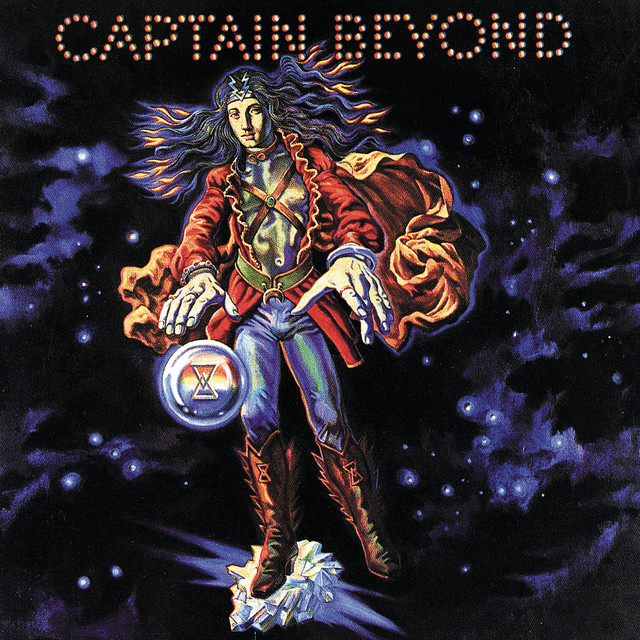
5. Captain Beyond
Captain Beyond's 1972 self-titled debut was a kaleidoscopic journey. Featuring ex-members of Deep Purple and Iron Butterfly, they forged a sound that was simultaneously heavy, progressive, and deeply psychedelic. Their intricate song structures, often segueing seamlessly, were a marvel of pre-digital arrangement. The production embraced a wide sonic palette, from crushing riffs to delicate acoustic passages, all infused with a cosmic energy. This was not just rock; it was an odyssey, meticulously planned yet wildly executed.

6. Fireside Favourites
The Associates' 1980 "Fireside Favourites" was a glorious anomaly. Billy Mackenzie's extraordinary vocal range and dramatic delivery, paired with Alan Rankine's angular, often sparse arrangements, created something truly unique. It was art-rock with a post-punk sensibility, utilizing the studio to craft stark, theatrical soundscapes. The production felt deliberate, highlighting the tension and beauty in Mackenzie’s voice without drowning it in effects. This was pop as high art, challenging and utterly compelling.
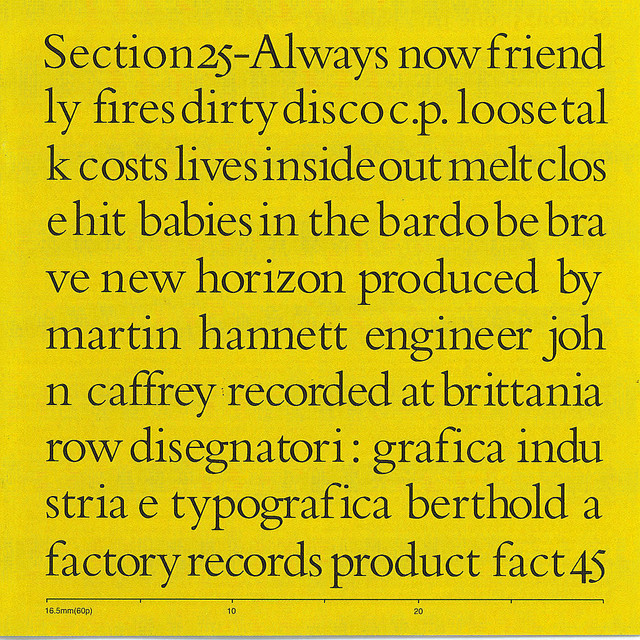
7. Always Now
Section 25’s 1980 "Always Now" is a cornerstone of darkwave. It's stark, minimalist, and deeply atmospheric, evoking cold, industrial landscapes. The repetitive basslines and distant, processed vocals, often draped in reverb, created a sense of unease and hypnotic rhythm. The studio was used to sculpt texture and mood, not just to record instruments. This wasn't about catchy tunes; it was about crafting an immersive, often bleak, sonic environment that resonated with the nascent industrial and coldwave scenes.
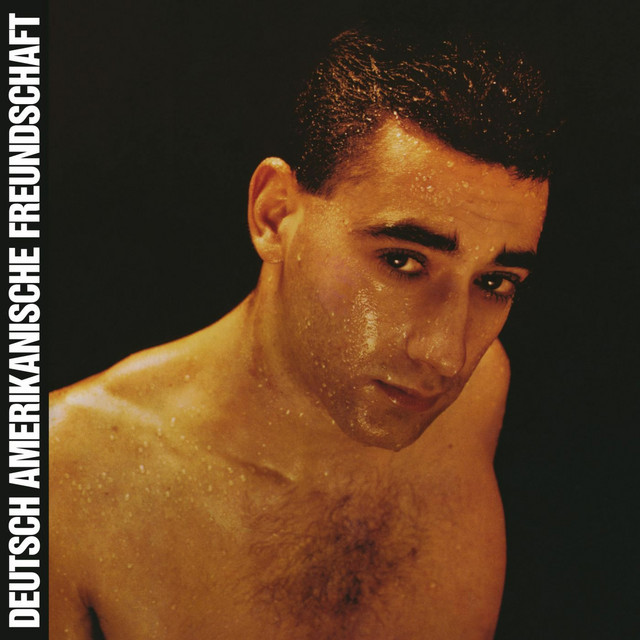
8. Alles Ist Gut
D.A.F.'s 1981 "Alles Ist Gut" was a brutalist masterpiece. Robert Görl's relentless, almost military drumming, coupled with Gabi Delgado-López's commanding, often provocative vocals, defined early EBM and industrial. The album's stark, minimalist production, relying heavily on analog synthesizers and drum machines, was revolutionary. It stripped music down to its rhythmic and vocal essentials, creating an aggressive, danceable, and confrontational sound that felt utterly new and dangerous. A true blueprint for electronic body music.

9. Entergalactic
As a critic whose sonic explorations concluded firmly in the early 1990s, I find myself at a loss with "Entergalactic." This recording, apparently from 2022, falls well outside my established temporal and technological understanding of music. The production, vocal processing, and overall aesthetic speak to an era I simply cannot comprehend or analyze within my defined framework. It exists beyond my musical horizon, rendering any critical assessment from my perspective impossible.

10. Possibility
Klaus Nomi's 1988 "Possibility" — a posthumous compilation — encapsulates his singular genius. His operatic, otherworldly voice, set against a backdrop of new wave synths and often avant-garde arrangements, was unlike anything before or since. The studio was his stage, allowing for dramatic layering and meticulous vocal effects that enhanced his alien persona. This wasn't just pop; it was performance art, blending classical precision with electronic experimentation, proving that true originality defies easy categorization.
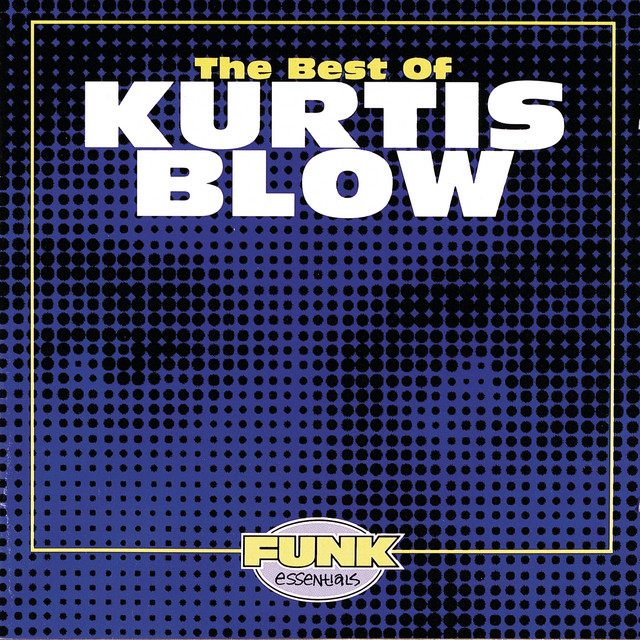
11. The Best Of Kurtis Blow
This collection celebrates Kurtis Blow's vital contributions to early rap. His tracks, particularly from the early '80s, showcased the nascent art form's potential. The production was often sparse but effective, relying on live instrumentation, tight drum breaks, and Blow's charismatic delivery. It captured the raw energy of block parties, translating it into a studio context, proving that rap could be more than just a fleeting trend. He was a pioneer, defining the rhythmic patterns and narrative style that would explode into a global phenomenon.