

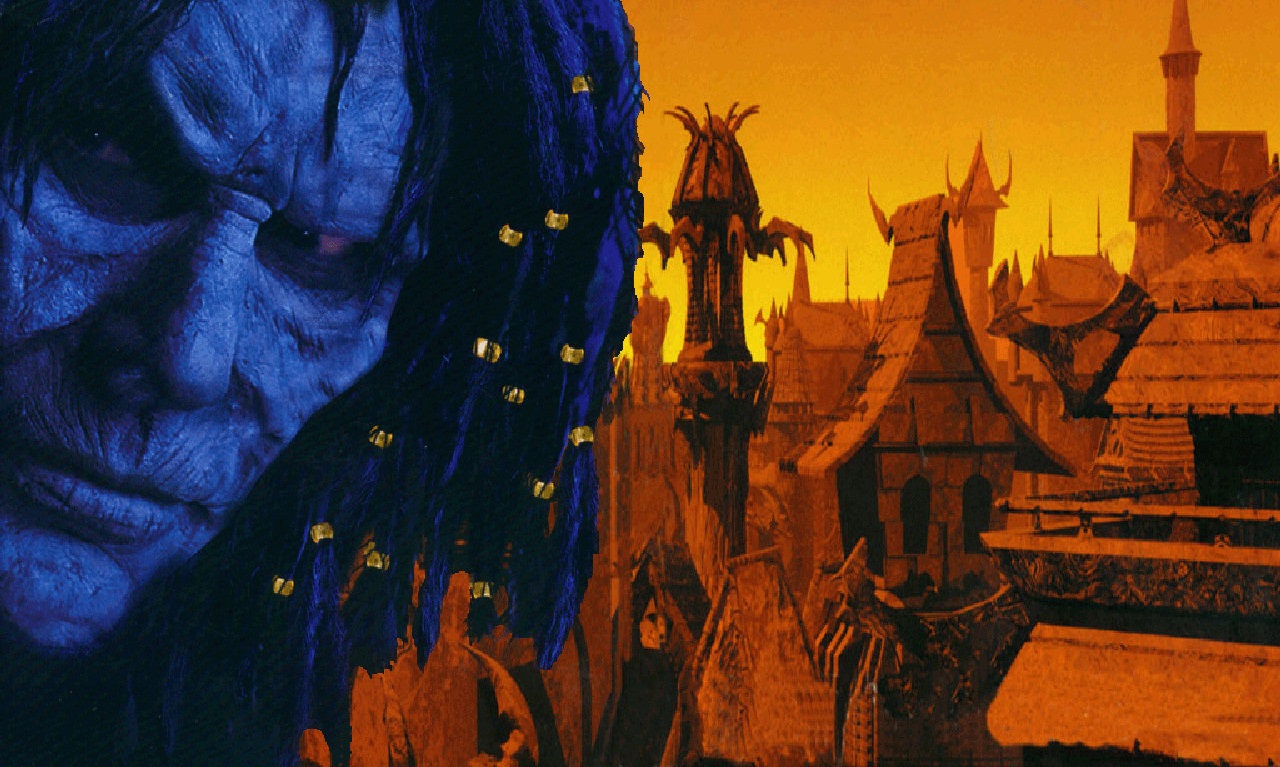
1. Planescape: Torment
Planescape: Torment didn't just tell a story; it interrogated existence. Its design actively de-emphasized combat, pushing players toward philosophical debate and self-discovery. This wasn't about saving the world; it was about understanding the self, a radical departure in a genre often defined by heroic quests and stat-checking. Its impact resonated, proving that games could be profound literary experiences, reshaping expectations for narrative depth and player agency in RPGs for years to come.

2. Okami
Okami arrived as a vibrant, living painting, its sumi-e art style a breathtaking counterpoint to the era's push for hyper-realism. More than just aesthetics, its Celestial Brush mechanic seamlessly integrated art into gameplay, offering an intuitive, expressive form of interaction. It proved that traditional Japanese folklore could be a rich source for expansive adventure, all while meticulously refining the exploration and puzzle-solving tenets established by its inspirations, offering a uniquely beautiful and influential experience.
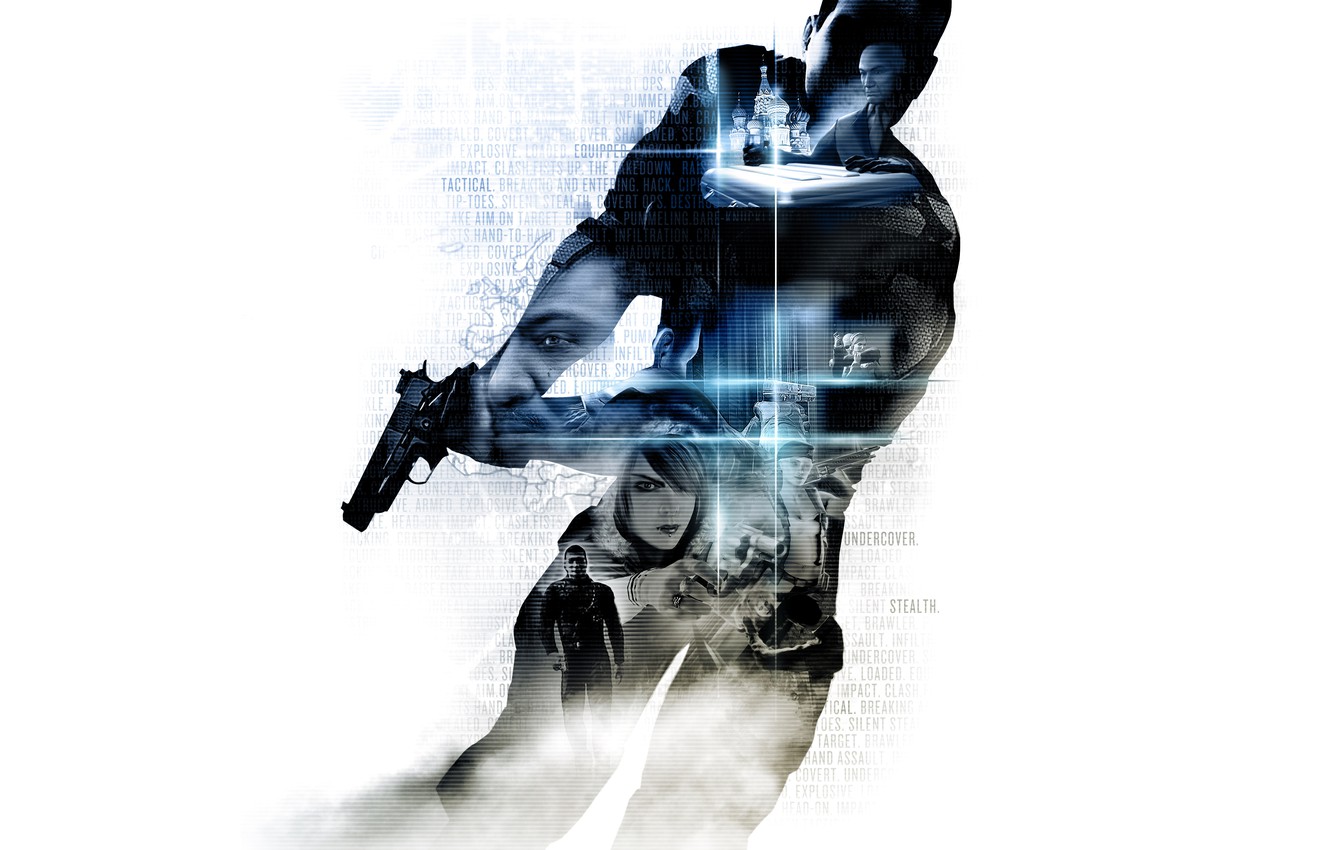
3. Alpha Protocol
Alpha Protocol was a fascinating, ambitious mess. While mechanically rough, its true innovation lay in its commitment to player choice and meaningful consequence. Every dialogue option, every mission outcome, truly shaped the narrative and character relationships in ways few games dared. It allowed players to craft a truly personalized espionage thriller, demonstrating how far narrative branching could extend beyond simple good/evil binaries, influencing subsequent RPGs seeking genuine player agency, even through its flaws.
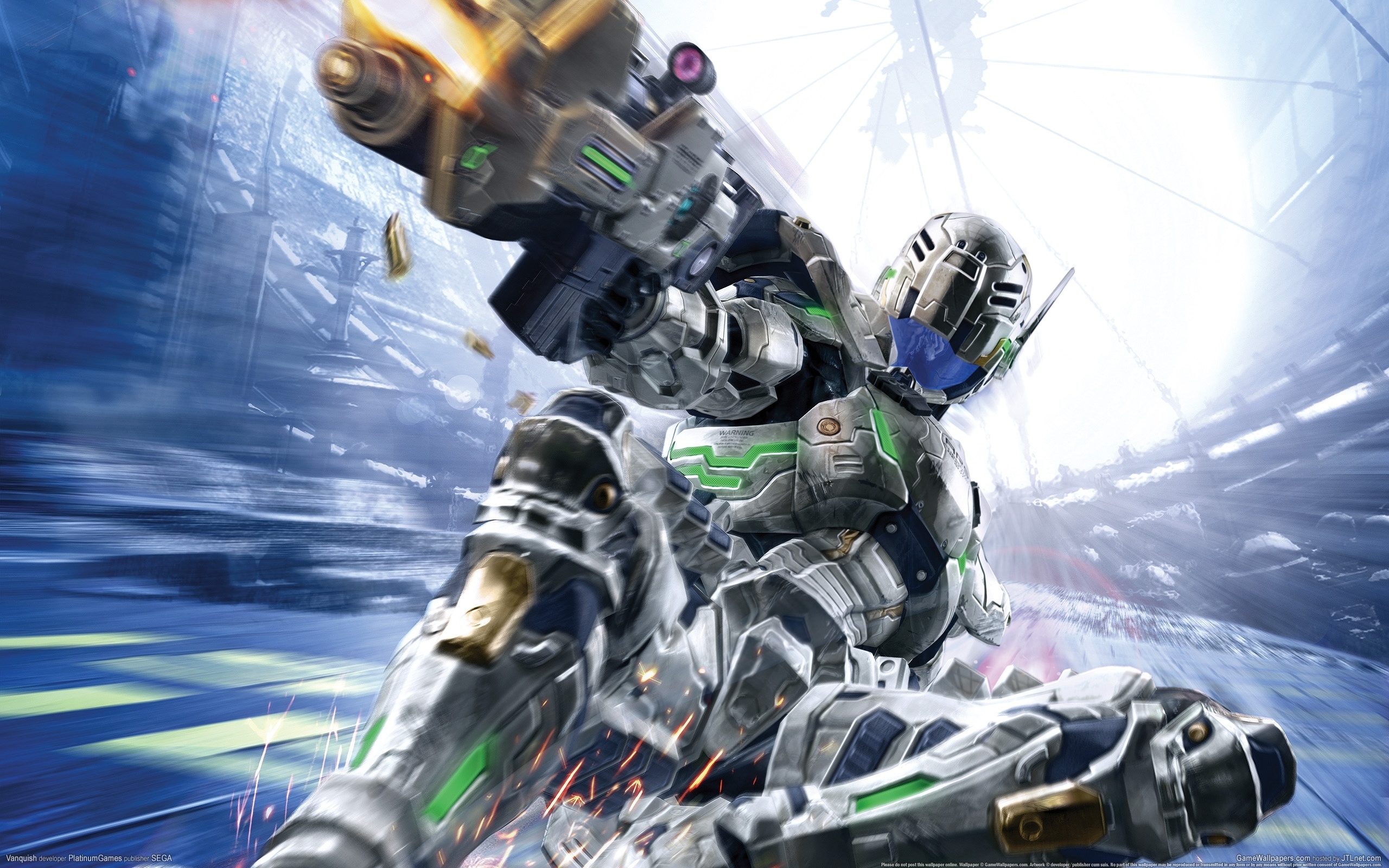
4. Vanquish
Vanquish redefined the third-person shooter with its relentless pace and stylish mobility. Forget static cover; this game demanded constant movement, sliding, boosting, and bullet-timing. Its innovative ARS suit mechanics transformed combat into a ballet of destruction, pushing players to engage with enemies in ways traditional shooters simply didn't allow. It was a masterclass in kinetic design, influencing the fluidity and aggression seen in many action games that followed, proving that speed could be a core defensive and offensive mechanic.
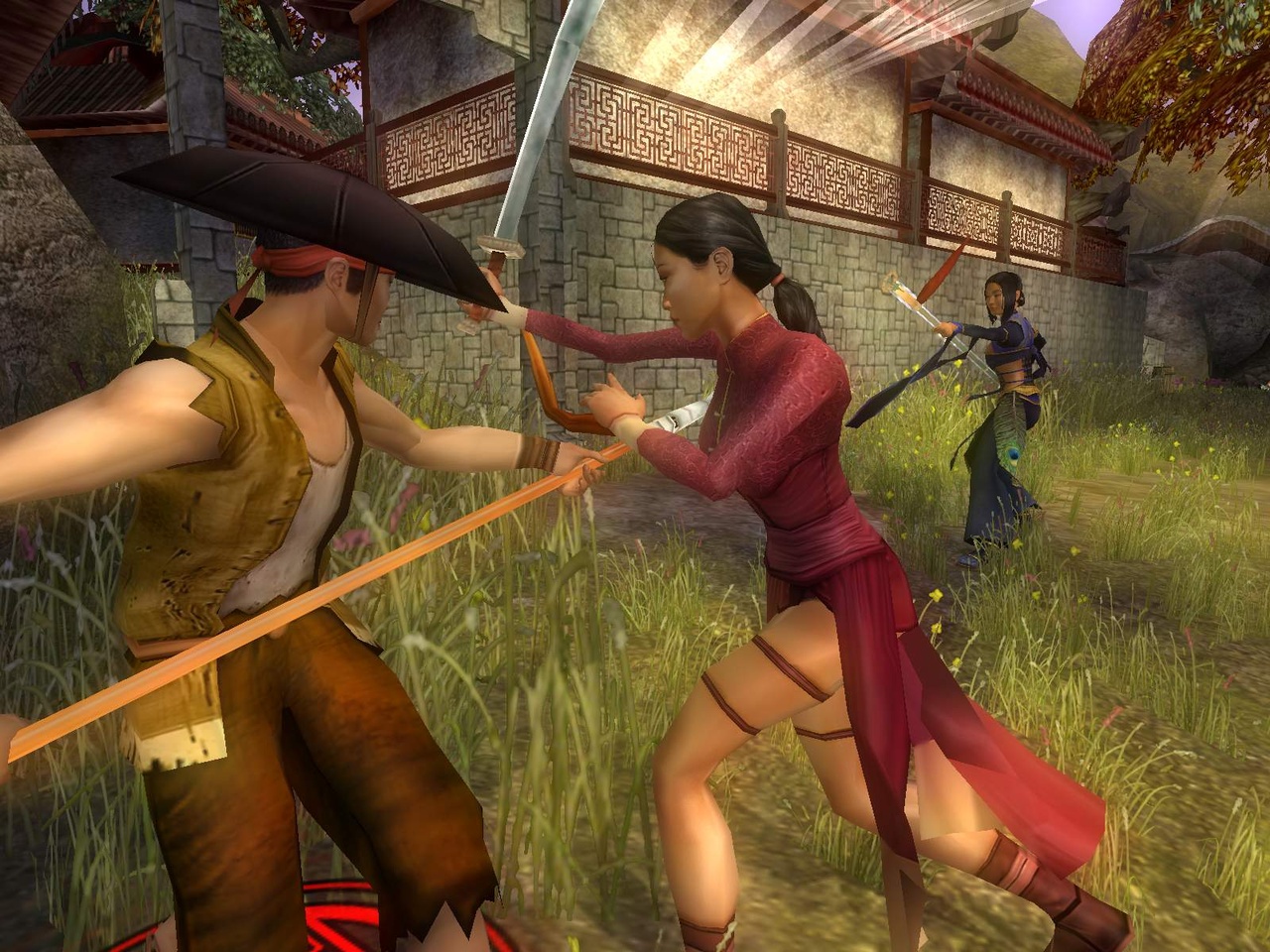
5. Jade Empire
Jade Empire represented BioWare's foray into a distinct fantasy, swapping Western tropes for an Eastern-inspired martial arts epic. It refined their signature moral alignment system, presenting choices that felt less about 'good' versus 'evil' and more about the philosophies of 'Open Palm' or 'Closed Fist'. The combat, while simple, offered a refreshing change of pace for the studio, proving their narrative prowess could adapt to diverse cultural backdrops and still deliver compelling character-driven RPG experiences.
6. Spec Ops: The Line
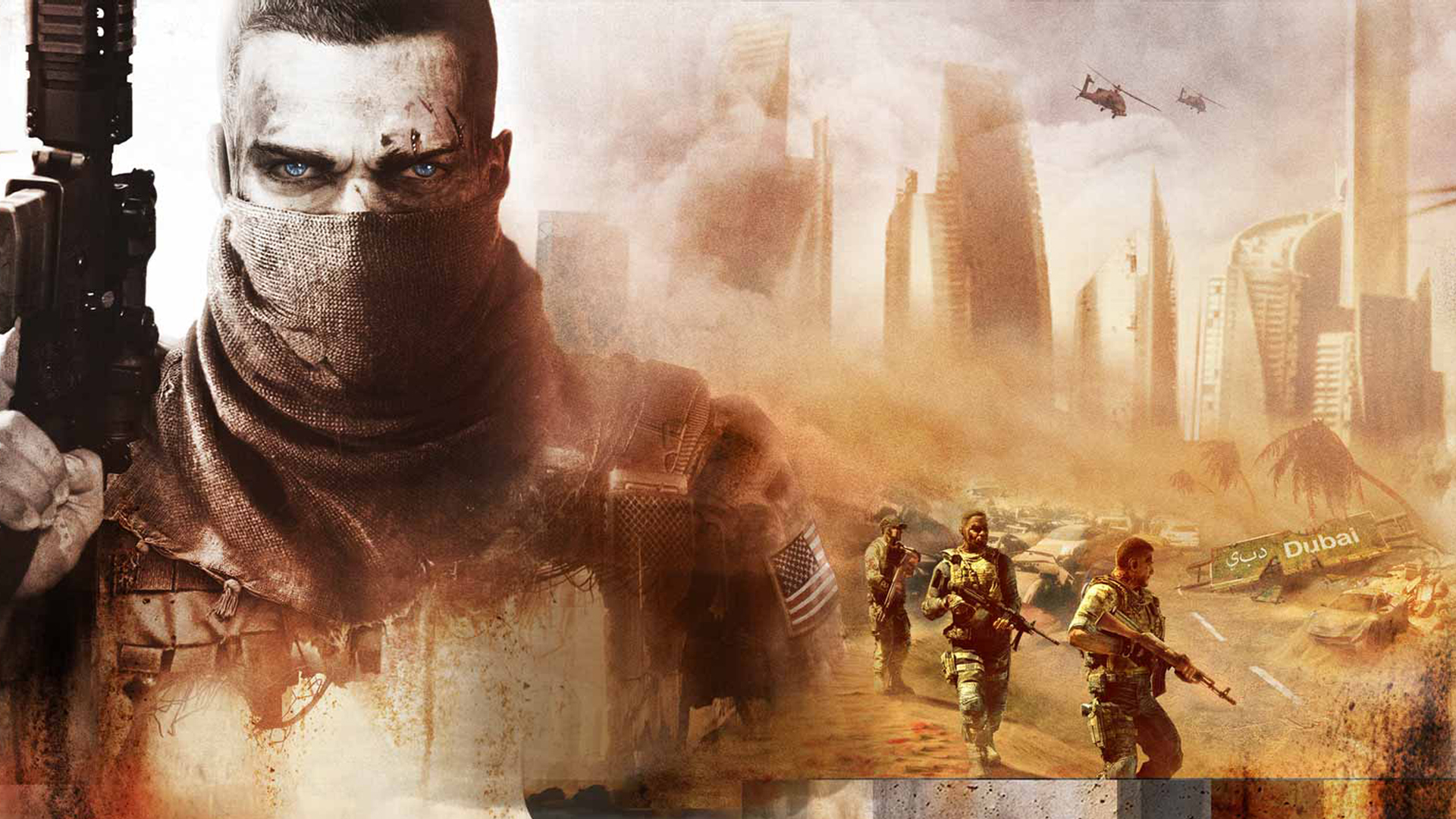
Spec Ops: The Line meticulously deconstructed the military shooter genre. It forced players to confront the uncomfortable realities of war, the psychological toll, and their own complicity in horrific acts. This was a brutal descent into madness, questioning player motivation and challenging traditional game narratives. It left an indelible mark, showing that a familiar genre could be twisted into a powerful, uncomfortable critique, fundamentally altering perceptions of player agency in violent games.

7. Pathologic 2
Pathologic 2 challenges traditional notions of difficulty and player success. It intentionally makes you fail, forcing impossible choices in a plague-ridden town. This isn't about winning; it's about enduring, understanding, and grappling with an uncaring world. Its design philosophy, rooted in philosophical horror and a relentless sense of urgency, redefined what a survival narrative could achieve, proving that frustration and loss could be potent tools for a deeply impactful experience.

8. Return Of The Obra Dinn
Return of the Obra Dinn stands as a masterclass in deductive reasoning and minimalist storytelling. With a monochromatic aesthetic and a limited set of tools, it tasks players with piecing together a ship's grim fate. Its genius lies in trusting the player completely, offering no hand-holding, just clues and a notebook. It proved that sophisticated narrative and complex puzzles could be woven into an entirely unique, self-contained experience, influencing a new wave of logic-driven detective games.
9. Prey
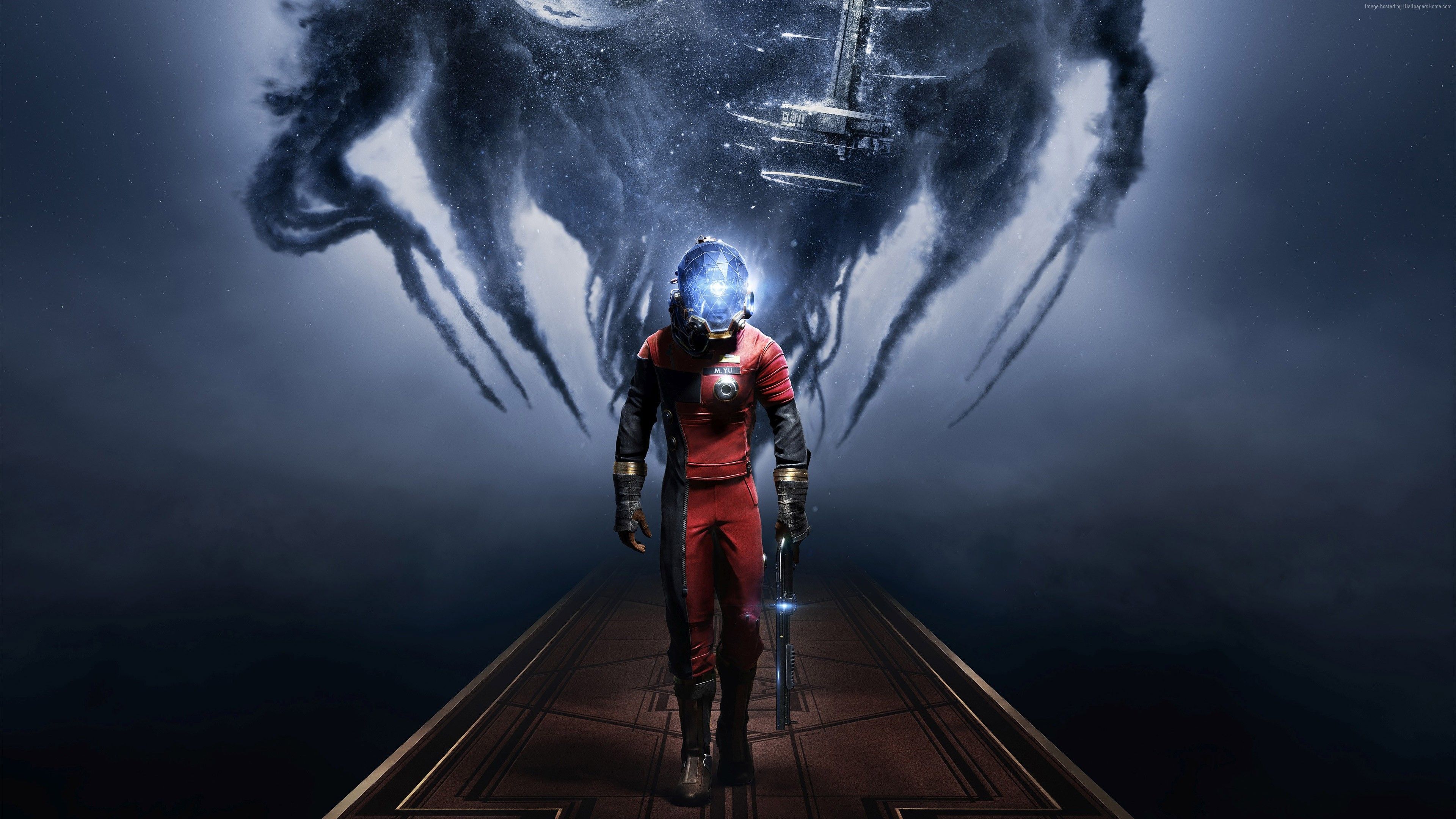
Prey, the 2017 iteration, quietly perfected the immersive sim. It blended systemic gameplay, environmental storytelling, and genuine player freedom in ways few games manage. Every object felt interactable, every ability offered multiple solutions, encouraging creativity over brute force. Its intricate level design and compelling sci-fi narrative rewarded exploration and experimentation, showing that the legacy of games like System Shock could be revitalized and evolved for a new generation, creating a truly reactive world.

10. killer7
killer7 was a defiant middle finger to convention. Its cel-shaded, hyper-stylized visuals and bizarre on-rails movement created an unforgettable, almost hallucinatory experience. More than just aesthetics, it wove a labyrinthine narrative of political intrigue, identity, and violence that defied easy categorization. It proved that games could be uncompromising artistic statements, embracing discomfort and surrealism to deliver a uniquely impactful, albeit polarizing, commentary on contemporary themes, influencing a niche of avant-garde game design.

11. Star Control 2
Star Control 2 laid the groundwork for open-world space exploration as we understand it today. Before Mass Effect, before No Man's Sky, this game offered unparalleled freedom to explore a vibrant galaxy, engage in complex diplomacy, brutal combat, and resource management. Its rich lore, memorable alien races, and non-linear quest structure set a benchmark for player agency and emergent storytelling in a vast cosmic sandbox, influencing countless sci-fi adventures that followed its ambitious design.

12. Arx Fatalis
Arx Fatalis was a spiritual successor to Ultima Underworld, quietly innovating with its immersive sim principles. Its ambitious, gesture-based magic system, requiring players to draw runes in real-time, was a bold, tactile departure from traditional spellcasting. The game excelled in environmental interaction, allowing players to cook, craft, and truly inhabit its subterranean world. It proved that deep immersion and player agency, even with a smaller scope, could create a uniquely compelling and influential dungeon-crawling experience.