
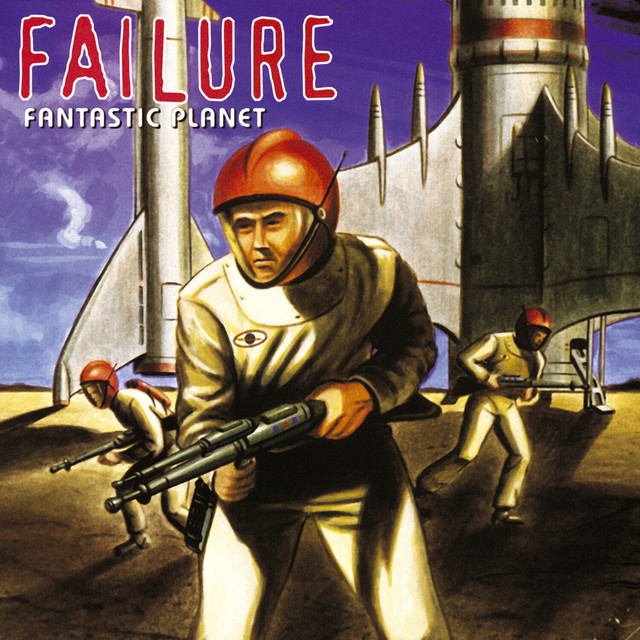
1. Fantastic Planet
Hum's 1995 epic feels like traversing a desolate, beautiful asteroid field. The guitars are colossal, yet there’s this underlying current of melancholy that really sticks. It’s heavy, sure, but also incredibly nuanced, building these sonic landscapes that just swallow you whole. And that vocal delivery? It’s pure, raw emotion cutting through the fuzz. A true gem from the post-grunge era that still sounds utterly massive.
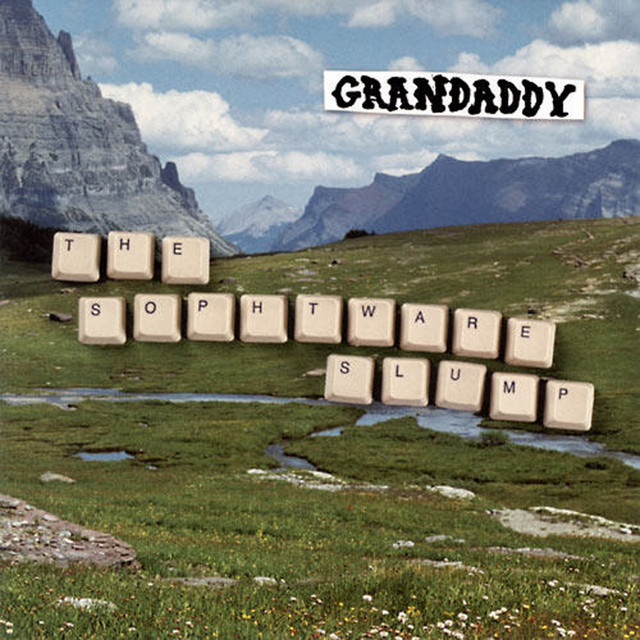
2. The Sophtware Slump
Grandaddy's 2000 record captures the dread and wonder of the Y2K bug in musical form, but in a way that feels timeless. Jason Lytle's voice, drenched in reverb and existential weariness, drifts over these quirky, lo-fi electronic textures and indie-rock hooks. It’s a beautifully sad ode to technological anxiety and forgotten dreams in a valley of progress, still resonating today with its quiet desperation.
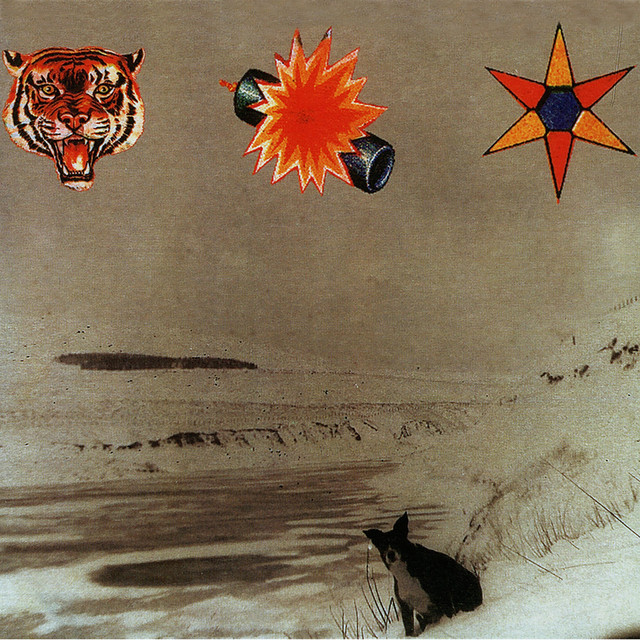
3. The Three E.P.'s
The Beta Band’s 1998 collection was a revelation, frankly. It’s this messy, brilliant collage of indie-folk, trip-hop rhythms, dub flourishes, and spoken-word ramblings. You couldn’t pin it down, and that was its genius. It felt like a mixtape compiled by a benevolent alien. And yeah, it sounded a little rough around the edges, but that only added to its charm. Truly experimental, yet so inviting.
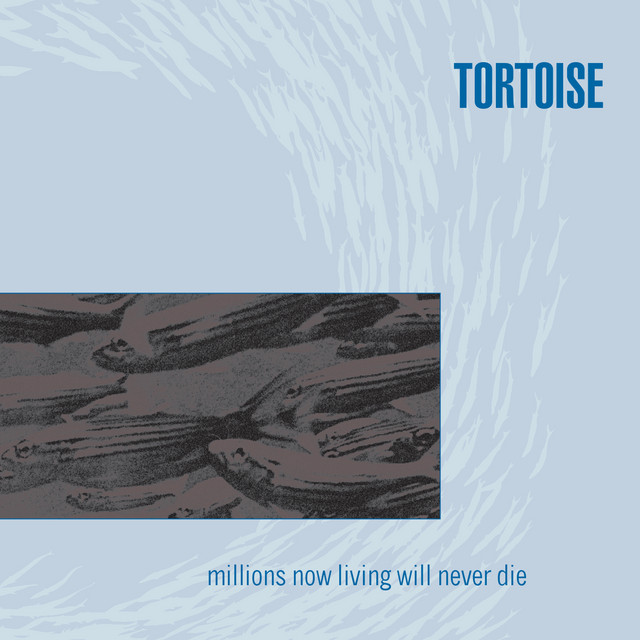
4. Millions Now Living Will Never Die
Tortoise’s 1996 masterpiece just redefined what instrumental music could be. It's not just post-rock; it’s a living, breathing organism of intricate rhythms, jazz inflections, and electronic pulses. They built these sprawling, hypnotic tracks that felt meticulously constructed but never sterile. This album is a cornerstone of the era, pushing boundaries with its sheer complexity and understated groove. A true journey.
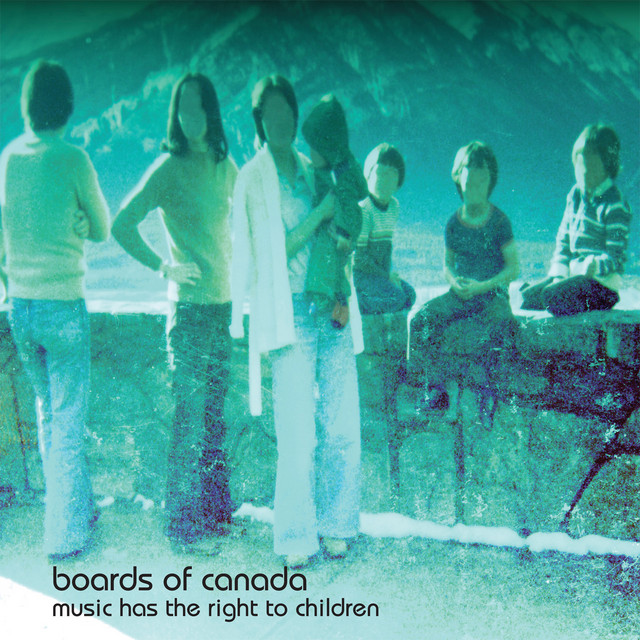
5. Music Has The Right To Children
Boards of Canada’s 1998 debut is less an album and more a portal to a faded, sun-drenched memory. The dusty synths, warbling samples, and fractured beats create an IDM soundscape that’s both nostalgic and unsettling. It pulls you into this beautifully melancholic world of childhood innocence and forgotten VHS tapes. The analog warmth and subtle complexities make it a permanent fixture for ambient-electronic exploration.
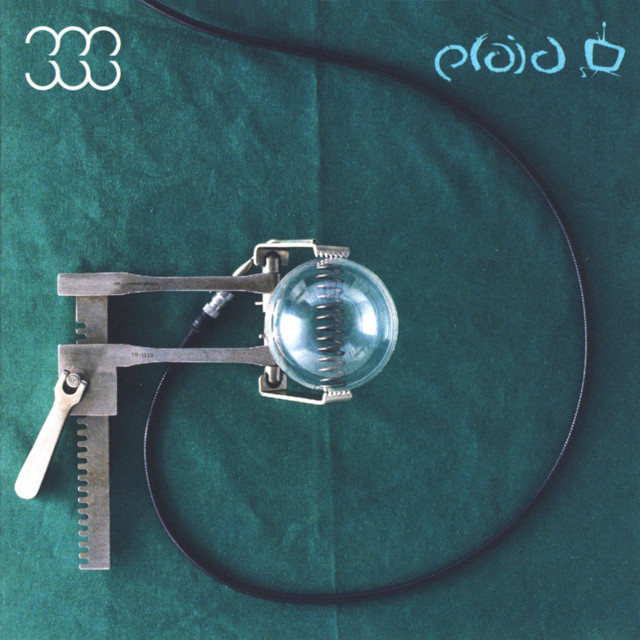
6. Not For Threes
Plaid's 1997 offering is a deep dive into the more intricate, melodic side of IDM. It’s got this incredible balance of complex programming and emotional resonance. The tracks unfold with precision, but never feel cold; there’s always a hint of warmth or playful curiosity woven into the glitchy rhythms and shimmering synths. It’s an album that rewards close listening, revealing new layers with every spin.
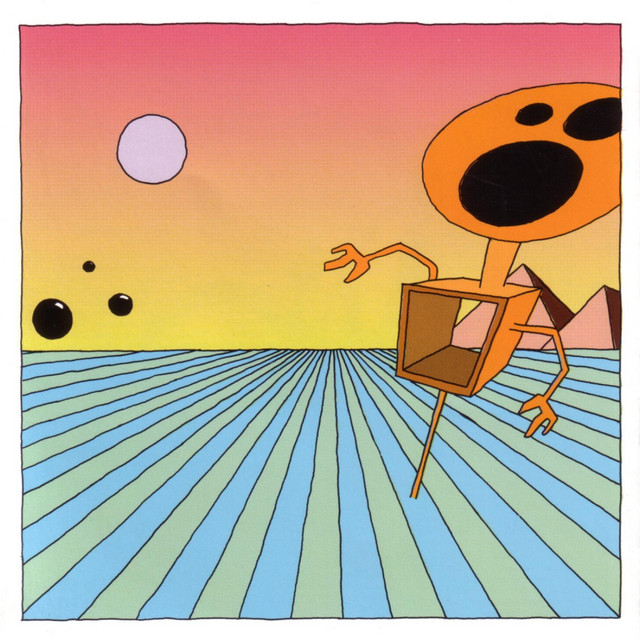
7. Emergency & I
The Dismemberment Plan's 1999 record is a jittery, anxious, and utterly brilliant burst of indie-rock energy. Travis Morrison's lyrics are sharp, observational, and often painfully relatable, delivered with this frantic, yet charismatic, urgency. The band’s math-rock leanings keep things unpredictable, but there’s always a huge, undeniable hook lurking beneath the angularity. It’s a perfect snapshot of late-90s suburban ennui.
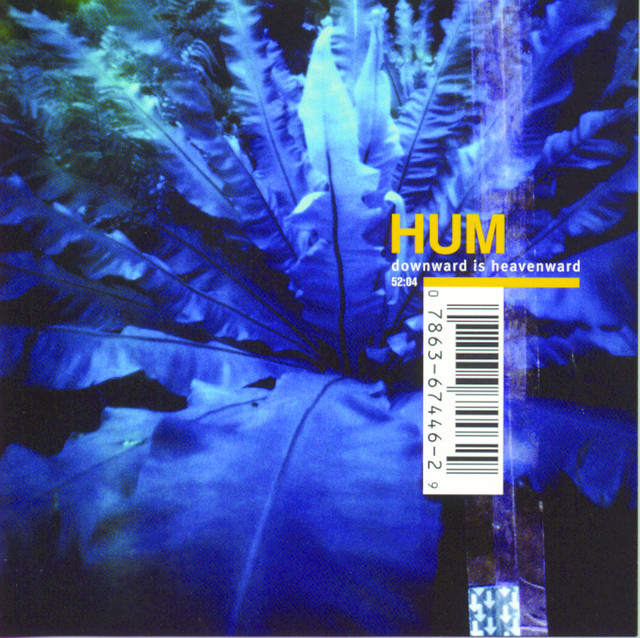
8. Downward Is Heavenward
Hum's 1998 follow-up to *Fantastic Planet* is just as captivating, if not more so, in its own way. It's still got those signature wall-of-guitar soundscapes, but there's a slightly brighter, more expansive feel. The melodies are even more pronounced, soaring above the heavy riffage. It’s an album that perfectly balances brute force with delicate beauty, proving they were masters of their unique sonic territory.

9. Philophobia
Arab Strap’s 1998 album is a raw, unflinching look at relationships and vulnerability, soaked in Scottish melancholy. Aidan Moffat’s spoken-word delivery over sparse, atmospheric arrangements feels intensely personal, like eavesdropping on a late-night confession. It’s gritty, honest, and sometimes brutally funny. This isn’t background music; it demands your attention and then leaves you feeling utterly seen.

10. Luke Vibert presents Rave Hop
Luke Vibert's 1998 project is exactly what it sounds like, but even wilder. It’s this chaotic, joyous collision of old-school rave energy and chunky hip-hop beats, all filtered through Vibert’s unmistakable, playful IDM lens. Expect squelchy acid lines, classic breakbeats, and a general sense of gleeful experimentation. It’s a masterclass in genre-bending that never takes itself too seriously, yet delivers serious grooves.
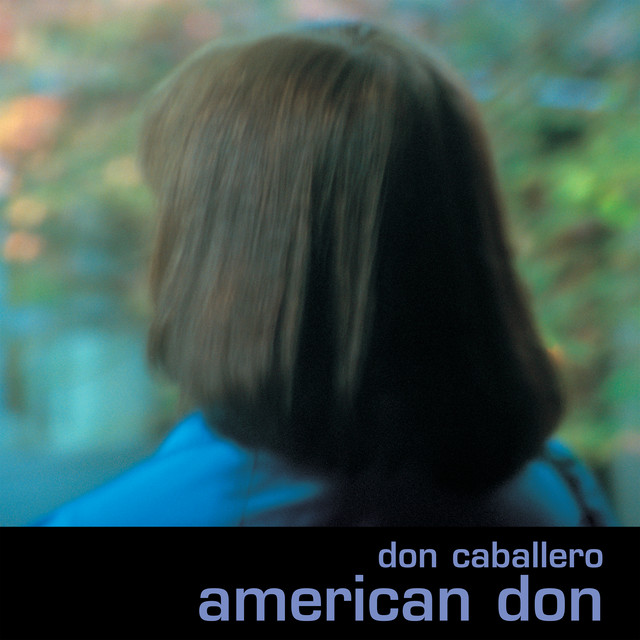
11. American Don
Don Caballero's 2001 record is a clinic in instrumental math-rock precision. It’s all about the interlocking rhythms and complex guitar interplay, building these incredibly dynamic and intense soundscapes without a single vocal. The band is just locked in, creating a powerful, almost overwhelming wall of sound that’s both cerebral and visceral. It’s a testament to raw musicianship and the sheer power of instrumental storytelling.