

1. Dark City
Alex Proyas’s neo-noir masterpiece arrived a year before *The Matrix* and arguably laid much of its philosophical groundwork with greater atmospheric depth. Its labyrinthine narrative, where memory is mutable and reality is architected by unseen forces, explores profound questions of identity and free will. The film’s striking visual design, a perpetual twilight adorned with expressionistic shadows, crafts a truly immersive, unsettling world. It’s a testament to imaginative world-building and a potent reflection on manipulation.
2. Brazil
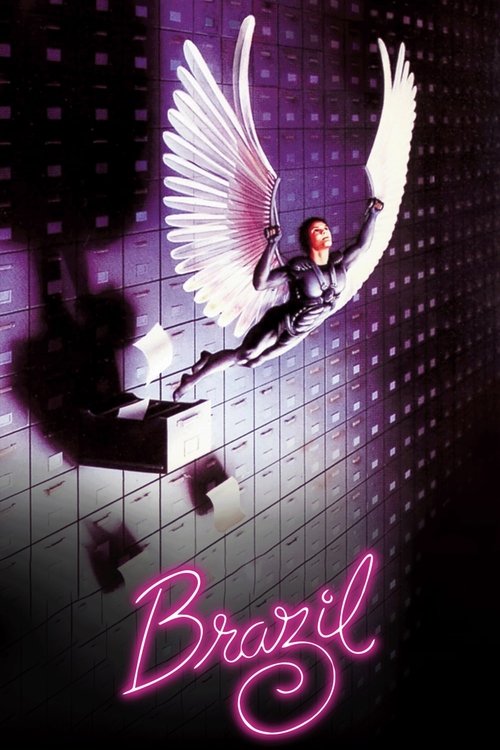
Terry Gilliam’s singular vision of a hyper-bureaucratic dystopia remains as relevant and darkly comedic today as it was in 1985. A scathing critique of governmental overreach and consumerist absurdity, its baroque production design and surreal dream sequences create an unforgettable cinematic landscape. Sam Lowry's futile quest for love and meaning amidst overwhelming paperwork and systemic inefficiency is a poignant, often hilarious, lament for human freedom in an increasingly mechanized world.
3. Gattaca
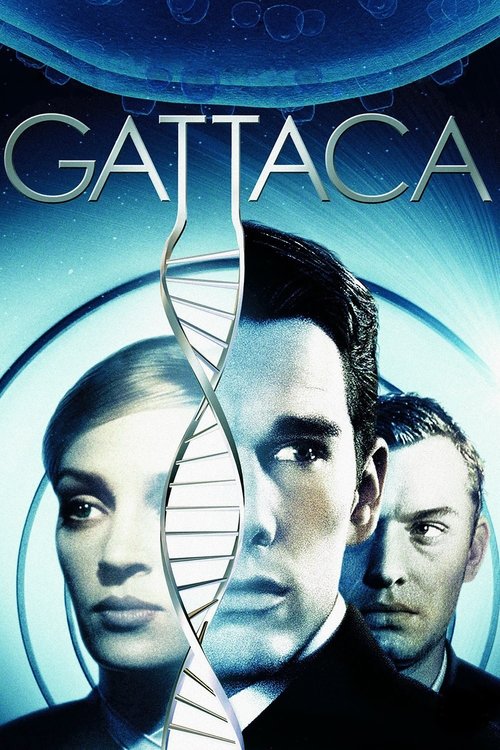
Andrew Niccol’s *Gattaca* presents a sleek, chilling vision of a not-so-distant future where genetic purity dictates social standing. Released in 1997, it was remarkably prescient about the ethical quandaries of genetic engineering and societal stratification. Vincent Freeman's quiet rebellion against this predetermined destiny, fueled by sheer human will, is both inspiring and heartbreaking. The film’s elegant aesthetic and thoughtful script offer a powerful, understated commentary on ambition and identity that resonates deeply.
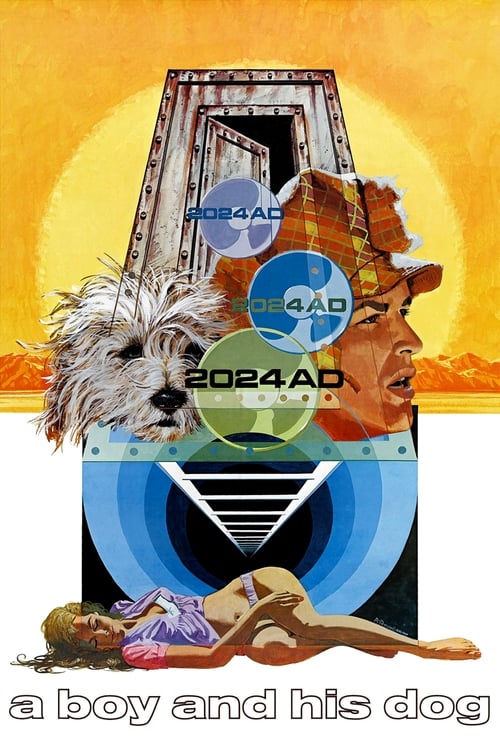
4. A Boy and His Dog
L.Q. Jones’s cult classic from 1975 is a bleak, darkly humorous dive into a post-apocalyptic wasteland where moral decay is rampant. Vic, guided by his telepathic, cynical dog, Blood, navigates a brutal landscape. The film’s notorious ending, a stark commentary on humanity’s baser instincts, cemented its place in transgressive cinema. It’s a raw, uncomfortable, yet undeniably compelling snapshot of survival in a world stripped of civility.
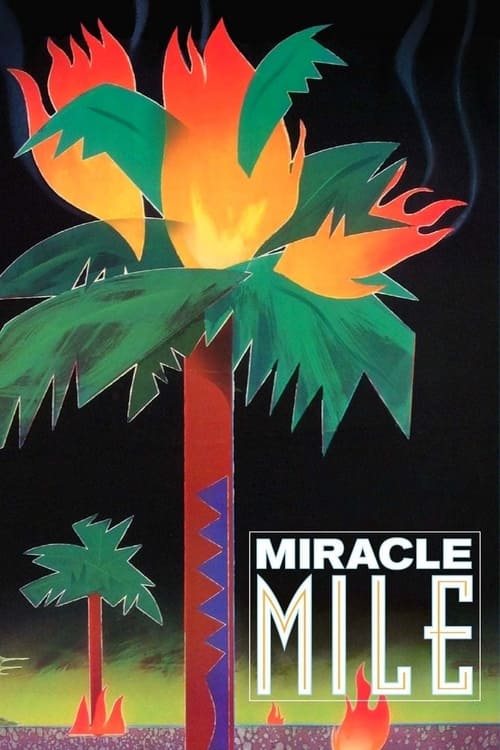
5. Miracle Mile
Steve De Jarnatt’s *Miracle Mile* is a masterclass in escalating, real-time tension, a frantic 1989 thriller that captures Cold War anxieties with terrifying immediacy. When a chance phone call reveals an imminent nuclear attack, Harry's desperate race against the clock transforms a romantic evening into a nightmarish urban odyssey. The film's relentless pace and claustrophobic atmosphere amplify the existential dread, culminating in a harrowing, unforgettable final act. It's a pulse-pounding experience.
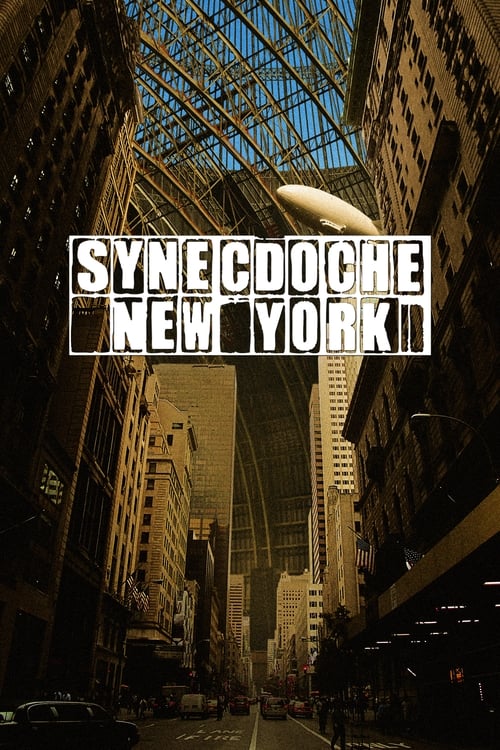
6. Synecdoche, New York
Charlie Kaufman's directorial debut from 2008 is an audacious, sprawling meditation on life, death, and art. Philip Seymour Hoffman's Caden Cotard attempts to construct a theater piece mirroring his entire life, only for the project to consume him, blurring the lines between reality and performance. It’s a profound, melancholic, and often bewildering journey into the human condition, grappling with mortality, artistic ambition, and the relentless pursuit of meaning.