
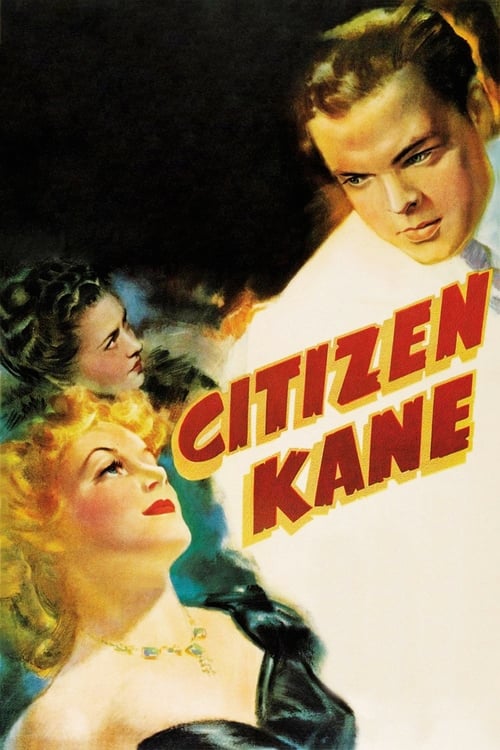
1. Citizen Kane
Orson Welles' debut remains a towering achievement, not merely for its technical audacity—deep-focus cinematography, non-linear narrative—but for its profound deconstruction of the American Dream. It's a masterclass in how form can illuminate theme, dissecting power, memory, and the elusive nature of truth through the enigmatic figure of Charles Foster Kane. A cinematic Rosetta Stone.

2. Seven Samurai
Kurosawa's epic transcends its genre, offering a meticulous study of honor, sacrifice, and the dynamics of community under duress. Its influence on global cinema, particularly Westerns, is immeasurable. Beyond the thrilling action sequences, it’s a deeply humanist portrayal of individuals facing insurmountable odds, cementing its place as a cornerstone of narrative storytelling.
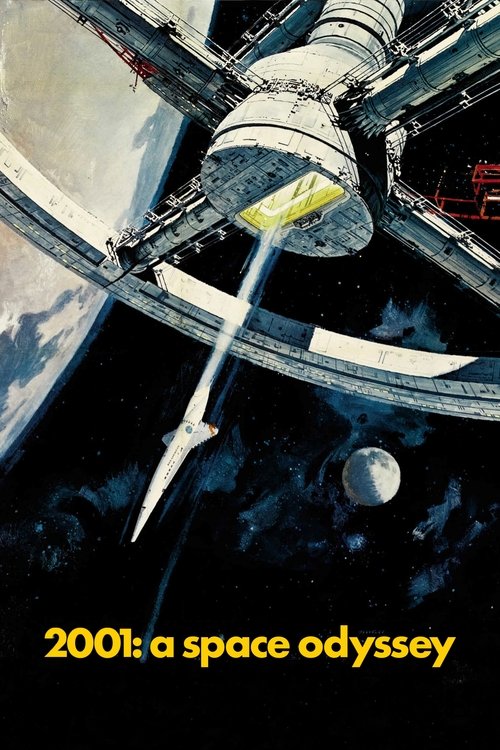
3. 2001: A Space Odyssey
Kubrick’s vision is less a story and more an experience, a profound meditation on evolution, artificial intelligence, and humanity's place in the cosmos. Its deliberate pacing, groundbreaking visual effects, and philosophical depth invite endless interpretation, pushing the boundaries of cinematic language. A truly transcendent, awe-inspiring journey beyond the stars.
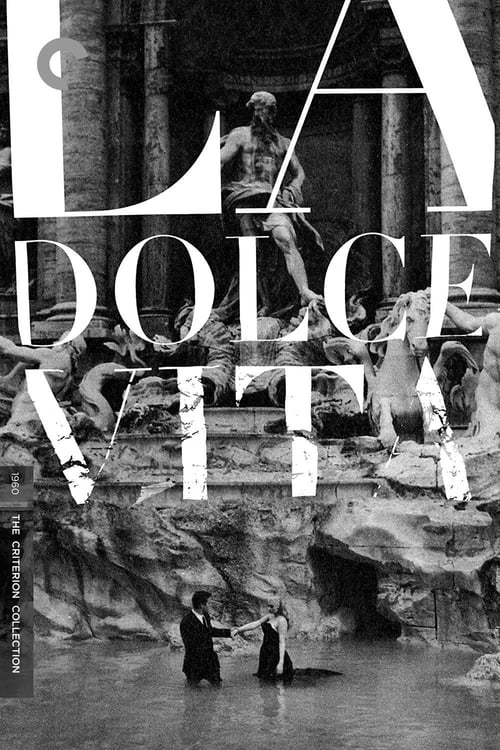
4. La Dolce Vita
Fellini's opulent tableau critiques the spiritual emptiness beneath Rome's glittering high society. Marcello Mastroianni's journalist navigates a world of fleeting pleasures and existential despair, capturing the melancholic beauty of decadence. It's a vivid, often surreal, reflection on celebrity culture, morality, and the search for meaning in a glamorous, yet hollow, existence.
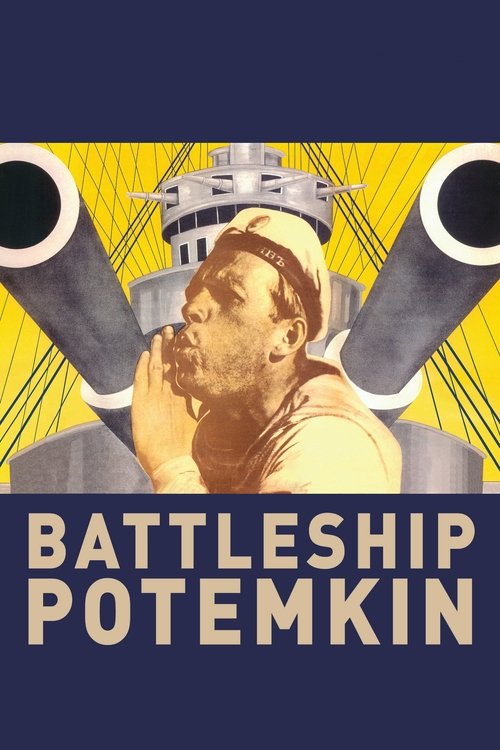
5. Battleship Potemkin
Eisenstein's revolutionary work is less a film and more a manifesto on cinematic montage. Its iconic Odessa Steps sequence redefined narrative pacing and emotional impact, proving cinema's power as a tool for propaganda and social change. A foundational text in film theory, demonstrating how editing could sculpt perception and stir collective consciousness.
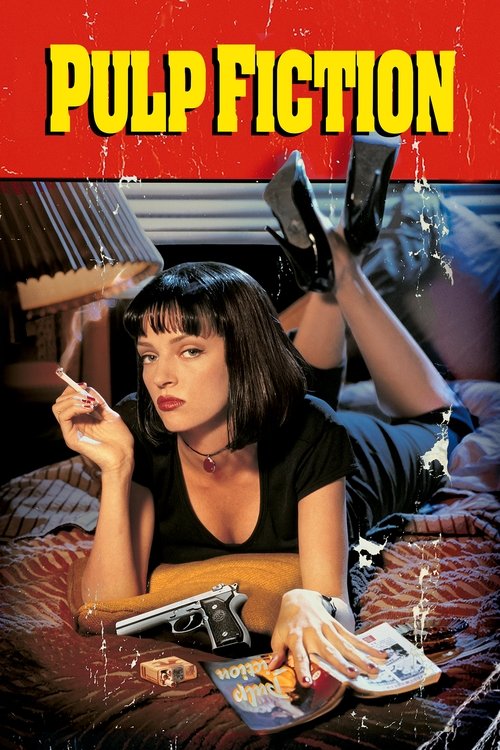
6. Pulp Fiction
Tarantino explosively redefined independent cinema, not just with its non-linear narrative and razor-sharp dialogue, but by making genre conventions feel fresh and dangerous. It's a postmodern mosaic of crime, philosophy, and pop culture references, stitching together seemingly disparate stories with audacious style and an unforgettable soundtrack. Pure, unadulterated cinematic cool.
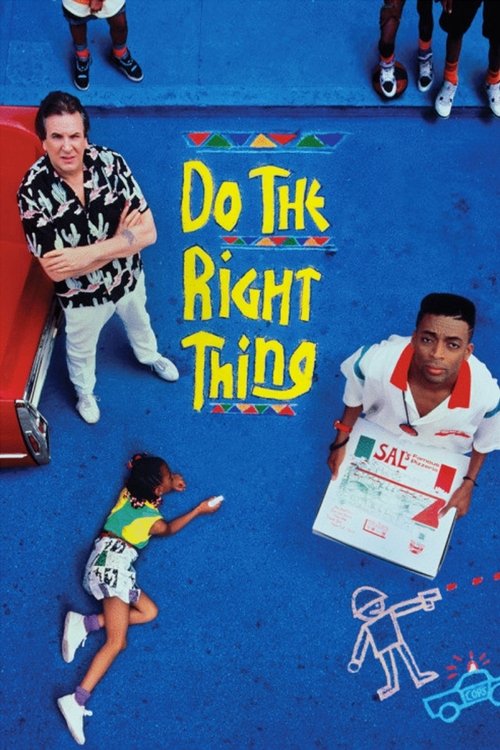
7. Do the Right Thing
Spike Lee's scorching portrait of racial tension in a Brooklyn neighborhood on the hottest day of summer is as relevant today as it was in 1989. It masterfully escalates simmering frustrations into an explosive climax, refusing easy answers and forcing audiences to confront uncomfortable truths about prejudice, community, and moral responsibility. A vital, powerful statement.
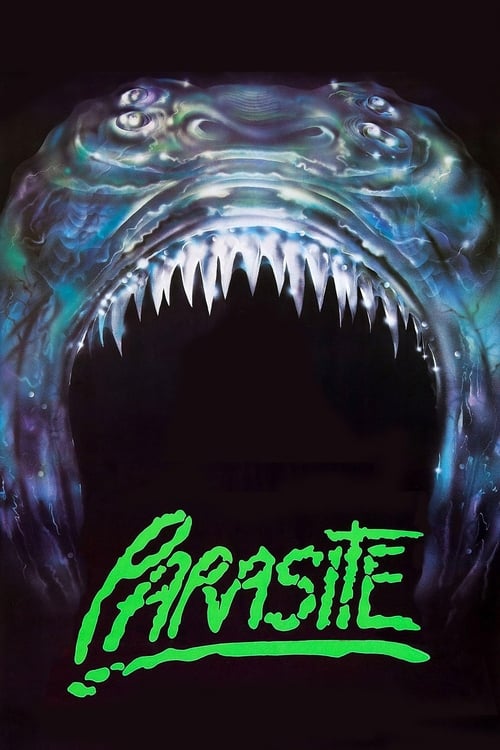
8. Parasite
Bong Joon-ho's masterful blend of dark comedy, thriller, and social satire dissects class inequality with surgical precision. Its intricate plot and relentless tension reveal the brutal realities of wealth disparity, culminating in a poignant, unforgettable commentary on systemic injustice. A global phenomenon that resonated deeply, exposing the hidden costs of survival.
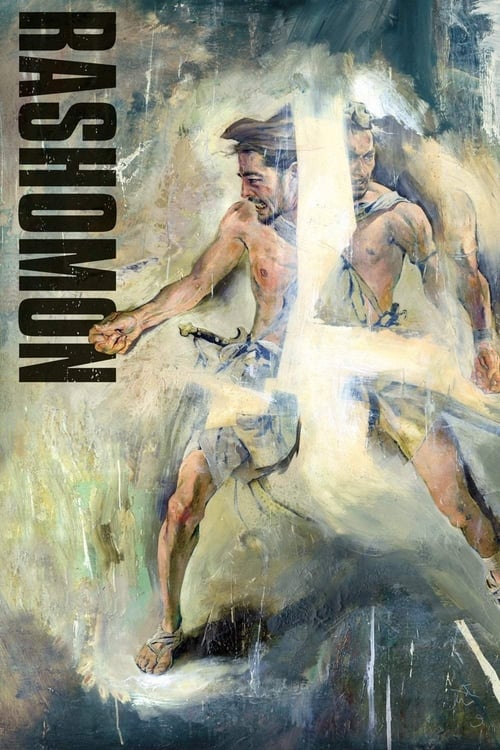
9. Rashomon
Kurosawa's structural innovation, presenting a single event through multiple, contradictory perspectives, revolutionized storytelling. It’s a profound exploration of subjective truth, memory, and the inherent biases of human perception. The film challenges viewers to question what they see and believe, cementing its legacy as a philosophical cornerstone of world cinema.
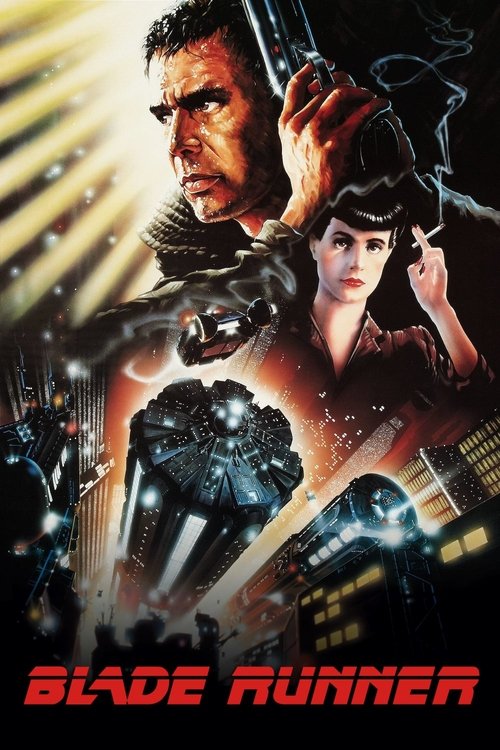
10. Blade Runner
Ridley Scott’s dystopian masterpiece transcends its sci-fi premise to ask profound questions about identity, humanity, and artificial life. Its stunning neo-noir aesthetic and atmospheric world-building created a benchmark for cyberpunk. Deckard’s hunt for replicants becomes an existential journey, blurring the lines between creator and creation, man and machine.