

1 / 6
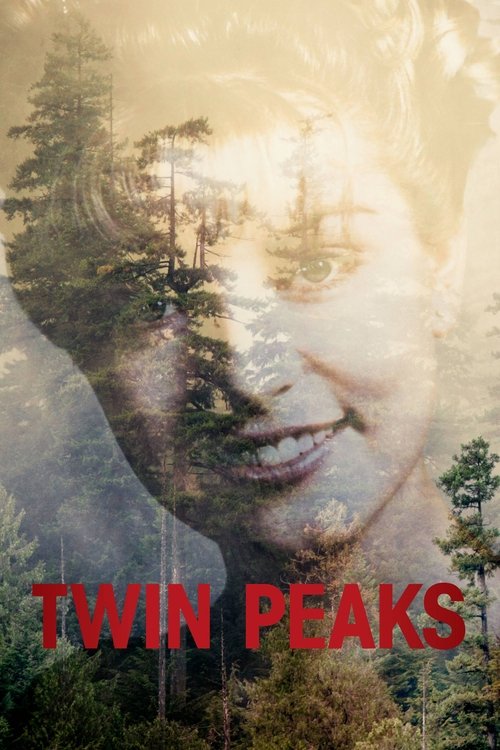
1. Twin Peaks
David Lynch’s surreal masterpiece dropped viewers into a small town mystery, proving network television could be art. Its serialized narrative, atmospheric visuals, and deliberate pacing felt like nothing else, demanding attention. It wasn't just a whodunit; it was an experience, establishing a template for cinematic storytelling long before HBO made it standard.
2 / 6
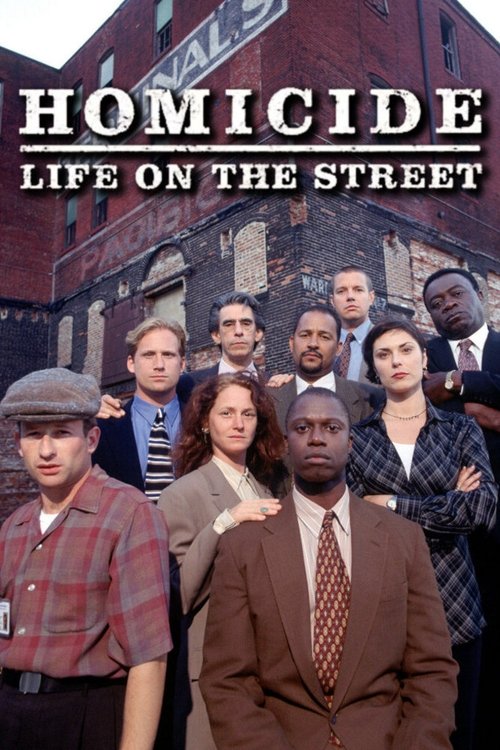
2. Homicide: Life on the Street
This was Baltimore grit on broadcast, pulling no punches. Its handheld cameras, overlapping dialogue, and raw performances created an uncomfortable, authentic energy. It embraced ensemble storytelling, showing the real toll of police work, often without easy answers. Network television hadn't seen a procedural this cinematic and emotionally taxing, paving the way for later, darker dramas.
3 / 6
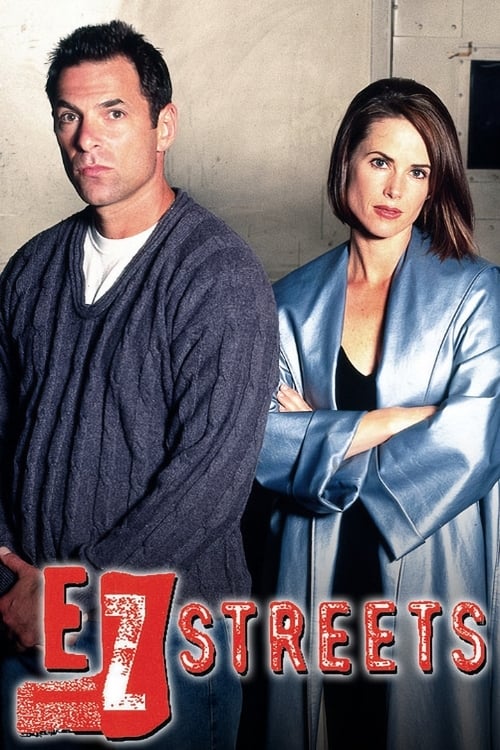
3. EZ Streets
Ken Olin’s noirish fever dream was too good for 1996 network television. Its labyrinthine plot, morally ambiguous characters, and stark, cinematic visuals felt like a cable show before cable shows were *the thing*. It pushed serial storytelling to its limit, demanding intense viewer commitment. Sadly, it was canceled too soon, but its ambition was undeniable, influencing future prestige dramas.
4 / 6
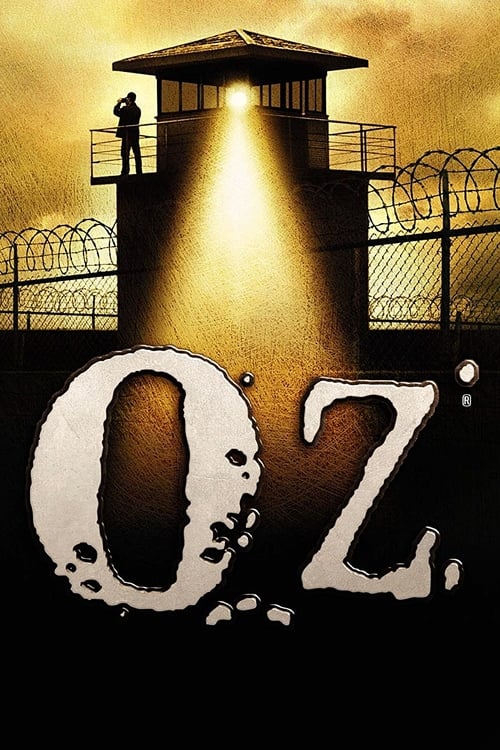
4. Oz
Welcome to Emerald City, where HBO truly found its voice. *Oz* wasn't just groundbreaking for its unflinching violence and adult themes; it was a masterclass in ensemble drama within a serialized, claustrophobic world. It redefined what cable television could do, pushing boundaries of character depth and narrative risk, proving that truly dark, challenging content had an audience willing to subscribe.
5 / 6
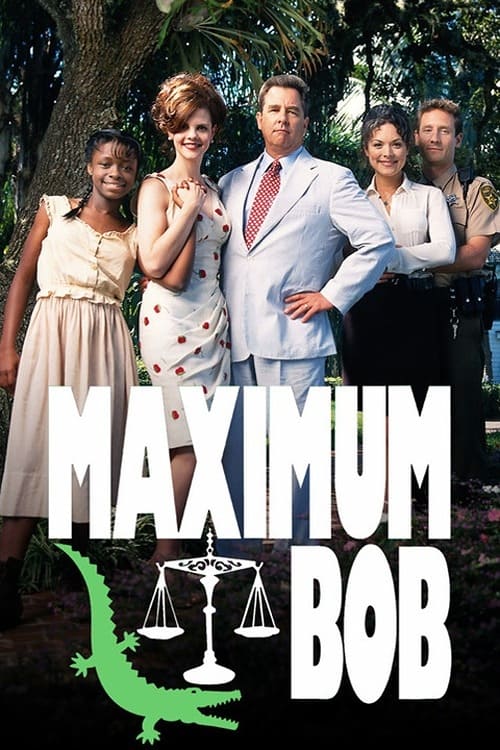
5. Maximum Bob
Elmore Leonard’s distinct voice, brought to life on network television, was a wild ride. This show blended dark humor, quirky characters, and a serialized plot with a cinematic flair that felt out of place on ABC. It was a bold, often bizarre, ensemble piece, attempting to capture a specific regional absurdity. Though short-lived, it demonstrated a willingness to experiment with tone and storytelling on broadcast.
6 / 6
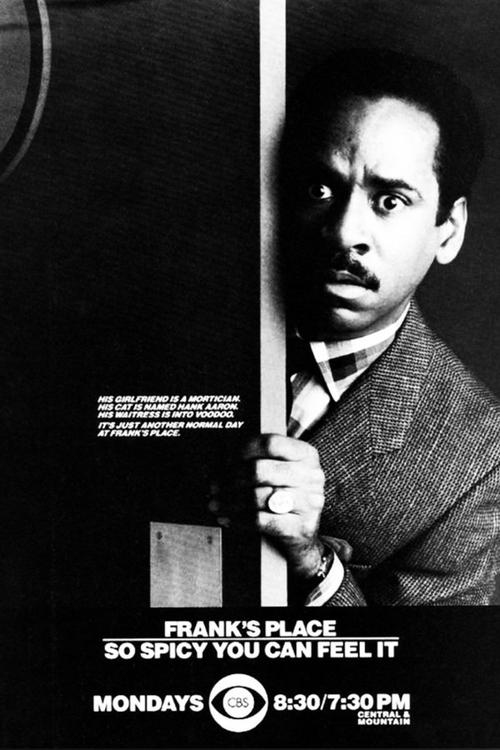
6. Frank's Place
This gem was doing prestige comedy before "prestige" was even a term. Set in a New Orleans restaurant, it ditched the laugh track, embraced a single-camera, cinematic feel, and wove serialized character arcs into its comedic fabric. It was an ensemble piece that prioritized atmosphere and nuance over punchlines, proving that sitcoms could be sophisticated, intimate, and emotionally resonant.