
1. The Vanishing
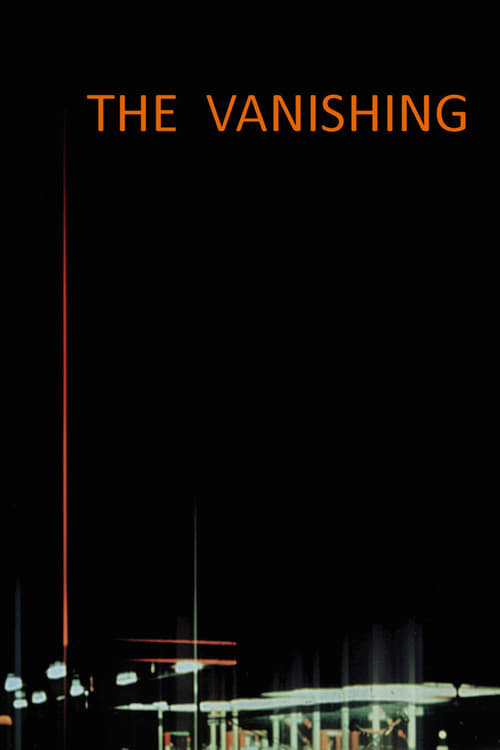
George Sluizer's original Dutch masterpiece is a clinical dissection of obsession, not merely a thriller. It foregoes conventional scares for a slow-burn psychological unraveling, where the true horror lies in the protagonist's desperate need for answers, even if they lead to an unimaginable void. The film meticulously builds tension, culminating in one of cinema's most chilling and philosophically disturbing conclusions, a true testament to its audacious vision.
2. Sorcerer
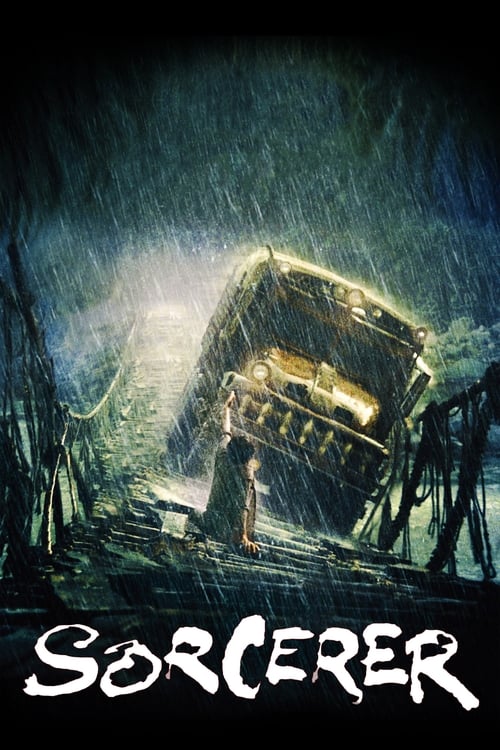
William Friedkin's maligned 1977 epic, a grueling production overshadowed by Star Wars, has since been rightly re-evaluated as a masterpiece of existential dread. Four desperate men, fleeing their pasts, undertake a suicidal mission to transport volatile nitroglycerin across a treacherous South American jungle. The film is a raw, visceral experience, a testament to man's futile struggle against an indifferent, hostile world, punctuated by Tangerine Dream’s hypnotic score.
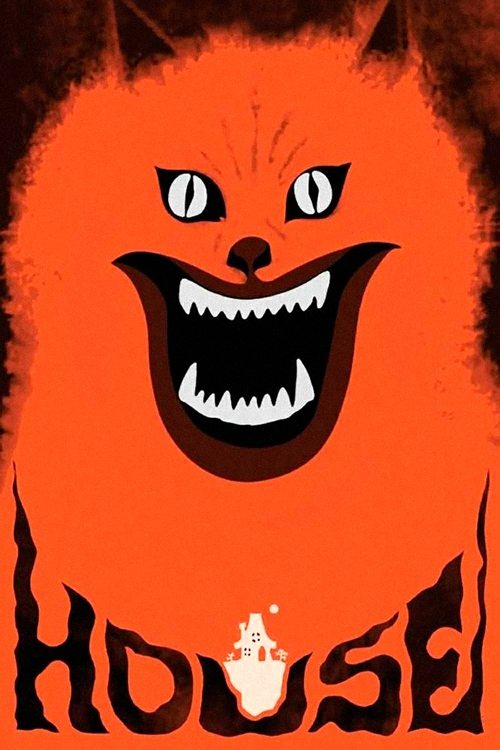
3. House
Nobuhiko Obayashi’s *House* is not just a horror film; it's a kaleidoscopic fever dream, an explosion of unrestrained cinematic imagination. Conceived with input from his young daughter, it defies easy categorization, blending slapstick absurdity with genuine terror and breathtakingly avant-garde visuals. It’s a joyful, terrifying, and utterly unique experience, a playful rebuke to conventional filmmaking that must be seen to be believed, and then seen again.

4. Possession
Andrzej Żuławski's *Possession* is a harrowing, operatic descent into madness, driven by two of cinema's most unhinged performances from Isabelle Adjani and Sam Neill. Set against a bleak, divided Berlin, it's a visceral exploration of a crumbling marriage, allegorizing Cold War anxieties and personal disintegration. The film’s raw, almost unbearable intensity and surreal imagery carve a singular, unforgettable scar on the psyche of its audience.

5. Mikey and Nicky
Elaine May's *Mikey and Nicky* is a brutal, unvarnished portrait of friendship, paranoia, and betrayal within the criminal underworld. Shot with an almost documentary-like intimacy, its naturalistic dialogue and raw performances – particularly from Peter Falk and John Cassavetes – feel less like acting and more like life caught unawares. It's an agonizingly authentic study of two men trapped by their own choices and a world that offers no escape.
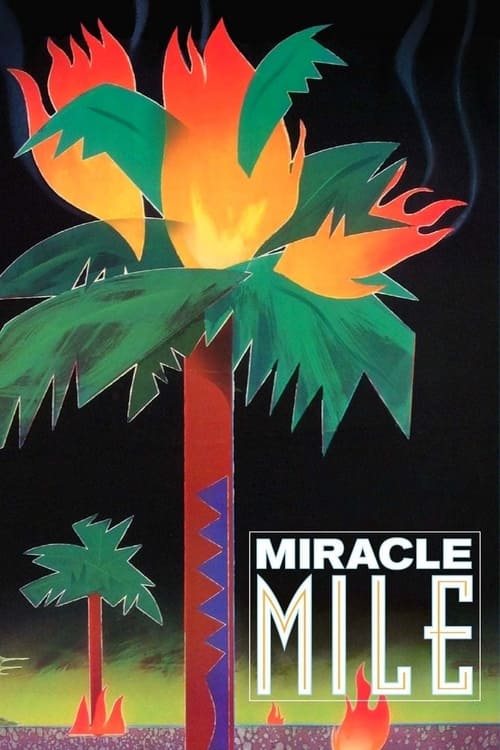
6. Miracle Mile
Steve De Jarnatt’s *Miracle Mile* is a masterclass in escalating, real-time paranoia. A chance phone call plunges a charming trombonist into an unfolding nuclear apocalypse, turning a budding romance into a desperate race against oblivion. The film brilliantly captures the chaotic, absurd terror of societal collapse, blending dark humor with genuine heartbreak. It’s a cult classic that feels terrifyingly prescient, a singular vision of the end of the world.

7. Kwaidan
Masaki Kobayashi's *Kwaidan* is a breathtaking anthology of Japanese ghost stories, rendered with an unparalleled visual artistry. Each segment, adapted from Lafcadio Hearn's tales, unfolds with deliberate pacing and exquisite, often theatrical, cinematography, utilizing painted backdrops and stylized sets to create a truly otherworldly atmosphere. It's a sublime, meditative horror film, a deeply resonant exploration of folklore, fate, and the spectral realm.
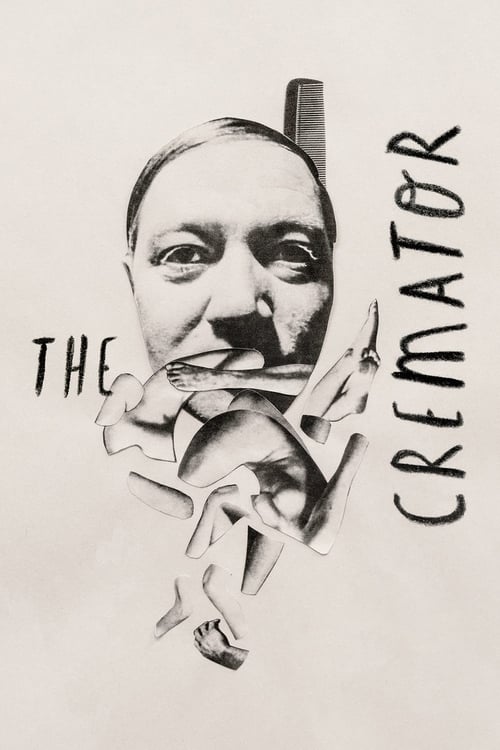
8. The Cremator
Juraj Herz’s *The Cremator* is a chillingly grotesque black comedy, a Kafkaesque descent into the mind of a man who embraces his macabre profession with philosophical zeal, ultimately aligning with the rising tide of fascism. Karel Roden's performance is mesmerizingly unsettling, guiding us through a visually inventive, darkly humorous, and ultimately horrifying parable about the banality of evil and the seductive power of ideology.
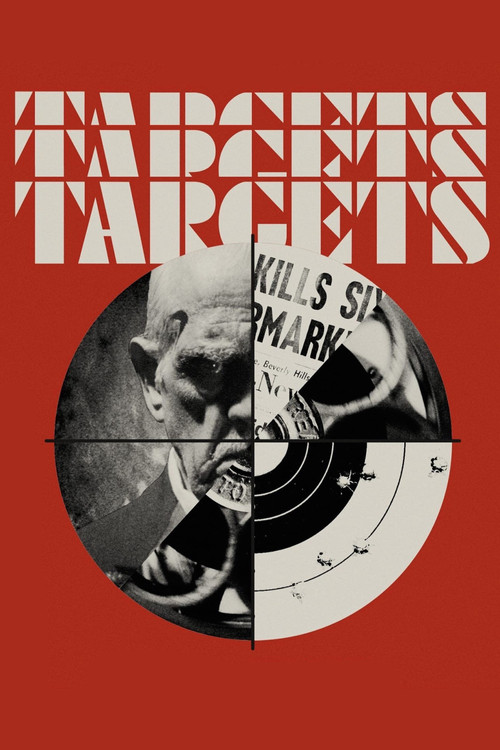
9. Targets
Peter Bogdanovich’s directorial debut, *Targets*, is a remarkably assured and prescient thriller, intertwining two seemingly disparate narratives: an aging horror star contemplating retirement and a clean-cut Vietnam veteran embarking on a killing spree. It’s a chilling meditation on the changing landscape of fear and violence in America, where classic monsters are eclipsed by the terrifying banality of real-world evil. Karloff's swansong is poignant.