


1. Possession
Andrzej Żuławski’s 1981 *Possession* is a visceral, unrelenting exploration of marital dissolution, set against the backdrop of Cold War Berlin. Isabelle Adjani’s performance, a tour-de-force of raw, almost animalistic emotion, anchors this descent into psychological and body horror. It is an auteurist statement on alienation and the monstrous potential within human relationships, eschewing easy categorization to confront the viewer with its profound, unsettling vision. This is cinema as an emotional assault, demanding engagement.
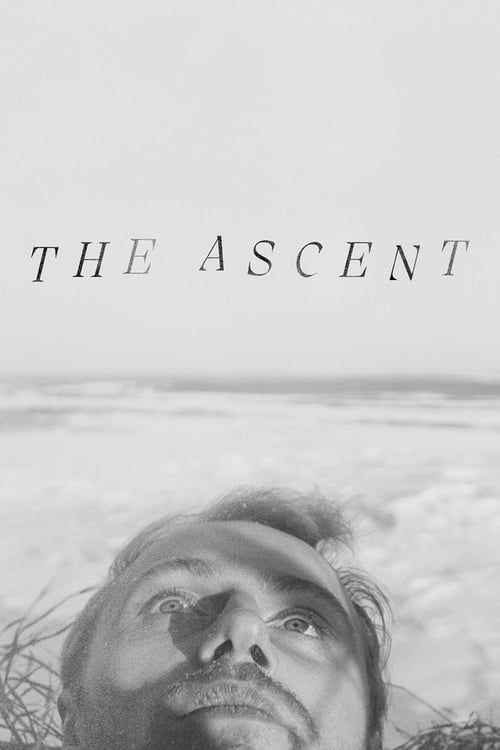
2. The Ascent
Larisa Shepitko’s final film, *The Ascent* (1977), stands as a stark, profoundly spiritual examination of human resilience amidst the brutal realities of World War II. Shot in haunting black-and-white, it follows two Soviet partisans captured by the Nazis, forcing them into a harrowing moral crucible. Shepitko masterfully crafts an allegory of sacrifice and betrayal, elevating the grim struggle for survival into a meditation on faith and the endurance of the human spirit, a true testament to her singular vision.
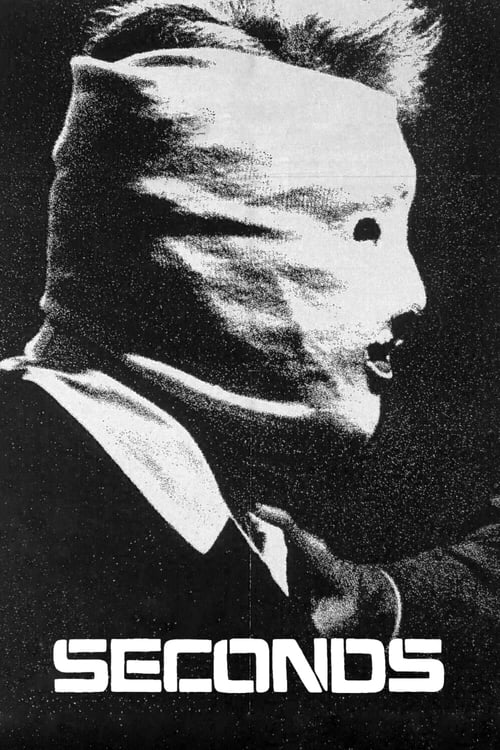
3. Seconds
John Frankenheimer's *Seconds* (1966) presents a chilling, prescient vision of identity and dissatisfaction in corporate America. Rock Hudson, cast against type, portrays a man who undergoes a radical surgical transformation to escape his mundane life, only to find himself trapped in a new, equally alienating existence. The film’s disorienting cinematography and unsettling themes of existential dread and the commodification of self reveal a master director grappling with profound anxieties about modern society and the illusions of personal reinvention.

4. Wake in Fright
Ted Kotcheff’s *Wake in Fright* (1971) remains one of Australian cinema’s most potent, disturbing works. A British schoolteacher, stranded in a remote outback town, succumbs to its relentless, boorish culture of drinking and violence. The film meticulously charts his horrifying descent into primal madness, an unvarnished reflection on toxic masculinity and the dark underbelly of a national psyche. It’s a relentless, sun-baked nightmare that refuses to flinch, leaving an indelible mark on its audience.
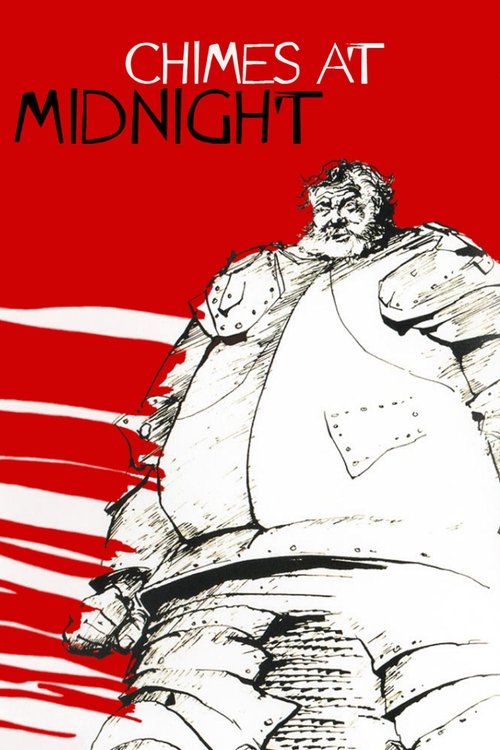
5. Chimes at Midnight
Orson Welles’ *Chimes at Midnight* (1965) stands as his deeply personal tribute to Shakespeare’s Falstaff, a character he famously embodied. Weaving together passages from five Shakespearean plays, Welles crafts a poignant elegy for a bygone era and a beloved, flawed mentor figure. The film's grand, often muddy battle sequences contrast sharply with its intimate, melancholic portrayals of friendship and betrayal, encapsulating Welles' enduring fascination with power, loyalty, and the tragic grandeur of human ambition.

6. Memories of Murder
Bong Joon-ho’s *Memories of Murder* (2003) transcends the typical serial killer procedural, offering a masterful blend of dark comedy, social commentary, and suffocating tension. Based on South Korea’s first documented serial murders, the film explores the systemic incompetence and patriarchal attitudes that hampered the investigation. Bong’s assured direction crafts an atmospheric, psychologically rich narrative that is as much about a nation struggling with its own emerging modernity as it is about the hunt for a killer.

7. Le Samouraï
Jean-Pierre Melville’s *Le Samouraï* (1967) is the epitome of cool, an exquisite exercise in minimalist style and existential ennui. Alain Delon’s stoic, impeccably dressed hitman, Jef Costello, navigates a meticulously constructed world of ritual and betrayal. Melville strips the crime genre to its bare essentials, crafting a film that is less about plot mechanics and more about character, atmosphere, and the fatalistic code of a solitary professional. It’s an influential benchmark in neo-noir cinema.
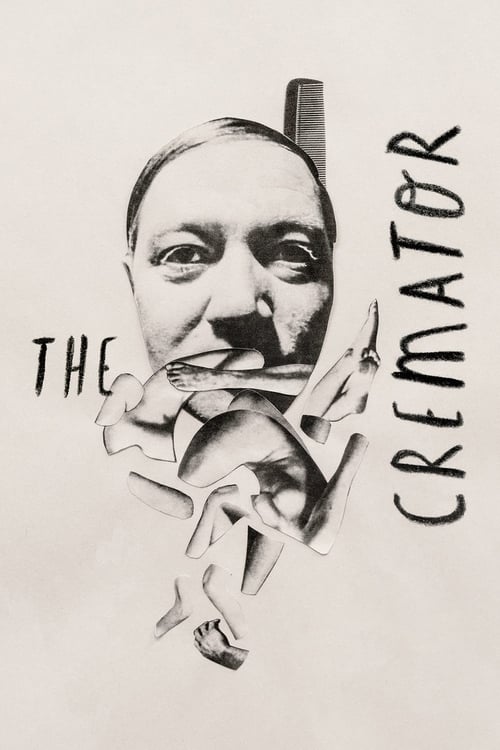
8. The Cremator
Juraj Herz’s *The Cremator* (1969), a chilling masterpiece of the Czech New Wave, follows a seemingly benign crematorium worker whose obsession with death and cremation gradually warps into a terrifying embrace of totalitarian ideology. Shot with macabre humor and surreal imagery, Herz uses the protagonist’s descent into madness as a disturbing allegory for the seductive power of fascism. The film’s unsettling atmosphere and psychological depth make it a profoundly disturbing, yet essential, cinematic experience.