1 / 6
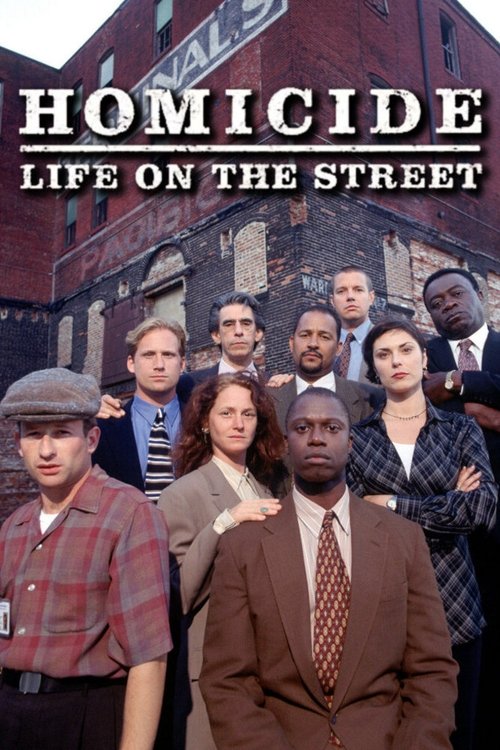
1. Homicide: Life on the Street
Before everyone started praising HBO, there was *Homicide*. This show redefined network procedurals with its gritty, documentary-style cinematography and overlapping dialogue. It was raw, character-driven, and unflinching, making you feel every beat of those Baltimore detectives' lives. Barry Levinson and Tom Fontana weren't just making a cop show; they were building an ensemble drama that felt more like cinema, hinting at the serialized storytelling that would soon dominate the landscape. A true pioneer.
2 / 6
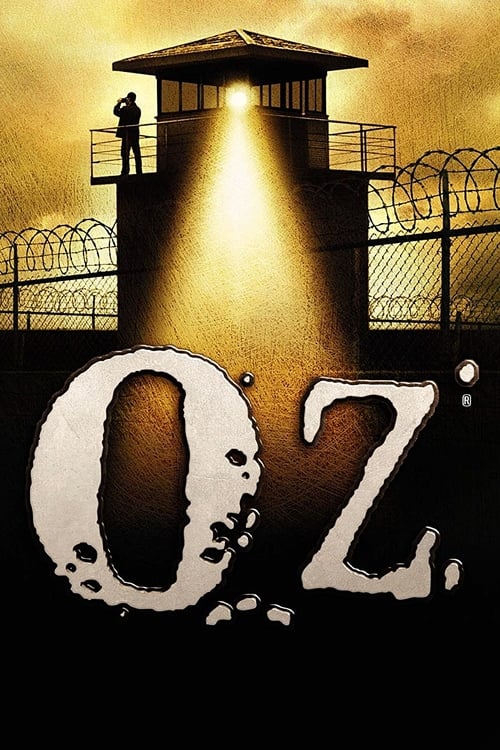
2. Oz
HBO truly came into its own with *Oz*. This wasn't just a prison drama; it was an audacious, uncompromising dive into a closed ecosystem, pushing boundaries network TV wouldn't dare touch. The serialized nature, the sprawling ensemble, the sheer brutality – it was a shock to the system. Tom Fontana delivered a show that was relentlessly dark and intellectually provocative, establishing HBO as the place for daring, adult storytelling that demanded your full, uncomfortable attention.
3 / 6
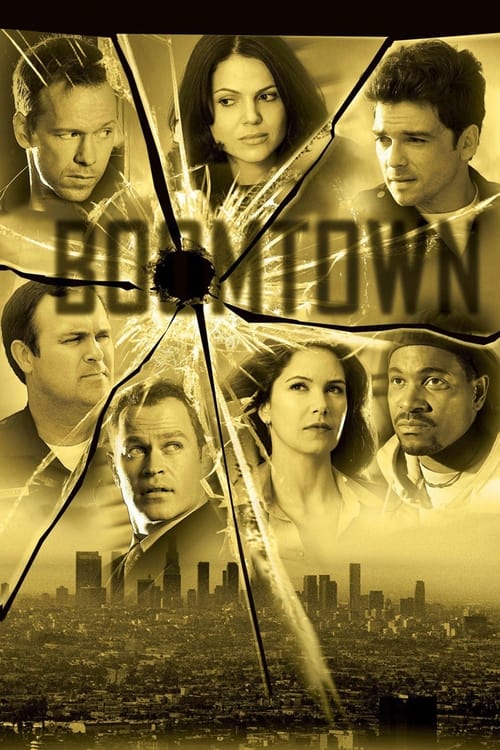
3. Boomtown
Graham Yost's *Boomtown* was a masterclass in narrative structure, depicting a single crime from multiple perspectives. It was a procedural, sure, but it played with time and viewpoint in a way that felt incredibly fresh and cinematic for network television. The ensemble cast was phenomenal, each character's story weaving into a larger, complex tapestry. It was smart, ambitious, and just a little too ahead of its time, a blueprint for sophisticated storytelling many would follow.
4 / 6
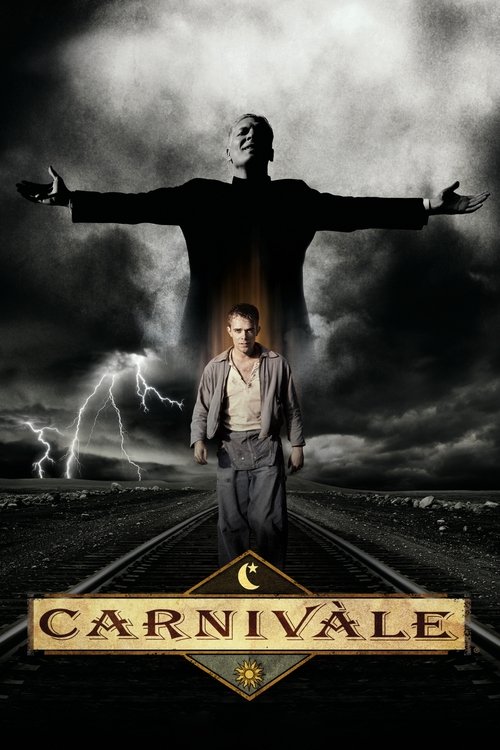
4. Carnivàle
Nobody was making television like *Carnivàle* in 2003. This HBO epic was dense, atmospheric, and utterly unique, demanding viewers invest deeply in its Depression-era Dust Bowl mythology. Its deliberate pacing and rich, almost cinematic visuals felt like a grand novel unfolding, setting a new bar for serialized storytelling and world-building on the small screen. It proved that audiences, given the chance, would embrace complex, challenging narratives far beyond typical cable fare.
5 / 6
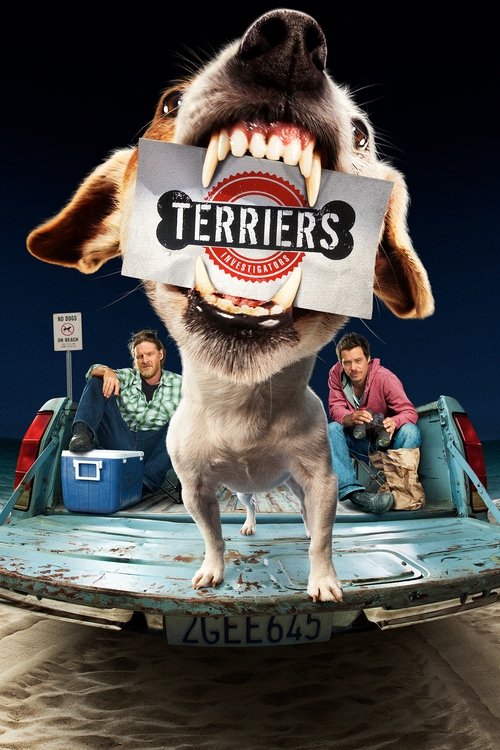
5. Terriers
FX consistently punched above its weight, and *Terriers* is a prime example. This private eye series was a brilliant, character-driven gem that blended sun-baked noir with genuine heart. Donal Logue and Michael Raymond-James had incredible chemistry, portraying flawed, relatable anti-heroes navigating their messy lives. It was tragically overlooked, a perfect example of cable-era risk-taking yielding a deeply human, serialized drama that never got its due. Still stings.
6 / 6
6. Rubicon
AMC was on a roll, and *Rubicon* showed their commitment to sophisticated, slow-burn storytelling. This was a conspiracy thriller built on quiet paranoia and intellectual puzzles, not explosions. It demanded patience, rewarding viewers who appreciated meticulous plotting and nuanced performances. It felt like a novel playing out over weeks, a precursor to the kind of complex, serialized dramas that would find a home on streaming, even if it ended too soon.