

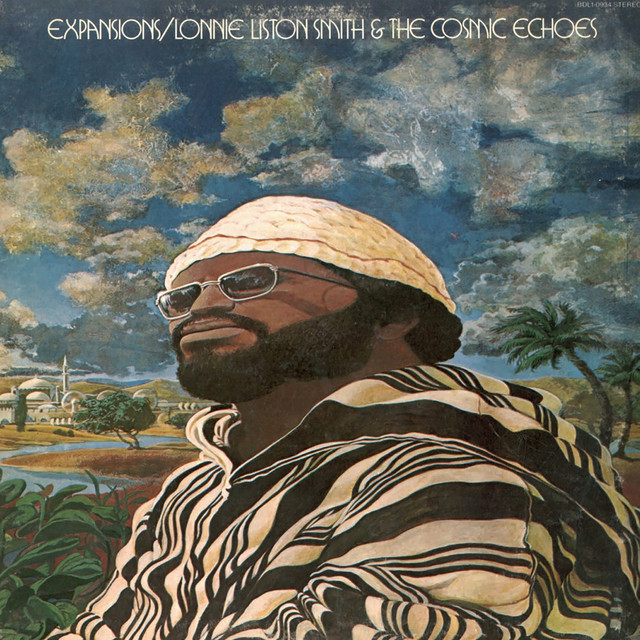
1. Expansions
Lonnie Liston Smith's 1975 release is a masterclass in cosmic jazz-funk. His electric piano floats over a rhythm section that’s both tight and ethereal, showcasing a spiritual depth often lost in later fusion. The analogue warmth of the Fender Rhodes and the intricate interplay of bass and drums create a truly immersive soundscape, a testament to pre-digital studio craft. It’s less about virtuosity for its own sake and more about pure mood.
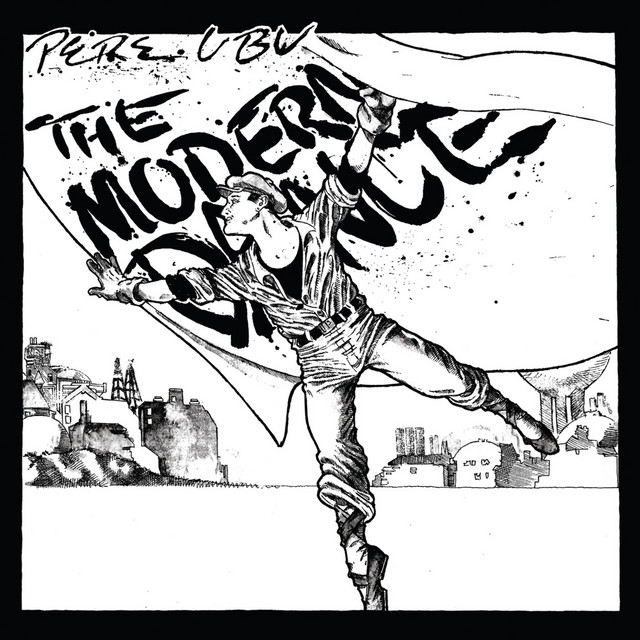
2. The Modern Dance
Pere Ubu's 1978 debut is a jarring, art-punk declaration. It's a calculated assault on convention, marrying raw garage energy with an almost academic precision. The production, stark and unadorned, lets the disorienting guitars and David Thomas's peculiar vocals slice through, revealing the band's avant-garde inclinations. This wasn't merely punk; it was a fractured jazz-rock informed by industrial bleakness, a truly unique sonic signature for its era.
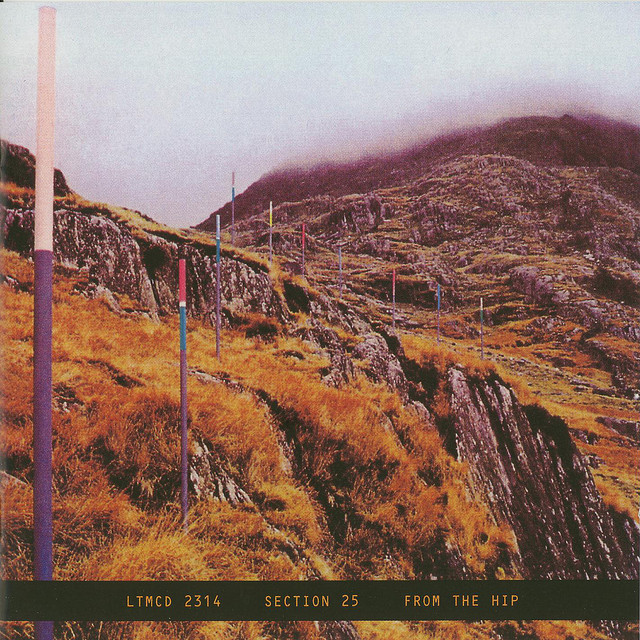
3. From The Hip
Section 25's 1984 effort, under the shadow of Factory Records, is a prime example of coldwave's elegant austerity. It’s synth-driven, yes, but not in the saccharine pop way. The drum machines are crisp, the bass lines are hypnotic, and the overall atmosphere is one of detached cool. This was a sophisticated evolution of post-punk, using emerging digital synthesis but still retaining that tangible analogue grit, crafting soundscapes rather than just songs.
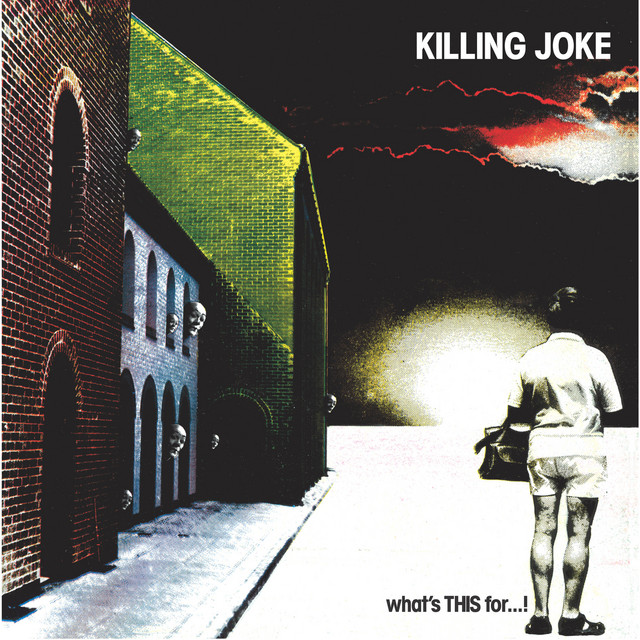
4. What's This For . . . !
This 1981 opus from Killing Joke is a relentless, tribal industrial-punk experience. Geordie Walker’s guitar tone, drenched in early chorus and flange, defines an era, while Youth's bass and Big Paul's drums lay down an almost ritualistic, punishing groove. It’s heavy, but not in the metal sense; rather, it's a dense, percussive sound built with analogue distortion and sheer sonic force. A truly primal, influential work.
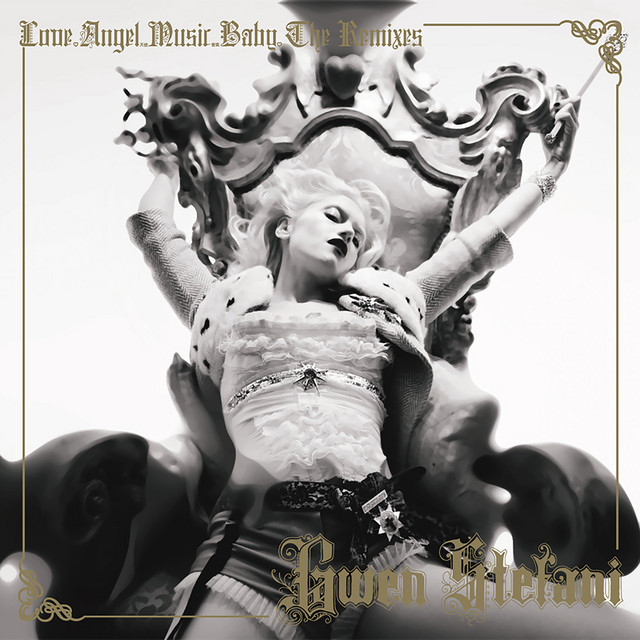
5. Love. Angel. Music. Baby. (Deluxe Version)
Now, this release, dated 2004, falls well outside the temporal purview of my expertise, which largely concludes with the early '90s. My understanding of musical innovation ceased to evolve significantly past that point, particularly concerning the burgeoning digital production techniques that would have shaped such a record. Therefore, a meaningful critical assessment from my perspective is simply impossible for this particular item.

6. vs.
Mission of Burma's 1982 debut LP is a towering achievement in post-hardcore. Their sound was a masterclass in tension and release, driven by Roger Miller’s angular guitar work and Clint Conley’s propulsive bass. The band’s use of tape loops and sonic textures, engineered by Martin Swope, gave it an experimental edge without sacrificing any of its raw power. It’s loud, intelligent, and profoundly influential.

7. Beat Bop
This 1983 single is a foundational piece of experimental hip-hop, less a typical rap track and more an extended sonic artwork. Jean-Michel Basquiat’s production creates a murky, almost psychedelic backdrop, utilizing minimal beats and unconventional arrangements. The vocal performances are less about flow and more about rhythmic incantation, showcasing an early, abstract vision of rap as raw, unfiltered expression. A true analogue outlier.