
1 / 9
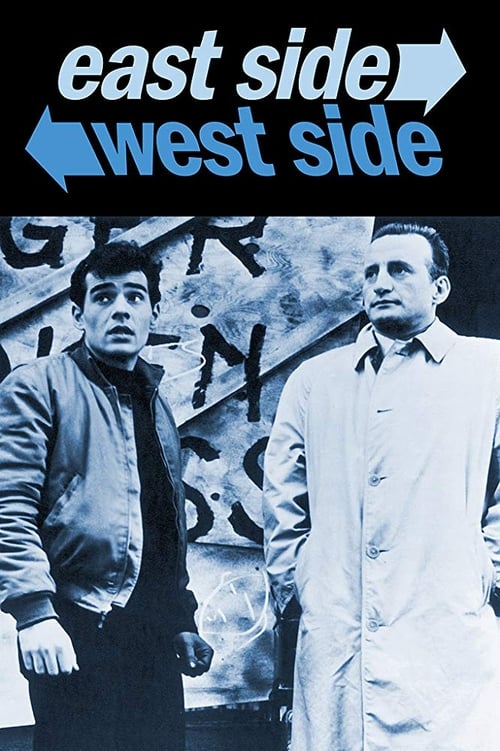
1. East Side/West Side
Now, this was something else. George C. Scott playing a social worker in New York, and it didn't pull any punches. Black and white, naturally, which only amplified the stark reality of the city's problems. They tackled poverty, prejudice, mental illness – heavy stuff for prime-time back then. It felt real, like a window into lives you didn't usually see on the tube. And it didn't offer easy answers, just honest portrayals, which was a daring move for a network in '63. A truly groundbreaking dramatic series.
2 / 9
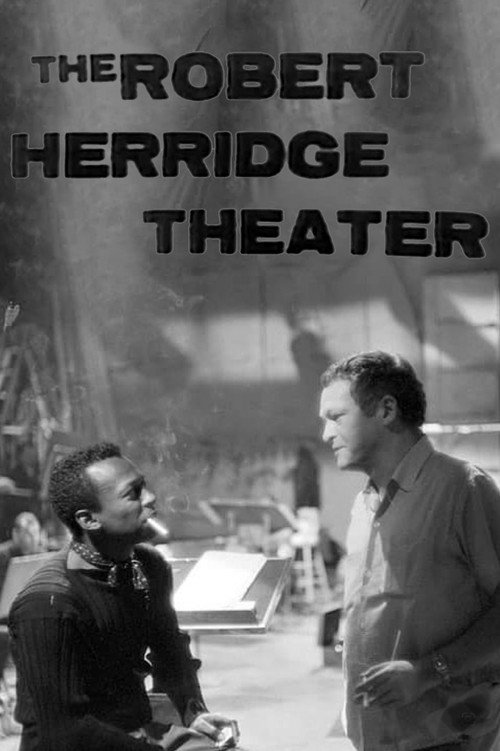
2. The Robert Herridge Theater
Ah, Herridge. This was television for thinking people, you see. An anthology series that brought serious dramatic works to the living room, often adapting literary pieces. It had that raw, immediate feel of early live-to-tape productions, sometimes a bit rough around the edges, but always intellectually stimulating. It wasn't about big stars or flashy sets; it was about the writing, the performance, the ideas. A real testament to what early broadcast could achieve when it aimed high.
3 / 9
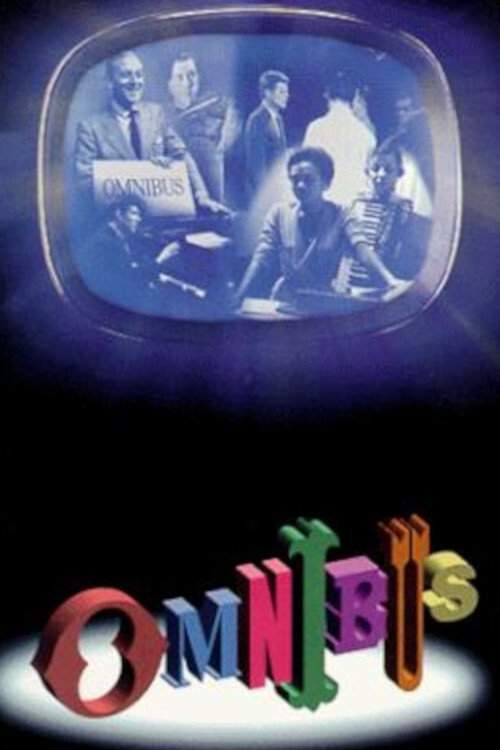
3. Omnibus
And then there was "Omnibus," hosted by Alistair Cooke. What a program! It wasn't just entertainment; it was an education. They covered everything from history to science to the arts, bringing high culture to the masses. For an hour, or sometimes even ninety minutes, you were treated to thoughtful documentaries, dramatic performances, and discussions. It pioneered the idea that television could be a serious medium for learning, not just for laughs or melodrama. Truly ahead of its time.
4 / 9
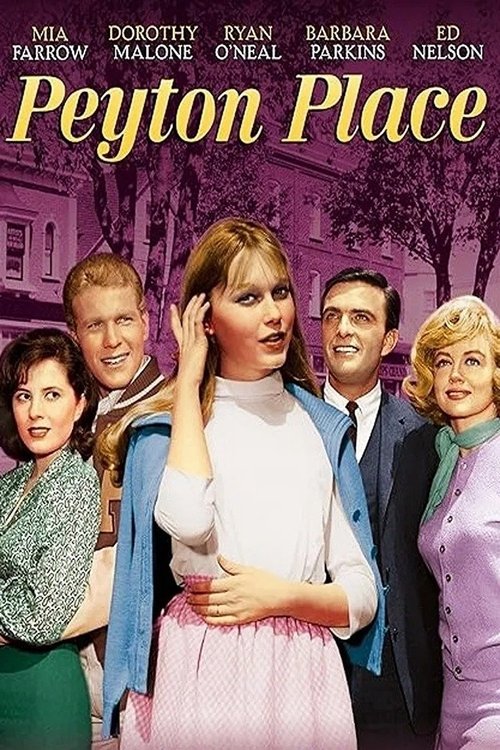
4. Peyton Place
"Peyton Place," well, that was a sensation. The first prime-time soap opera, airing twice, sometimes thrice, a week! It showed America that you could tell a story over months, not just one episode. All those small-town secrets, illicit affairs, the dramatic reveals – it kept everyone talking. The black-and-white melodrama felt so intense, and folks were absolutely hooked on finding out what happened next. It laid the groundwork for all the serialized dramas that followed.
5 / 9
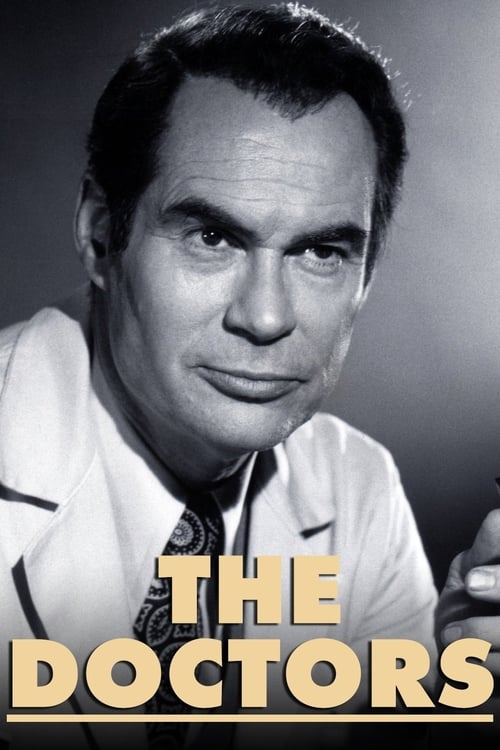
5. The Doctors
Daytime television, specifically "The Doctors," was a world unto itself. For twenty-six years, this soap opera brought daily medical emergencies and personal crises right into homes. You’d follow these characters, the doctors and nurses at Hope Memorial, through endless romantic entanglements and ethical dilemmas. The long-form continuity meant you really invested in their lives, tuning in every afternoon. It was pure escapism, a daily dose of dramatic medicine for the viewers.
6 / 9
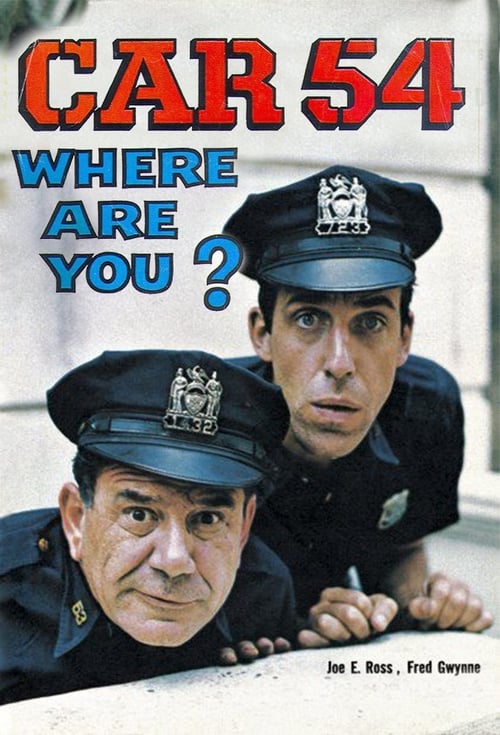
6. Car 54, Where Are You?
Now this was a classic sitcom. Fred Gwynne and Joe E. Ross as two bumbling Bronx cops, that was the premise. It had that wonderful, broad physical comedy and rapid-fire dialogue typical of early '60s television. The humor was gentle, often absurd, and it never took itself too seriously. You didn't need complex plots; you just enjoyed the antics of Toody and Muldoon. A simple, charming, black-and-white half-hour of pure fun.
7 / 9
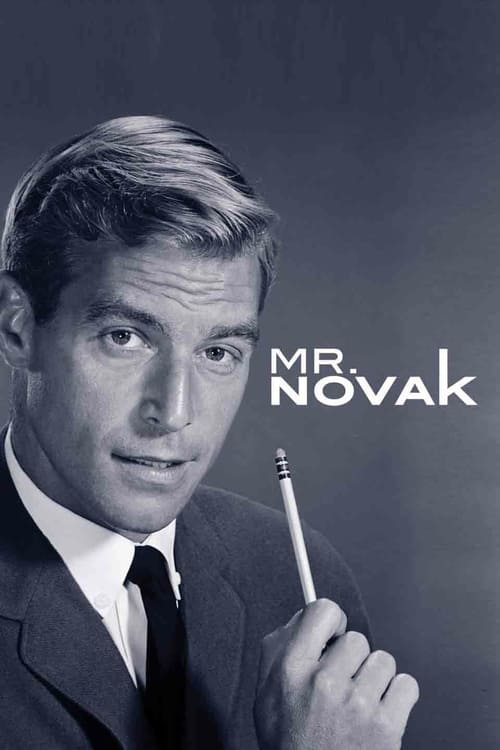
7. Mr. Novak
"Mr. Novak" took us into the world of high school, but it wasn’t fluff. James Franciscus played an English teacher who regularly dealt with serious issues facing teenagers: cheating, delinquency, prejudice. Each week was almost an anthology in itself, focusing on a different student or problem. It tried to be thoughtful, to spark discussion, which was quite ambitious for a weekly drama back then. It showed television could tackle relevant social concerns for a younger audience.
8 / 9
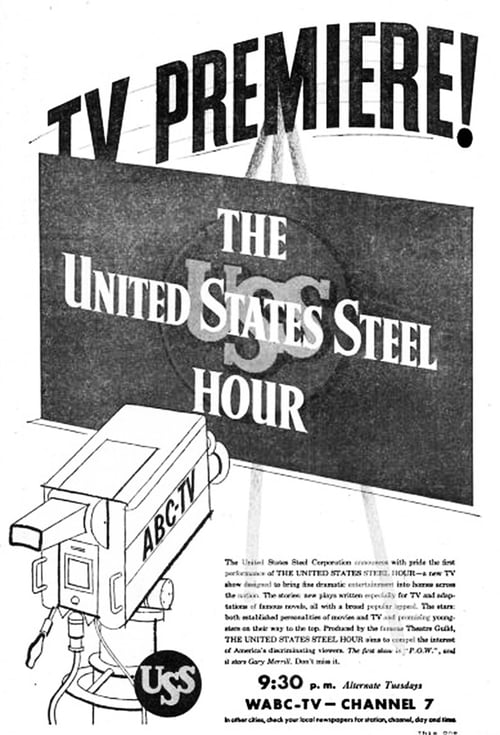
8. The United States Steel Hour
"The United States Steel Hour" was live, original drama every single week. Imagine that today! These were often full-length plays, a truly ambitious undertaking. It brought top theatrical talent – actors, writers, directors – directly into homes. The immediacy of live television gave it a special electricity, a sense of anything-could-happen. It was prestigious, event programming, showing the power and potential of the small screen for serious storytelling.
9 / 9

9. The Phil Silvers Show
Sgt. Bilko! What a character, and what a show. Phil Silvers was a genius, a master of the fast-talking con man. This was a classic military sitcom, but it was really a vehicle for Silvers' incredible comedic timing and physical humor. The ensemble cast was fantastic, always falling for Bilko's schemes. It set a high bar for character-driven comedy and rapid-fire gags, influencing countless sitcoms that followed for decades.