
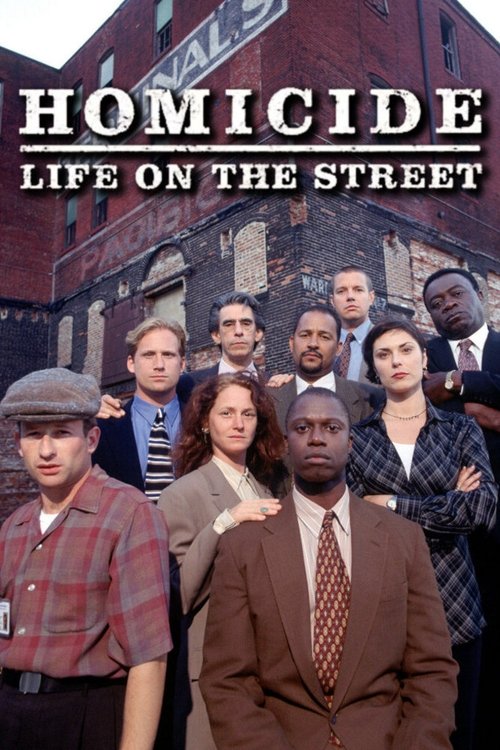
1. Homicide: Life on the Street
This show ripped the procedural rulebook apart. Gritty, character-driven, with overlapping dialogue and a distinct documentary feel long before it was cool. Baltimore felt real, lived-in, and the detectives felt like actual people, not just plot devices. It proved network TV could do serious, unvarnished drama, pushing boundaries and setting a high bar for serialized realism without relying on cable's explicit freedoms. A true game-changer.
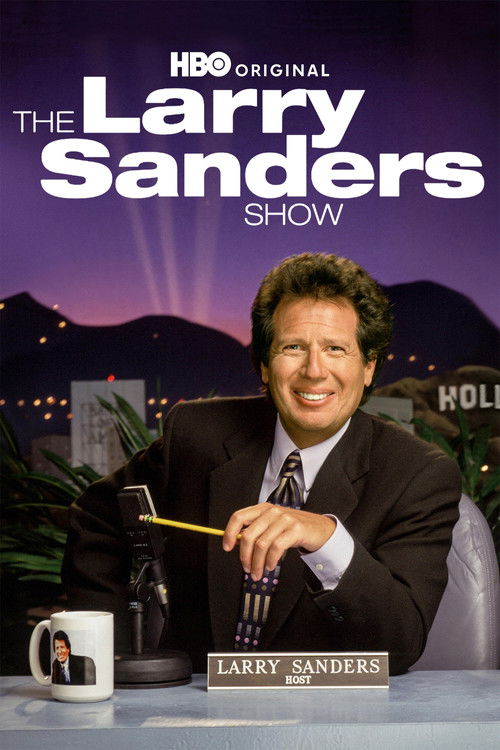
2. The Larry Sanders Show
Before *The Office*, there was Larry. This show perfected cringe comedy and the behind-the-scenes mockumentary style, exposing the fragile egos and cutthroat nature of late-night television. It was smart, uncomfortable, and brutally honest about fame's demands. It proved a comedy could be as insightful and layered as any prestige drama, pioneering a whole new comedic approach that felt incredibly fresh and authentic. Way ahead of its time.
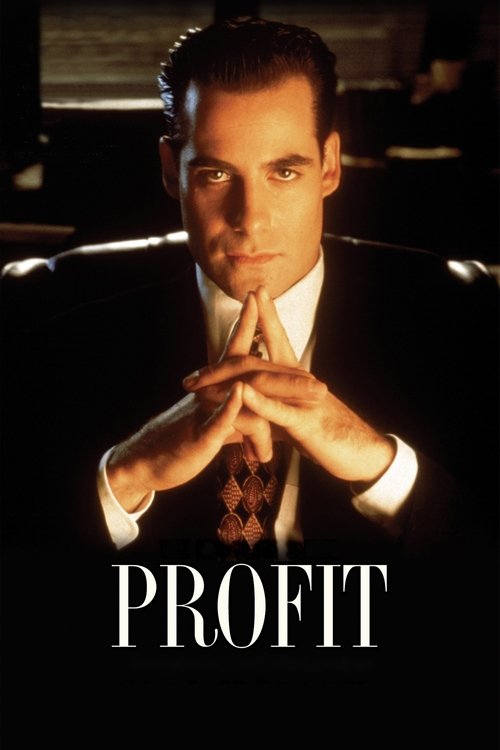
3. Profit
This one was a shot across the bow. Fox, in '96, gave us Jim Profit, a corporate psychopath who would do anything for power. It was unrelentingly dark, cynical, and dared to make its villain the protagonist. Too much for network TV then, perhaps, but it laid crucial groundwork for the complex anti-heroes and morally ambiguous leads that would soon define cable's golden age. Brave, if short-lived.
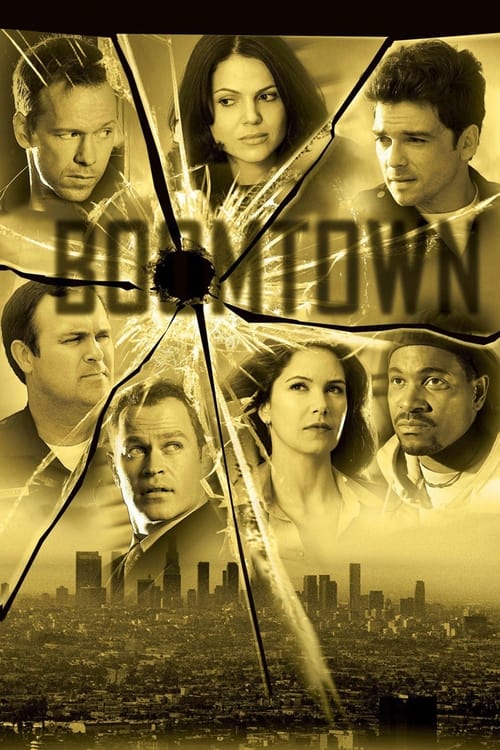
4. Boomtown
A truly ambitious procedural that twisted narrative perspective. Each episode revisited a single crime from multiple viewpoints – the cop, the victim, the perp, the DA. It was intricate, cinematic, and trusted its audience to keep up with complex, serialized storytelling. This smart ensemble piece elevated the crime drama beyond simple good-vs-evil, showing how much depth could be found in a familiar genre.
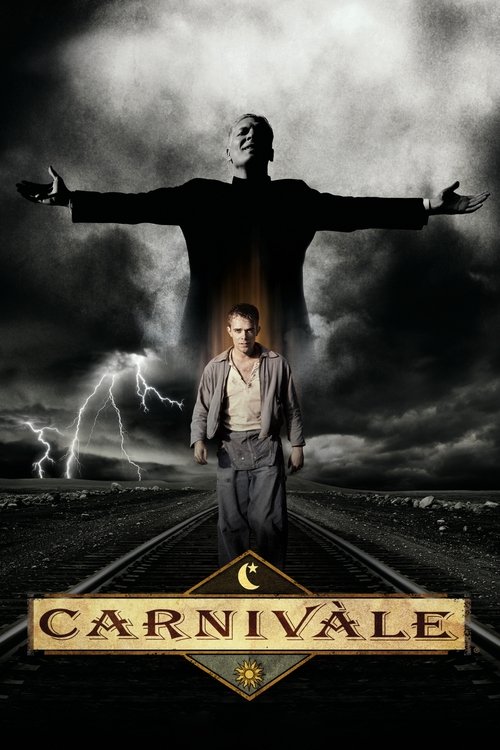
5. Carnivàle
HBO went all in on this. A surreal, Depression-era epic steeped in mysticism and a cosmic battle between good and evil. Its sheer ambition, visual artistry, and deeply serialized mystery were unlike anything else on television. It might have been too dense for some, but it definitively showed how cable could finance and support truly cinematic, high-concept storytelling that network wouldn't dare touch.
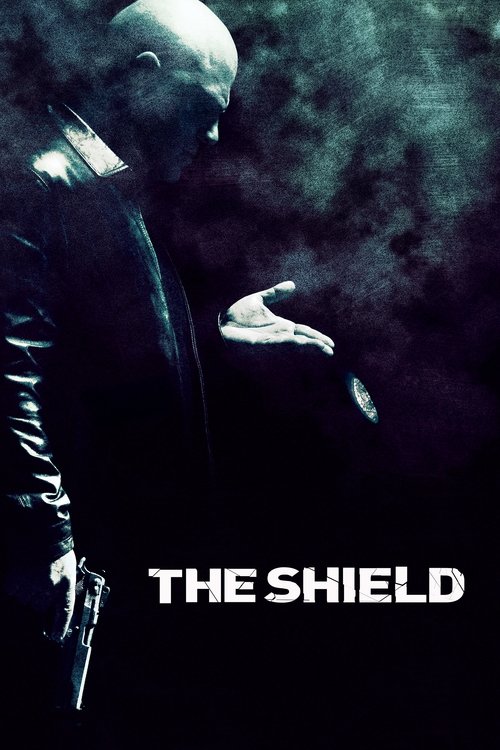
6. The Shield
FX dropped a bomb with Vic Mackey. This wasn't just a cop show; it was an ethical minefield. The anti-hero was practically forged here, pushing boundaries of what a protagonist could be. Raw, visceral, and morally compromising, it proved cable could deliver intense, serialized drama that forced viewers to confront uncomfortable truths, establishing FX as a serious player. Unflinching, groundbreaking TV.
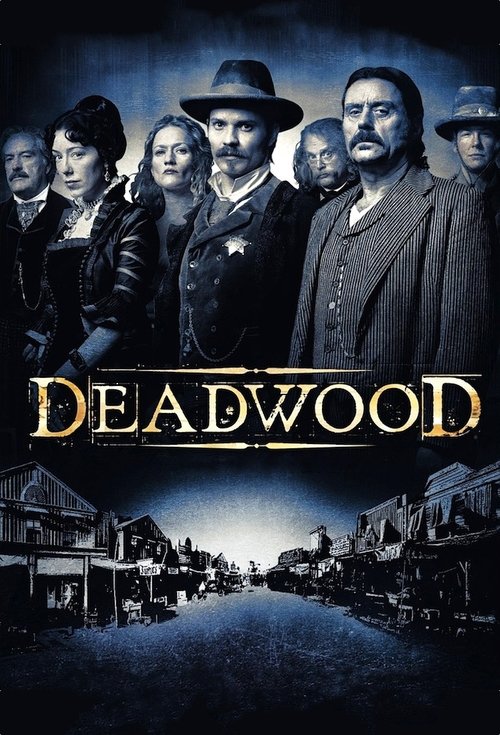
7. Deadwood
David Milch's profane, poetic Western. HBO again, pushing the envelope with language and historical grit. It wasn't just a period piece; it was a deep dive into the messy, violent birth of civilization, driven by incredible dialogue and complex characters. Its serialized nature and literary quality redefined what historical drama could achieve, establishing a new bar for period storytelling on the small screen.
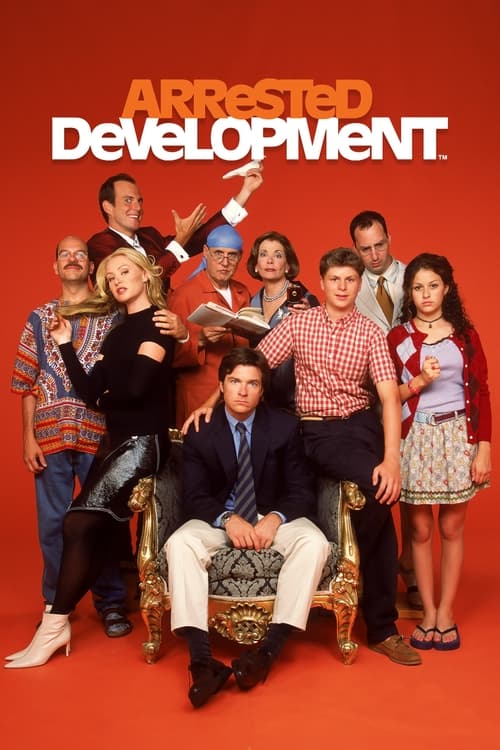
8. Arrested Development
This comedy was a masterclass in layered jokes and running gags, rewarding repeat viewings before that was even a common thing. Its mockumentary style and brilliant ensemble created a unique, fast-paced, and self-referential world. It was smart, quirky, and showed how much comedic mileage you could get from deeply dysfunctional characters, proving comedy could be just as intellectually rich as drama. Pure genius.
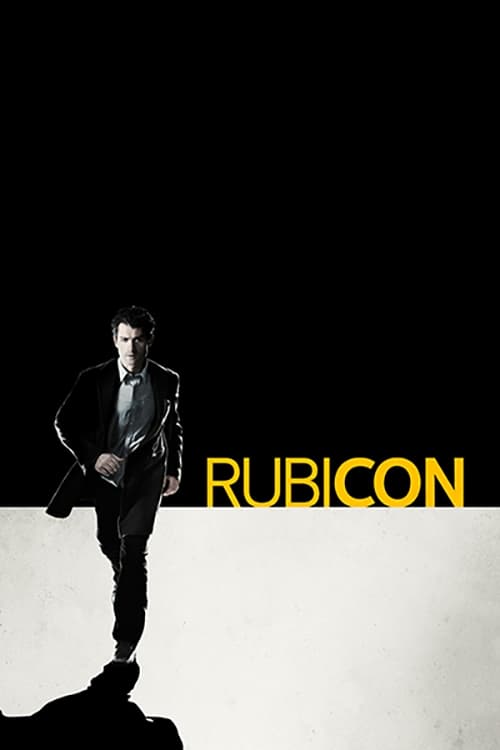
9. Rubicon
AMC, after *Mad Men* and *Breaking Bad*, tried something quieter, moodier. A conspiracy thriller that built tension slowly, with meticulous detail and an almost paranoid atmosphere. It demanded patience, focusing on intellectual puzzles over explosions. While it didn't last, it represented the network's commitment to sophisticated, serialized drama that didn't spoon-feed its audience, further cementing cable's prestige.
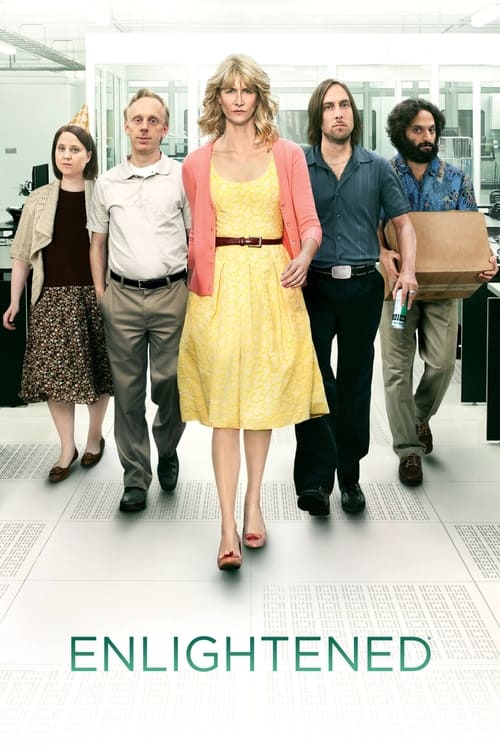
10. Enlightened
Laura Dern's vehicle was a subtle, often uncomfortable exploration of self-help culture and corporate malaise. It was a character study, a dark comedy, and a meditation on personal transformation, all wrapped in a visually distinctive package. HBO continued to back challenging, intimate stories that prioritized character and theme over broad appeal, showcasing the evolving landscape of intelligent, serialized television. A true gem.