
1 / 8
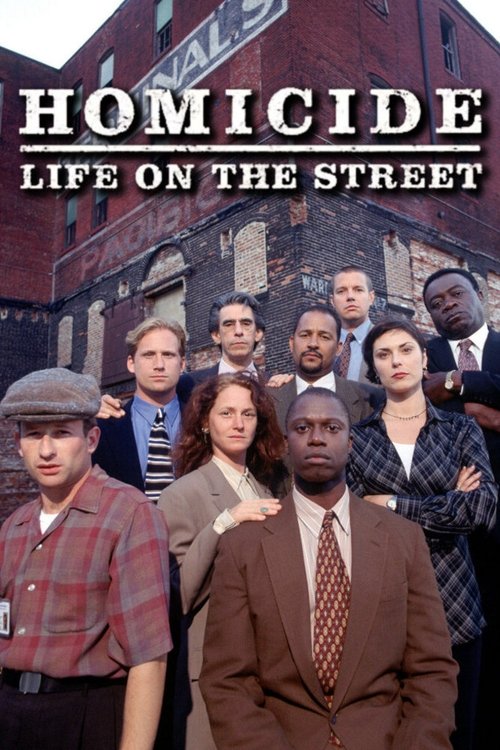
1. Homicide: Life on the Street
This wasn't your daddy's cop show. Barry Levinson and Tom Fontana gave us Baltimore in all its messy, handheld, low-light glory. Forget neat resolutions; *Homicide* was about the grind, the psychological toll, and a truly lived-in ensemble. It showed network TV could do gritty, serialized character work long before cable got all the credit. It felt real, often uncomfortably so, and laid groundwork for what was coming.
2 / 8
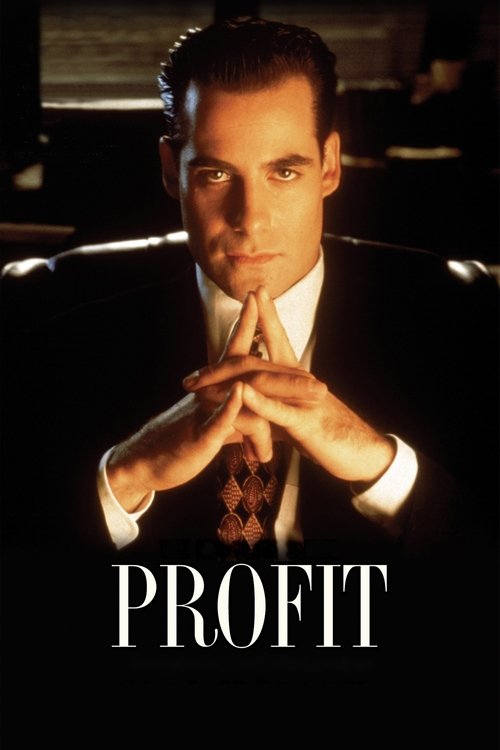
2. Profit
Before anti-heroes were a trope, there was Jim Profit. This Fox series was shockingly dark, following a corporate climber who was pure, unadulterated evil, breaking the fourth wall to tell us his plans. It was audacious, cynical, and probably too much for primetime in '96, which is exactly why it's brilliant. A true cult classic that dared to be different, showing early cable-esque risk on broadcast.
3 / 8
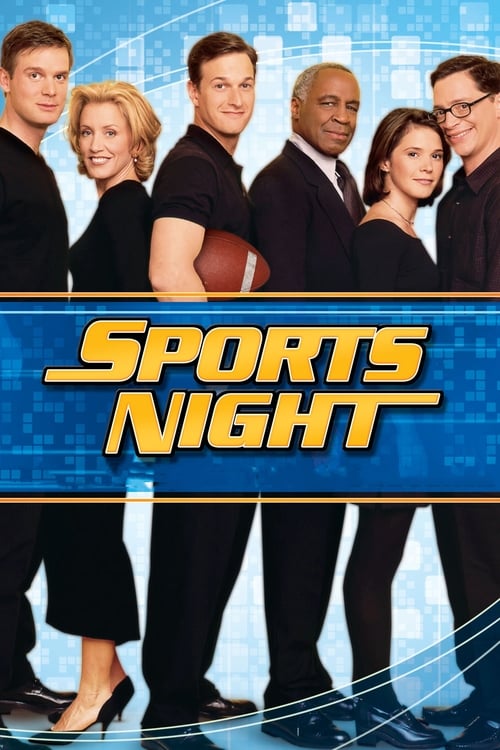
3. Sports Night
Aaron Sorkin's first TV show, and you can hear the rhythm already. It’s a workplace comedy-drama, but with sharp, overlapping dialogue and an emotional core that was genuinely affecting. It felt like a stage play sometimes, but its serialized character arcs and attempts at a mockumentary style were a fresh take on the sitcom format. It proved intelligent writing could be both funny and poignant.
4 / 8
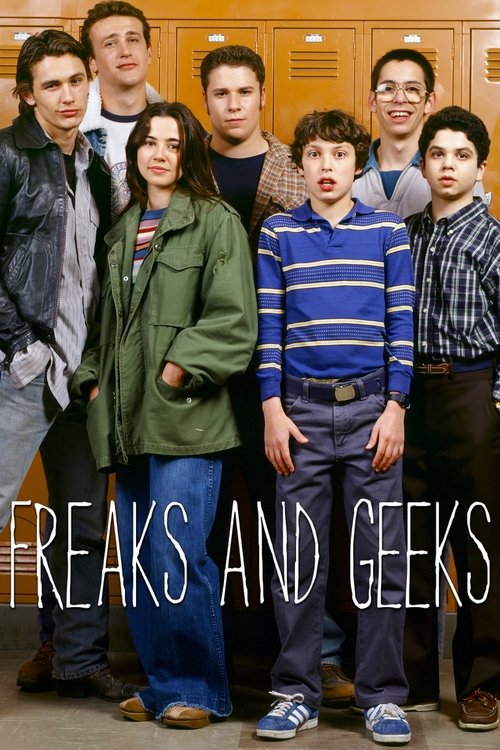
4. Freaks and Geeks
This show captured the awkward, brutal honesty of high school like nothing before or since. It was painfully real, avoiding easy stereotypes for nuanced characters just trying to figure things out. No laugh track, just cinematic storytelling about kids adrift in 1980. Its single-season run is legendary, a perfect example of a serialized coming-of-age story that resonated deeply.
5 / 8

5. Six Feet Under
HBO was hitting its stride, and *Six Feet Under* was a huge part of it. Centered on a family running a funeral home, every episode began with a death, setting the stage for deep, serialized explorations of grief, relationships, and mortality. It was darkly funny, deeply melancholic, and featured some of the most complex, flawed characters ever on TV. Peak cable drama, right here.
6 / 8
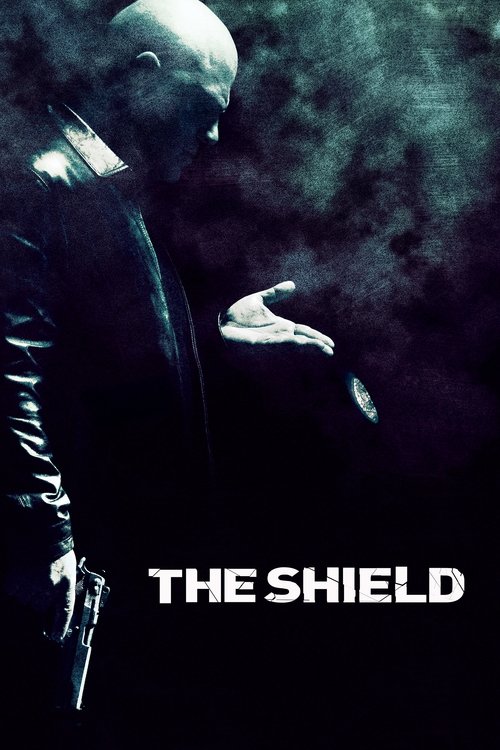
6. The Shield
FX went all in with *The Shield*, giving us Vic Mackey, an anti-hero who redefined the cop drama. This wasn't about good guys catching bad guys; it was about blurred lines, moral compromises, and the brutal cost of power. Gritty, serialized, and relentless, it pushed boundaries for what a police procedural could be, showing cable's willingness to go dark and challenging.
7 / 8
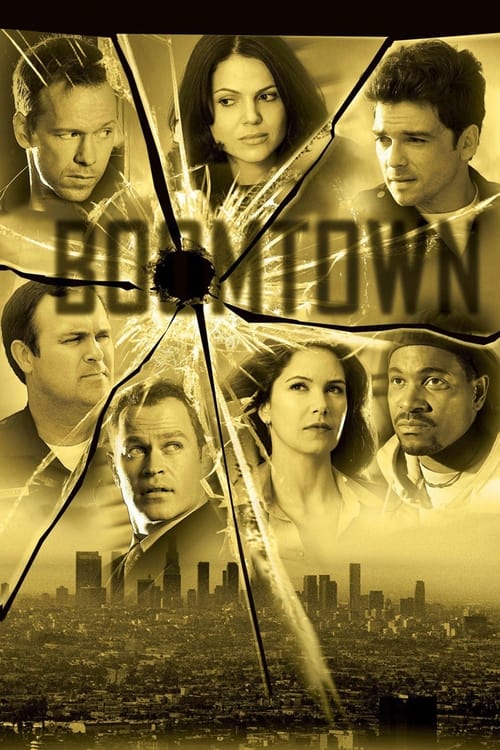
7. Boomtown
This show was a masterclass in narrative structure. Each episode told a crime story from multiple, rotating perspectives – the cop, the victim, the criminal – often revealing new layers or contradictions. It was ambitious, intelligent, and demanded attention, pioneering a cinematic, serialized approach to procedural storytelling that felt remarkably fresh and modern for its time. A true overlooked gem.
8 / 8
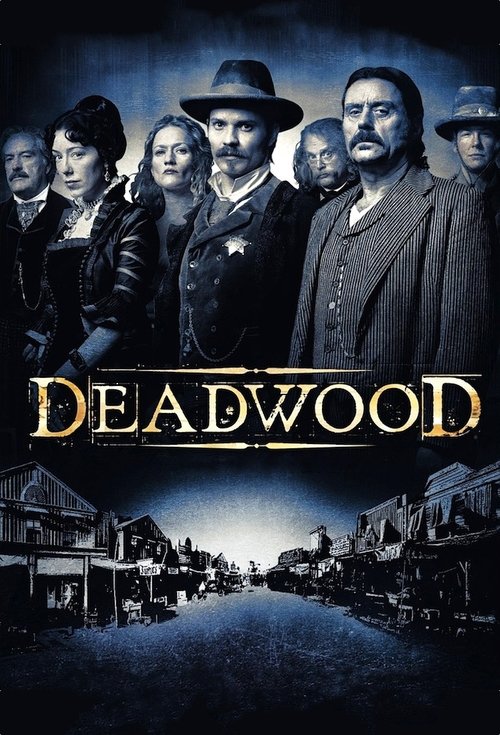
8. Deadwood
David Milch’s *Deadwood* wasn't just a western; it was a Shakespearean epic in the mud. The dialogue was dense, poetic, and profane, and the characters were unforgettable. It showed how a serialized drama could build a living, breathing world with incredible depth and historical texture. This was premium cable at its most ambitious, cinematic, and uncompromising. A triumph of character and atmosphere.