

1 / 10
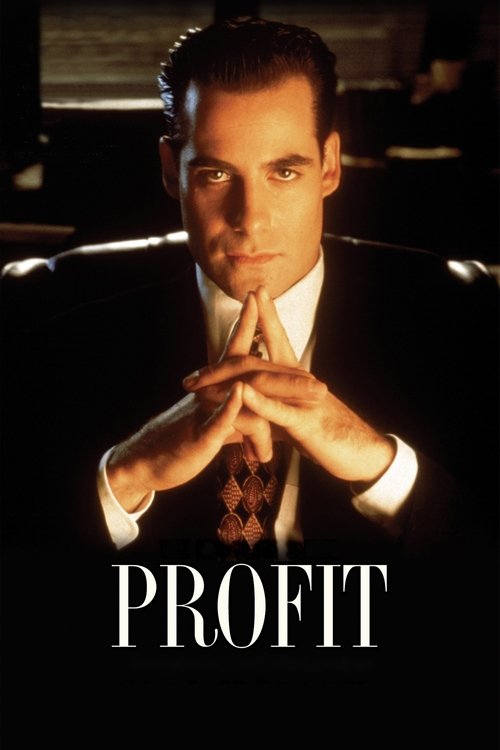
1. Profit
This show was dark. Corporate villainy personified, way ahead of its time. Jim Profit was a charismatic, psychopathic anti-hero pulling strings, manipulating everyone, including the audience, right from his first direct-to-camera smirk. Fox greenlit it, then promptly got cold feet, killing it after four episodes. It was a brutal, cynical look at capitalism, so sharp it probably scared the network more than it scared viewers. A true trailblazer in the 'bad guy protagonist' game.
2 / 10
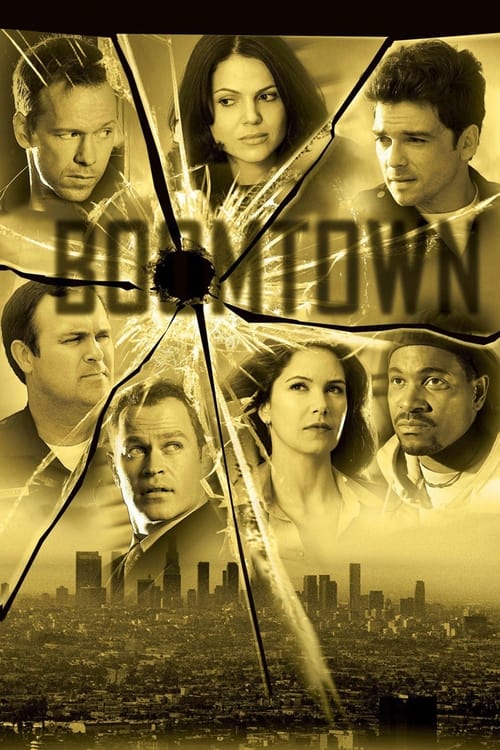
2. Boomtown
A masterclass in narrative structure, this one. Every episode retold a single crime from multiple perspectives – the cops, the DA, the victims, the perps. It wasn't just a gimmick; it deepened the characters and the case, showing how everyone's truth was just a piece of the puzzle. NBC tried to retool it in season two, but the magic was in that intricate, Rashomon-style storytelling. Smart, gritty, and criminally underrated.
3 / 10
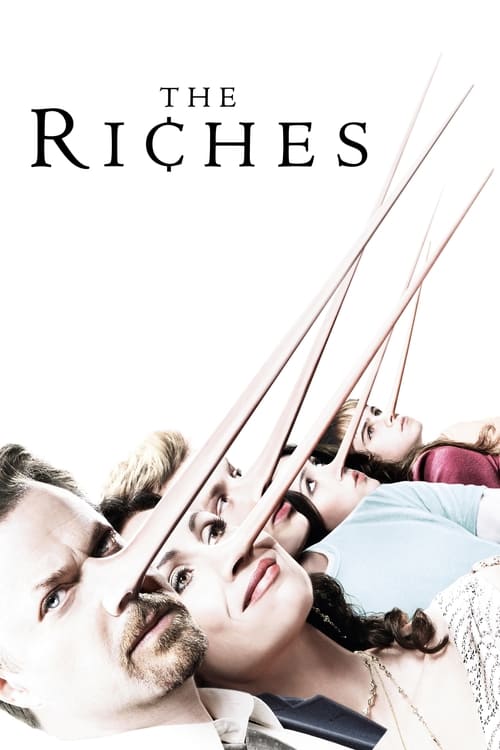
3. The Riches
Eddie Izzard and Minnie Driver as con artist travelers who assume the identity of a wealthy, dead suburban couple. It was a brilliant premise, blending dark comedy with genuine family drama. They were outsiders trying to fit into a world they fundamentally didn't understand, all while maintaining their elaborate lie. FX let it breathe, exploring identity, class, and the American dream with a unique, quirky edge. Peak cable experimentation.
4 / 10
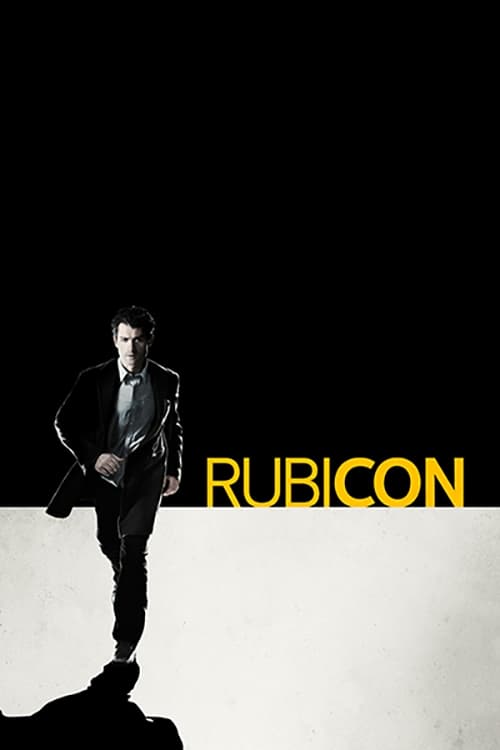
4. Rubicon
AMC, post-Mad Men and Breaking Bad, took a punt on this cerebral, slow-burn conspiracy thriller. It followed a quiet intelligence analyst unravelling a vast, shadowy plot within a private think tank. The pacing was deliberate, the atmosphere thick with paranoia and unease. It demanded patience, rewarding viewers with intricate details and a sense of encroaching dread. A show that respected its audience's intelligence, even if it was too quiet for some.
5 / 10

5. Terriers
A sun-drenched, melancholic gem about two unlicensed private investigators in San Diego. Donal Logue and Michael Raymond-James had incredible chemistry as two broken men trying to do good. It felt lived-in, real, with an underdog spirit and a deep sense of loyalty. FX cancelled it too soon, but it achieved cult status for its grounded characters, witty dialogue, and a bittersweet, lingering authenticity. A perfect, small-scale masterpiece.
6 / 10

6. Dead Like Me
Bryan Fuller's darkly comedic take on the afterlife. A cynical, recently deceased young woman becomes a Grim Reaper, collecting souls with a motley crew of fellow reapers. It was quirky, philosophical, and surprisingly poignant, exploring themes of life, death, and finding purpose in the bizarre. Showtime embraced its unique tone, blending existential dread with a sharp, offbeat sense of humor. A cult classic with a distinct voice.
7 / 10
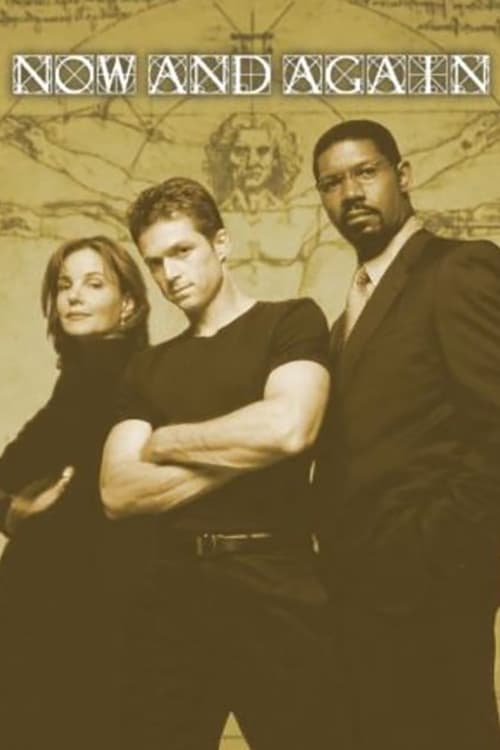
7. Now and Again
A man dies, his brain is put into a genetically engineered super-body, and he's forced to work for the government, unable to contact his family. This CBS sci-fi drama had a fantastic premise, balancing action with genuine emotional weight. It explored identity, loss, and the nature of humanity, all while navigating espionage and a love story across different forms. Ahead of its time for network TV, cancelled too soon.
8 / 10
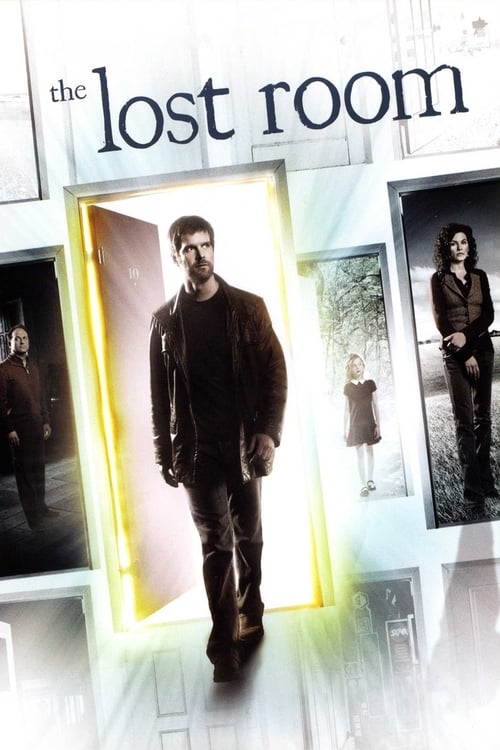
8. The Lost Room
This Sci-Fi Channel miniseries was a mind-bending, six-part enigma. A detective searches for his daughter, who vanished into a mysterious motel room, leaving behind an ordinary key that can open any door to that room. The objects within the room possessed strange, unique powers. It was a puzzle box of a show, creating a deep mythology and a compelling mystery that hooked viewers from the start. Intelligent, original, and deeply immersive.
9 / 10
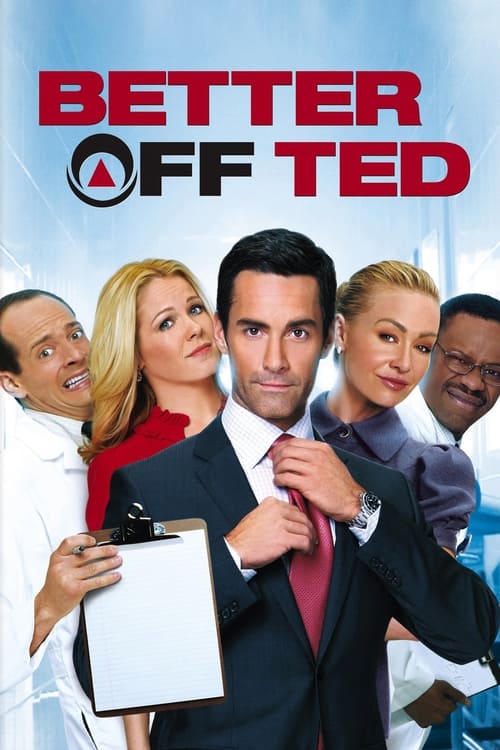
9. Better Off Ted
A workplace satire that perfectly skewered corporate ethics and scientific absurdity. Veridian Dynamics, a soulless mega-corporation, was the backdrop for brilliant deadpan humor and surprisingly smart social commentary. It had a sharp script, fantastic ensemble cast, and a unique mock-documentary style, often breaking the fourth wall. ABC couldn't figure out how to market its cleverness, but it remains a cult comedy classic.
10 / 10
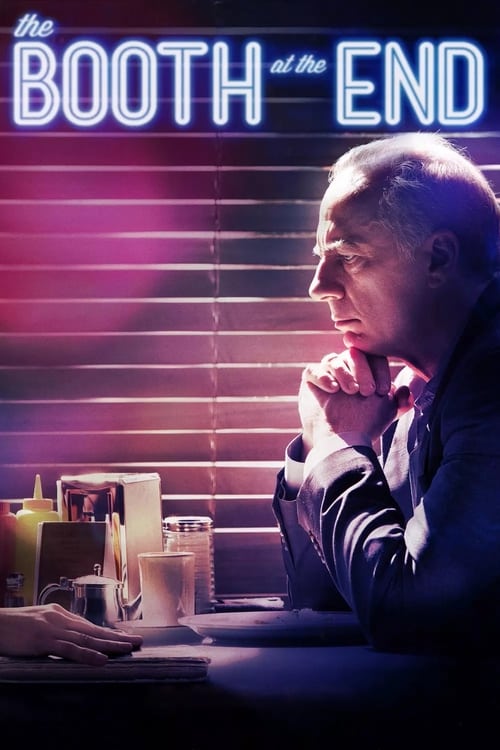
10. The Booth at the End
A minimalist, philosophical thriller entirely set in a diner booth. A mysterious man grants wishes in exchange for tasks, some morally ambiguous, some outright heinous. The whole show was just conversations, revealing the interconnectedness of the characters' decisions and the ripple effects of their choices. It was a masterclass in tension and moral ambiguity, proving that powerful drama doesn't need big budgets or special effects.