
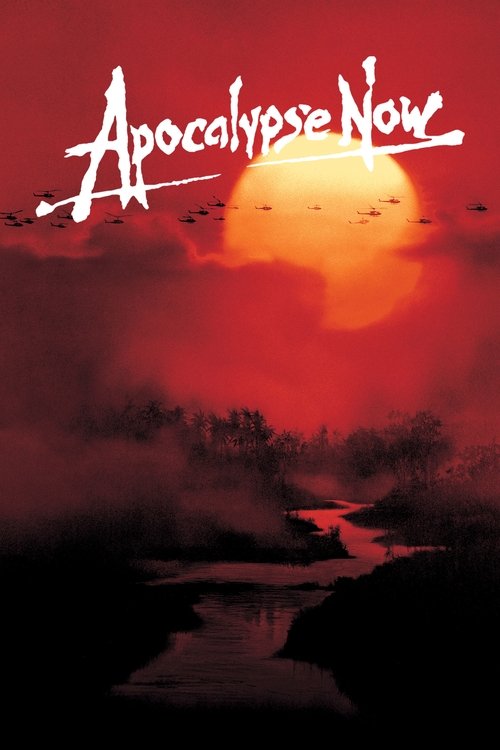
1. Apocalypse Now
Francis Ford Coppola famously declared his film "wasn't about Vietnam, it *was* Vietnam." This epic, hallucinatory war film nearly swallowed its director and cast whole. From typhoons destroying sets to Martin Sheen's on-set heart attack and Dennis Hopper's erratic behavior, the production spiraled into a chaotic, existential struggle. Yet, from this crucible emerged a cinematic masterpiece, a testament to artistic obsession and the raw, unyielding power of auteur vision. Its making is as legendary as the film itself.
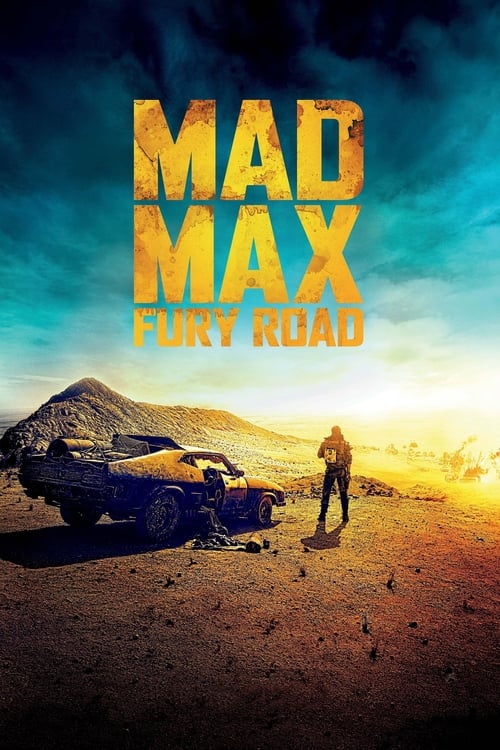
2. Mad Max: Fury Road
George Miller’s return to the wasteland was a twenty-year odyssey, plagued by financial woes, geopolitical shifts, and a relocation from Australia to Namibia. The sheer logistical nightmare of orchestrating hundreds of vehicles, practical stunts, and a cast embroiled in a real-life desert survival scenario is staggering. It became a monumental testament to Miller's unwavering vision, a relentless, kinetic ballet of destruction and redemption that redefined action cinema, proving patience and meticulous planning can birth unparalleled spectacle.
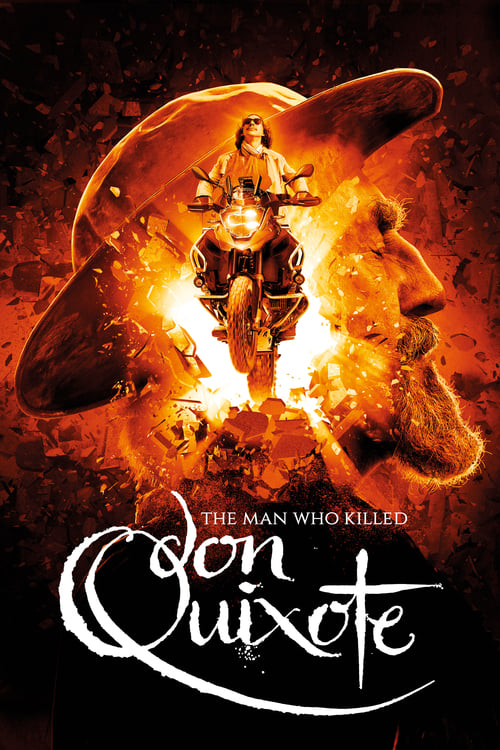
3. The Man Who Killed Don Quixote
Terry Gilliam's Sisyphean quest to film *The Man Who Killed Don Quixote* is perhaps the most well-documented "cursed" production in cinema history. Spanning nearly thirty years, it faced a relentless barrage of setbacks: financing collapses, natural disasters like flash floods, and an actor's incapacitating illness—all vividly captured in the documentary *Lost in La Mancha*. That Gilliam eventually completed it, against all odds, is a triumph of sheer, stubborn artistic will, a reflection of Quixote's own indomitable spirit.
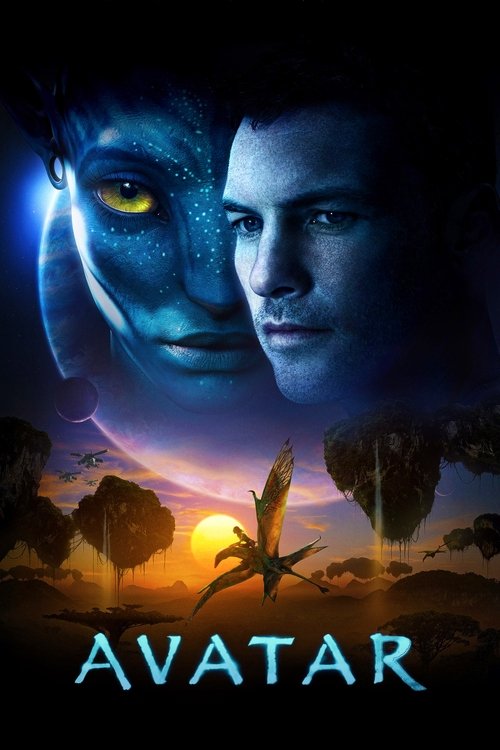
4. Avatar
James Cameron's *Avatar* wasn't just a film; it was a technological revolution demanding years of development for its proprietary motion-capture and 3D camera systems. The sheer scale of world-building, the creation of an entirely new ecosystem and language, pushed the boundaries of digital artistry. Its extended production timeline and astronomical budget were unprecedented, a gamble on a wholly immersive cinematic experience. Cameron's exacting standards yielded a global phenomenon, reshaping the industry's approach to visual effects and epic storytelling.

5. Waterworld
*Waterworld* serves as a cautionary tale of ambition adrift. Its production, largely shot on a massive floating set in the Pacific, was a logistical nightmare. Hurricanes destroyed sets, the budget ballooned to unprecedented figures, and creative control disputes plagued the shoot. Kevin Costner's reported intervention in directing only amplified the chaos. Though a financial disappointment initially, its legacy endures as a stark reminder of the perils of epic scope and unchecked production challenges in Hollywood.

6. Boyhood
Richard Linklater's *Boyhood* is a singular cinematic experiment, filmed intermittently over twelve years with the same cast, allowing its characters to age organically. This unprecedented commitment to realism presented unique challenges, from scheduling conflicts over a decade to maintaining narrative consistency and character arcs across such an extended period. It's an intimate, profound reflection on growth and the passage of time, a testament to Linklater's patient, unconventional storytelling, offering a quiet revolution in film narrative.