1 / 10

1. Pong (1972)
This simple electronic paddle game, more than just a novelty, became a cultural touchstone. It brought interactive entertainment out of specialized arcades and into homes and public spaces, fundamentally altering perceptions of leisure. Pong proved that electronic games held mass appeal, laying the groundwork for an entire industry. Its success wasn't just commercial; it was a societal declaration that digital play was here to stay, forever changing how we interact with technology.
2 / 10
2. Space Invaders (1978)
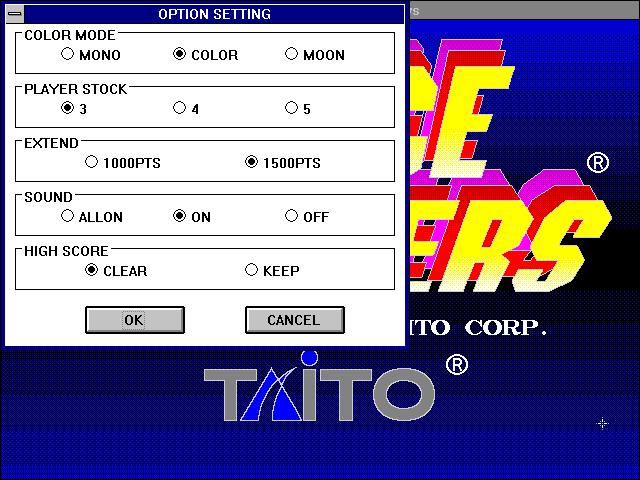
The arcade phenomenon known as Space Invaders wasn't just a game; it was an epidemic. Its hypnotic rhythm and relentless challenge captured an entire generation, leading to coin shortages in Japan and widespread arcade addiction globally. This title solidified video games as a major entertainment force, introducing concepts like high scores and competitive play that still resonate today. It also popularized the "shoot 'em up" genre, shaping game design for decades to come.
3 / 10
3. Super Mario Bros.
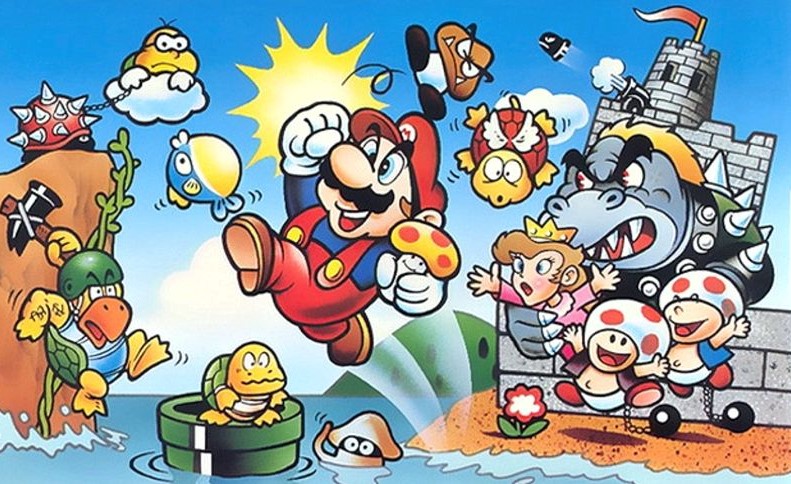
Nintendo’s Super Mario Bros. didn't just save the struggling video game industry; it redefined it. Its masterful level design, iconic characters, and innovative mechanics set the standard for platformers and, frankly, for fun itself. Mario became a global ambassador for gaming, transcending screens to become a household name. It demonstrated the artistic potential of video games, proving they could offer complex, joyful experiences that captivated millions worldwide.
4 / 10

4. Tetris (1984)
Few games transcend cultural barriers like Tetris. Developed in the Soviet Union, its deceptively simple premise — rotating falling blocks to clear lines — became universally addictive. It proved that a game didn't need elaborate graphics or a complex narrative to be profoundly engaging and commercially successful. Tetris influenced countless puzzle games and demonstrated the power of pure, elegant mechanics, becoming a timeless staple on nearly every platform imaginable.
5 / 10
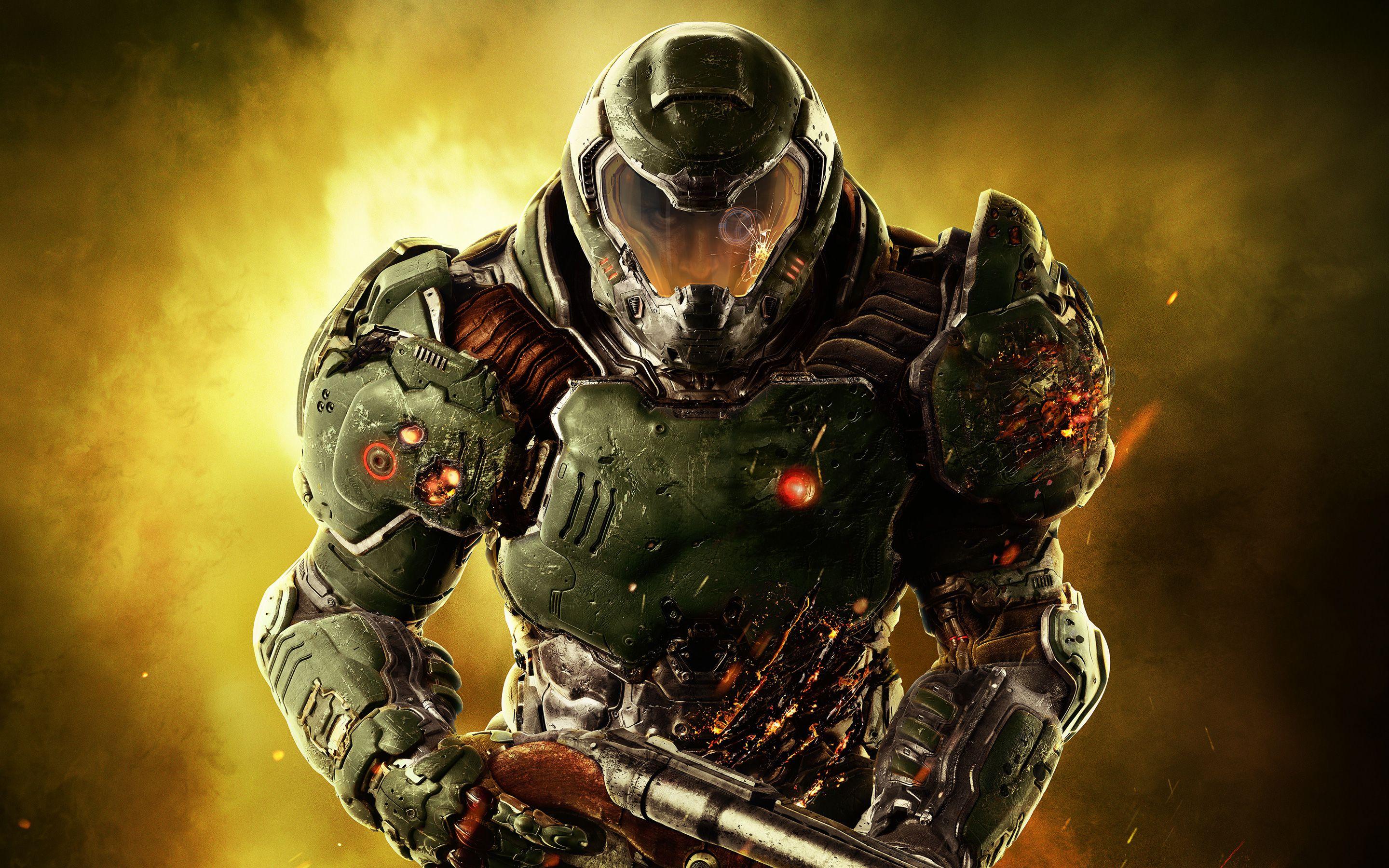
5. DOOM (2016)
The 2016 iteration of DOOM wasn't just a successful reboot; it was a masterclass in recapturing and redefining a genre's essence. It eschewed modern cover-shooter conventions for brutal, relentless speed, forcing players into aggressive, strategic combat. This game reminded the industry that sometimes, going back to foundational principles – fast movement, powerful weapons, and visceral action – can feel incredibly fresh and influential, proving classic designs still resonate profoundly with a new generation.
6 / 10
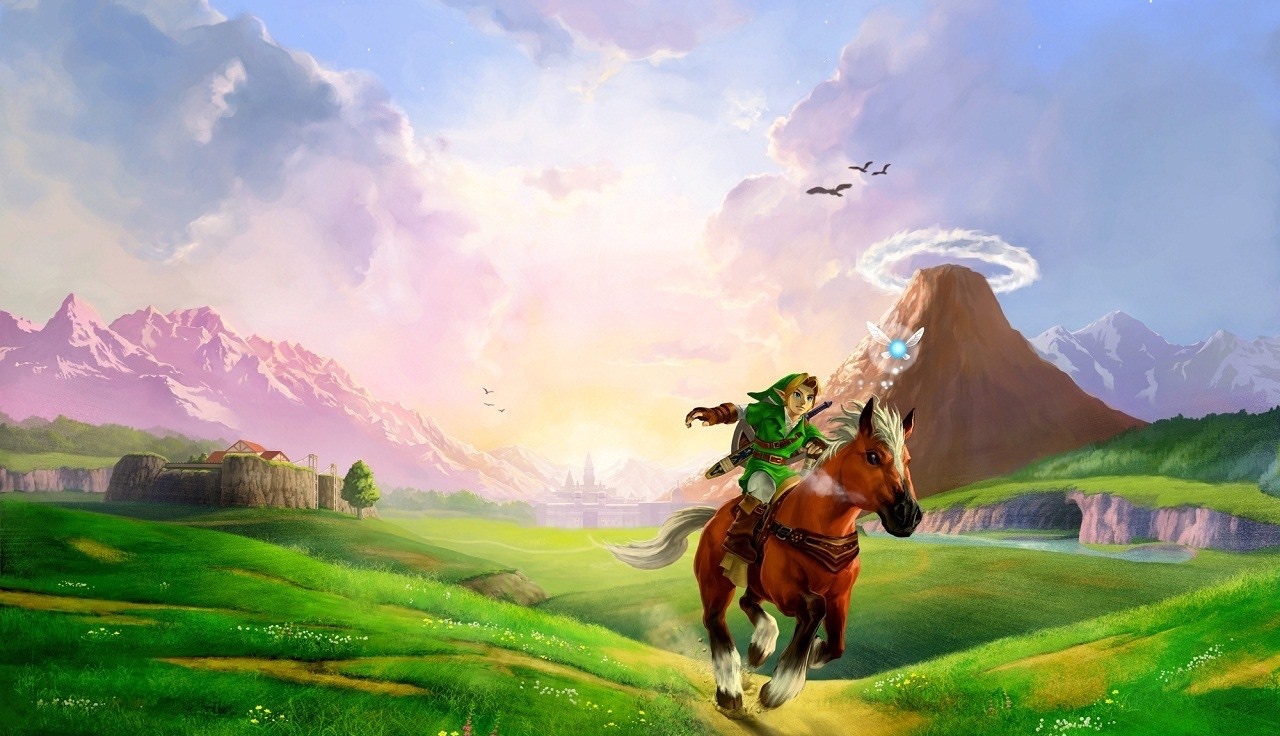
6. The Legend of Zelda: Ocarina of Time
Ocarina of Time didn't just push the boundaries of 3D gaming; it wrote the rulebook. Its innovative targeting system, contextual actions, and sprawling, interactive world established benchmarks for adventure games that are still emulated. It showcased how narrative depth could intertwine with exploration and puzzle-solving in a three-dimensional space, profoundly influencing subsequent action-adventure titles. This game's legacy is evident in nearly every major open-world or story-driven experience since its release.
7 / 10
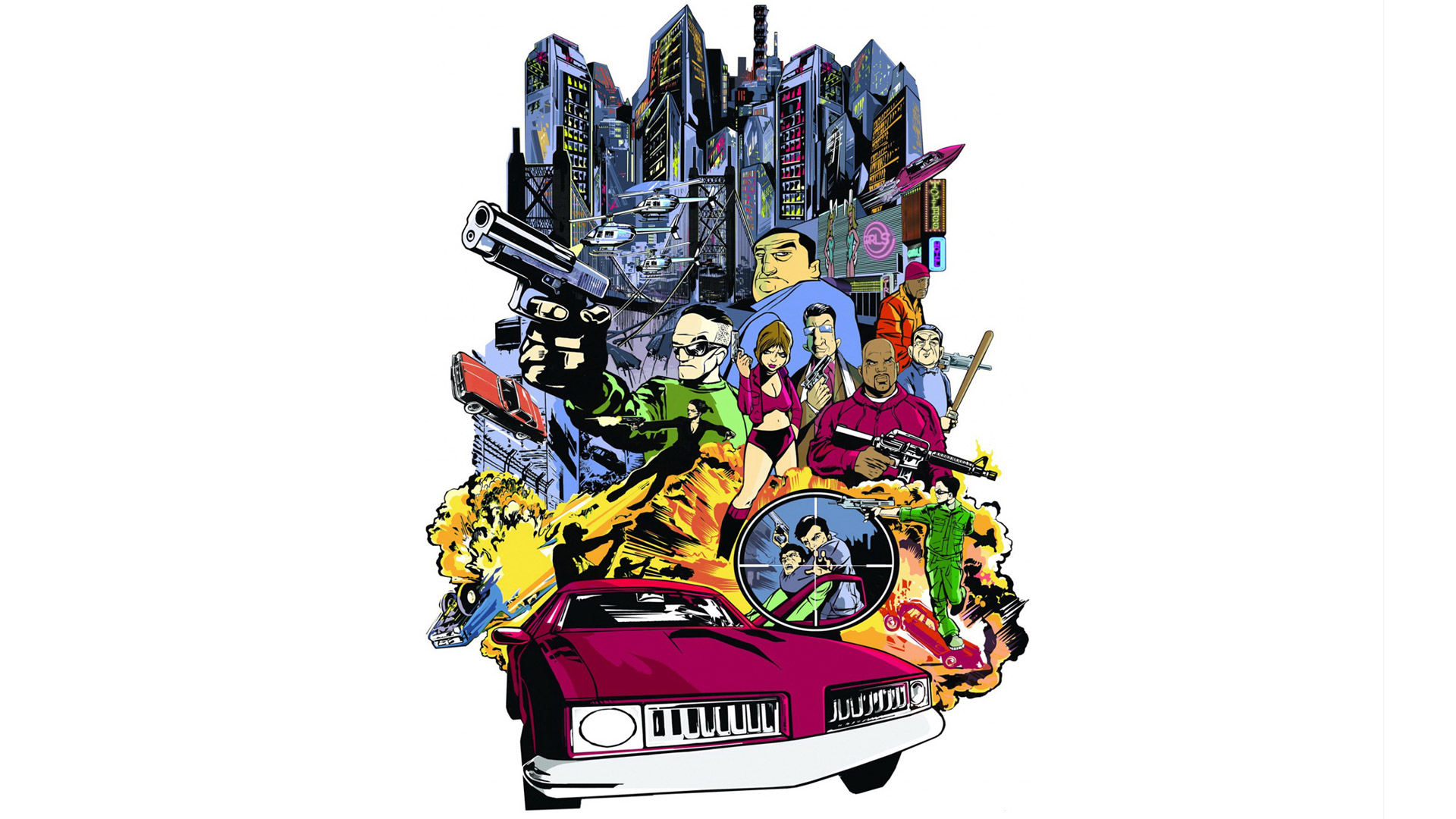
7. Grand Theft Auto III
Grand Theft Auto III was a seismic shift, transforming the gaming landscape with its unprecedented open world and mature themes. It offered players unparalleled freedom to explore a living, breathing city, complete with a dark sense of humor and controversial content. This title didn't just popularize the open-world genre; it practically invented the modern sandbox experience, forcing developers to reconsider scale, player agency, and narrative ambition in ways previously unimaginable.
8 / 10
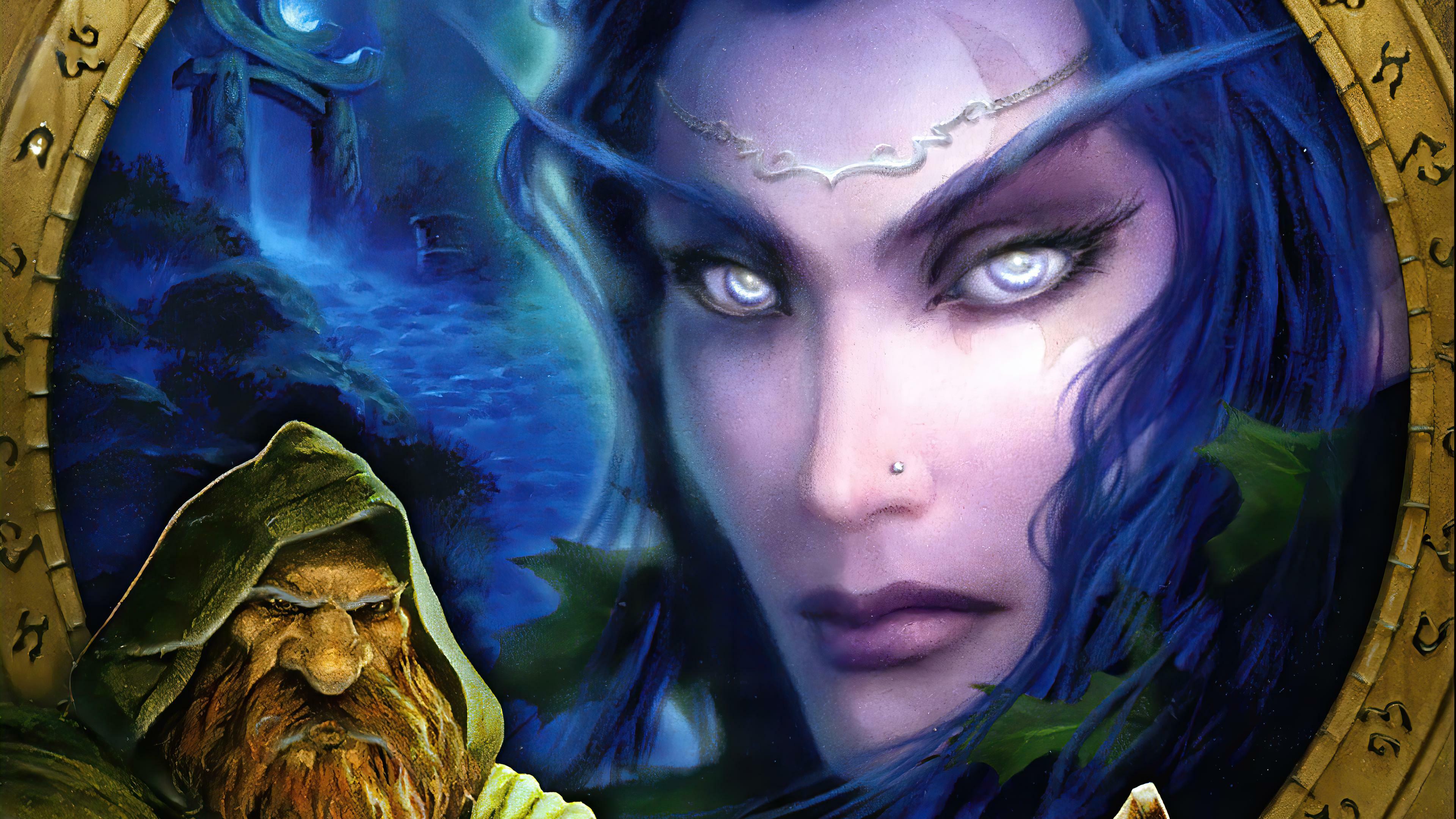
8. World of Warcraft
World of Warcraft transcended gaming to become a social phenomenon. It built a persistent, expansive online world where millions forged communities, economies, and rivalries. WoW demonstrated the immense power of shared virtual spaces, influencing online social interaction and even real-world culture. Its subscription model, raid mechanics, and class-based gameplay set standards for MMOs for years, proving that digital worlds could foster deep, lasting human connections and impact daily lives.
9 / 10
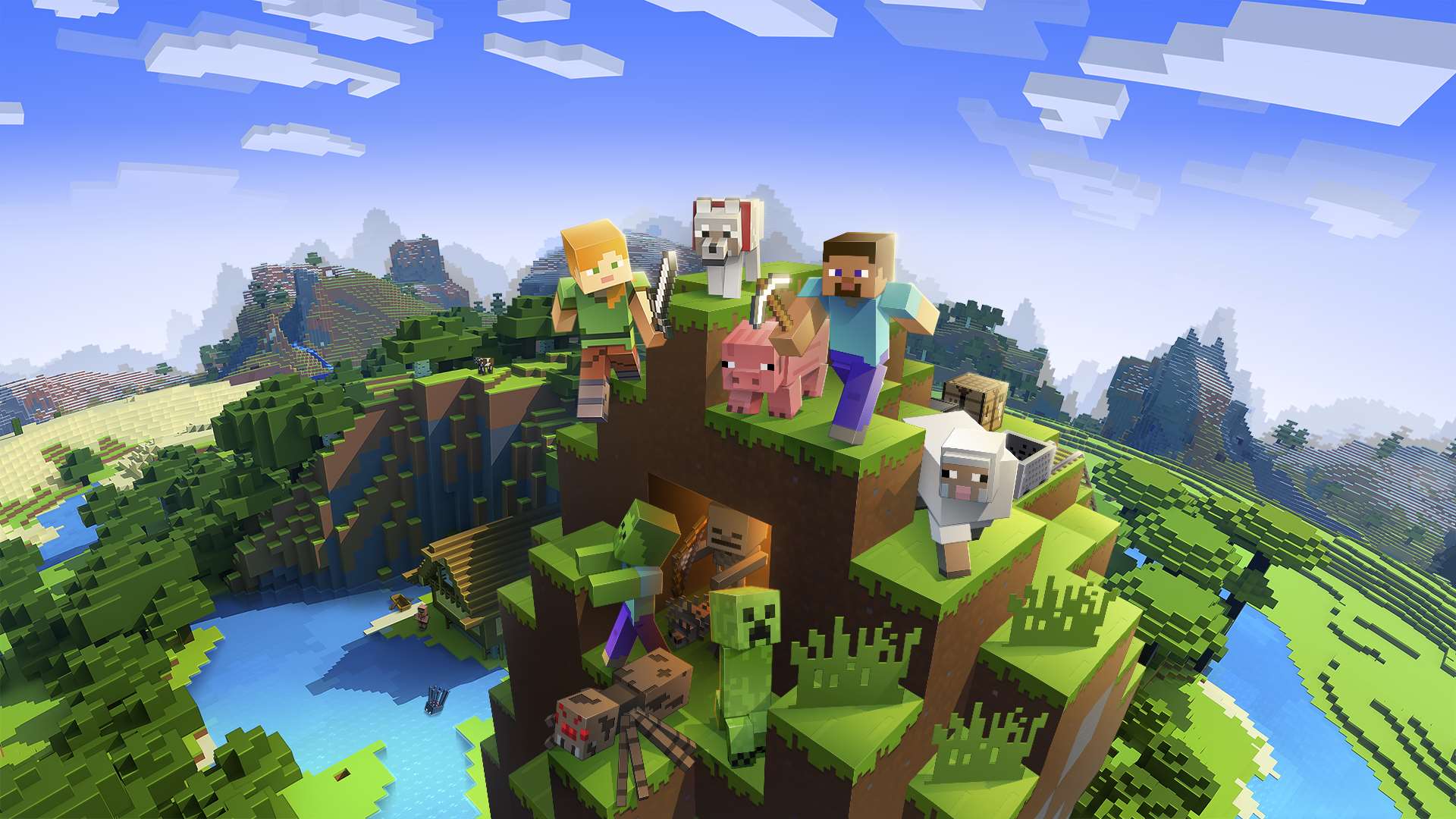
9. Minecraft
Minecraft isn't just a game; it's a digital canvas and a cultural institution. Its blocky, open-ended sandbox appealed to innate human creativity, allowing players to build anything imaginable. It democratized game creation, inspiring a generation of builders, modders, and content creators. Minecraft's influence extends beyond gaming, becoming an educational tool and a platform for social interaction, fundamentally reshaping our understanding of play, creativity, and virtual ownership in the digital age.
10 / 10
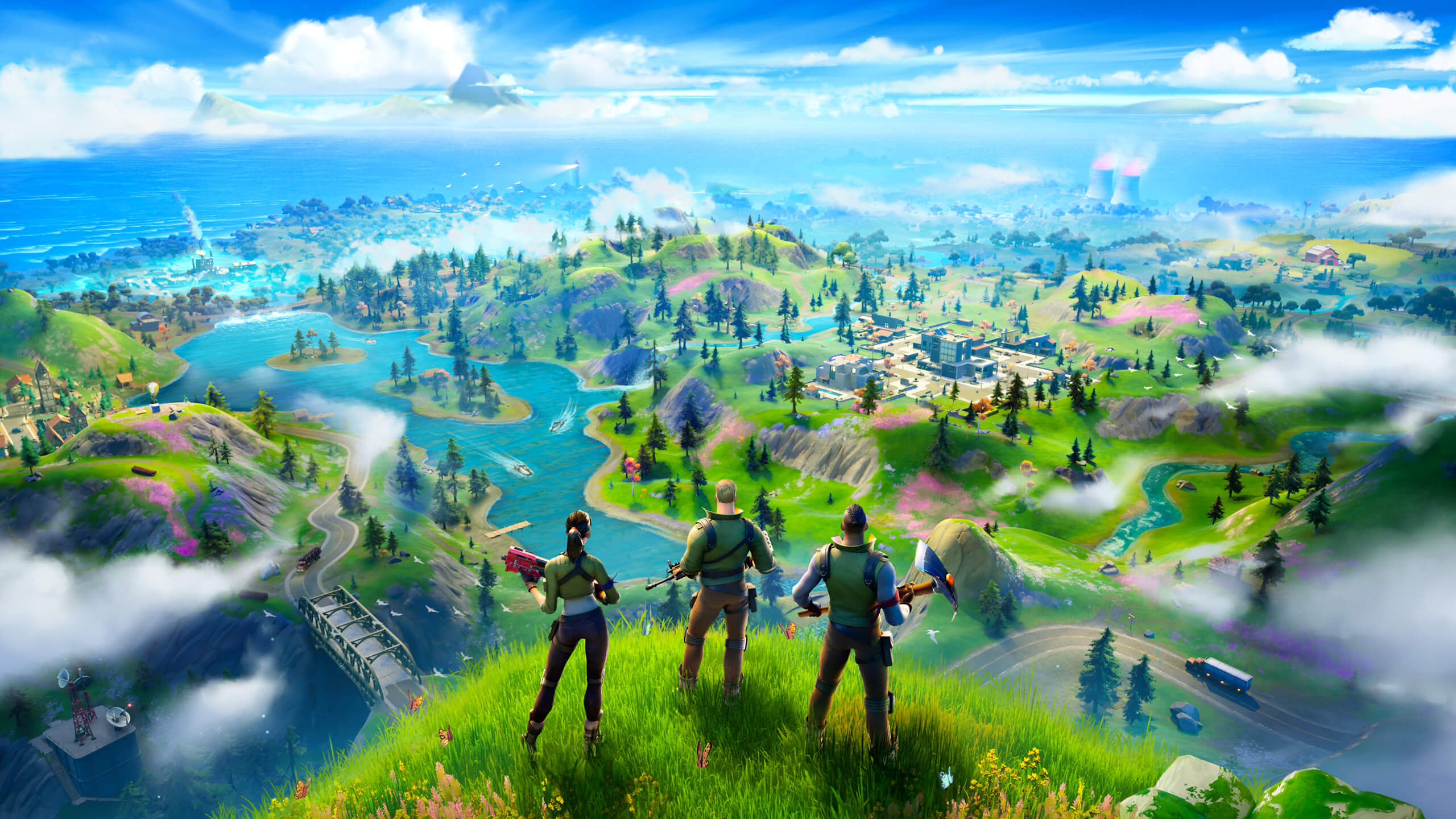
10. Fortnite Battle Royale
Fortnite Battle Royale didn't invent the genre, but it perfected its mainstream appeal, becoming a global cultural phenomenon. Its free-to-play model, cross-platform accessibility, and constantly evolving live-service approach created an unprecedented digital social hub. It introduced millions to competitive online gaming and the concept of the metaverse, blurring lines between entertainment, social media, and virtual commerce, proving games could be the ultimate gathering place for modern audiences.