

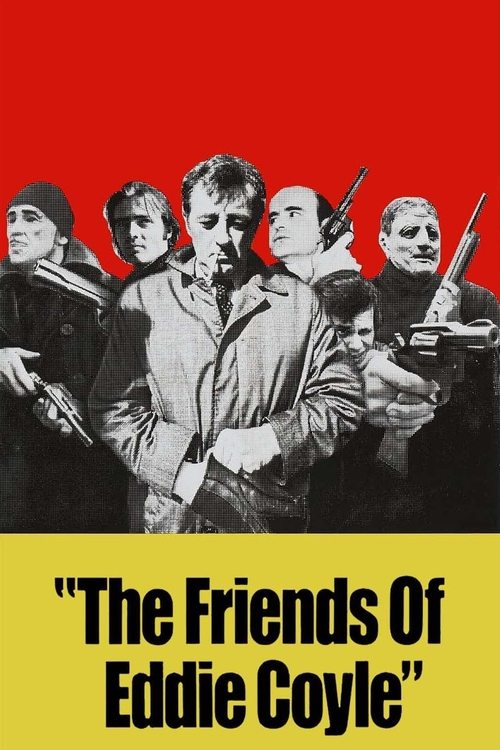
1. The Friends of Eddie Coyle
This 1973 film, with Robert Mitchum, offers an unvarnished look at the lower echelons of organized crime in Boston. Peter Yates directs a gritty, almost documentary-like procedural, where betrayal is a given and loyalty a fleeting illusion. It feels less like a crime drama and more like a lament for working-class despair, capturing a specific early-70s disillusionment with stark realism. The performances are understated, lending a profound authenticity to its bleak narrative. It is a masterclass in quiet desperation.

2. Wake in Fright
Ted Kotcheff’s harrowing Australian odyssey plunges a schoolteacher into a nightmarish outback town. This 1971 film is a visceral exploration of toxic masculinity and societal collapse, famously disturbing audiences at Cannes. Its relentless descent into depravity, fueled by alcohol and primal urges, remains shockingly potent. The film’s restoration brought its confrontational power back to light, revealing a merciless dissection of national identity and the dark underbelly of human nature.
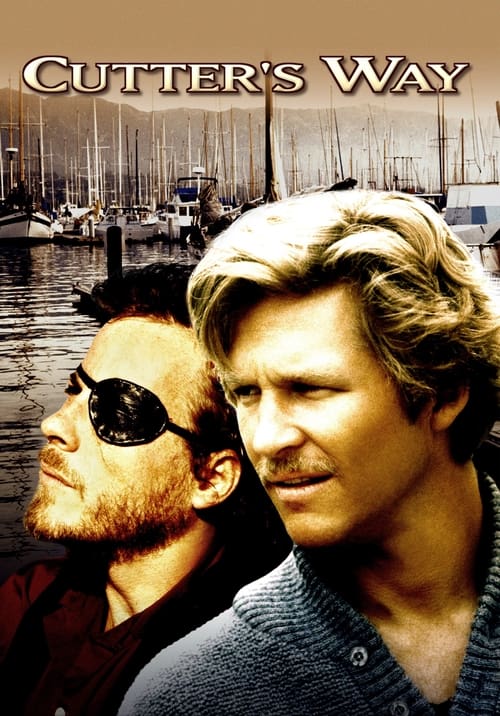
3. Cutter's Way
Ivan Passer's neo-noir from 1981 is a post-Vietnam fever dream, a slow-burn mystery steeped in disillusionment. Jeff Bridges and John Heard play two damaged souls convinced they've found a murderer among the powerful elite. It's a character study as much as a thriller, with an incredible sense of atmosphere. The film captures the lingering malaise of a generation, a pervasive sense of injustice and impotence, making it a cult classic for its unique, melancholic tone.

4. Killer of Sheep
Charles Burnett's 1978 masterpiece is a neorealist poem, shot on 16mm in Watts. This film eschews traditional narrative for vignettes of everyday life for a slaughterhouse worker and his family. Its profound intimacy and quiet dignity capture the struggles of the African American working class with unparalleled authenticity. Burnett’s visual lyricism and use of non-professional actors create a timeless document of human resilience and the search for meaning amidst hardship.
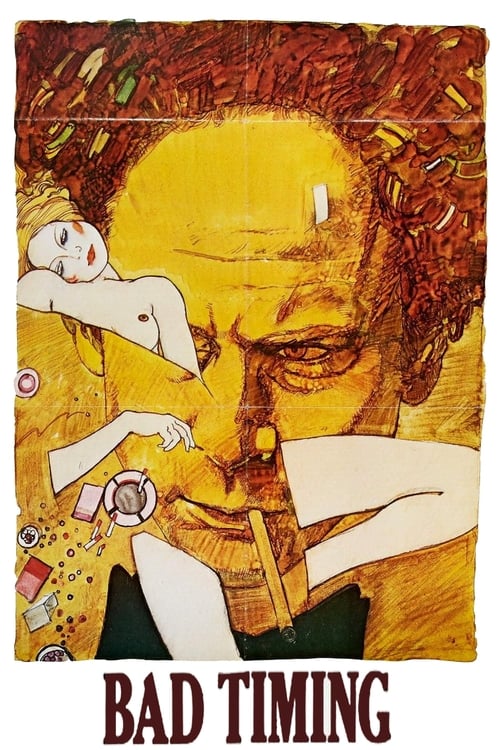
5. Bad Timing
Nicolas Roeg's 1980 psychological drama is a fragmented, non-linear examination of a volatile relationship, starring Art Garfunkel and Theresa Russell. It delves into obsession, control, and memory with a surgeon's precision, dissecting the aftermath of a suicide attempt. Roeg's signature kaleidoscopic editing and disorienting temporal shifts create a deeply unsettling, yet intellectually stimulating, experience. This film confronts the uncomfortable truths of human intimacy with unflinching gaze.
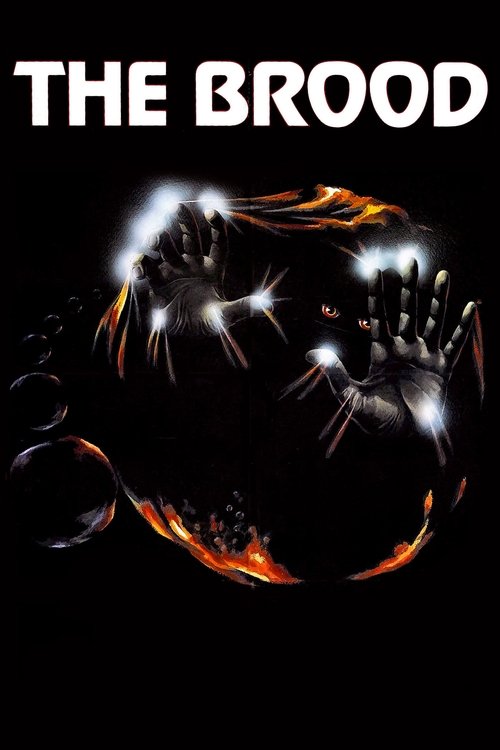
6. The Brood
David Cronenberg's 1979 body horror classic explores divorce and trauma through a grotesque, biological lens. Samantha Eggar plays a woman undergoing radical psychotherapy, manifesting her rage as mutant offspring who attack those who provoke her. It's a deeply personal film for Cronenberg, reflecting his own marital strife, and stands as a chilling, visceral allegory for psychological pain externalized. The film's unique blend of psychological depth and practical effects is unforgettable.

7. A Woman Under the Influence
John Cassavetes' 1974 film is an unflinching, raw portrait of a working-class marriage collapsing under the weight of mental illness. Gena Rowlands delivers an astonishing, heartbreaking performance as Mabel, whose erratic behavior strains her family and defies easy categorization. Cassavetes' improvisational style captures an almost unbearable intimacy, inviting the viewer into the chaotic, painful reality of these lives. It's an emotionally pulverizing, yet deeply empathetic, cinematic experience.
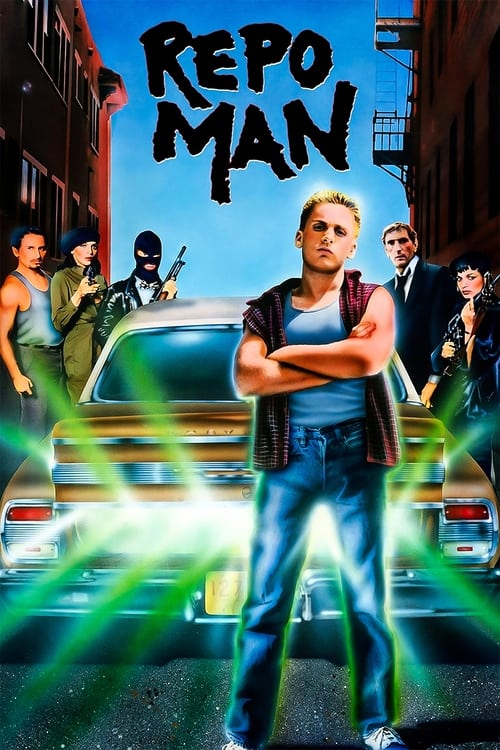
8. Repo Man
Alex Cox's 1984 cult classic is a punk rock sci-fi satire that perfectly encapsulates the disillusionment and anarchic spirit of its era. Emilio Estevez plays Otto, a young punk who falls in with a crew of repo men searching for a mysterious Chevy Malibu. It’s a bizarre, hilarious, and surprisingly insightful critique of consumerism, government conspiracy, and the absurdity of Reagan-era America, all underscored by an iconic soundtrack.
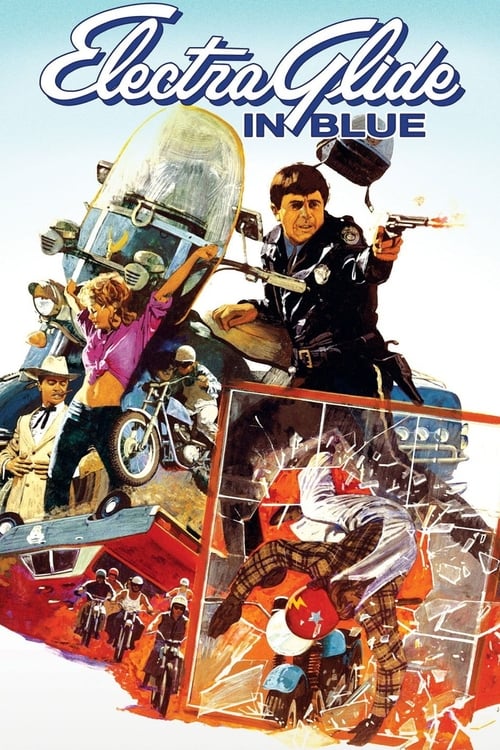
9. Electra Glide in Blue
James William Guercio’s 1973 directorial debut is a melancholic, visually striking revisionist Western disguised as a cop drama. Robert Blake plays John Wintergreen, a small-town Arizona motorcycle cop with ambitions of detective work. The film critiques the fading idealism of the 1960s and the harsh realities of law enforcement, featuring stunning widescreen cinematography and a pervasive sense of existential dread. It's a unique, atmospheric gem that defies genre conventions.
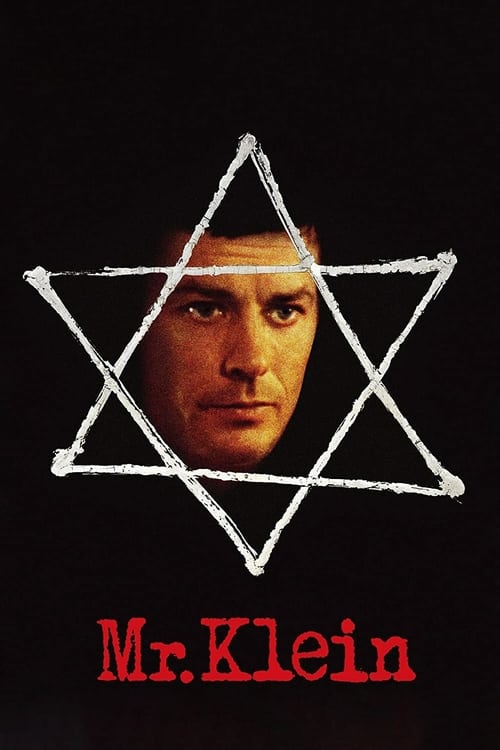
10. Mr. Klein
Joseph Losey’s 1976 thriller, starring Alain Delon, is a chilling, Kafkaesque examination of identity during the Nazi occupation of Paris. Klein, an art dealer, finds himself entangled in a nightmarish bureaucratic maze after being mistaken for another man, a Jew. The film masterfully builds a sense of dread and paranoia, reflecting the insidious nature of oppression and the complicity of indifference. It’s a powerful, unsettling historical allegory that resonates profoundly.